
5 Uncomfortable Food Rules Many People Still Follow Without Questioning Them
Food rules don’t always come from nutrition advice, health goals, or conscious choices. Many are inherited quietly through family habits, social expectations, and cultural pressure, passed down without explanation. Over time, they become normalized behaviors rather than questioned ideas. Even when the original purpose disappears, scarcity, rigid schedules, or social etiquette, the rules remain. Because they feel familiar, people rarely challenge them, even if they create stress, guilt, or discomfort around eating. These rules shape decisions automatically, influencing how, when, and what people eat. Letting them go can feel unsettling, not because they are helpful, but because they are deeply ingrained.
Always Finish What’s on Your Plate
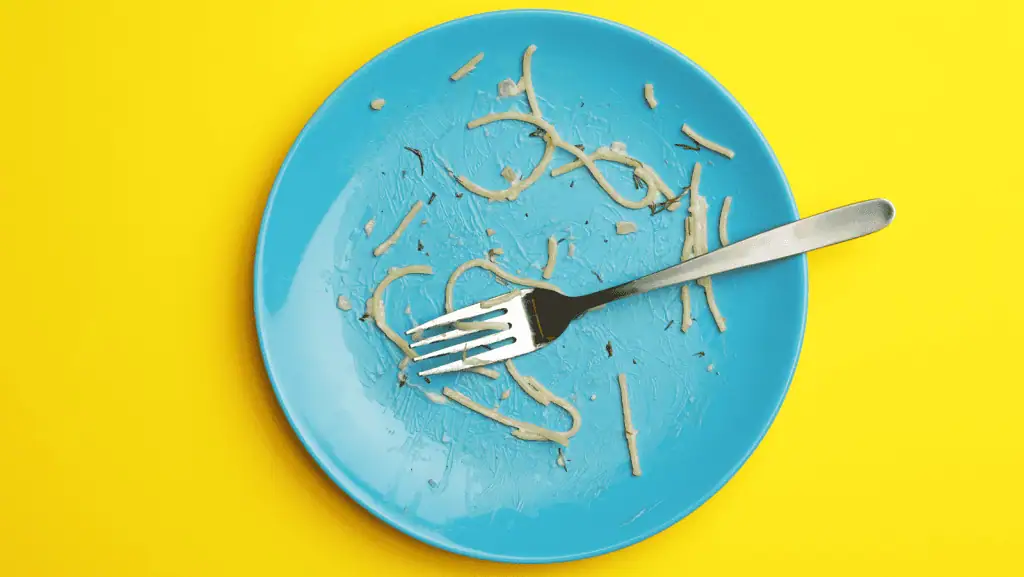
“Clean your plate” is one of the most deeply ingrained food rules many people grow up with. It emerged from times of scarcity, when wasting food felt irresponsible and finishing everything symbolized respect and gratitude. Today, however, that rule often overrides natural hunger and fullness cues. Many adults continue eating past comfort to avoid guilt or the feeling of being wasteful, even when saving leftovers is easy and practical. What once reflected appreciation for food now frequently leads to discomfort, mindless eating, and a gradual disconnect from appetite. The habit lingers not because it serves the body, but because it’s emotionally hard to unlearn.
Eat at Set Times, Even If You’re Not Hungry

Fixed meal schedules, breakfast in the morning, lunch at noon, dinner at night, were designed around school hours, factory work, and shared routines. While structure can be helpful, many people still follow these times rigidly even when they’re not hungry. Eating without appetite can dull internal hunger signals over time and turn meals into tasks rather than nourishment. The rule persists largely because it feels disciplined and orderly, not because it always supports well-being. When meals become obligations instead of responses to hunger, people may lose trust in their own cues and rely more on the clock than their bodies.
Don’t Say No When Food Is Offered

In many cultures, refusing food is still treated as impolite or ungrateful. Whether it’s a second helping, dessert, or a dish you don’t enjoy, people often say yes to avoid awkwardness or disappointing others. This rule places social comfort above personal boundaries. As a result, many people eat when they’re already full or consume foods they don’t actually want. Over time, this habit reinforces the idea that politeness matters more than physical comfort. Saying yes becomes automatic, even when the body is signaling no, creating a quiet but persistent mismatch between social expectations and personal needs.
Certain Foods Must Be “Earned”

Many people grow up with the idea that certain foods need to be earned. Dessert becomes a reward for finishing dinner, snacks are allowed only after eating something “healthy,” and indulgent foods are saved for special occasions. These rules quietly frame food in moral terms, dividing it into what is deserved and what is not. Even adults who openly reject diet culture often follow these patterns without realizing it, feeling the need to justify eating perfectly normal foods. Over time, this mindset creates guilt around enjoyment and turns eating into a system of behavior management rather than nourishment or pleasure.
Eating Should Look a Certain Way in Public

Public eating often comes with an unspoken set of rules about how it should look. Many people change what they order, how much they eat, or how fast they eat based on who is watching. Choosing lighter meals, avoiding foods that seem messy, or eating slowly to appear controlled are common behaviors. In these moments, eating becomes a performance rather than a private, physical experience. The discomfort usually doesn’t come from the food itself, but from managing impressions. Attention shifts away from hunger and satisfaction and toward appearing disciplined, appropriate, or socially acceptable.
