
7 Coffee Origins That Shaped How the World Caffeinates
Coffee’s global journey is as rich and varied as its flavors. Understanding its origins deepens appreciation for the beans that fuel our mornings. Each region imparts distinct characteristics, shaping the experience in every cup. This exploration focuses on seven pivotal coffee origins, highlighting their unique contributions to how the world enjoys coffee today. From ancient ceremonies to modern powerhouse production, these regions have transformed coffee culture across the globe.
Ethiopia: Birthplace & Ancient Ceremonies

Ethiopia, acknowledged as the birthplace of coffee, offers beans with complex floral and fruit notes. The traditional coffee ceremony here is a revered social ritual, reflecting the nation’s deep connection to this beverage. Coffee is typically roasted over an open flame, ground with a mortar, and brewed in a jebena, a clay pot that enhances its distinct aroma and flavor. These practices emphasize patience and respect for the bean, offering a sensory experience that connects drinkers directly to coffee’s ancient roots.
Yemen: Mocha Port’s Global Influence

Yemen’s role in coffee history is defined by the Mocha port, once central to the global trade of this aromatic treasure. The beans from this region are sun-dried, imparting intense chocolate and spice notes. These flavors gained immense popularity, leading to the term “mocha,” now synonymous with chocolatey coffee drinks. Yemen’s methods, although less prevalent today, set a foundation for complex coffee profiles celebrated worldwide. Understanding Yemen’s contribution reveals a critical phase in coffee’s international expansion.
Brazil: Powerhouse of Coffee Supply

Brazil dominates as the largest coffee producer, offering diverse bean varieties from its expansive terrain. The country’s advancements in cultivation and processing have set standards in coffee production efficiency. Brazilian coffees are often smooth, with notes of chocolate, nuts, and caramel, appealing to a broad audience. Key techniques include natural processing, where beans dry with their fruit intact, enhancing sweetness. This rich legacy underscores Brazil’s pivotal role in making coffee accessible worldwide, bridging quality with quantity.
Colombia: Mountains, Flavor & Tradition
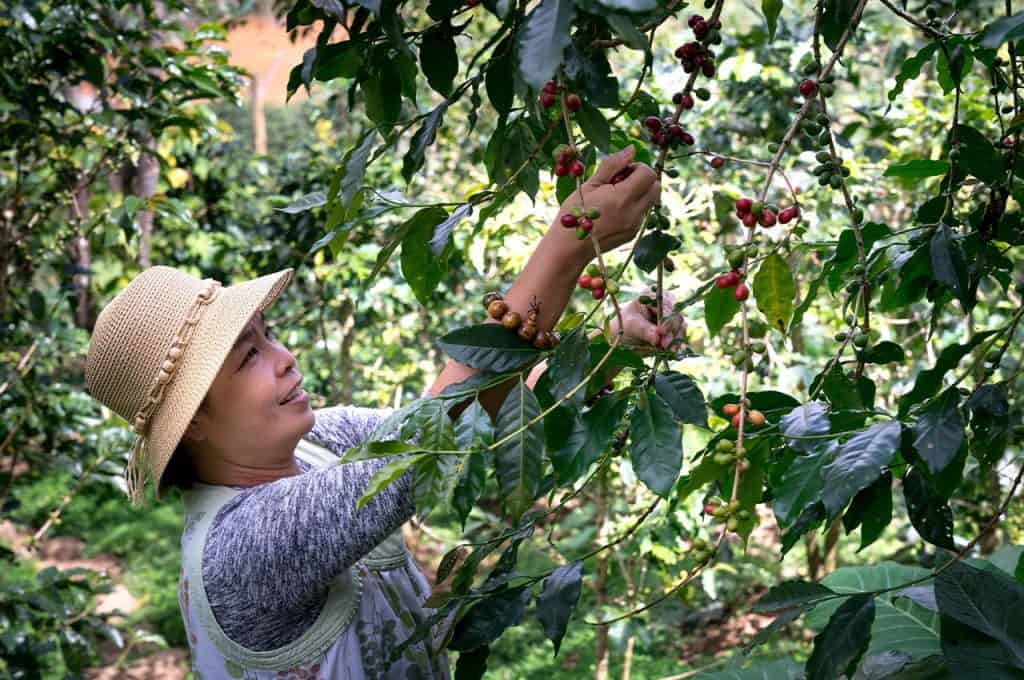
Colombia’s mountainous landscapes create ideal conditions for growing coffee with bright acidity and vibrant fruit flavors. The country’s emphasis on hand-picking ensures only perfectly ripe beans are harvested. These practices yield a consistently high-quality product that defines Colombian coffee’s reputation. The nation’s coffee culture blends tradition with innovation, leveraging both smallholder farms and modern cooperatives. Deeply integrated into local identity, Colombian coffee offers nuanced flavors that highlight the harmony between environment and human touch.
Vietnam: Robusta & Iced Coffee Culture

Vietnam’s coffee scene offers a distinct charm, driven predominantly by Robusta beans. Known for their bold, robust flavor and high caffeine content, these beans create a unique coffee experience. Popularly enjoyed as cà phê sữa đá, iced coffee with sweetened condensed milk, Vietnamese coffee emphasizes balance between bitterness and sweetness. Use a phin filter for authentic preparation, allowing water to percolate slowly through the grounds. This traditional method extracts maximum flavor, resulting in a rich, aromatic brew with a creamy yet refreshing finish.
Jamaica: Luxury of Blue Mountain Coffee
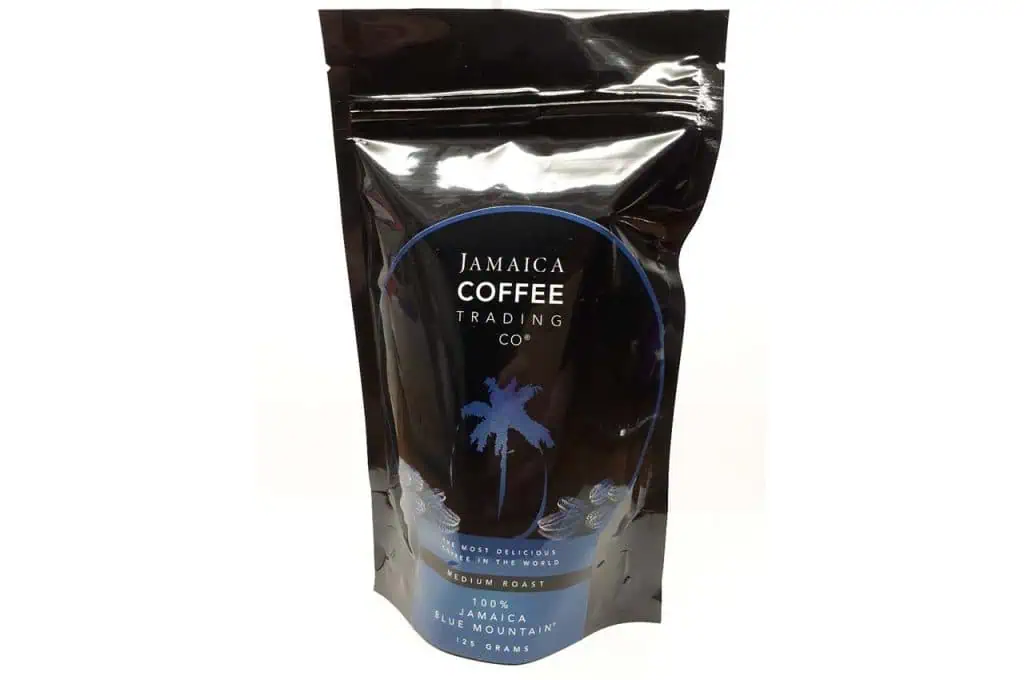
Blue Mountain Coffee from Jamaica embodies luxury, often regarded as some of the world’s finest coffee. Grown at high altitudes with a cool climate and rich volcanic soil, these beans develop a mild flavor profile with bright acidity and floral notes. When brewing, use a French press to maintain the delicate balance and aroma. Grind the beans just before brewing to ensure freshness. This coffee stands out for its smoothness and sophisticated taste, requiring no more than a simple preparation to appreciate its complex layers and exceptional quality.
Hawaii: Kona & Island Brew

Kona coffee symbolizes the unique terroir of Hawaii, cultivated on the fertile slopes of the Hualālai and Mauna Loa volcanoes. These beans are renowned for their smooth body, sweet, fruity notes, and nutty undertones. When preparing Kona coffee, opt for a medium grind and use a pour-over method to highlight its subtle complexities. The hand-picked beans, combined with meticulous processing, result in a cup that is both smooth and vibrant. This island brew offers a taste of tropical paradise, reflecting Hawaii’s commitment to maintaining high standards and flavor precision.
