
12 UNESCO Food Traditions Around the World Every American Family Should Try
Food is one of the most accessible ways to experience another culture, especially when traditions are rooted in daily life rather than fine dining. The UNESCO Intangible Cultural Heritage list recognizes foodways not just for recipes, but for the rituals, skills, and social bonds around them. Many of these traditions translate beautifully to American family kitchens, encouraging shared cooking, slower meals, and deeper appreciation for where food comes from. These twelve UNESCO-recognized food traditions are especially approachable and meaningful for families looking to cook, eat, and connect differently.
Neapolitan Pizza Making (Italy)
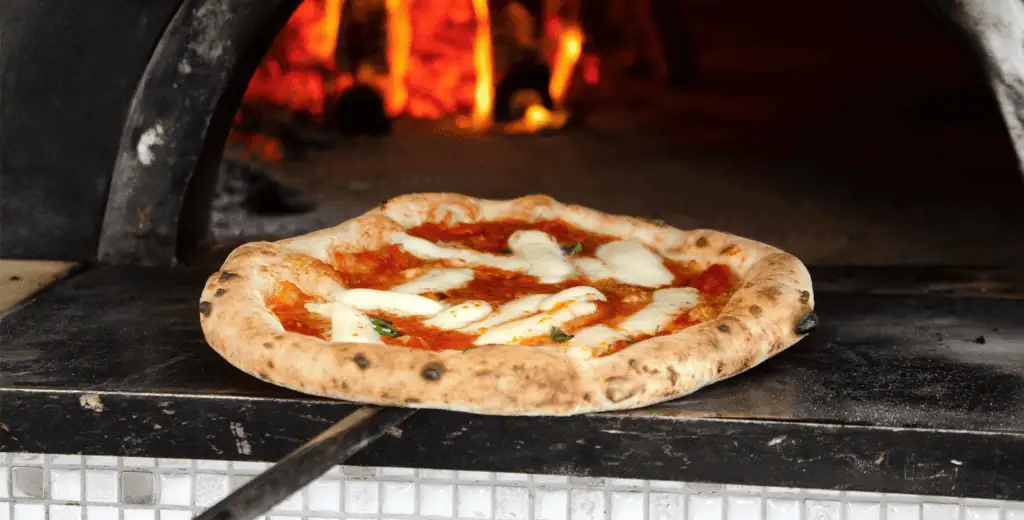
UNESCO recognizes the art of Neapolitan pizzaiuolo for its emphasis on technique, fermentation, and community knowledge passed through generations. This tradition isn’t about toppings, it’s about dough handling, timing, and respect for ingredients. Families can adapt it by making simple dough together, learning patience through rising time, and cooking pizza as a shared ritual. It teaches kids that great food isn’t rushed and that skill matters as much as flavor.
Traditional Mexican Cuisine (Mexico)
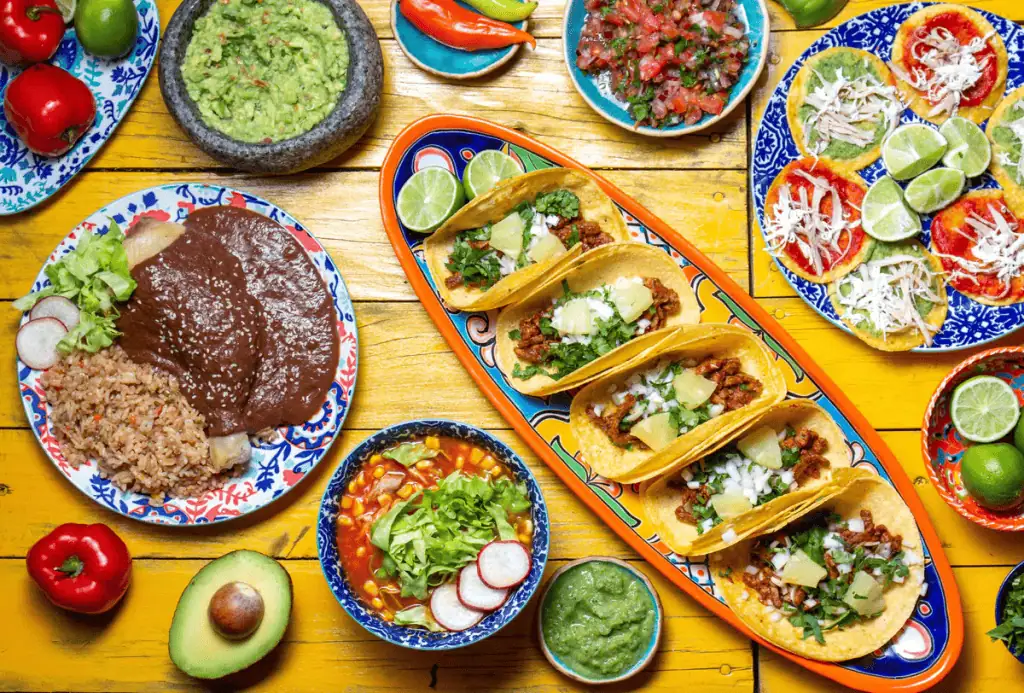
Mexico’s traditional cuisine earned UNESCO recognition for its deep agricultural roots, especially corn, beans, and chili. The tradition emphasizes nixtamalization, hand preparation, and communal cooking. Families can explore this through homemade tortillas, slow-cooked beans, or shared taco nights built from scratch. It introduces children to food as culture, not convenience, while reinforcing the idea that everyday meals can carry history and meaning.
Washoku (Japan)
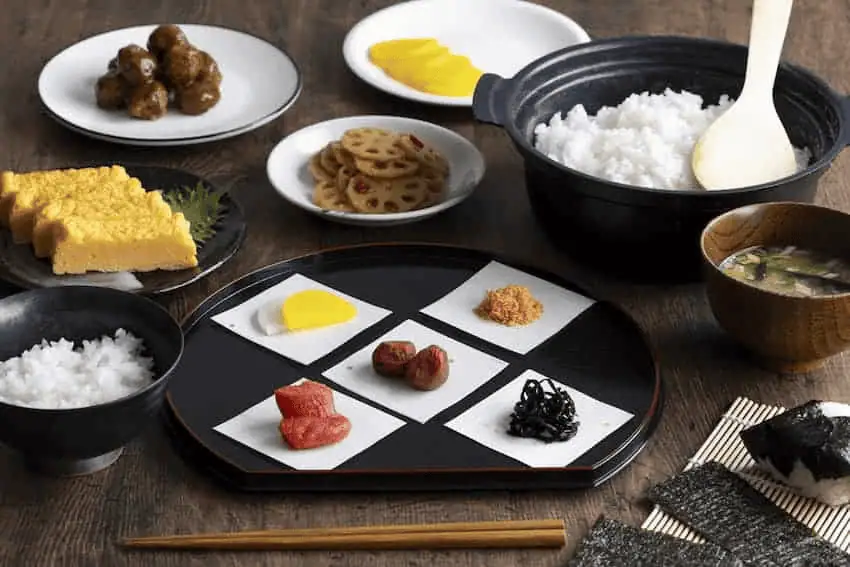
Washoku represents Japan’s traditional dietary culture, focused on seasonality, balance, and presentation. It values rice, vegetables, fish, and subtle flavors served in harmony. For American families, washoku encourages thoughtful plating, smaller portions, and respect for seasonal ingredients. Simple meals like rice, soup, and vegetables become intentional rather than plain, teaching children mindfulness and gratitude around eating.
Mediterranean Diet (Cyprus, Croatia, Greece, Italy, Morocco, Portugal, Spain)
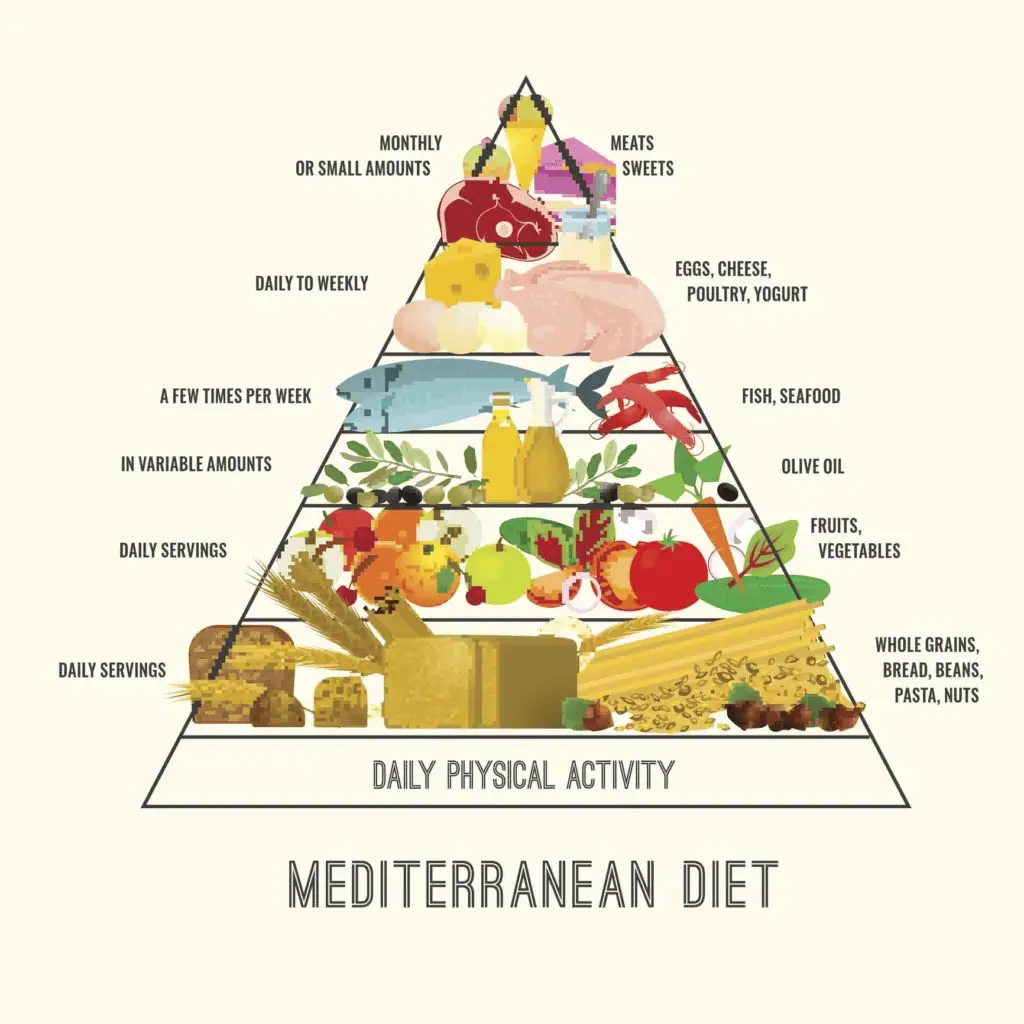
Recognized for its social and health benefits, the Mediterranean diet is as much about eating together as what’s on the plate. Olive oil, vegetables, grains, and shared meals form its foundation. Families can adopt this tradition through slower dinners, shared plates, and simple cooking. It reinforces the idea that meals are social events, not just fuel, and that food habits shape long-term wellbeing.
Kimjang (South Korea)
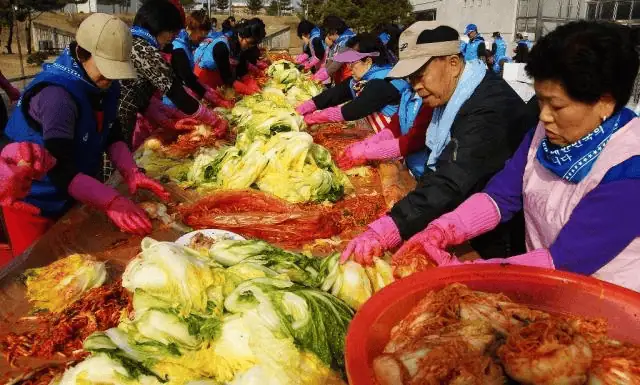
Kimjang is the communal making of kimchi, traditionally done seasonally with neighbors and family. UNESCO recognizes it for strengthening social bonds through shared labor. Families can adapt kimjang by making small batches of kimchi or pickled vegetables together. It teaches patience, fermentation basics, and teamwork, while helping children understand how preservation connects food to time and tradition.
Traditional Bread Making (France)
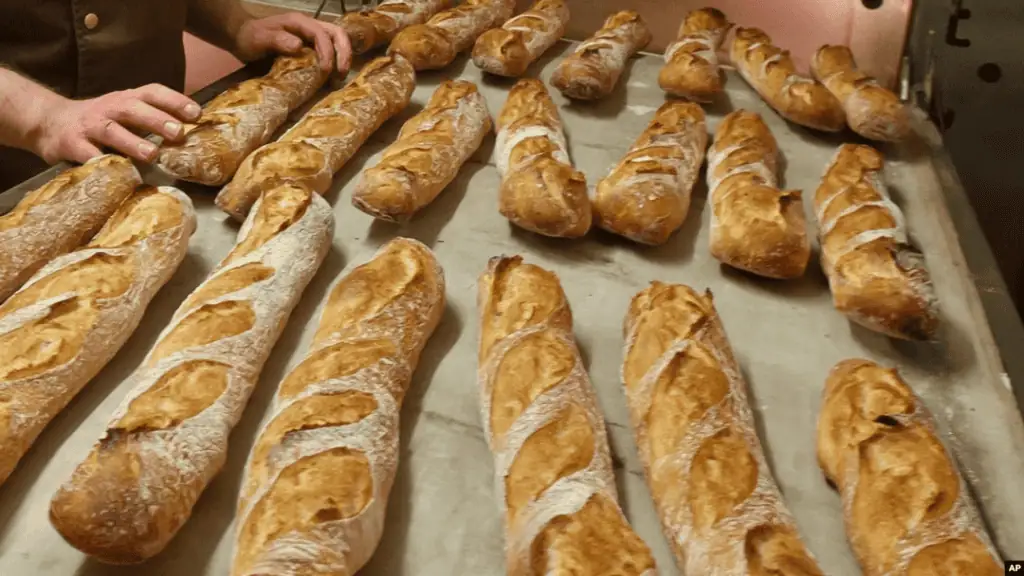
French artisanal bread traditions emphasize skill, fermentation, and respect for simple ingredients. Recognized by UNESCO for its cultural role, bread-making is ideal for family participation. Mixing dough, waiting for it to rise, and baking together introduces children to time, texture, and transformation. It reframes bread as craft rather than packaging, helping families appreciate everyday staples differently.
Couscous Tradition (North Africa)
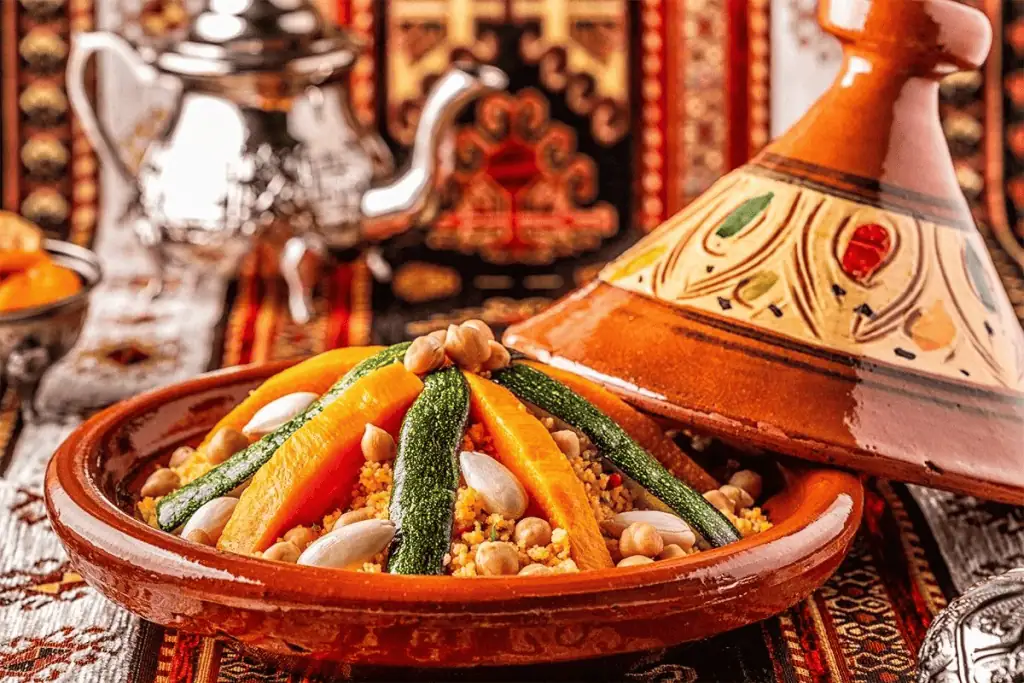
Couscous is recognized for its role in social life across several North African countries. Traditionally shared from one dish, it emphasizes hospitality and togetherness. Families can recreate this by preparing couscous with vegetables and protein and serving it family-style. The tradition encourages communal eating and generosity, reminding everyone that food is meant to be shared, not individualized.
Dolma Tradition (Azerbaijan)
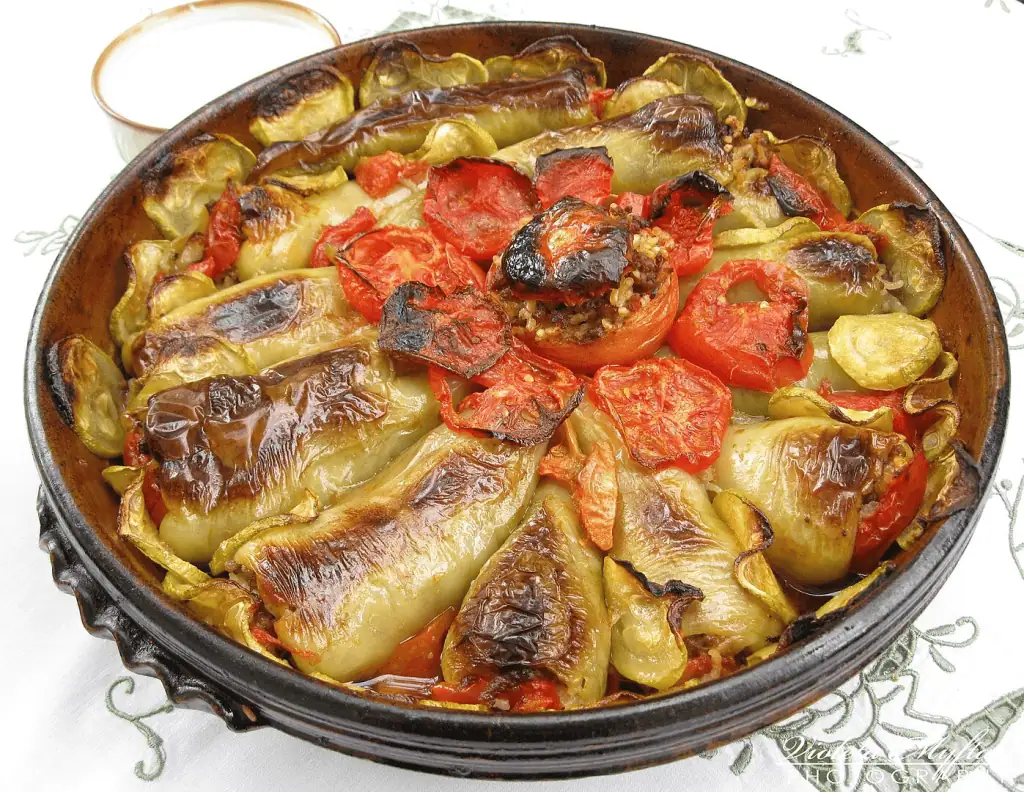
Dolma—stuffed vegetables and leaves is recognized for the skills and communal nature of preparation. Families gather to roll, fill, and cook together, often across generations. This makes dolma ideal for American families wanting hands-on cooking activities. It teaches coordination, patience, and collaboration while producing a meal that feels earned rather than assembled.
Oshi Palav (Uzbekistan)
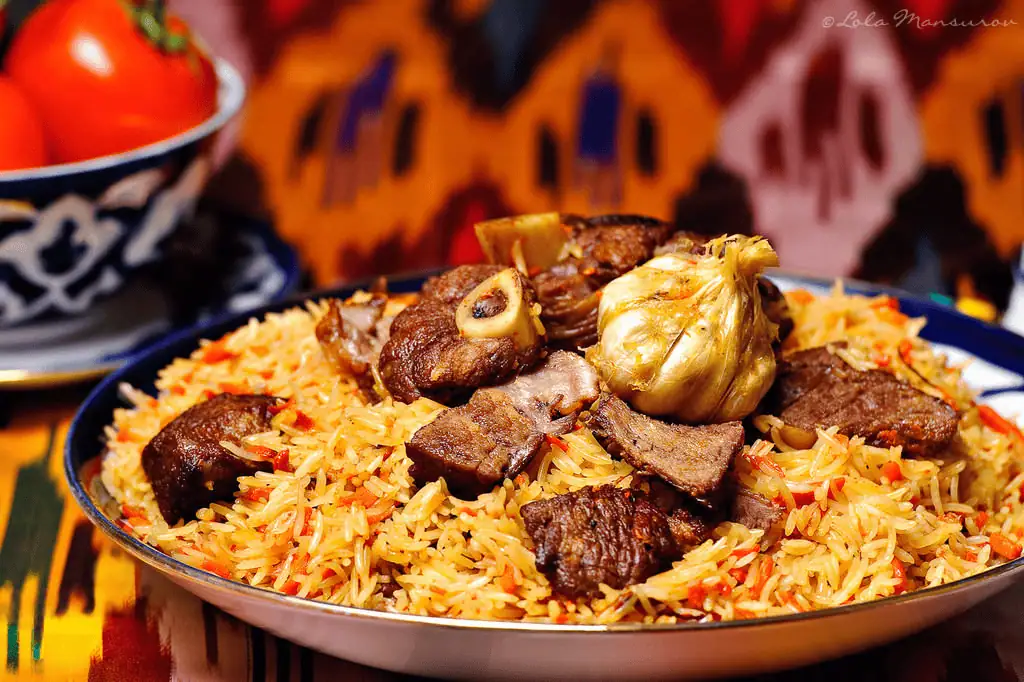
Oshi Palav is a celebratory rice dish traditionally prepared for gatherings and community events. UNESCO recognizes it for its role in strengthening social ties. Families can adapt this by cooking large one-pot meals meant for sharing. It emphasizes generosity, hospitality, and collective enjoyment, shifting focus away from individual servings and toward shared experience.
Traditional Beer Brewing (Belgium)

Belgium’s beer culture is recognized for craftsmanship and social tradition rather than consumption alone. For families, the takeaway isn’t alcohol, it’s fermentation knowledge and respect for craft. Non-alcoholic adaptations, bread baking, or soda fermentation can mirror the learning process. It teaches how science, patience, and tradition intersect in food production.
Turkish Coffee Culture (Türkiye)
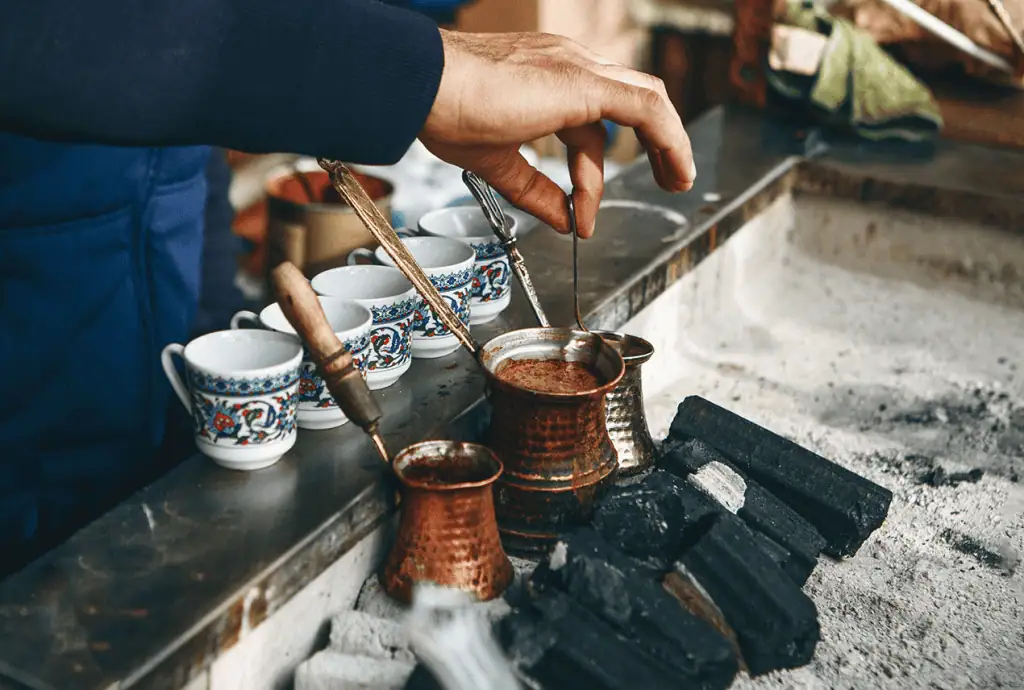
Turkish coffee is recognized for its rituals of preparation and conversation. The tradition values time spent together as much as the drink itself. Families can adapt this through shared tea or cocoa rituals, focusing on slowing down and talking together. It reinforces the idea that drinks can anchor meaningful moments, not just caffeine breaks.
Traditional Flatbread Culture (Middle East and Central Asia)
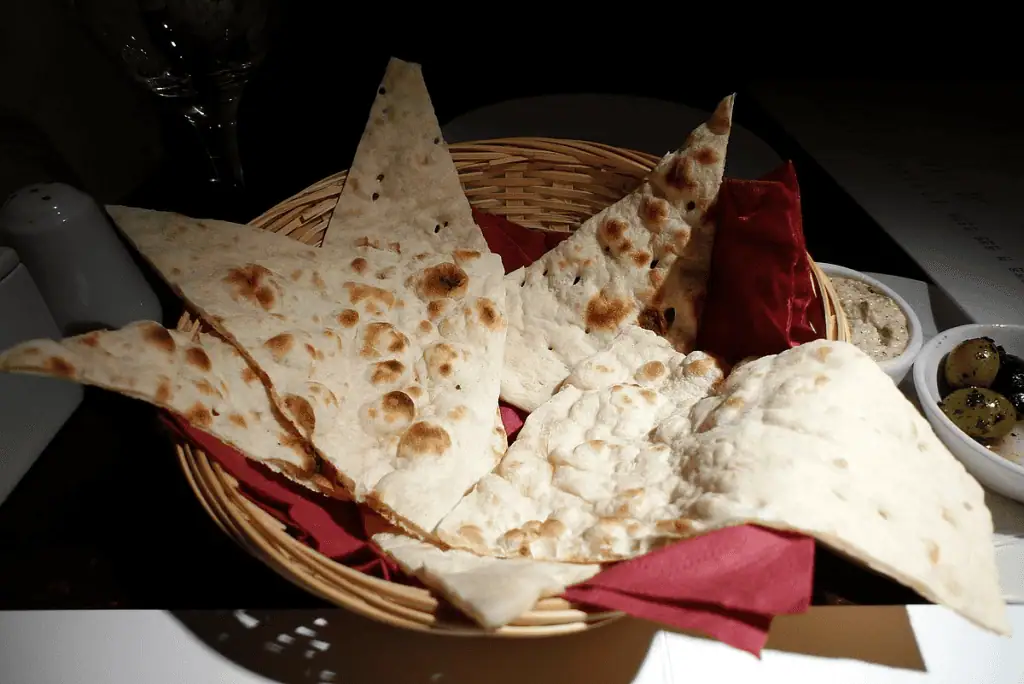
UNESCO recognizes flatbread traditions for their role in daily life and communal baking. Families can explore this through homemade flatbreads cooked on stovetops or ovens. The process is simple, interactive, and deeply satisfying. It connects children to the idea that food can be made by hand, daily, and together without complicated tools.
