
From 15-Cent Burgers to $20 Combos: How McDonald’s Changed American Eating Forever
McDonald’s initiated a revolution in American dining, transforming a simple hamburger stand into a global phenomenon. From its roots as a provider of affordable meals to its current status as a fast-food juggernaut, McDonald’s has shaped how the nation eats. This article explores how the chain’s innovations, from pricing strategies to changing portion sizes, have left an indelible mark on culinary habits and industry standards.
When Burgers Cost Pocket Change

In the early days, McDonald’s offered burgers for as little as 15 cents, making it a staple for many working-class families. These low prices democratized dining out, appealing to consumers who valued both affordability and flavor. The cost-effective menu was possible due to streamlined kitchen operations and bulk purchasing, setting a precedent for price-focused marketing in the restaurant industry. Despite inflation over the years, this foundation of affordability continues to influence fast-food pricing strategies.
Speed and Consistency: A New Era

McDonald’s revolutionized dining with the introduction of a “Speedee Service System,” which emphasized fast, efficient cooking without compromising quality. A standardized preparation process ensured that each location delivered consistent food, setting customer expectations. The focus on speed and uniformity not only catered to the busy lifestyles of Americans but also reshaped the fast-food industry, where quick service and reliable quality became critical pillars of success.
Supersizing: Portions Quietly Grew

Over time, McDonald’s capitalized on the concept of larger portions, introducing the “Supersize” option that subtly increased meal sizes. This shift addressed evolving customer desires for more substantial meals and higher value, impacting portion norms across the industry. The increase in portion size illustrated a growing American appetite and changed public perception of acceptable meal dimensions, highlighting a broader trend towards increased consumption.
Drive-Thrus: Convenience on the Go
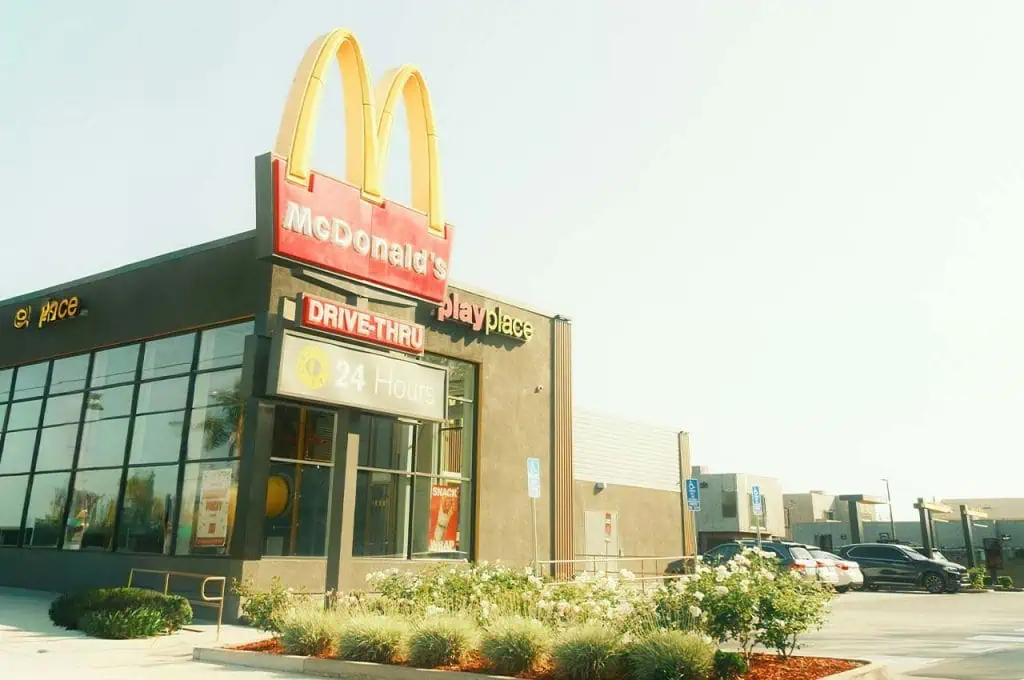
The introduction of drive-thru service at McDonald’s locations revolutionized convenience, catering to America’s fast-paced lifestyle. This innovation enabled customers to enjoy meals without leaving their vehicles, minimizing time spent in restaurants and redefining accessibility. Drive-thrus expanded customer reach and handled increased demand efficiently, cementing their status as a quintessential feature of fast-food dining. The model has been widely emulated, underscoring the powerful appeal of convenience.
Kids’ Meals: Toys and Young Patrons

The introduction of Happy Meals in 1979 marked a strategic pivot towards capturing the family market. Each meal came with a toy, turning an ordinary food experience into an event for children. This blend of simple foods like nuggets or burgers with playful novelties elevated McDonald’s to a staple of childhood nostalgia. The toys changed frequently, creating a collectible aspect that kept young patrons returning. Moreover, by linking with popular movies and cartoons, McDonald’s tapped into cultural trends, making Happy Meals a desirable choice for both children and their parents.
The Dollar Menu’s Disappearance

Originally launched as a strategy to attract budget-conscious diners, the Dollar Menu offered an array of items at a straightforward price point. Over time, however, increasing operational costs and the need for larger profit margins led to its gradual disappearance. What remains is a reflection of changing market dynamics, where value deals are now bundled at slightly higher prices. This shift underscores McDonald’s adaptation to economic pressures and consumer expectations, moving away from single-priced items to value-driven meals that appeal to a broader demographic seeking quality over sheer affordability.
Premium Combos and Rising Prices

McDonald’s introduction of premium items was a nod to evolving consumer tastes and the demand for more sophisticated options. Meals such as the Angus burger series showcased higher-quality ingredients and more complex flavors. These offerings came at elevated price points, demonstrating a shift in strategy to capture both average consumers and those inclined towards gourmet-inspired fast food. As prices rose across the menu, the focus remained on maintaining accessibility while intertwining elements of perceived luxury, inviting customers to experience familiar favorites elevated with a touch of extravagance.
McDonald’s Lasting Impact Today

Today, McDonald’s influence extends far beyond the golden arches. It pioneered the fast-food model that countless establishments emulate, from standardized menus to efficient kitchen operations. Globally, McDonald’s adapts to local tastes while maintaining core brand qualities, showcasing a versatile approach that speaks to its enduring success. Its commitment to digital innovation, through self-order kiosks and mobile ordering, reflects its readiness to meet modern dining expectations. McDonald’s remains a cultural icon, not just for its food but for its continued ability to define and respond to changes in the global food landscape.
