
10 Frozen Foods Dietitians Say to Skip
Frozen foods are convenient, affordable, and last much longer than fresh options, but not all of them are the best choice for your health. Many contain excess sodium, added sugars, unhealthy fats, or preservatives that make them less than ideal for regular consumption. Dietitians caution that while the freezer aisle can be a lifesaver, it’s important to know which products may do more harm than good in the long run.
Frozen Pizza
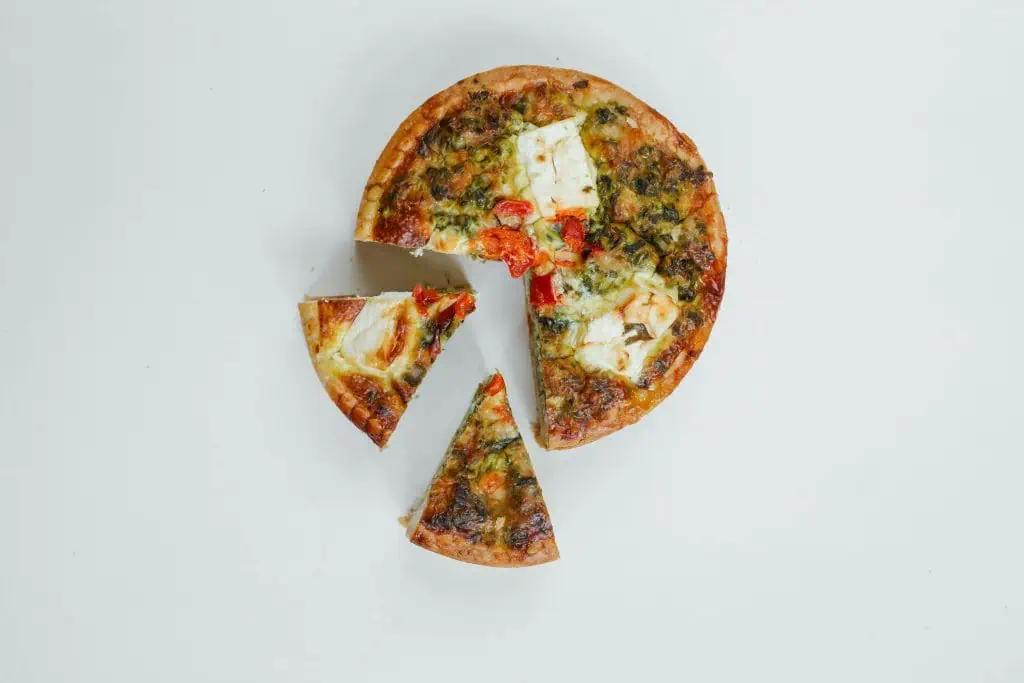
Frozen pizza is one of the most popular freezer staples, but dietitians often recommend limiting it. Most brands are high in sodium, saturated fat, and refined carbs while offering very little fiber. Even the vegetable-topped versions usually lack real nutritional balance. While convenient for busy nights, it’s best left as an occasional indulgence rather than a weekly dinner.
Frozen Breakfast Sandwiches

Many frozen breakfast sandwiches are loaded with sodium, processed meats, and refined white bread. These factors make them heavy on calories without providing lasting energy. While they may seem like a quick solution for mornings, dietitians say homemade options with whole grains, lean protein, and fresh vegetables are far healthier. Convenience shouldn’t come at the expense of nutrition.
Frozen Fried Chicken

Frozen fried chicken may save time, but it’s often breaded with refined flour, deep-fried, and then frozen with added preservatives. This results in high calorie and fat content with minimal nutritional value. The reheated version also tends to lose its crispness while retaining excessive oil. Healthier alternatives include oven-baked chicken or making a lighter homemade version.
Frozen French Fries

French fries from the freezer aisle are typically pre-fried before packaging, meaning they already contain significant amounts of oil and sodium. Once baked or fried again at home, they double up on calories and unhealthy fats. While they’re an easy side dish, dietitians suggest roasted fresh potatoes or sweet potatoes as a better alternative for long-term health.
Frozen Burritos
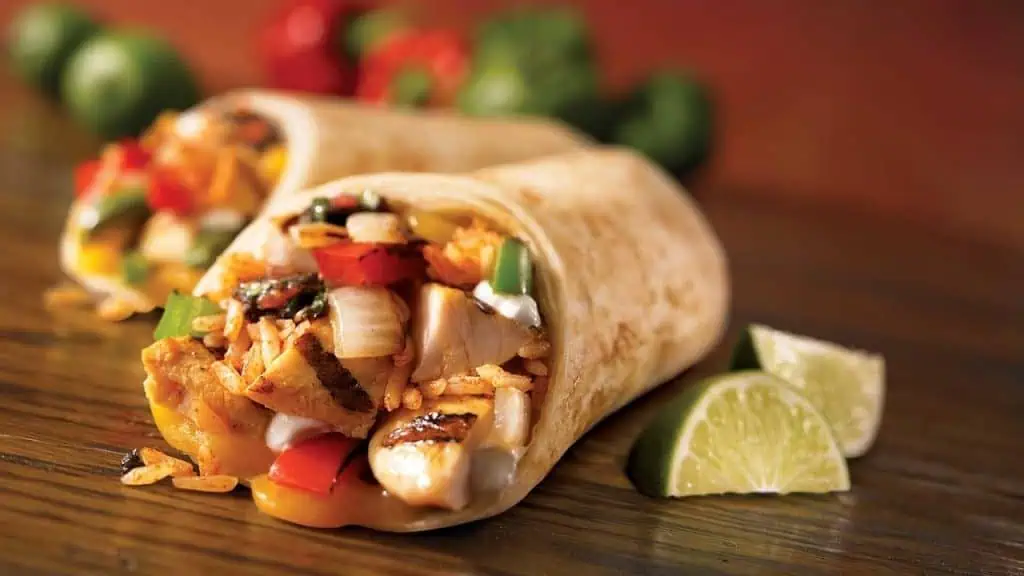
Frozen burritos are often packed with refined flour tortillas, processed cheese, and sodium-heavy fillings. While convenient, they rarely provide a good balance of protein, fiber, and healthy fats. The large portion sizes also encourage overeating. Instead, making burritos at home with whole-grain wraps, beans, and fresh vegetables is a healthier way to enjoy the same flavors.
Frozen Pasta Dishes
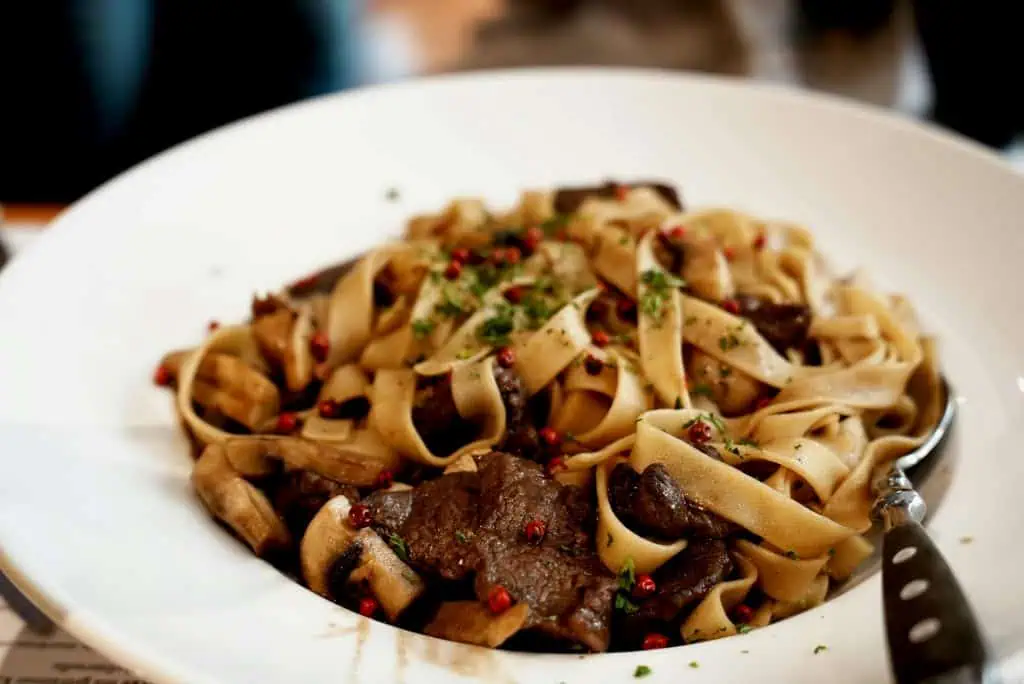
Ready-made frozen pasta dishes usually come drenched in creamy sauces and cheese, making them high in calories and saturated fat. Many also lack fiber and protein, leaving you feeling unsatisfied despite the calorie load. Dietitians suggest preparing pasta fresh with whole-grain noodles, vegetables, and lean protein for a more balanced and filling meal.
Frozen Meatballs
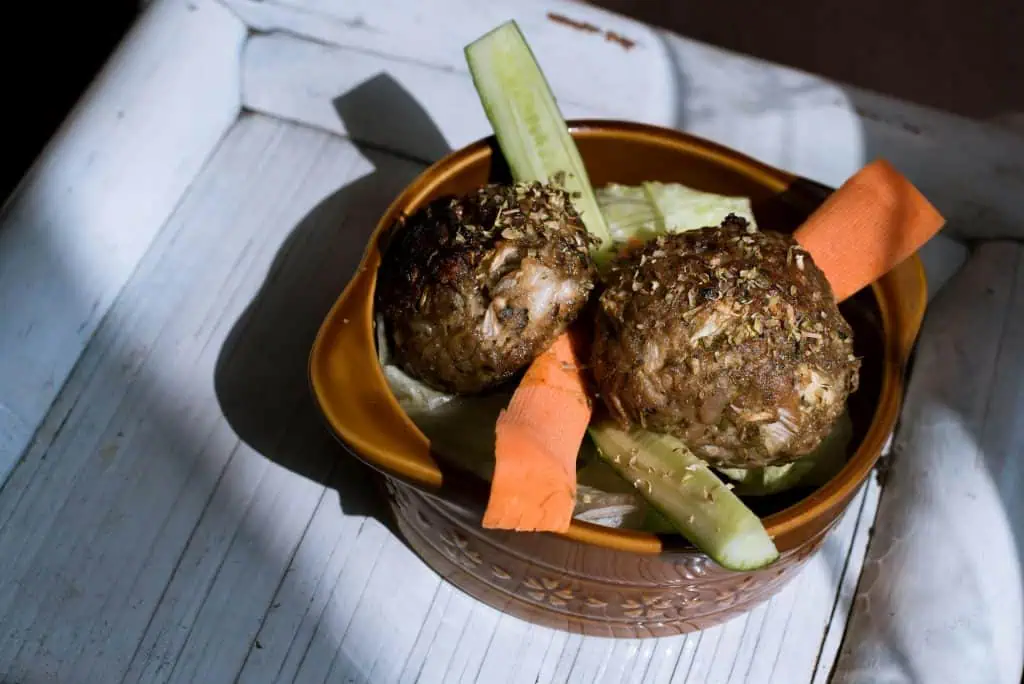
Frozen meatballs are a convenient shortcut, but they often contain fillers, preservatives, and high amounts of sodium. Some varieties use lower-quality cuts of meat, which add unhealthy fats without providing much nutrition. While they can save time in the kitchen, making meatballs at home with lean ground meat and herbs is both healthier and more flavorful.
Frozen Desserts

From ice cream to frozen pies, dessert options in the freezer aisle are typically loaded with added sugars and unhealthy fats. Regularly indulging in these treats can contribute to weight gain, blood sugar spikes, and other health issues. While enjoying them occasionally is fine, dietitians recommend focusing on fruit-based snacks or homemade desserts for everyday enjoyment.
Frozen TV Dinners
Classic frozen TV dinners are often highly processed and contain more sodium than an entire day’s worth of recommended intake. While they may offer portion control, the nutritional quality is usually poor, with minimal vegetables and lots of preservatives. Preparing simple meals in bulk and freezing portions at home is a healthier way to enjoy convenience without sacrificing nutrition.
Frozen Breaded Fish Fillets

Frozen breaded fish fillets are a quick dinner option, but the breading often contains refined flour and added oils, diminishing the health benefits of the fish itself. They can also be high in sodium and unhealthy fats. Baking fresh fish with herbs and lemon offers all the flavor and omega-3 benefits without the extra calories and additives.
