
I Ordered From the Same Restaurant Every Day for a Week: Here Are the 5 Things I Noticed
Ordering from the same restaurant every day sounds a little lazy, a little indulgent, and honestly pretty convenient. But after seven straight days of clicking reorder, I started noticing patterns that never stand out when a place is just an occasional treat. From portion size to packaging to the way my cravings shifted, this mini experiment turned into a surprisingly revealing look at what makes a restaurant feel reliable.
The first meal set the whole tone
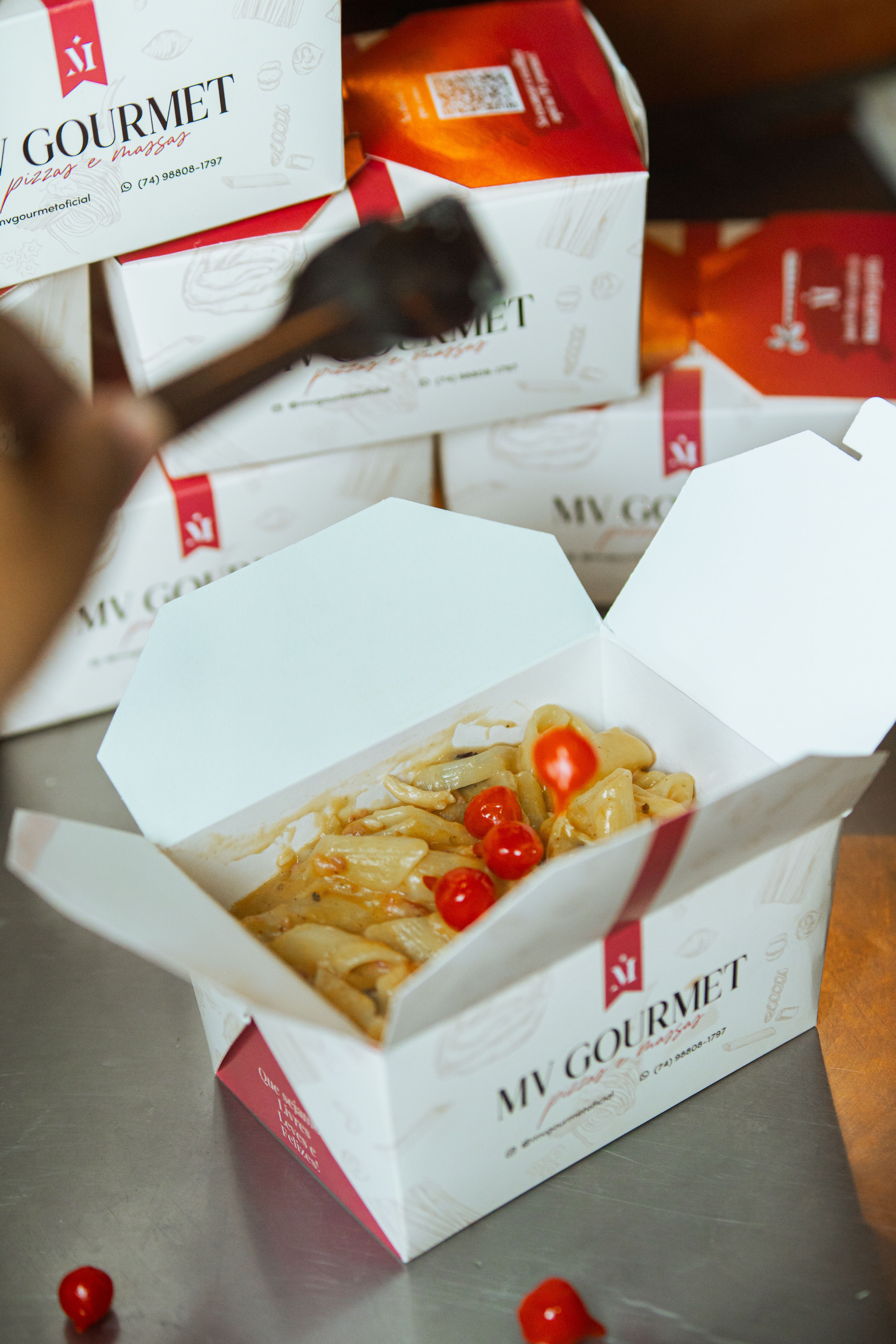
Day one felt like the restaurant at its absolute best. The food arrived hot, neatly packed, and just indulgent enough to make me feel very good about my decision to start this little experiment. Everything tasted balanced, like the kitchen knew exactly what it wanted each dish to be.
That first order also created the standard every other meal had to meet. Once you eat from the same place repeatedly, you stop asking, “Is this good?” and start asking, “Is this as good as Monday?” That shift is subtle, but it changes everything about how you judge consistency.
Consistency was harder to pull off than I expected
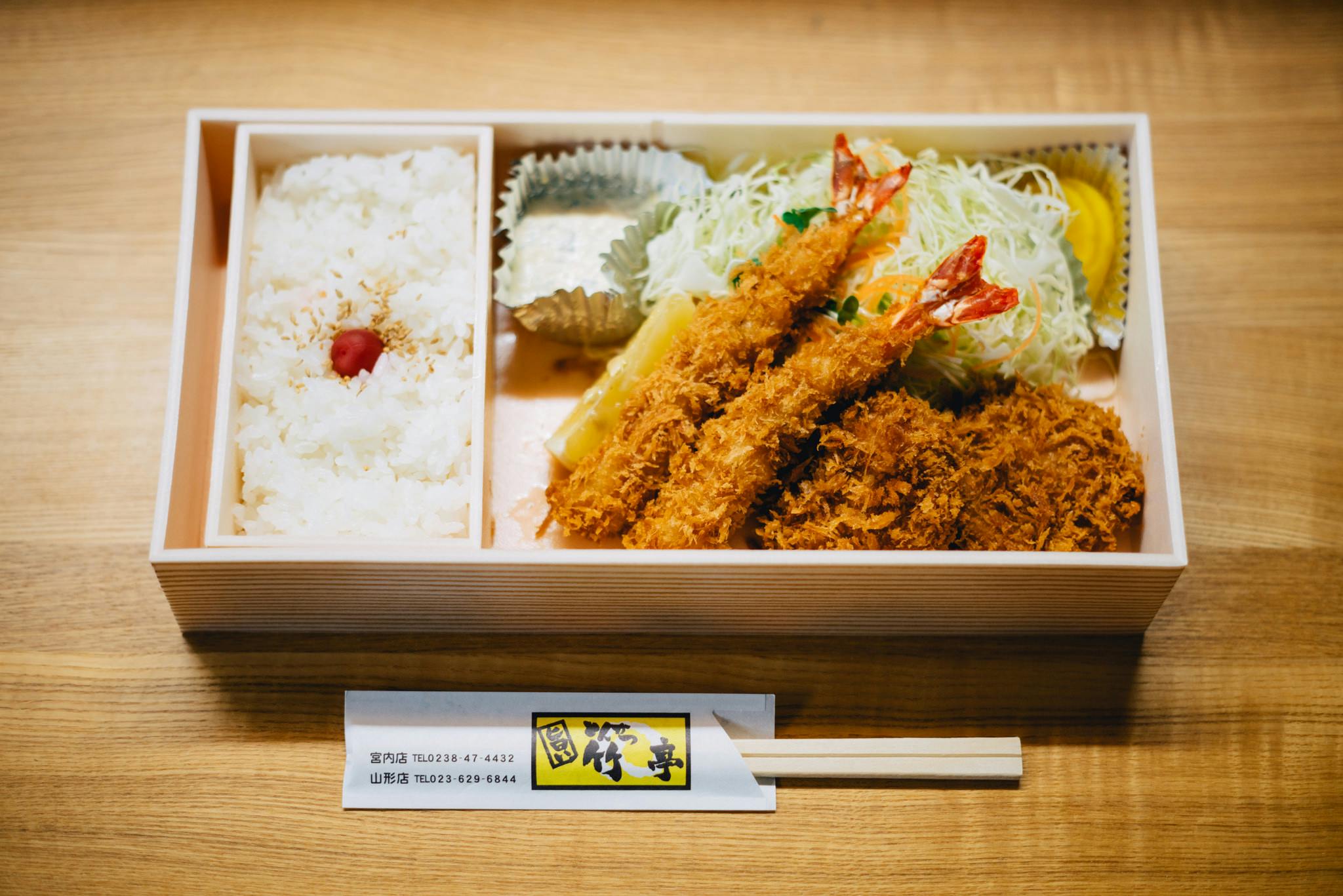
By the middle of the week, I realized the restaurant wasn’t serving the exact same version of each dish every time. One day the rice was fluffy and perfectly seasoned; another day it was a little clumpy. A sauce that tasted bright and punchy on Tuesday felt heavier by Thursday.
None of the meals were bad, which somehow made the differences more interesting. When you order once a month, those small fluctuations barely register. When you order daily, you notice every extra sprinkle of herbs, every slightly longer fry, and every time the kitchen seems more rushed than usual.
I started learning the menu’s safe bets

Some dishes clearly held up better than others. The restaurant’s staples, the things it probably makes nonstop, were almost always solid. The signature bowl, the house sandwich, the go-to noodle dish—those came out reliably satisfying, like they were built for repeat business.
The more adventurous items were a little shakier. They weren’t failures, but they felt less dialed in, like the kitchen shines brightest when it sticks to what regulars order all the time. By the end of the week, I could practically map the menu into categories: dependable comfort, occasional wildcard, and things best enjoyed only if you’re feeling lucky.
Portion size affected my opinion more than flavor did
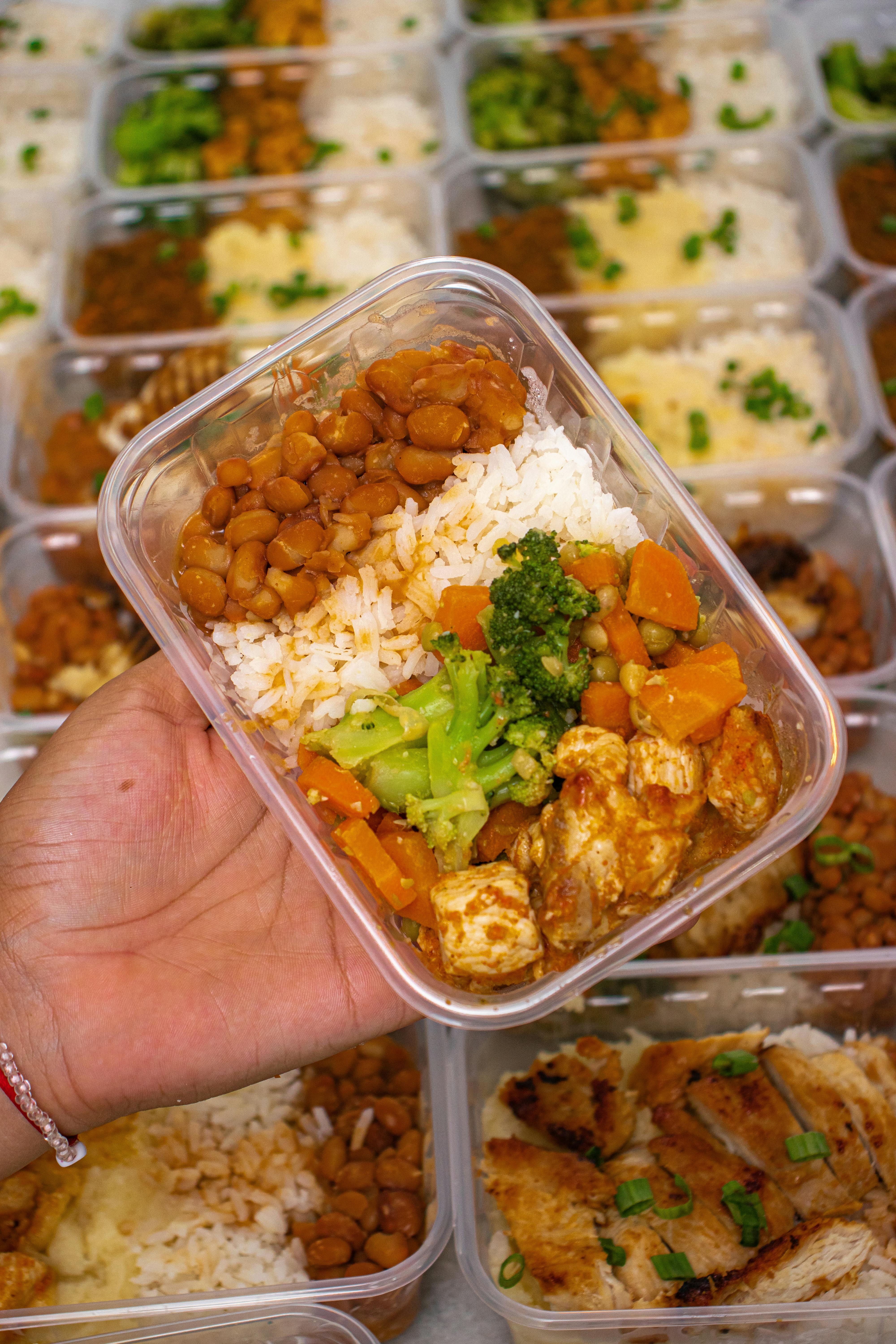
This was the surprise of the week. Even when the food tasted just about the same, I reacted very differently depending on how full the container looked. A generously packed order made the meal feel like a great value, while a lighter fill instantly made me more critical of everything else.
It turns out perception is powerful. If the fries spilled over the edge or the pasta looked abundant, I felt charmed. If the protein seemed skimpy, I started noticing every flaw, real or imagined. Repetition made that pattern impossible to ignore, and it reminded me how much value is visual before it is logical.
Packaging mattered a lot more by day five

At first, packaging just seemed like background noise. By day five, it was impossible to ignore. A container that trapped steam too well left crispy food limp. Sauces packed loosely created little disasters in the bag. Even the quality of napkins and utensils started to shape how polished the experience felt.
Good packaging made the restaurant seem thoughtful, almost premium. Bad packaging made even a decent meal feel tired before I took the first bite. Eating from the same place over and over revealed that takeout isn’t just about cooking well. It’s also about how well the food survives the trip to your door.
The service felt more personal with every order
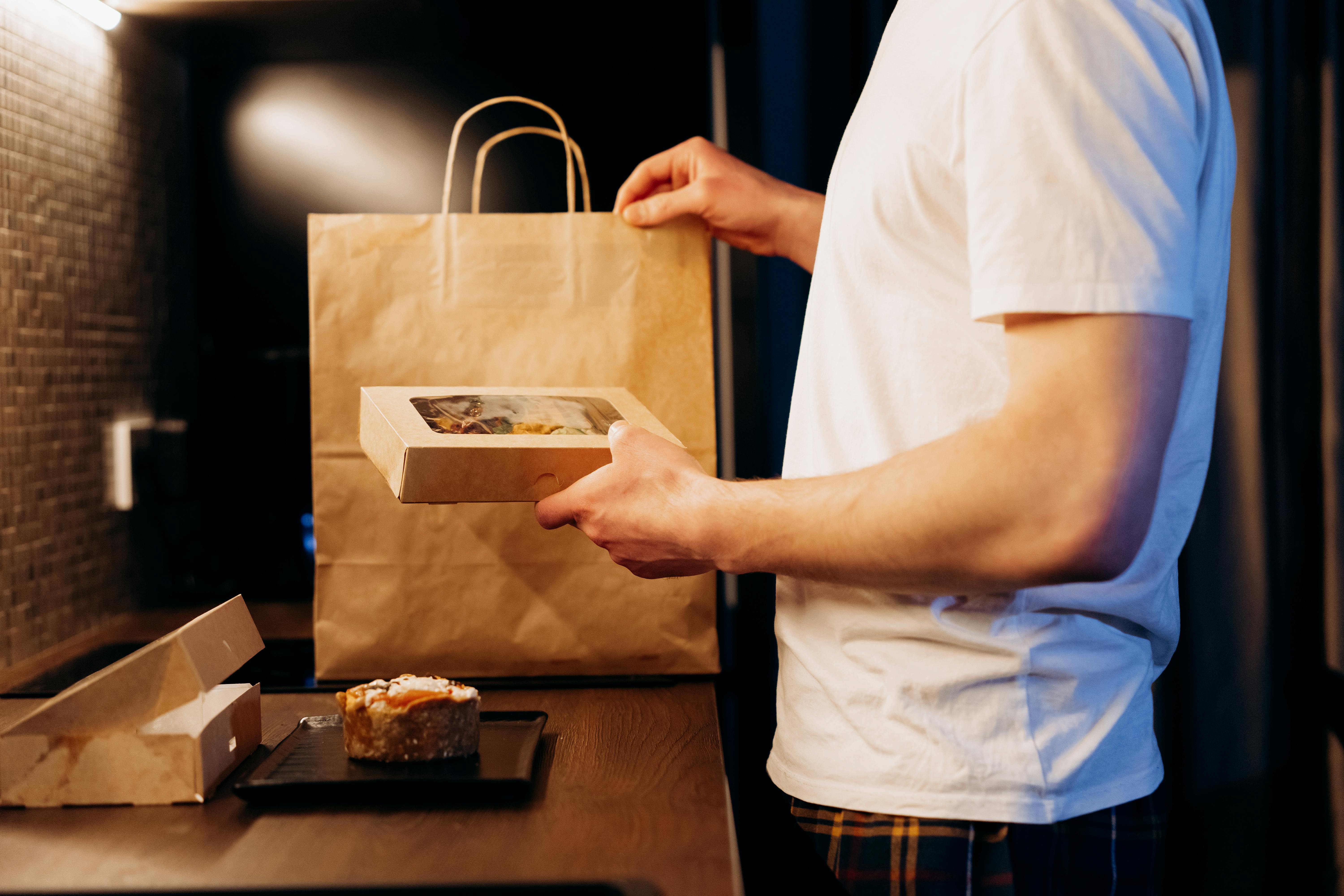
Somewhere around order four, I had the feeling the restaurant recognized me. Maybe it was the extra sauce tucked into the bag, maybe it was a note on the receipt, or maybe I was projecting a full relationship onto a week of takeout. Still, the rhythm of repeat ordering made the service feel warmer.
That familiarity matters more than people admit. Even small signs of recognition make a place feel dependable, like you’re not just another random ticket in the queue. It gave the whole experiment a neighborhood-spot energy, even though most of our interaction happened through an app and a front-door handoff.
My cravings changed once the novelty wore off
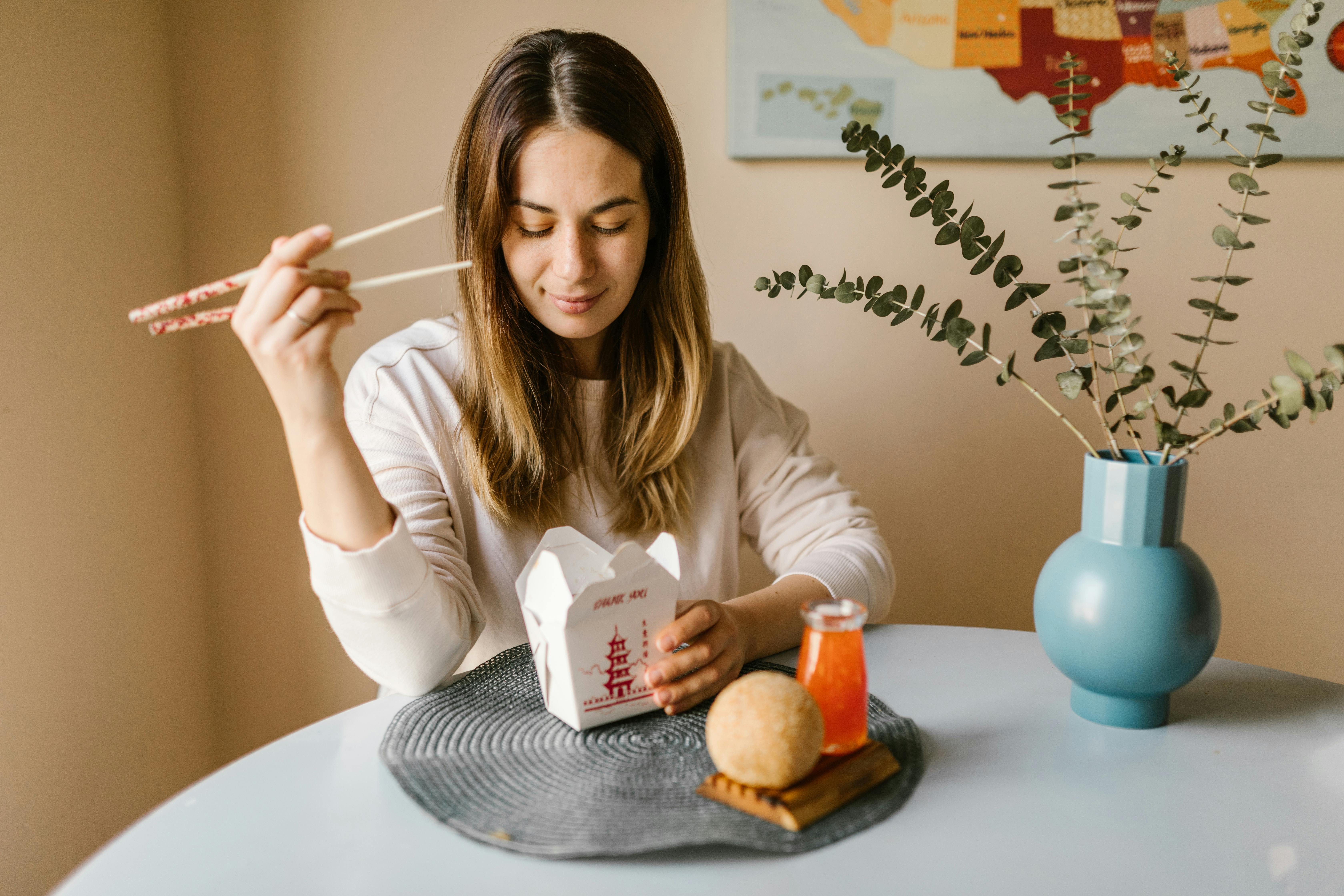
The biggest shift wasn’t in the restaurant at all—it was in me. By the end of the week, I no longer wanted the richest or most exciting thing on the menu. I started craving what felt easiest to eat, most comforting, and least likely to leave me in a post-lunch slump.
That changed how I thought about repeat orders. The best everyday restaurant meal isn’t always the flashiest one; it’s the one you can imagine eating on a Wednesday when you’re tired, busy, and not trying to be impressed. Familiarity stripped away the hype and left behind the dishes I’d actually come back for.
The week changed how I judge restaurants
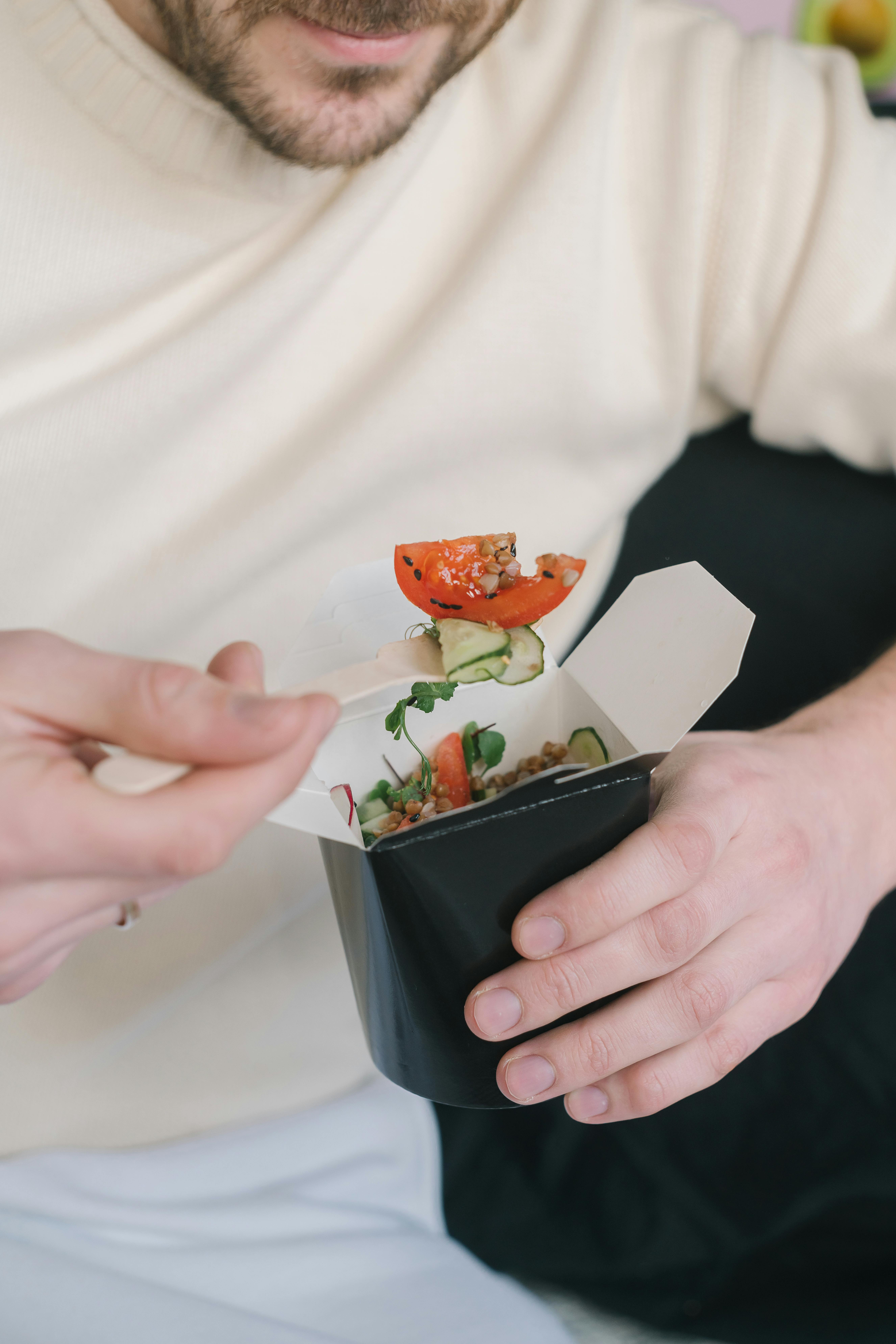
After seven days, I stopped thinking like a one-time customer and started thinking like a regular. A restaurant isn’t just one standout meal or one photogenic dish. It’s a pattern of small decisions: how steady the cooking is, how smart the packaging feels, how fair the portions look, and whether the experience holds up when the novelty disappears.
Would I do it again? Maybe not immediately. But the experiment made me appreciate consistency in a whole new way. The places worth returning to aren’t always the most dramatic. They’re the ones that keep showing up, meal after meal, exactly when you need them to.
