
Around the World in 15 Bites: Wild, Wonderful Dishes Worth Trying
Exploring global flavors can be a fascinating journey through unique ingredients and traditional techniques. “Around the World in 15 Bites: Wild, Wonderful Dishes Worth Trying” introduces you to some of the most intriguing and unconventional dishes celebrated in various cultures. Each recipe highlights the distinct preparation methods and specific culinary characteristics that contribute to its authenticity and allure. This guide offers insight into both familiar and daring flavors, inviting home cooks to expand their horizons and gain confidence in trying international delicacies.
Balut: A Delicate Filipino Delight

Balut is a beloved street food in the Philippines, consisting of a fertilized duck embryo, boiled and eaten directly from the shell. Focus on sourcing fresh balut from a reliable supplier to ensure quality and safety. Prepare it by gently boiling and seasoning with salt and a splash of vinegar. The texture is tender with rich umami flavors, offering a combination of soft yolk and delicate meat. Serve warm, appreciating its cultural significance and nuanced taste. Balut requires an adventurous palate, rewarding those who seek a taste deeply rooted in Filipino tradition.
Casu Marzu: Sardinia’s Peculiar Cheese

Casu Marzu translates to “rotten cheese” and is an artisanal delicacy from Sardinia. Made from sheep’s milk, it’s famous for containing live insect larvae that contribute to its intense flavor and creamy texture. If trying Casu Marzu, acquire it from reputable sources to ensure safety. The cheese is traditionally enjoyed on rustic bread, letting its strong, earthy aroma and pungent taste shine. Each bite is a balance of creaminess and zest, a testament to the craftsmanship and bold culinary practices of Sardinian cheesemakers, meant for the truly adventurous cheese lover.
Hakarl: Iceland’s Fermented Shark
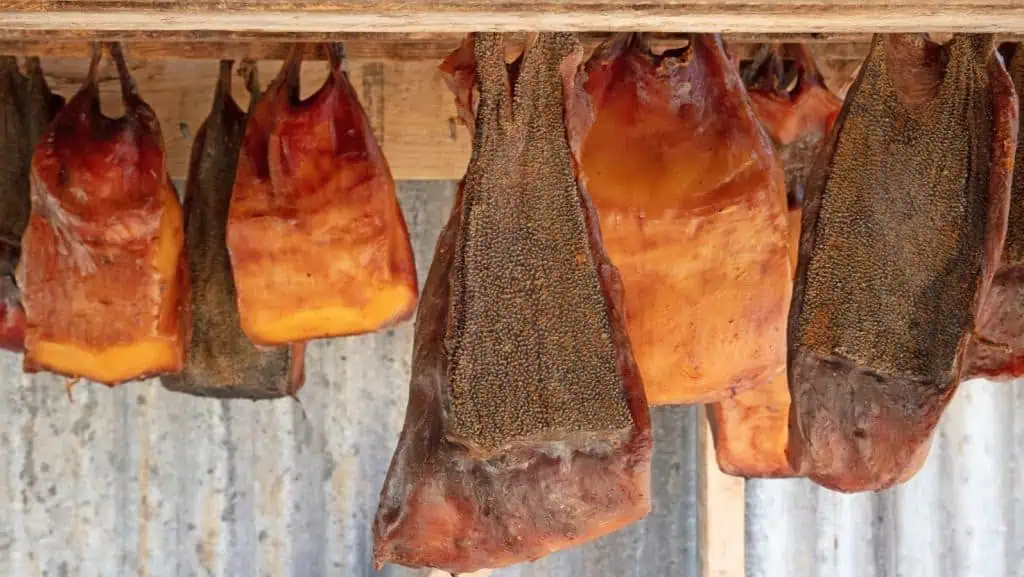
Hakarl is an Icelandic delicacy crafted from Greenland shark, requiring careful preparation to detoxify its flesh. The traditional fermentation process involves burying the shark under gravel and stones, followed by air drying for several months. The result is a dish with an ammonia-rich aroma and chewy texture. Slice thinly and serve alongside a chilled spirit like Brennivín to balance its intensity. Though its bold flavor may challenge newcomers, Hakarl offers a glimpse into Iceland’s extraordinary preservation techniques and resourceful culinary heritage, worth experiencing for those eager to explore deeply rooted Nordic traditions.
Surströmming: Sweden’s Pungent Fish
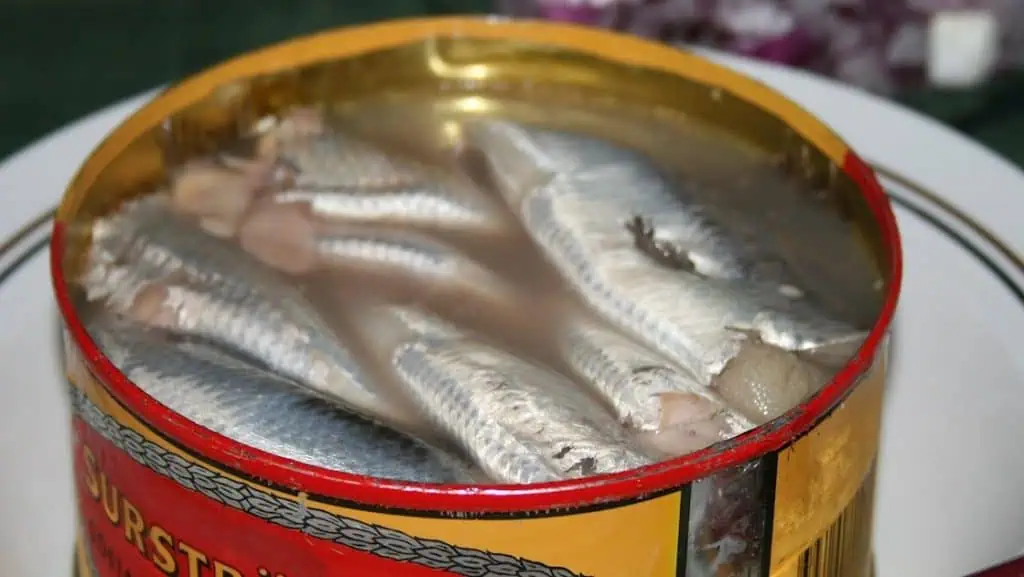
Surströmming, a renowned Swedish fermented herring, is celebrated for its potent odor and complex taste profile. To prepare, purchase canned surströmming and open it outdoors due to its strong scent. Serve with crispbread, red onion, and boiled potatoes for a traditional accompaniment that enhances the fish’s salty, tangy flavors. The fermentation process gives the herring a unique texture and deep umami character that brave diners appreciate. Serving surströmming is not just a meal but an experience, reflecting Sweden’s historical preservation methods and turning a peculiar aroma into a cultural celebration.
Fugu: Japan’s Risky Culinary Adventure

Fugu, or pufferfish, is celebrated as one of Japan’s most daring delicacies. It requires the skilled hands of a licensed chef to prepare it safely due to the presence of tetrodotoxin. Thinly sliced sashimi showcases fugu’s delicate texture, offering a subtle oceanic flavor with a hint of sweetness. The key lies in impeccable knife skills, ensuring each piece melts smoothly on the palate. Often paired with ponzu sauce, its acidity enhances the fish’s nuances. Each bite embodies the thrill of culinary precision, making fugu a true testament to Japanese gastronomy.
Huitlacoche: Mexico’s Corn Truffle
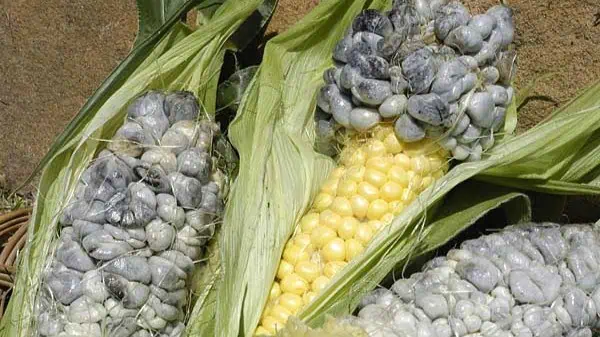
Huitlacoche, often called “corn smut,” transforms ordinary kernels into a gourmet ingredient renowned in Mexican cuisine. This fungus blooms inside the corn husk, turning kernels plump and blue-black. Its earthy, umami-rich flavor profile brings depth to dishes like quesadillas and tamales. Sautéed with garlic and onions, huitlacoche’s complex taste rivals that of mushrooms, offering notes of sweetness and smoke. Incorporating it requires gentle cooking over moderate heat to maintain its texture, turning it from an agricultural anomaly into a cherished delicacy.
Kopi Luwak: Indonesia’s Unique Brew
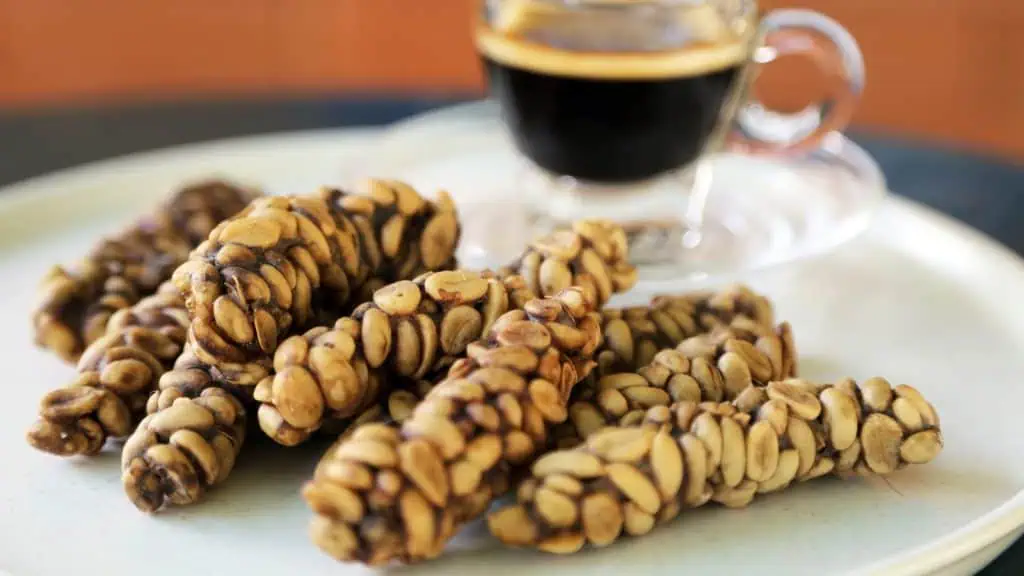
Kopi Luwak, Indonesia’s distinctive coffee, gains its unique qualities through an unusual process. Civets consume coffee cherries, which then ferment inside the animals before being collected, cleaned, and roasted. This method imparts a smooth, rich body with surprisingly mild acidity. Brewing at precise temperatures, around 194°F, helps to capture its nutty, aromatic qualities. Careful grinding and gentle brewing techniques are essential to maintain the beans’ integrity, allowing the complex notes of caramel and chocolate to come through. Each cup tells a story of tradition and curiosity.
Escamoles: Mexico’s Edible Insects

Escamoles, known as “insect caviar,” are ant larvae harvested from the roots of the agave plant. This Mexican delicacy presents a creamy, nutty flavor reminiscent of cottage cheese or young corn. Properly sautéed with fresh herbs like cilantro and epazote, they develop a delightful texture that’s both tender and slightly crunchy. Technique is key; gentle heat and minimal handling preserve their delicate structure. Typically served in tacos or alongside avocado, escamoles offer a textural contrast that highlights this ancient culinary tradition.
Sannakji: Korea’s Slippery Octopus

Sannakji features live octopus tentacles, expertly sliced and served immediately, celebrated for their freshness and unique dining experience. The tentacles continue to move, thanks to residual nerve activity, offering a fascinating textural interplay. Its subtle taste is best paired with sesame oil and salt, accentuating the octopus’s natural sweetness and brininess. Careful preparation involves delicate, precise cuts to ensure safety and enhance chewing ease. Each bite provides a lively culinary jolt, underscoring the harmony between freshness and tradition in Korean cuisine.
Century Egg: China’s Time-Honored Snack

Century eggs, also known as preserved eggs, are a Chinese culinary marvel. The preservation process involves encasing duck or chicken eggs in a mixture of clay, ash, salt, quicklime, and rice hulls for several weeks to months. This metamorphosis turns the egg white an amber jelly and the yolk into a creamy, pungent delight. To serve, rinse and peel the eggs, then slice them into wedges. Enjoy these with a drizzle of soy sauce and a dash of vinegar to enhance their umami depth, pairing perfectly with pickled ginger or shallots.
Durian Fruit: Southeast Asia’s Bold Flavor
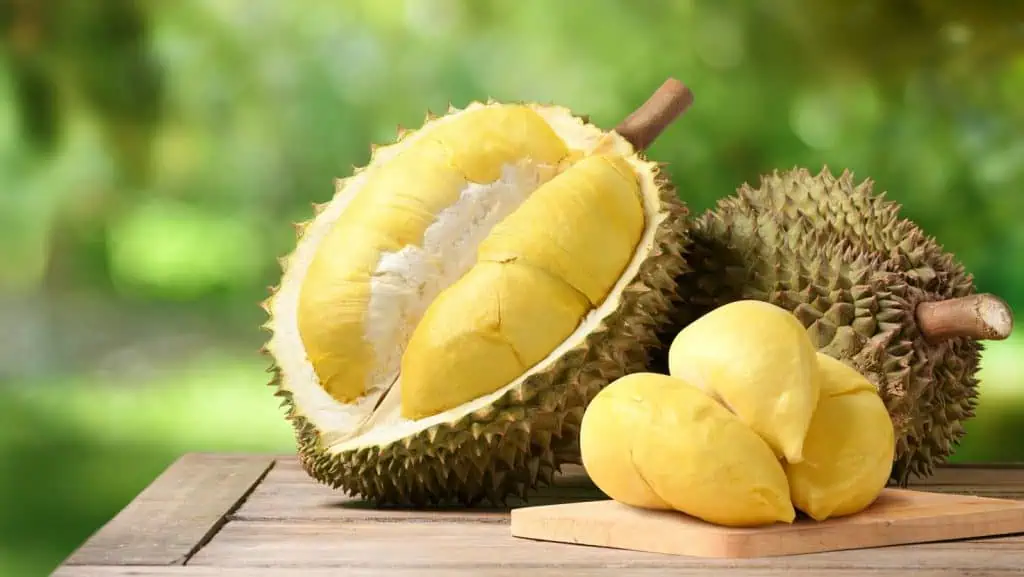
Durian, often called the “king of fruits,” offers a complex flavor profile beloved in Southeast Asia. Start by selecting a ripe durian, identifiable by its strong aroma and firm, thorn-covered husk. To open, use a sharp knife to cut along the natural seams, revealing custard-like pods. The flesh is creamy with notes ranging from sweet to savory. For a local touch, serve chilled or use it to make durian ice cream, pastries, or smoothies. Balancing its rich flavor with fresh coconut or sticky rice enhances its distinctive taste.
Mopane Worms: An African Crunch
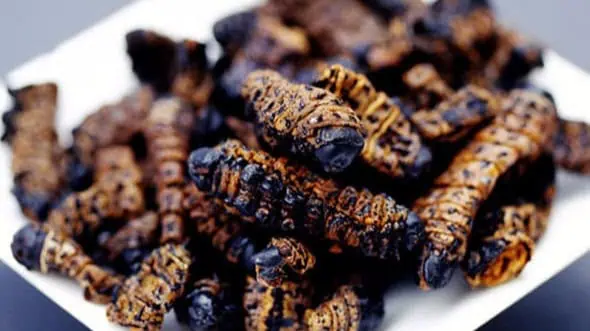
Mopane worms, a staple across Southern Africa, are harvested from mopane trees. Once collected, they are often gutted and boiled, then sun-dried or smoked for preservation. This process gives them a crunchy texture. To prepare, sauté in oil with sliced tomatoes, onions, and a pinch of chili to enhance their nutty, earthy flavors. Serve as a protein-rich snack or alongside a vegetable stew. Pairing with pap or rice balances their robust taste, making them an adventurous yet satisfying dish.
Fried Tarantulas: Cambodia’s Crispy Treat
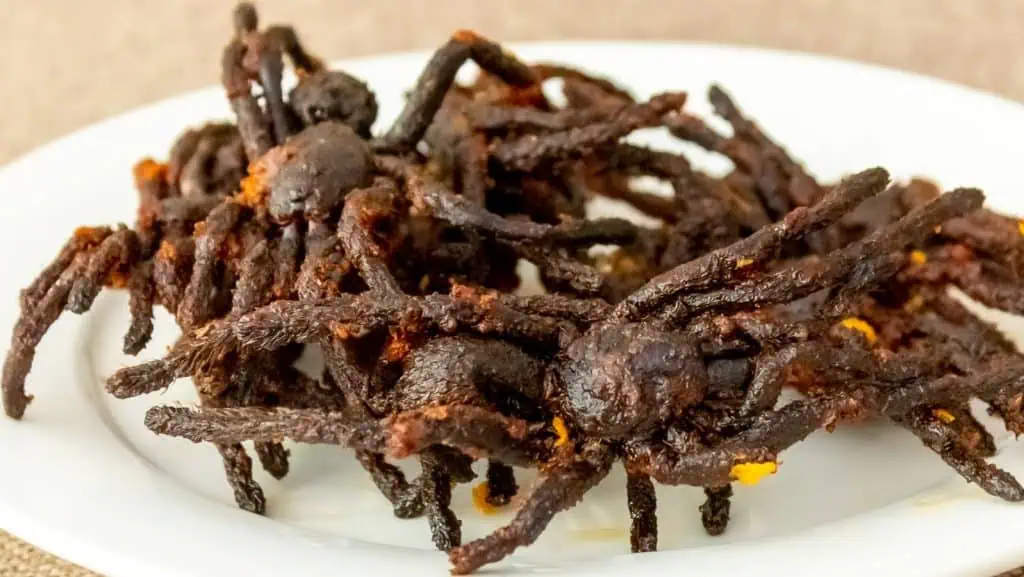
Fried tarantulas are a savory specialty in Cambodia, known for their crunchy texture. To prepare, clean the spiders by removing the abdominal web sac, then dry thoroughly. Heat vegetable oil in a deep pan until shimmering, and fry the spiders until they are golden brown and crispy. Season with a sprinkle of salt, garlic, and pepper while hot. The legs and body deliver a pleasing crunch, while the abdomen offers a soft contrast. Serve with lime wedges for a burst of acidity, creating an exciting street food experience.
Cheese Maggots: Delight or Disgust?

The controversial dish known as Casu Marzu is a cheese from Sardinia, distinguished by its unique ripening process involving live maggots. Crafted from sheep’s milk, this cheese undergoes fermentation beyond typical cheese formation. The larvae of the cheese fly, Piophila casei, are introduced, accelerating its decomposition. This process results in a creamy texture and pungent aroma, intended to be consumed as the maggots are still jumpingly active. To enjoy, slice the cheese thinly and pair with rustic bread. While not for the faint-hearted, this dish offers an intense flavor experience, boasting a mix of rich, tangy, and sharp notes. The dish’s legality varies, so purchasing in local markets often adds to the adventure of trying it.
Fufu and Egusi Soup: Nigerian Soup

Fufu is a starchy dough made from pounded cassava, often paired with egusi soup—a thick, savory stew made from ground melon seeds, leafy greens, and sometimes meat or fish. Eaten by hand, diners scoop the fufu into the soup for a rich, hearty bite. This iconic West African meal is loved for its deep flavor and comforting texture, and it’s a staple in Nigerian homes and celebrations.
