
Steakhouse Secrets: 6 Dishes Chefs Always Order and 4 They Avoid
Steakhouses promise indulgence sizzling meat, buttery sides, and the kind of old-school luxury few restaurants still deliver. But even the best menus have hits and misses, and chefs know exactly where to draw the line. From prime cuts that showcase skill to sides that rarely live up to the hype, industry pros have strong opinions about what’s worth your money. Here’s what chefs actually order at steakhouses and what they avoid at all costs.
6 Steaks Chefs Always Order

When chefs dine at a steakhouse, they treat the menu like a test of skill. The best cuts reveal precision, temperature control, and confidence on the grill. A well-seared steak with perfect marbling doesn’t need elaborate sides or sauces to impress, just expertise and respect for the meat. These six steaks are the ones culinary pros rely on to judge whether a kitchen truly knows its craft.
Ribeye Steak

Chefs almost unanimously agree that the ribeye is the star of any steakhouse. Its rich marbling delivers unbeatable juiciness and depth of flavor. Whether bone-in or boneless, it’s the perfect cut to showcase proper searing and seasoning. Ribeye balances tenderness and fat beautifully, giving every bite that signature buttery finish that defines a great steakhouse meal.
Porterhouse or T-Bone
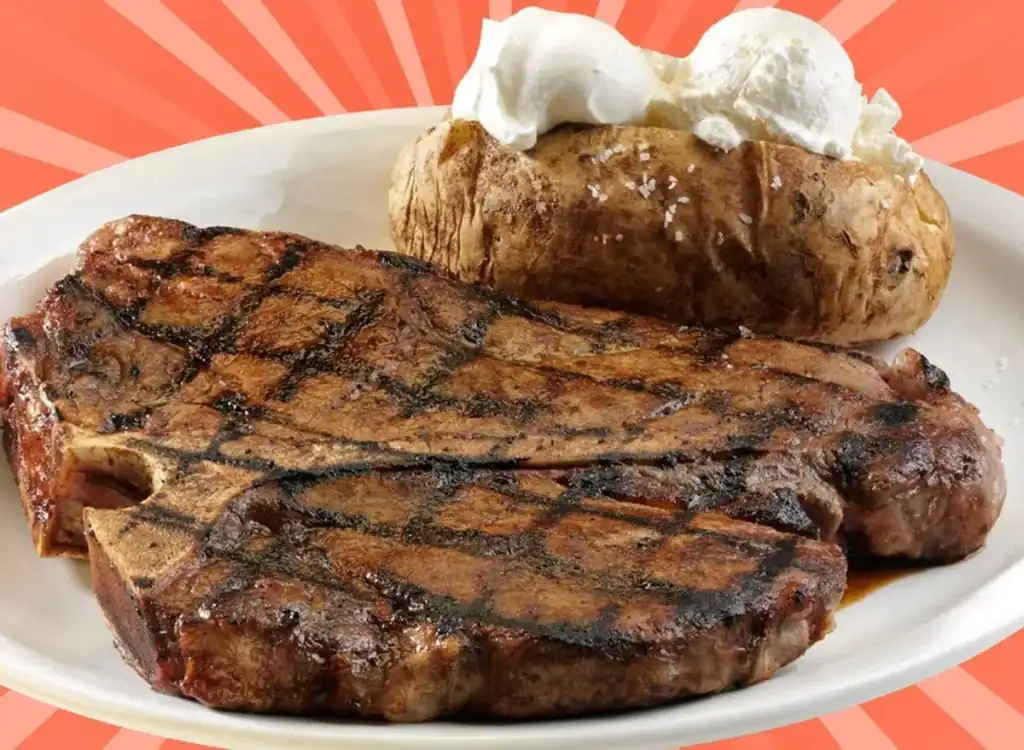
These dual-cut steaks offer the best of both worlds tenderloin on one side and strip steak on the other. When cooked right, the porterhouse gives you two distinct textures and flavors in one sizzling presentation. Chefs often order it to gauge how well a restaurant manages varying doneness across such a thick, challenging cut.
Dry-Aged Steaks

Dry-aging is a time-intensive process that enhances beef’s natural umami and tenderness. When a steakhouse invests in this technique, chefs take notice. Aged cuts, often matured for 21 to 45 days, deliver a nutty aroma and concentrated flavor that mass-market spots rarely achieve. It’s a mark of craftsmanship and quality worth paying for.
New York Strip
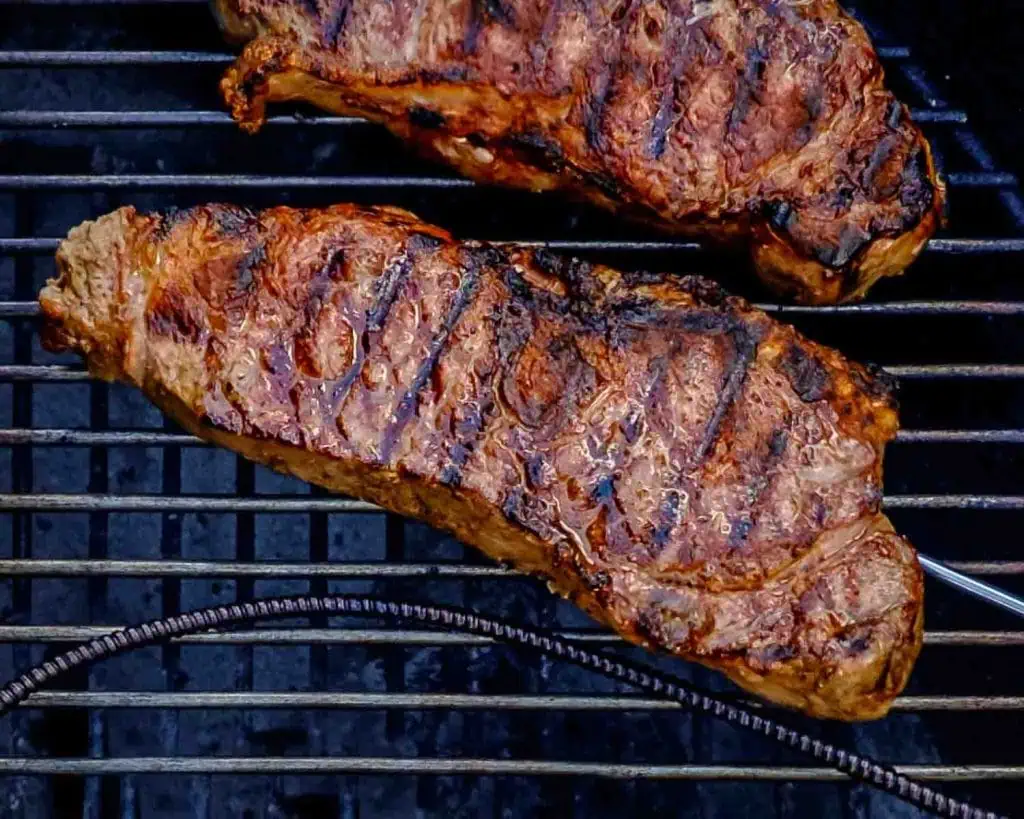
The New York strip is a timeless steakhouse classic that chefs trust for both flavor and consistency. Cut from the short loin, it strikes the perfect balance between tenderness and chew, with just enough marbling to stay juicy without being overly fatty. When seared over high heat, it forms a crisp, caramelized crust that locks in its bold, beefy flavor. Chefs often order it to judge a kitchen’s mastery of simplicity no tricks, just pure steak perfection.
Hanger Steak
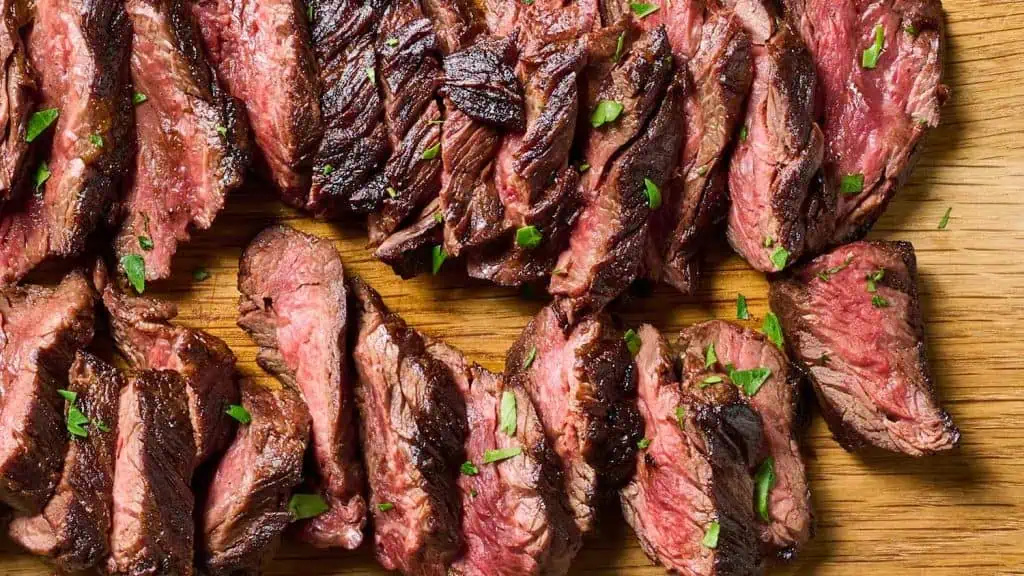
Often called the “butcher’s cut,” hanger steak has long been a chef’s secret favorite. It’s packed with deep, beefy flavor and a satisfying chew, offering more character than pricier cuts. Because of its loose grain, it soaks up marinades beautifully and shines when grilled or seared quickly. Chefs order it to gauge a kitchen’s respect for underrated ingredients proof that simple, affordable cuts can rival the finest steaks.
A Perfectly Cooked Strip Steak

The New York strip may seem basic, but its dense texture and bold beef flavor make it a chef favorite. It’s a true test of a steakhouse’s skill seasoning, temperature, and sear must all align. When executed properly, it offers the purest expression of beef without relying on excess fat or butter for flavor.
4 Dishes Chefs Avoid

Even in the finest steakhouses, not everything on the menu deserves attention. Chefs can spot shortcuts, overcompensation, and dishes that lean more on flash than flavor. From overloaded sides to overhyped signature cuts, some plates simply miss the mark. These four menu items may sound tempting, but insiders know they’re often warning signs of a restaurant trying too hard.
Filet Mignon

Though prized for tenderness, many chefs skip filet mignon because it lacks flavor compared to fattier cuts. It’s often overpriced for what it offers, relying on butter or sauces for taste. While it looks elegant on the menu, insiders know it’s not the best value or showcase of steakhouse expertise.
Surf and Turf

Steak and lobster sound luxurious, but most chefs avoid this combo. Lobster tails often arrive frozen, and the two proteins require drastically different cooking times. The result is usually overcooked lobster or underwhelming steak. Ordering them separately ensures both are treated with proper care.
Overly Dressed Salads

Loaded salads topped with bacon, cheese, and creamy dressings may feel indulgent, but they mask ingredients instead of enhancing them. Chefs prefer balance crisp lettuce, acidity, and texture. Excess dressing or processed toppings are signs a kitchen leans on shortcuts rather than fresh produce and precision.
Fancy Add-Ons and “Steak Enhancers”

From truffle oil to gold flakes, many “upgrades” add flash but little substance. Chefs warn against paying extra for gimmicks that overwhelm the meat’s natural flavor. A great steak doesn’t need foie gras butter or edible glitter just salt, heat, and proper aging. The simpler the preparation, the better the result.
