
10 Wild New Takes on “Fries” That Have Nothing to Do With Potatoes
Fries have long been defined by potatoes, but modern food culture is rapidly expanding what the word “fries” can mean. As diners seek variety, dietary alternatives, and new textures, chefs and food brands are applying fry-style preparation to unexpected ingredients. What unites these dishes is not the base ingredient but the familiar appeal of crisp exteriors, dippable shapes, and snackable formats. These potato-free fries reflect how culinary language evolves alongside eating habits, turning a classic comfort food concept into a flexible, ingredient-agnostic idea.
Zucchini Fries
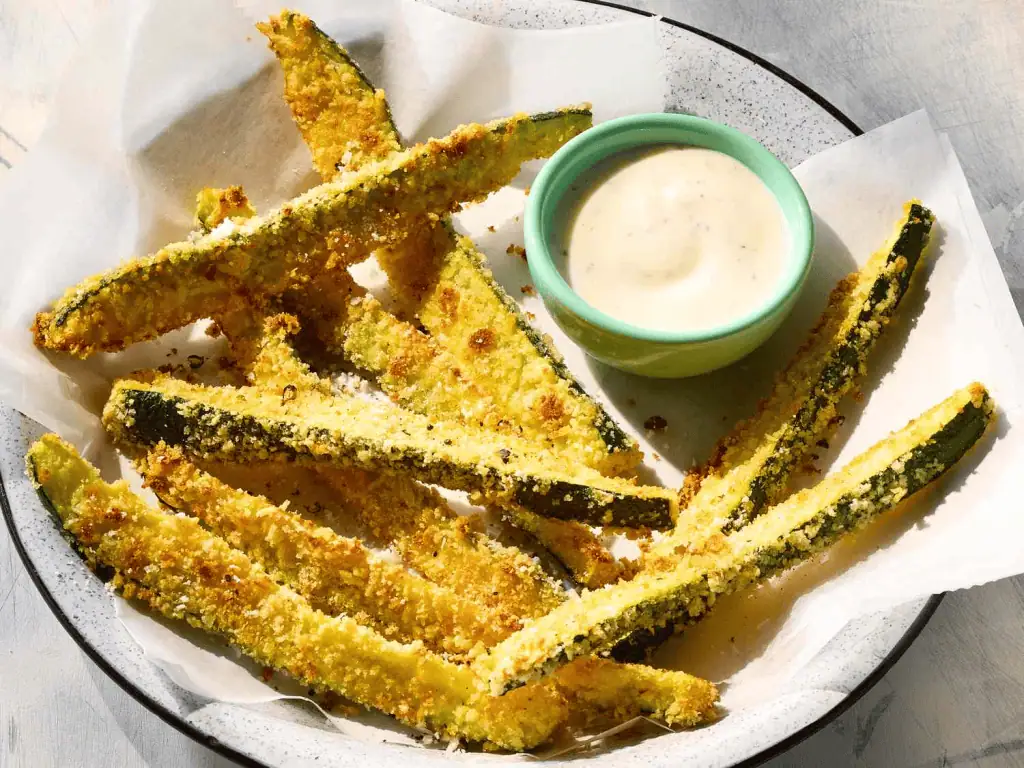
Zucchini fries have become one of the most common potato alternatives thanks to their mild flavor and ability to crisp when properly coated. Sliced into fry shapes and baked or air-fried, zucchini delivers a tender interior with a crunchy exterior when paired with breadcrumbs or batter. Their popularity reflects growing interest in vegetable-forward comfort foods that feel indulgent without heaviness. While lighter than traditional fries, they still satisfy the desire for dipping and crunch that defines the fry experience.
Avocado Fries
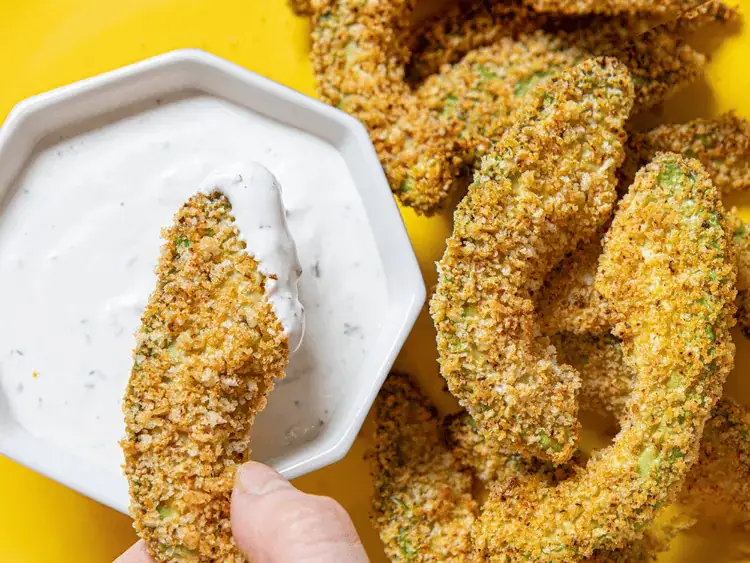
Avocado fries flip expectations by turning a soft, creamy fruit into a crisp snack. Thick slices are coated and fried or baked until the outside forms a golden crust while the interior remains rich and buttery. The contrast in texture is what makes them compelling, offering something potatoes cannot replicate. Avocado fries appeal to diners seeking novelty and indulgence at the same time, proving that fries no longer need starch to feel satisfying or crave-worthy.
Polenta Fries
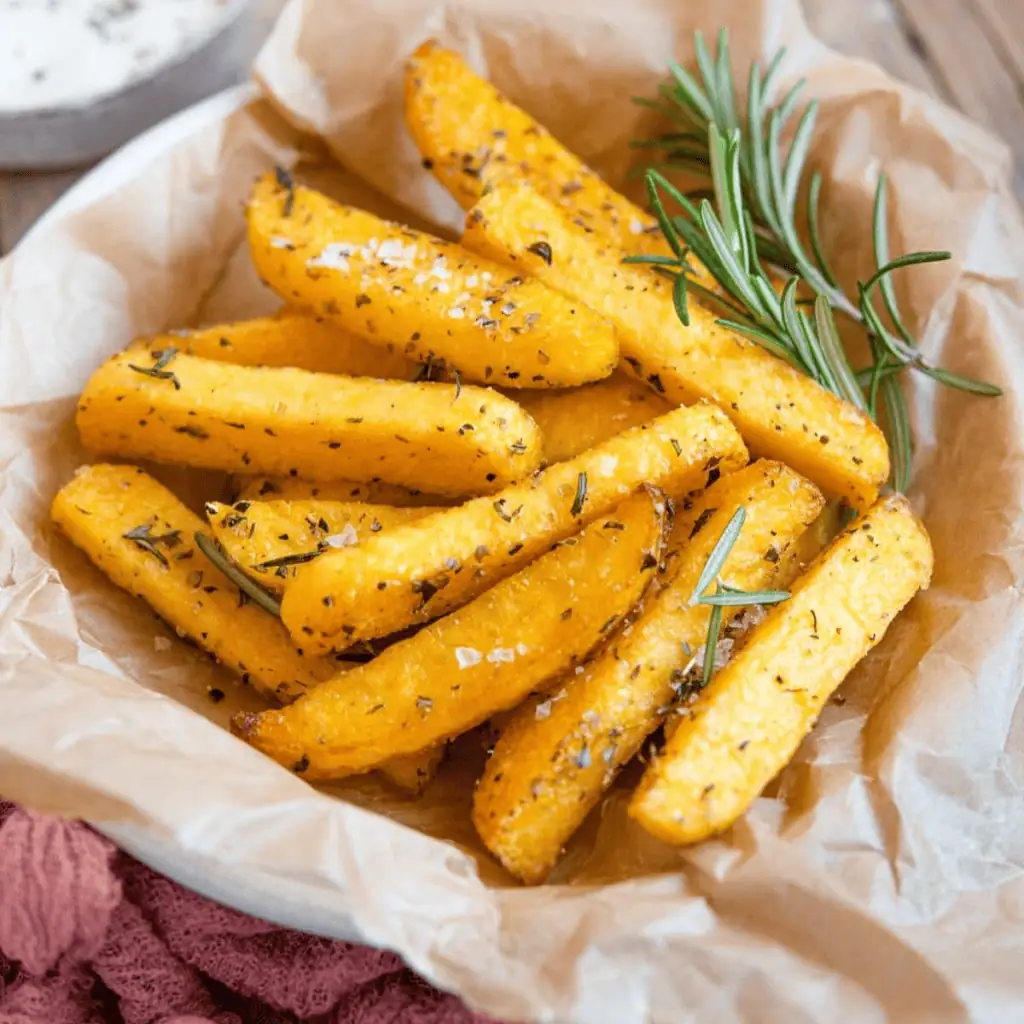
Polenta fries transform cooked cornmeal into firm slabs that can be sliced, fried, and crisped like traditional fries. Once cooled, polenta holds its shape well, developing a crunchy exterior and creamy center when cooked properly. These fries highlight how grains can substitute for potatoes while delivering familiar comfort. Their popularity often overlaps with gluten-free dining and Mediterranean-inspired menus, reinforcing how fry culture adapts across cuisines.
Halloumi Fries
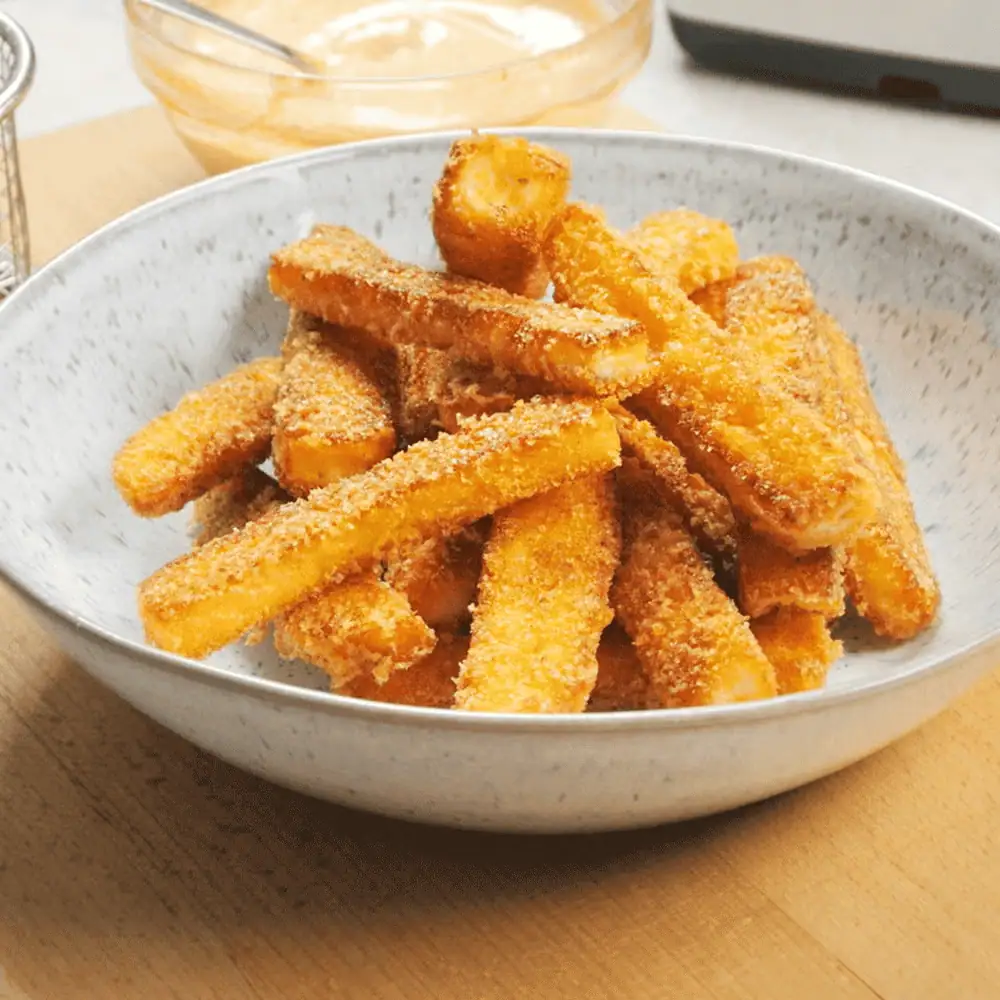
Halloumi fries replace starch entirely with cheese, offering a salty, chewy interior wrapped in a crisp shell. Because halloumi resists melting, it can be fried or baked without losing structure, making it ideal for fry-style preparation. These fries emphasize indulgence over nutrition, appealing to diners who want bold flavor and texture. Their rise reflects how the fry format can elevate premium ingredients rather than just serve as a side dish.
Carrot Fries
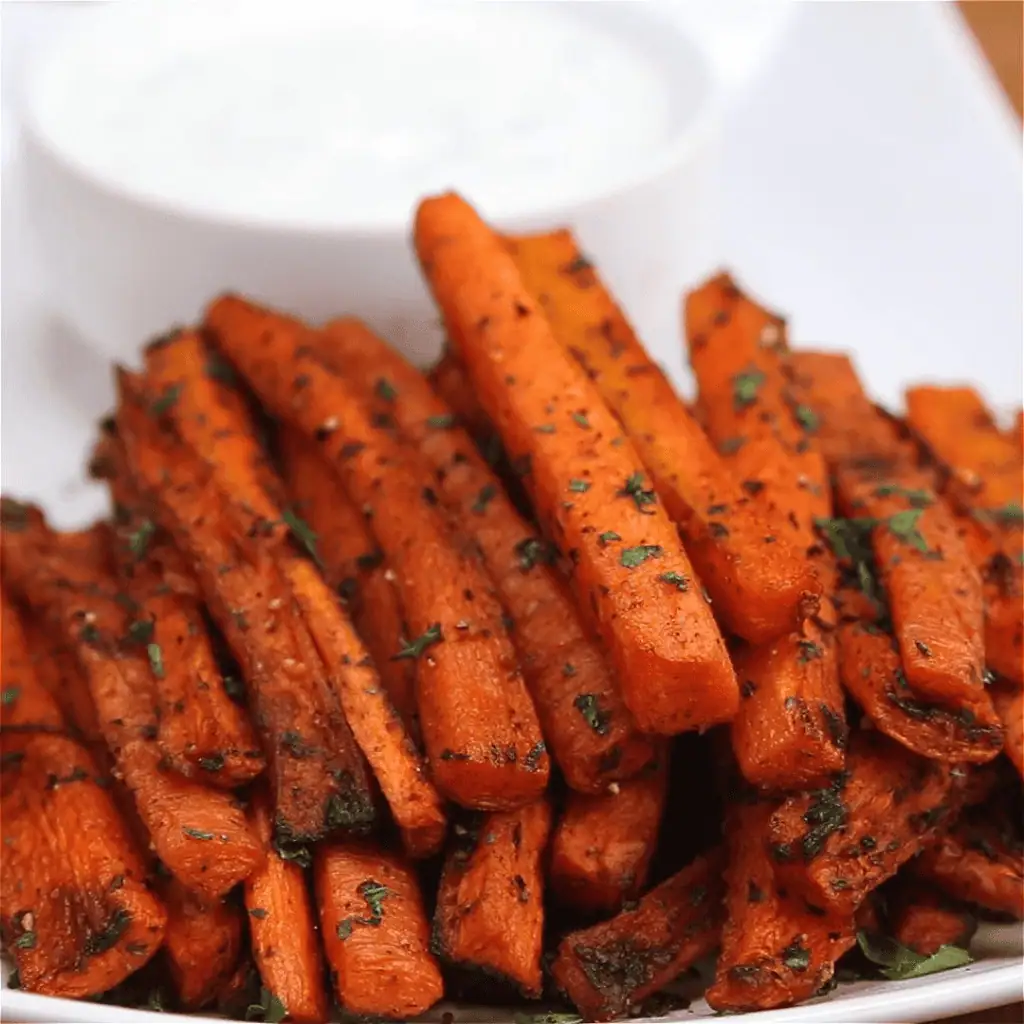
Carrot fries use natural sweetness and firm texture to create a fry alternative that balances crispness and softness. When roasted or air-fried, carrots caramelize slightly while maintaining a satisfying bite. Their vibrant color and subtle sweetness make them visually appealing and versatile with savory seasonings. Carrot fries demonstrate how familiar vegetables can be reimagined into snackable forms without pretending to be potatoes.
Chickpea Fries
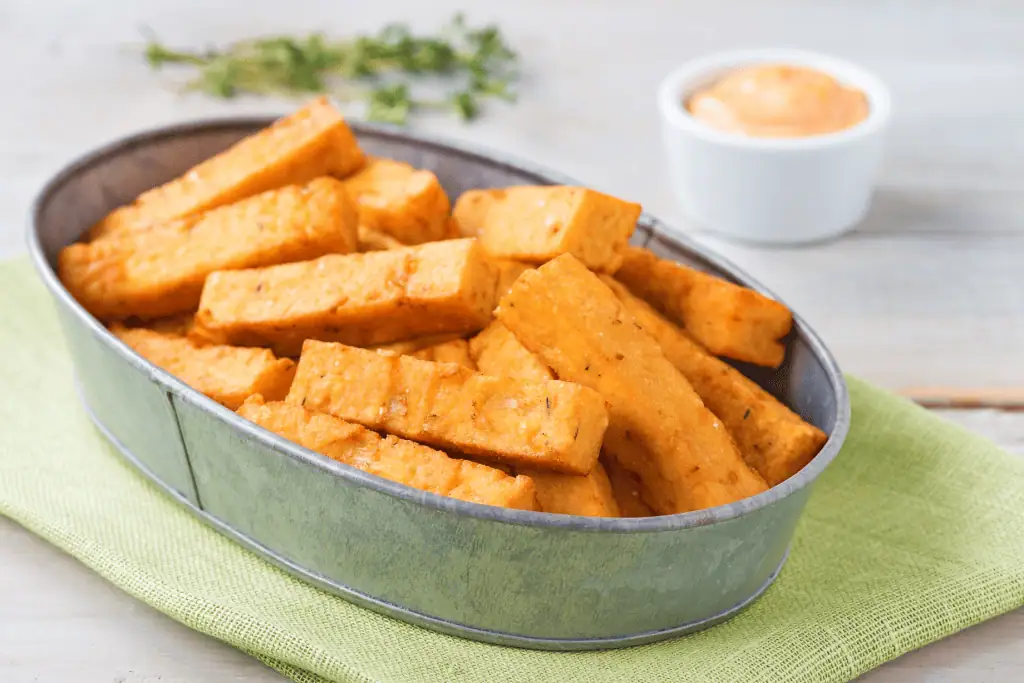
Chickpea fries are made from chickpea flour cooked into a dense batter, set, sliced, and fried or baked. Popular in Mediterranean cuisines, they offer a crisp exterior and creamy, protein-rich interior. Their structure allows for seasoning and dipping much like traditional fries. Chickpea fries highlight how legumes can step into comfort-food roles, appealing to diners interested in plant-based options that still feel filling and familiar.
Tofu Fries
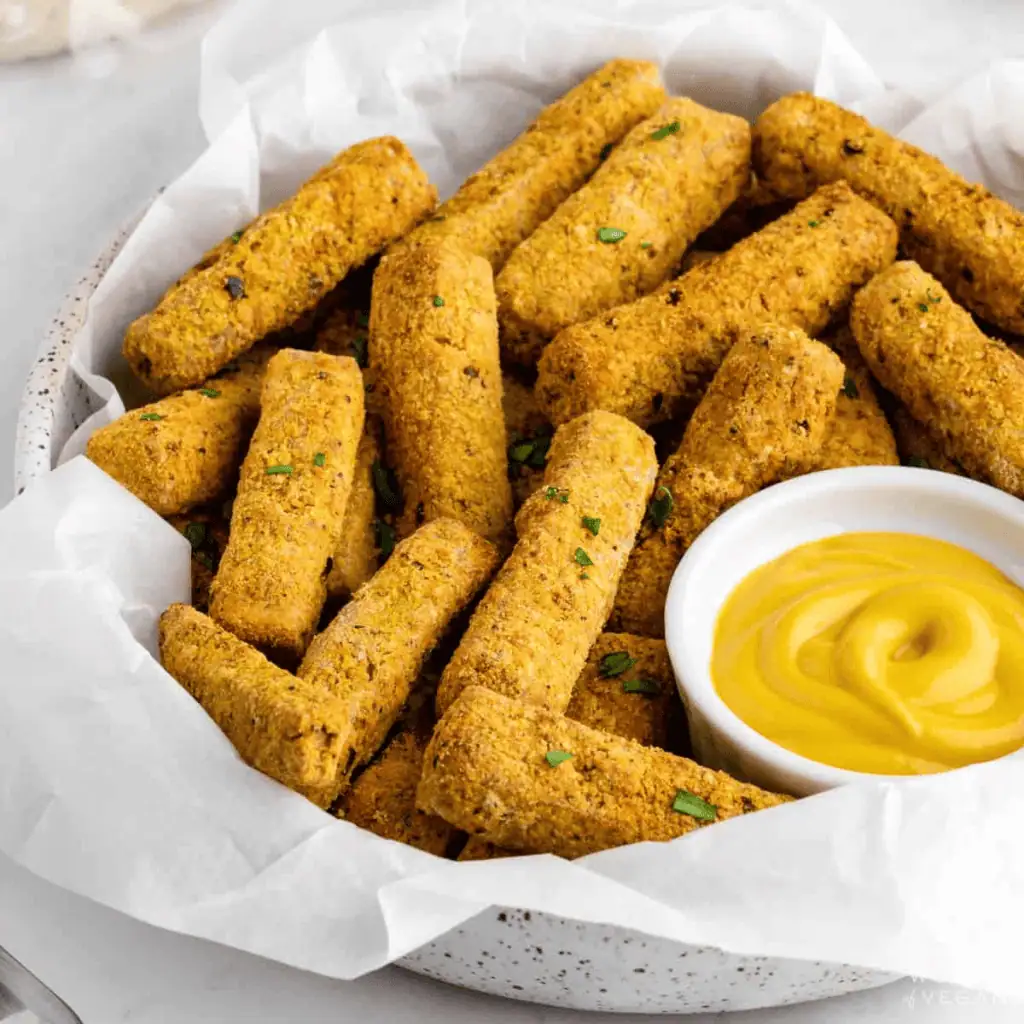
Tofu fries rely on pressing and seasoning tofu before cutting it into fry-like sticks and cooking until crisp. When done correctly, they deliver a crunchy exterior and tender center that absorbs sauces well. These fries are popular among plant-based eaters but also appeal to diners seeking high-protein alternatives. Tofu fries show how technique matters more than ingredients when recreating the fry experience without potatoes.
Apple Fries
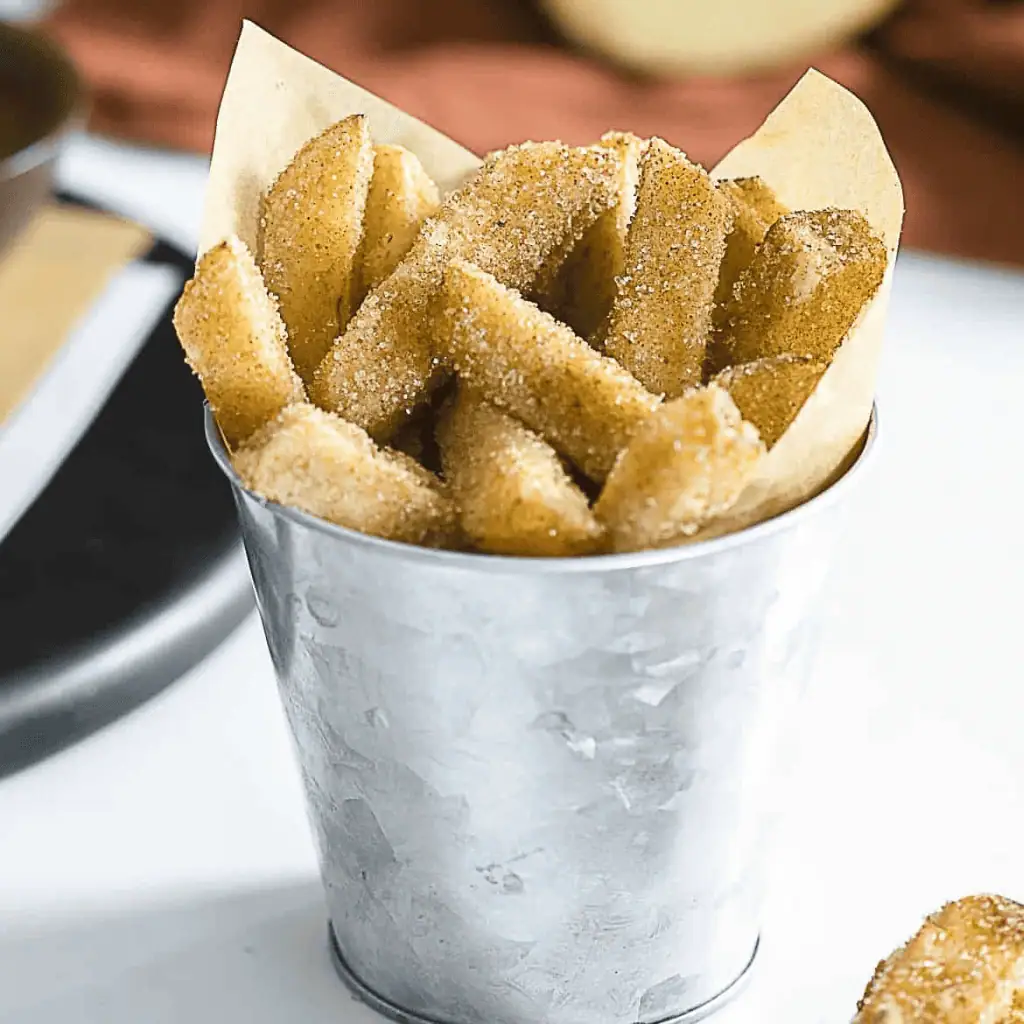
Apple fries turn fruit into a dessert-style fry by slicing apples into sticks and coating them lightly before baking or frying. The result is a crisp outside with a warm, soft interior that emphasizes natural sweetness. Often paired with cinnamon or caramel dips, apple fries expand the fry concept into sweet territory. Their appeal reflects how flexible fry culture has become across meal types.
Eggplant Fries
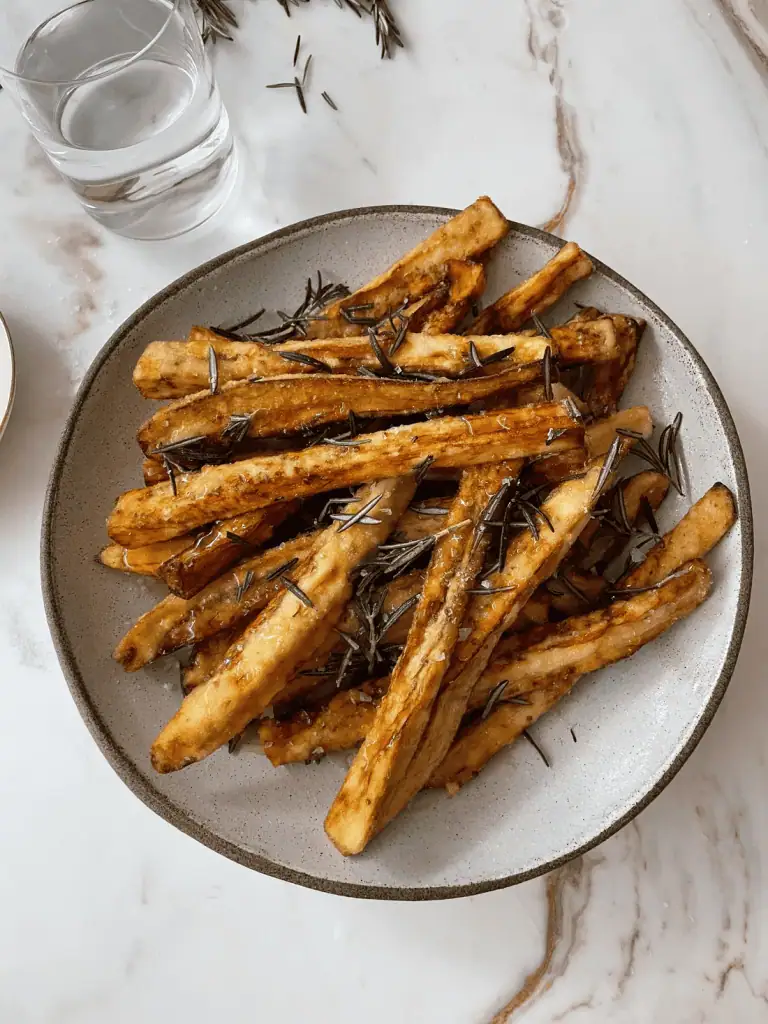
Eggplant fries take advantage of the vegetable’s ability to soften inside while crisping outside. When breaded and cooked, eggplant develops a rich texture that feels substantial without starch. These fries often appear in Mediterranean-inspired menus and home kitchens alike. Eggplant fries demonstrate how moisture-heavy vegetables can still succeed in fry form with proper preparation.
Rice Fries
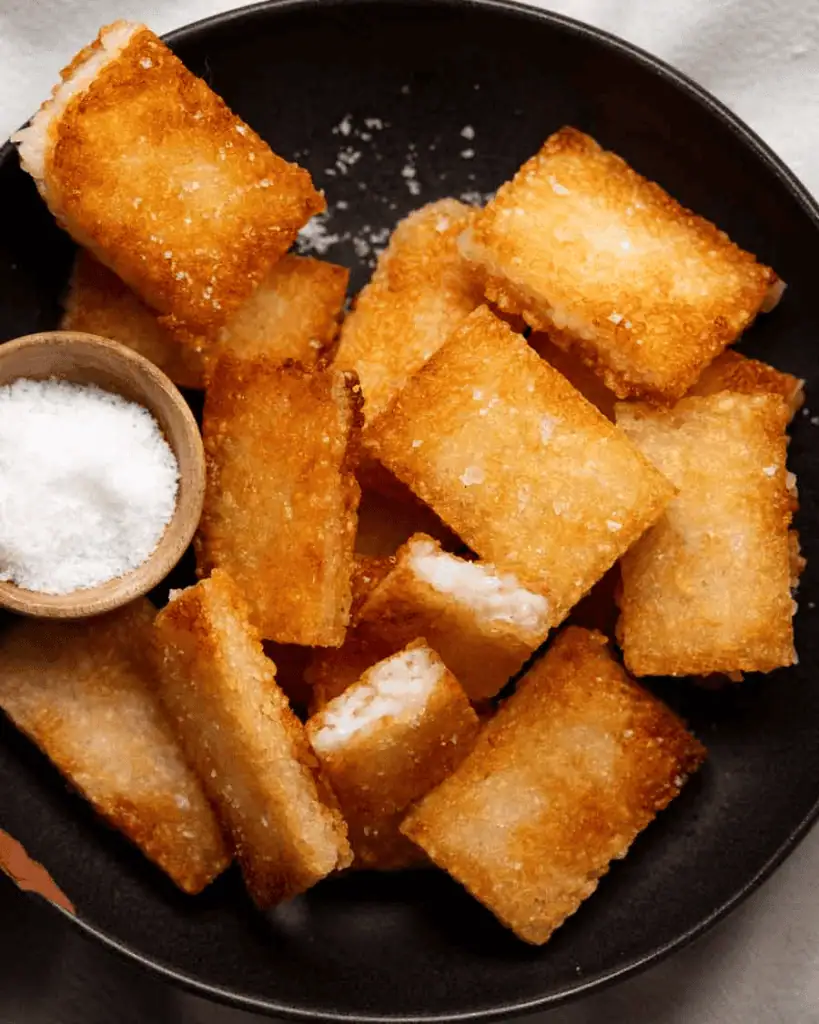
Rice fries are made by cooking rice into a firm block, chilling it, and cutting it into fry shapes before frying. This technique creates a crisp shell with a chewy, dense interior unlike any potato fry. Popular in fusion cooking, rice fries highlight how leftover grains can be repurposed creatively. They reflect how fry culture encourages experimentation beyond traditional ingredients.
