
These 9 Popular Foods Are Illegal to Eat in Some American States
While the United States boasts a diverse culinary scene, certain foods are restricted in various states, reflecting a blend of cultural, ethical, and health considerations. These prohibitions often stem from local regulations or broader ethical debates, impacting what residents might find on their tables. Delving into these restrictions offers insight into how food traditions intersect with law, revealing the complexities behind what we choose to eat—or not eat.
Foie Gras: The Controversial Delicacy

Foie gras, made from the liver of specially fattened ducks or geese, is either a culinary delight or ethical concern, depending on one’s perspective. Banned in states like California due to the force-feeding process involved, controversy arises from animal rights considerations. Legislation reflects the tension between traditional French gastronomy and modern understanding of animal welfare. Those passionate about both sides advocate for either the protection of culinary heritage or the adoption of more humane farming practices.
Raw Milk: A Nutritional Debate

Raw milk is prized by some for its creamy texture and claimed health benefits, but is contentious due to safety concerns. Prohibited in states such as Iowa for direct consumer sale, the debate often centers on the risk of pathogens like E. coli and Salmonella versus the potential preservation of beneficial enzymes and probiotics. Home cooks interested in raw milk sometimes seek out herd shares or travel to nearby states where it’s legal, underscoring a commitment to their preferred dietary choices.
Shark Fins: The Soup That’s Banned

The use of shark fins in soups is illegal in several states, including New York and California, primarily due to conservation efforts and ethical concerns over finning practices. This dish, considered luxurious within certain cultures, faces backlash due to the significant impact on shark populations and the environment. Consequently, culinary experts advocate for alternatives that maintain the traditional flavor profiles while supporting sustainable seafood practices, emphasizing innovative cooking approaches.
Horse Meat: Equine Eating Laws
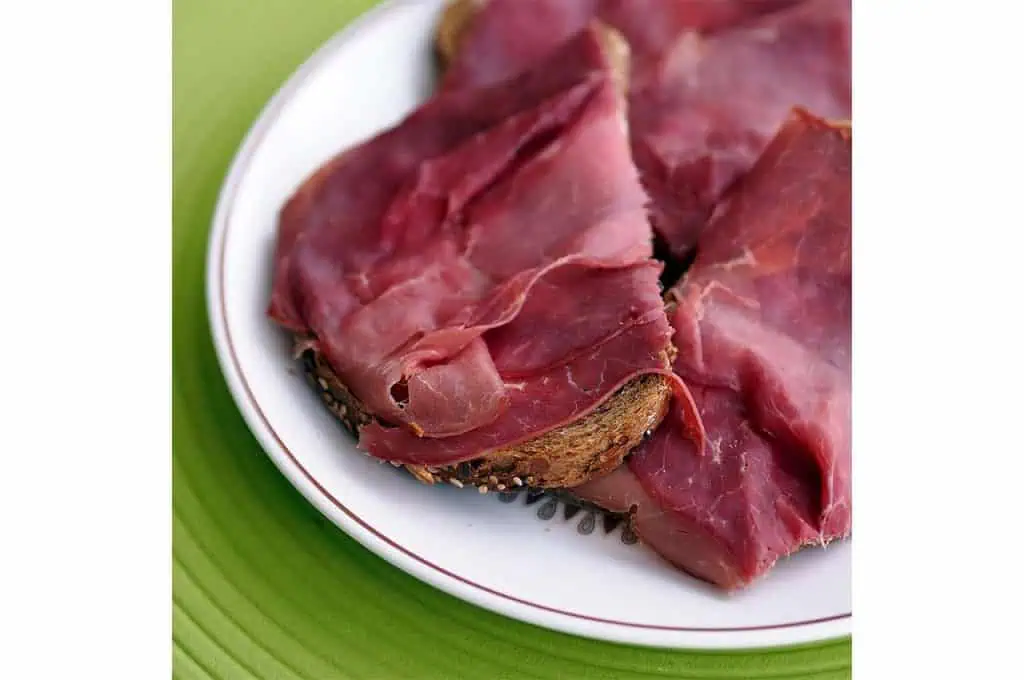
Horse meat is a taboo subject for many Americans yet is commonplace in other parts of the world. The sale of horse meat is restricted in states like California and Illinois due to cultural perceptions and animal welfare concerns. The controversy includes ethical dimensions about the humane treatment of horses and the global variance in viewing certain animals as food. Despite legal limits, the discussion around horse meat often stirs dialogue on cultural culinary acceptance and personal dietary preferences.
Haggis: Scotland’s Banned Dish
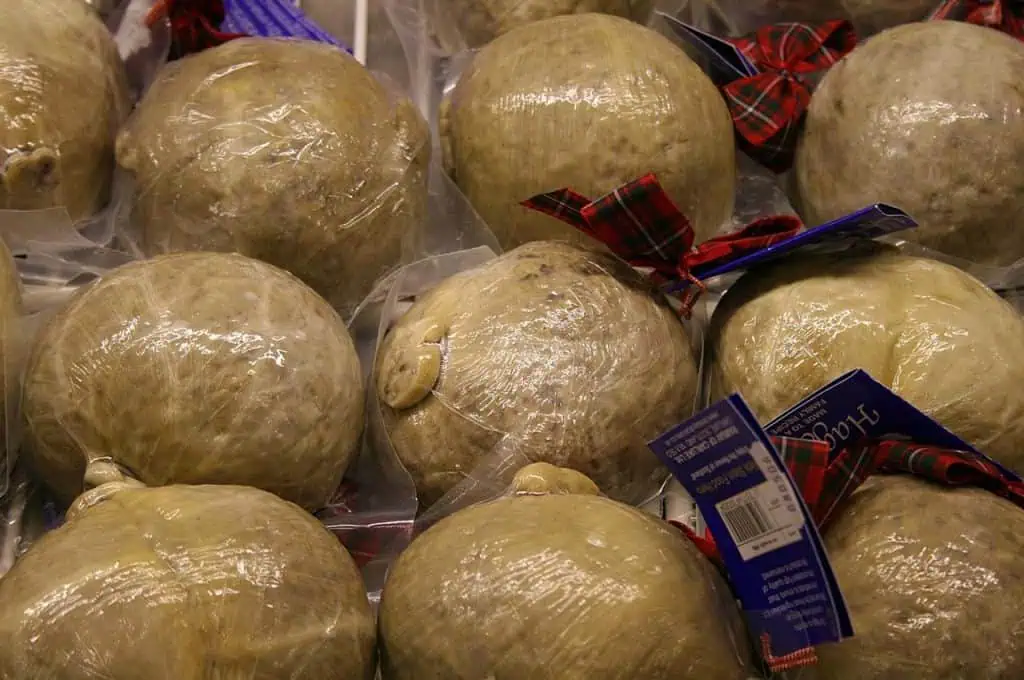
Haggis, a classic Scottish delicacy, remains off-limits in the U.S. due to its use of sheep lung. This ingredient is banned by the FDA for health and safety reasons. Skilled cooks prepare haggis by stuffing a mixture of minced sheep’s heart, liver, and lungs, seasoned with onion, oatmeal, suet, and spices into a sheep’s stomach, then simmering it slowly. The dish is renowned for its earthy, peppery taste and dense, crumbly texture. Although U.S.-made versions are available, often substituting lung with more accessible ingredients, traditionalists argue that they lack the authentic depth of flavor.
Kinder Eggs: The Toy Inside Trouble
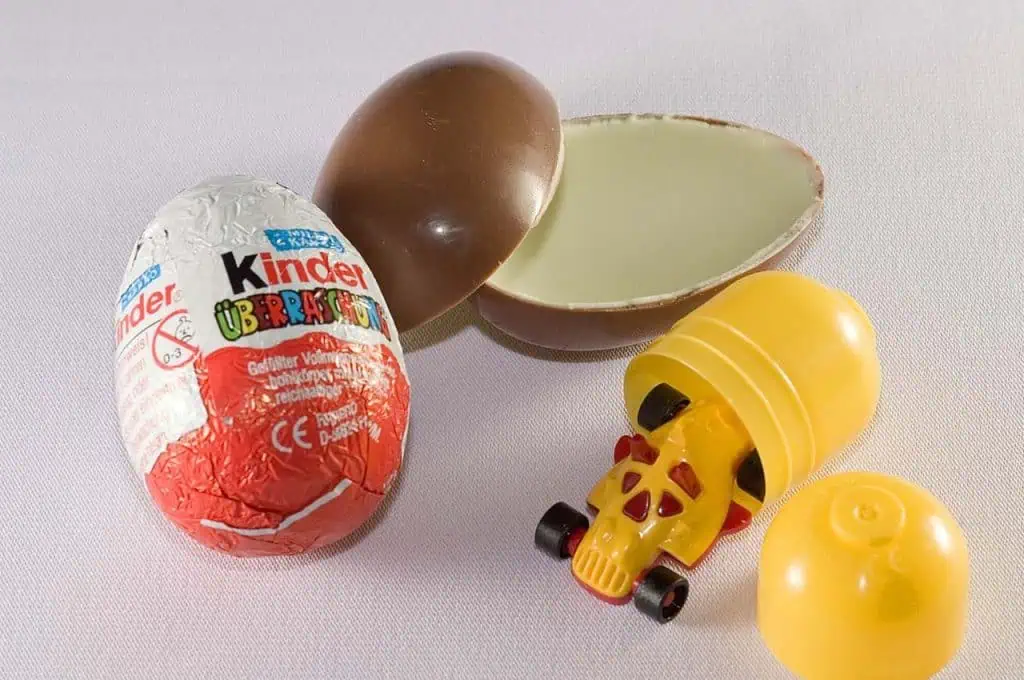
Kinder Eggs, the Italian chocolate treats with a hidden toy, are banned in the United States because of laws prohibiting non-nutritive objects embedded in food. Despite their playful allure, concerns arise from potential choking hazards. Confectionery enthusiasts appreciate the creamy milk and dark chocolate blend, encapsulating a small toy within a plastic capsule. The brightly colored packaging and element of surprise add to their charm. In the U.S., Kinder Joy attempts to capture similar enjoyment with separate chocolate and toy compartments, ensuring safety while maintaining the whimsical experience.
Sassafras Oil: Folk Remedy Restriction

Once a staple in root beer and praised for its aromatic profile, sassafras oil faces prohibition due to safrole, a compound deemed carcinogenic. Traditionally, sassafras lends a warm, slightly spiced flavor perfect for infusions and teas. Modern cooks seeking authentic flavor will often turn to safrole-free extracts available in specialty stores. Those who remember its distinctive taste recall notes of anise and licorice, which lend depth to desserts and beverages. Manufacturers now employ alternative blends to mimic its essence without the associated health risks.
Ortolan Bunting: The Forbidden Feast

Ortolan bunting, a delicacy in French gastronomy, is forbidden due to conservation efforts and ethical concerns surrounding its preparation. Historically, the small bird is caught, fattened, and drowned in Armagnac, a method both unlawful and controversial. Served whole, it’s traditionally consumed under a napkin, enhancing aroma and privacy. Though celebrated for its rich, complex flavor profile with hints of hazelnut, experiencing ortolan is steeped in ethical debate. The focus now shifts to sustaining culinary traditions that respect animal welfare, urging enthusiasts to seek sustainable alternatives.
Beluga Caviar: The Endangered Luxury
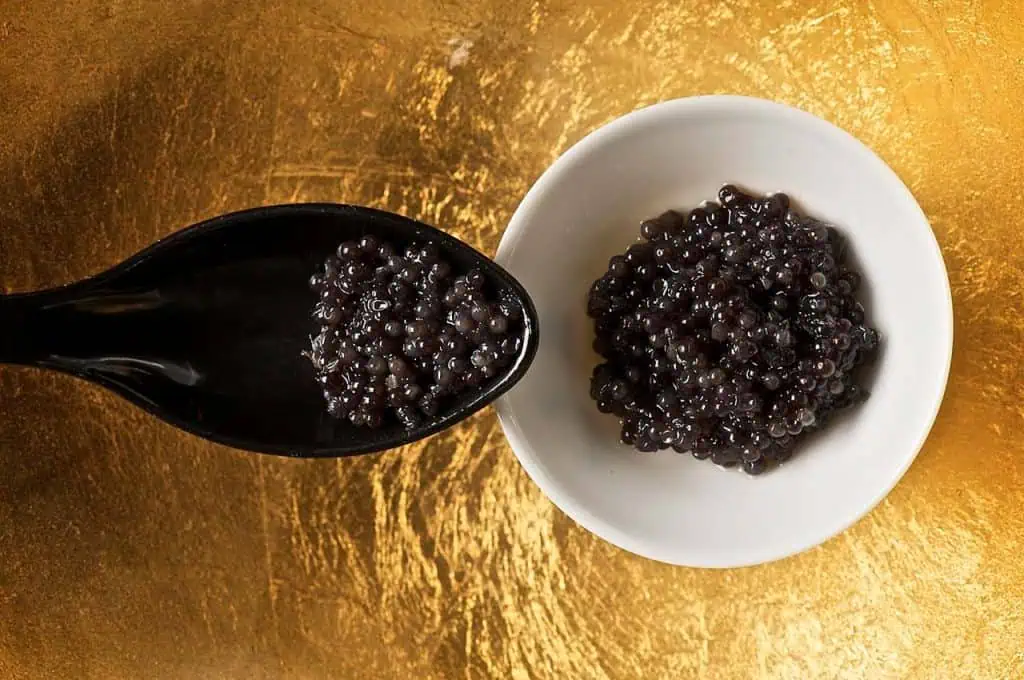
Considered the pinnacle of luxury, beluga caviar is banned in the U.S. due to the threat to its source, the beluga sturgeon, an endangered species. Distinguished by its large, delicate pearls and buttery flavor, it’s a symbol of opulence among gourmands. Conservation laws aim to protect the species and encourage sustainable farming practices. Culinary experts often recommend alternatives such as osetra or sevruga caviar, which, while different, offer a refined taste and ethical sourcing. The goal is to enjoy sumptuous flavors without endangering precious aquatic life.
