
8 Strange Dining Trends (From Eating in the Dark to Robot Servers) That Didn’t Last
Restaurants are always chasing the next big thing, and sometimes that leads to unforgettable gimmicks. From pitch-black dining rooms to mechanical waitstaff, these trends promised excitement, novelty, and plenty of social buzz. But as diners quickly learned, being memorable doesn’t always mean being sustainable.
Dining in Complete Darkness
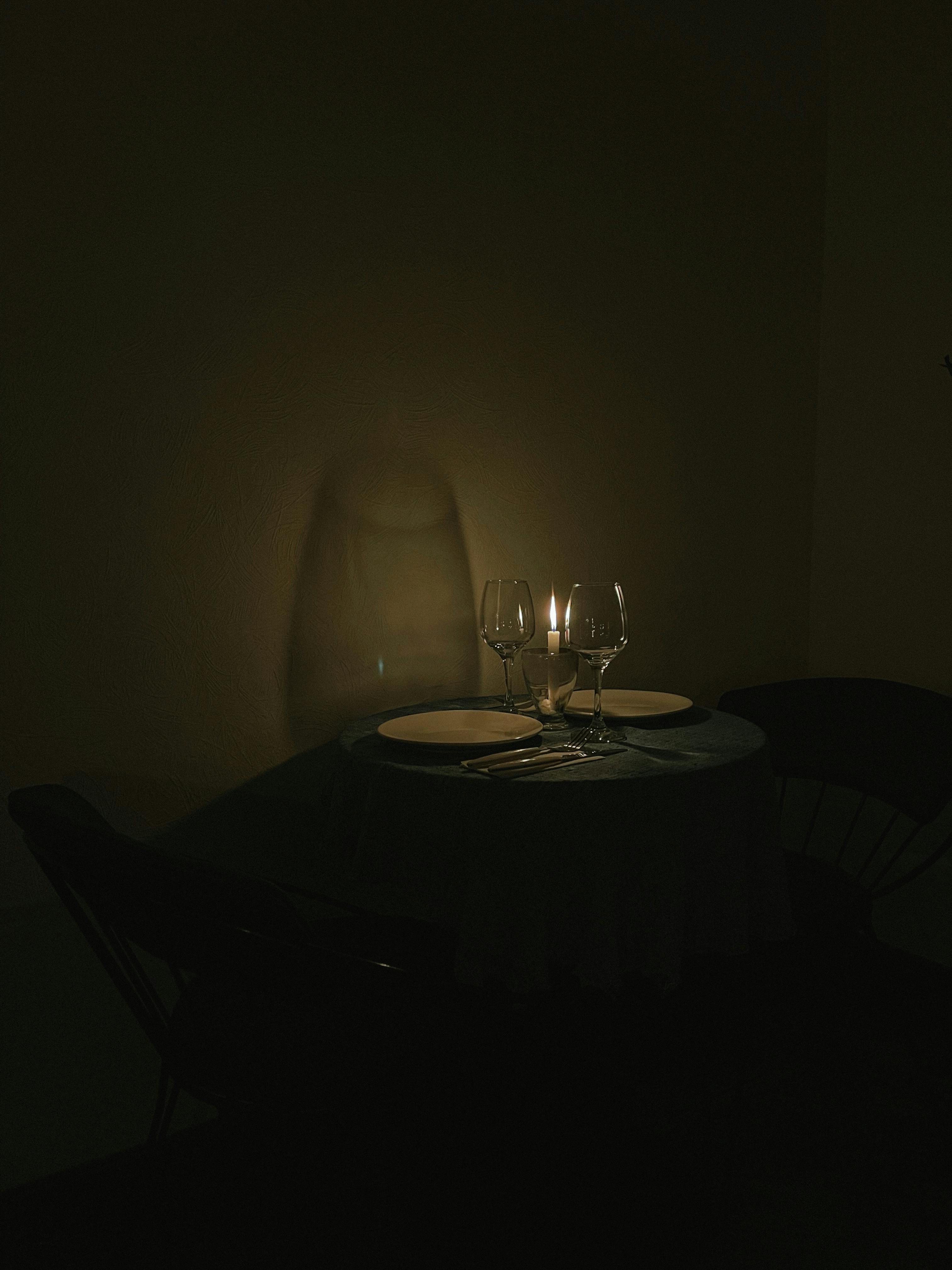
For a while, eating in the dark sounded like the ultimate sensory adventure. Diners were invited to surrender sight entirely and focus on aroma, texture, and taste, often guided to their tables by staff trained to navigate the blackout with ease.
The concept was undeniably memorable, but it could also feel awkward in practice. People spilled drinks, fumbled for cutlery, and spent half the meal wondering what they were actually eating.
Once the novelty wore off, many guests realized they still liked seeing their food. It was a clever idea for a special night out, just not one most people wanted to repeat regularly.
Robot Servers
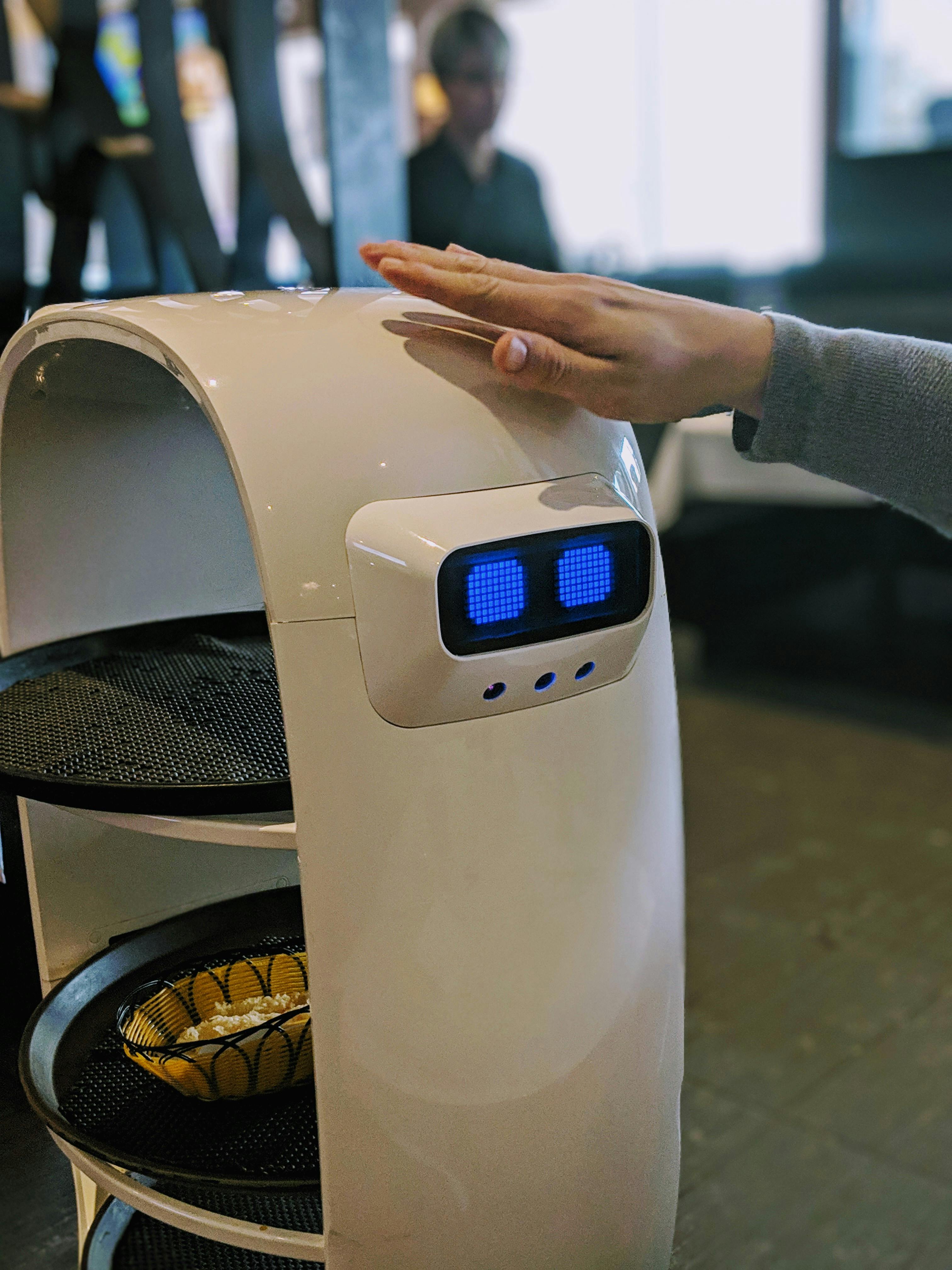
Robot servers arrived with plenty of hype and a very futuristic sales pitch. Restaurants loved the attention they generated, and customers were instantly curious about being greeted by rolling machines delivering burgers, noodles, or cocktails.
In reality, the experience was often more cute than efficient. Robots could carry plates and follow preset routes, but they struggled with crowded dining rooms, sudden messes, and the tiny human details that keep service running smoothly.
That mismatch mattered. Diners still wanted warmth, flexibility, and a server who could answer questions without glitching, pausing, or bumping into a chair on the way to the table.
Suspended Dining in the Sky
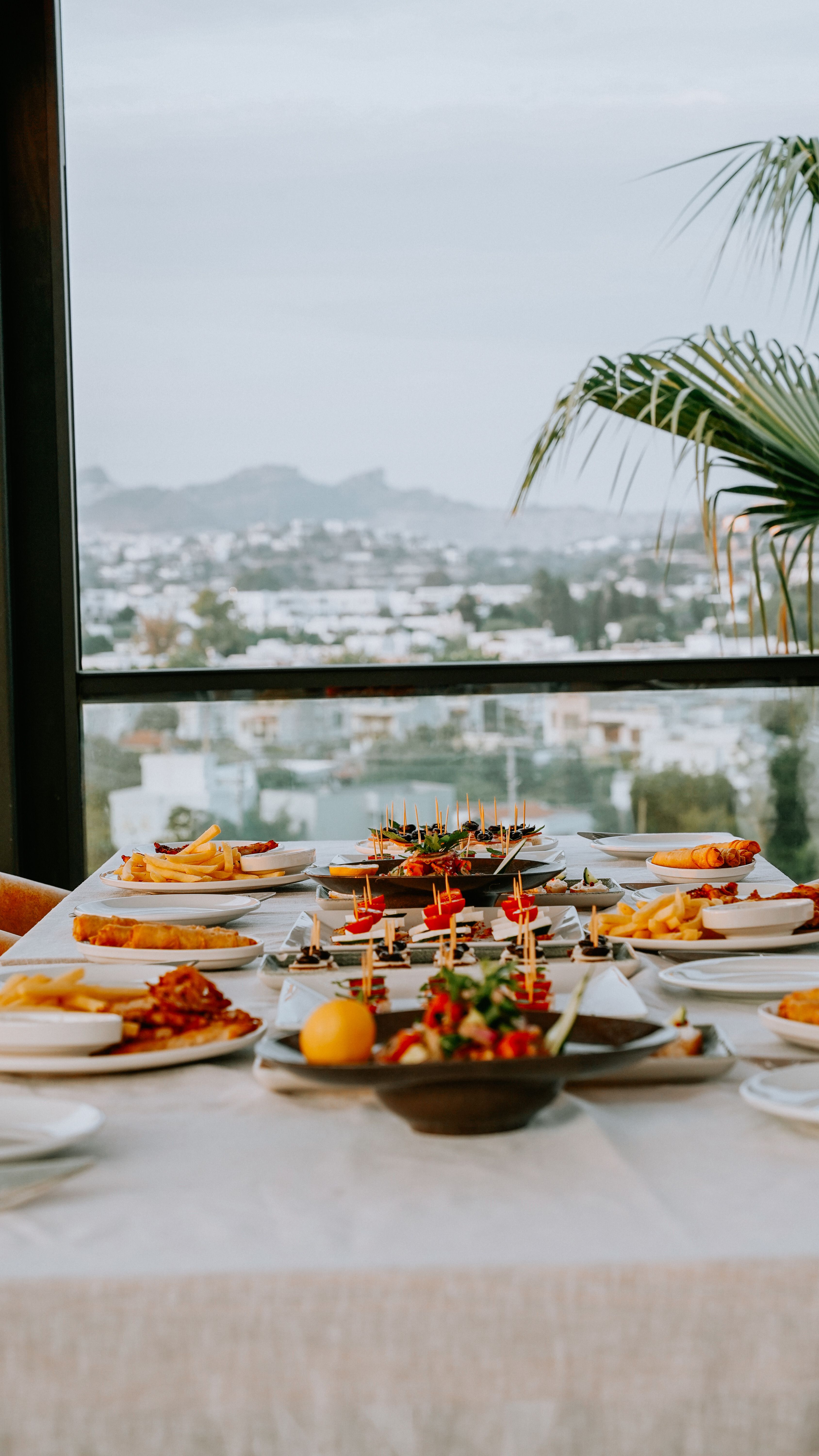
Eating while dangling high above the ground definitely delivered bragging rights. These crane-lifted tables promised gourmet meals, panoramic views, and just enough adrenaline to make dinner feel like an extreme sport.
The photos were spectacular, which helped fuel the trend. But once guests were strapped in and hovering in the air, some found it harder to relax and enjoy a multi-course meal than expected.
Weather, logistics, and safety concerns also made the concept difficult to scale. As thrilling as it looked, most people eventually decided they preferred their steak with a solid floor underneath them.
Toilet-Themed Restaurants

Few dining fads leaned into shock value like toilet-themed restaurants. Meals arrived in mini toilet bowls, seats mimicked bathroom fixtures, and the whole experience was designed to make guests laugh, cringe, and post photos immediately.
For a brief moment, that gross-out humor worked. Novelty seekers loved the absurdity, and the concept thrived on the kind of disbelief that spreads fast through word of mouth.
But there’s a reason most restaurants aim to make food look appetizing. Once the joke landed, many diners discovered that toilet imagery and lunch are not exactly a natural long-term pairing.
Edible Menus and Tableware
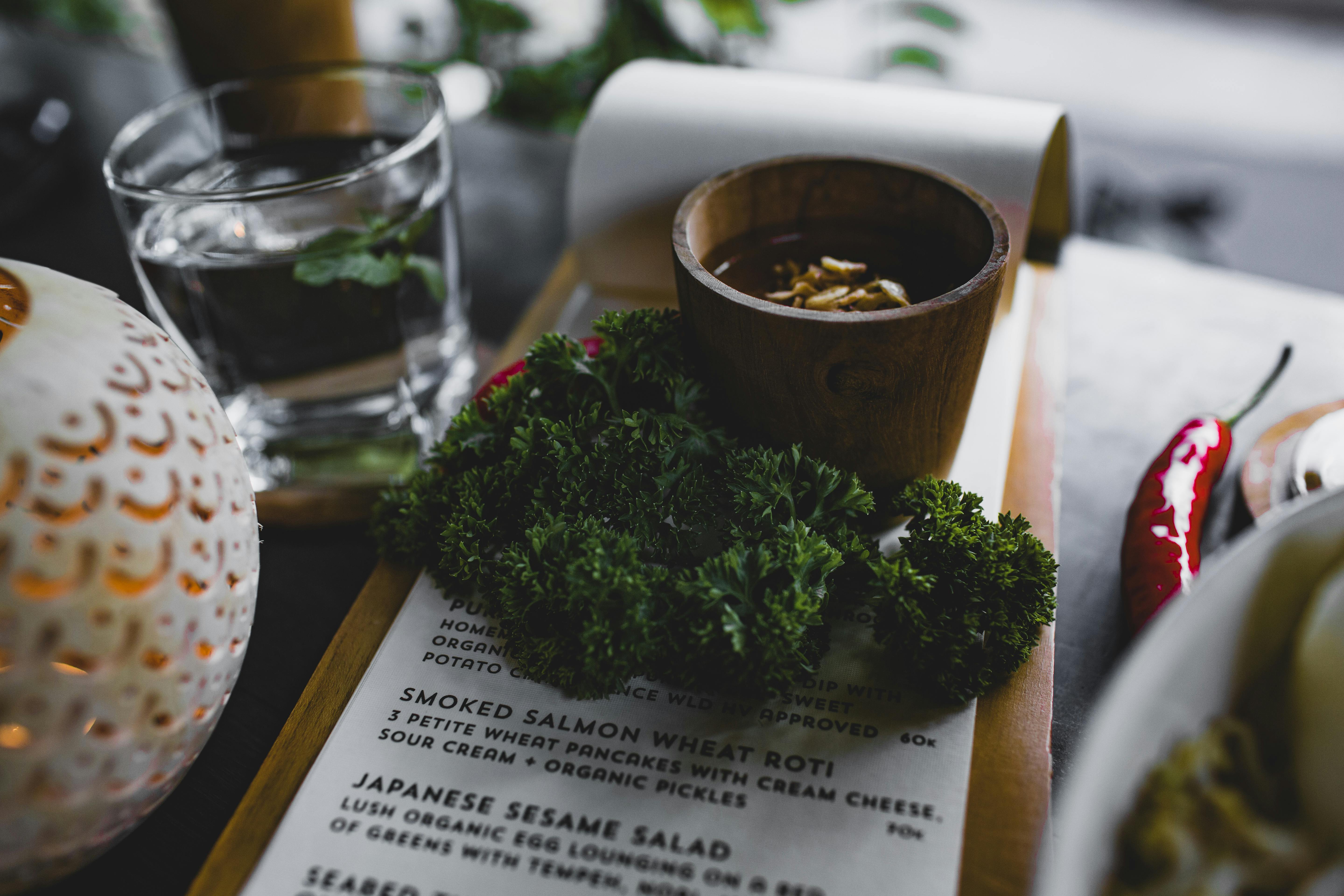
The idea behind edible menus and tableware sounded smart, playful, and maybe even eco-friendly. Why throw away paper or disposable plates, the thinking went, if diners could simply eat part of the setup along with the meal?
It made for a fun talking point, especially in experimental restaurants eager to blur the line between food and presentation. Guests were intrigued by crackers printed like menus or cups and spoons designed to be consumed.
Still, practicality got in the way. Texture, sanitation concerns, and the simple fact that not every diner wanted to chew on the dish itself kept this trend from becoming much more than a clever stunt.
Molecular Gastronomy Overload
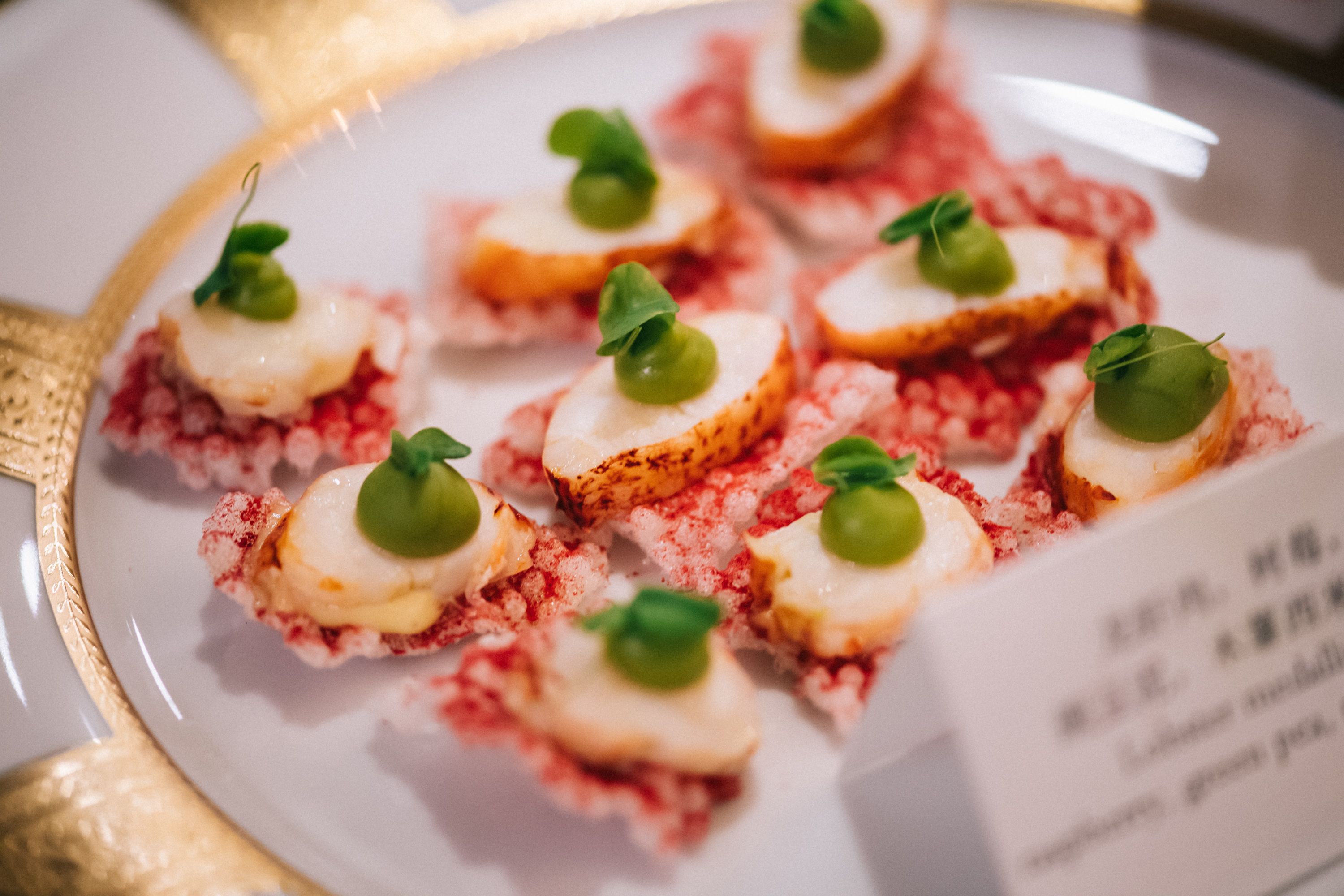
There was a stretch when every ambitious restaurant seemed to want foam, smoke, spheres, and something deconstructed beyond recognition. Molecular gastronomy brought real innovation to fine dining, but its copycat phase pushed the trend into territory that felt more gimmicky than groundbreaking.
Diners were often impressed at first. A cocktail that arrived under a cloud of vapor or an olive that burst like caviar made for great theater and even better conversation.
The problem was balance. When technique overshadowed flavor, people noticed. Many restaurants eventually dialed it back, keeping the clever science but letting dinner feel like dinner again instead of a chemistry demonstration.
Communal Tables for Everyone
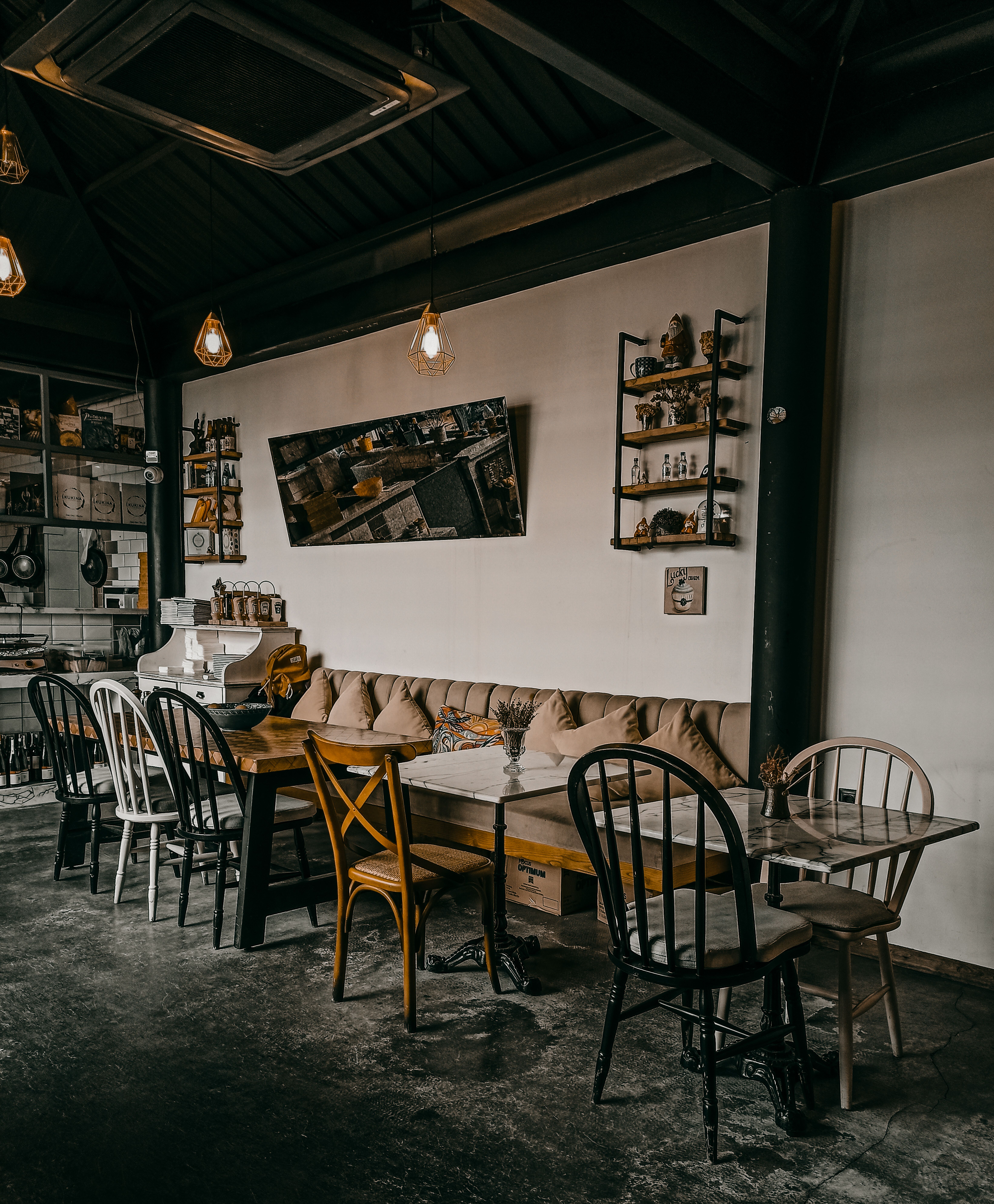
Communal dining was sold as the antidote to stiff, formal restaurant culture. Long shared tables promised conversation, spontaneity, and the cozy feeling of a dinner party, even if you arrived knowing nobody in the room.
In the right setting, it could be lively and fun. But many diners weren’t actually looking to discuss their pasta with strangers or sit elbow-to-elbow during a date, business meal, or quiet night out.
That tension became hard to ignore. Restaurants learned that while some guests love a social setup, plenty of others want privacy, personal space, and the freedom to enjoy a meal without accidental group participation.
Tablet-Only Ordering at the Table
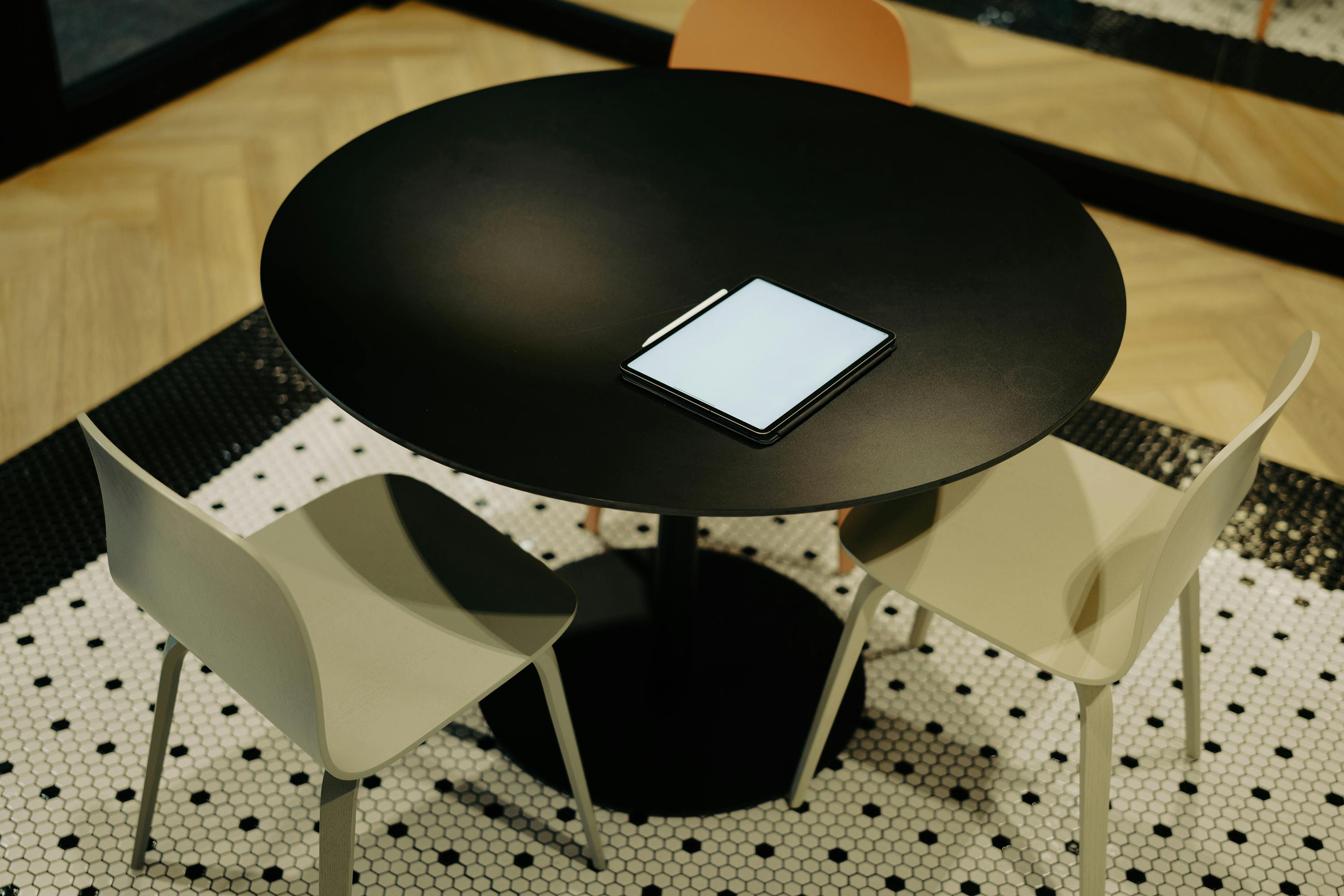
Tablet ordering once looked like the obvious future of casual dining. Screens built into tables promised faster service, easy customization, and the convenience of summoning dessert or another round of drinks with a few taps.
At first, restaurants liked the labor-saving angle and customers appreciated the novelty. But the setup could quickly become frustrating when screens froze, menus lagged, or guests just wanted a simple recommendation from a human being.
The bigger issue was atmosphere. Dining out is partly about hospitality, and many people found that staring at a smudged tablet made the meal feel more transactional than enjoyable.
