
Veganism, Unpacked: 13 Common Misconceptions Debunked
Veganism has a bit of a reputation. Some people think it’s all kale and deprivation. Others assume vegans are protein-deficient or that vegan food is automatically healthy (spoiler: vegan junk food exists). And don’t even get us started on the honey debate or whether Oreos are actually vegan. The truth is, veganism is a lot more flexible, accessible, and diverse than the stereotypes suggest. You can get plenty of protein from beans, lentils, tofu, and quinoa. You can eat vegan on a budget. You can even enjoy treats like ice cream and cookies—just plant-based versions. And no, not all vegans miss meat. Many find the flavors and textures of plant-based cooking even more exciting.
So if you’ve ever been curious about veganism—or just want to separate fact from fiction—you’re in the right place. In this article, we’re busting 13 common vegan myths, from protein and cost to health, environmental impact, and community inclusivity. You’ll learn the difference between “vegan” and “plant-based,” why honey is controversial, whether vegan food is always cruelty-free, and how popular veganism actually is. No judgment. Just real, practical information to help you make informed choices—whether you’re vegan, curious, or just trying to eat a little more plants. Let’s clear things up.
Do Vegans Get Enough Protein?
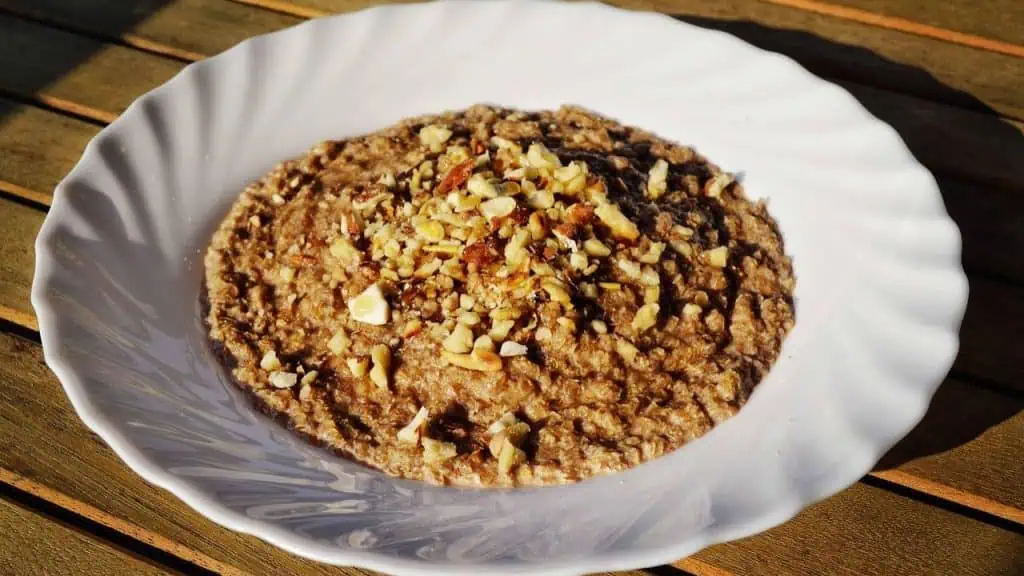
Contrary to popular belief, vegans can easily meet protein needs with a varied diet. Legumes, nuts, seeds, tofu, and whole grains provide ample amounts. Quinoa, an often-overlooked complete protein, offers all nine essential amino acids. Incorporating a variety of these foods not only meets protein requirements but also supports overall health with fiber and essential nutrients. Balancing meals ensures nutritional adequacy, eliminating concerns about protein insufficiency among vegans.
Vegan vs. Plant-Based: The Difference

Though often used interchangeably, “vegan” and “plant-based” convey distinct meanings. Veganism extends beyond diet to a lifestyle avoiding all animal products. Plant-based focuses primarily on consuming whole, minimally processed plant foods for health benefits, without necessarily excluding animal products entirely. Understanding these nuances helps individuals align their choices with personal values and health goals, ensuring clarity in dietary commitment and lifestyle intention.
Are Oreos Truly Vegan?

While Oreos are free from animal-derived ingredients, cross-contact with milk is a possibility, which concerns some vegans. It’s crucial to differentiate between ingredients and manufacturing practices. Those strictly avoiding trace animal products might opt for certified vegan cookies. Nevertheless, for many, Oreos remain a permissibly plant-based indulgence, highlighting the importance of personal interpretation within vegan eating.
Do All Vegans Miss Meat?

The notion that all vegans miss meat oversimplifies personal taste evolution. Many find that embracing flavorful plant-based alternatives satisfactorily replaces their previous cravings. Ingredients like jackfruit or tempeh, when seasoned adeptly, offer satisfying textures and flavors reminiscent of meat. As one’s palate adapts, the joy derived from varied plant foods often surpasses initial reservations, demonstrating a shift in culinary appreciation rather than a sense of deprivation.
Is the Vegan Community Closed-Off?

The vegan community often faces stereotypes of exclusivity, but it’s about connecting over shared values. Many vegans actively engage in conversations, aiming to educate and collaborate. Online forums, local meet-ups, and social media groups provide platforms for open dialogue and inclusivity. These spaces offer support and resources for newcomers and veterans alike, fostering a sense of belonging without judgment. By participating, individuals can experience diverse perspectives and contribute to a progressive, welcoming environment. The community thrives on inclusive discussion and shared passion.
The Cost of Eating Vegan

Many believe that vegan eating is prohibitively expensive, yet it’s highly adaptable to various budgets. Staples like grains, beans, lentils, and seasonal vegetables are often the most affordable choices and form the backbone of nourishing meals. By planning meals, buying in bulk, and focusing on whole foods, vegans can minimize costs effectively. Farmers’ markets and local co-ops might offer fresh produce at competitive prices. While specialty vegan products can be pricey, they’re non-essential for a balanced diet. A vegan lifestyle can be both economic and satisfying with strategic planning.
Are All Vegan Foods Healthy?

Not all vegan foods are inherently healthy; like any diet, balance is key. Vegan diets rich in whole foods generally support good health, providing essential nutrients. However, highly processed options like vegan ice creams, snacks, and ready meals can be high in sugar and sodium. Reading labels and being mindful of portions helps maintain a nutritious balance. Emphasizing fresh produce, whole grains, and plant-based proteins supports a well-rounded approach. The focus should be on nutrient-dense choices rather than assuming plant-based automatically equals healthful.
How Popular Is Veganism Really?

Veganism continues to gain traction worldwide, reflecting growing awareness of its environmental, ethical, and health benefits. Media coverage, increased availability of vegan products, and celebrity endorsements spotlight the lifestyle’s appeal. More people are adopting vegan meals, even if not fully transitioning, which broadens its impact. Retailers and restaurants expanding their vegan offerings signify heightened demand. Surveys and studies frequently report rising interest, illustrating veganism’s shift from niche to mainstream. This increased visibility and accessibility encourage more individuals to explore and embrace vegan living.
Is Vegan Food Cruelty-Free?

While vegan food minimizes harm, it’s important to consider broader implications. Veganism strives to reduce animal suffering, but some agricultural practices may still impact wildlife and ecosystems. Ethical sourcing, sustainable farming practices, and fair trade considerations can further reduce unintended harm. Products certified as cruelty-free and vegan align closely with these values. Conscious consumer choices reinforce ethical commitments, going beyond merely being plant-based. Adopting a vegan diet involves continuous learning and decision-making to ensure minimal impact, reflecting a commitment to compassion in all dimensions.
Do Real Vegans Shun Honey?

The choice to include honey in a vegan diet is a nuanced one. While traditional vegan principles exclude animal products, individual beliefs can vary. Honey’s exclusion stems from bees being exploited for production, but some argue small, ethical apiculture aligns with sustainable practices. Regardless of stance, plant-based alternatives like agave or maple syrup can easily replace honey in recipes, maintaining sweetness without ethical conflict. Each option provides distinct flavors, from the smoky depth of maple to the light, fruity notes of agave, enriching vegan dishes.
The Diversity of Veganism in America
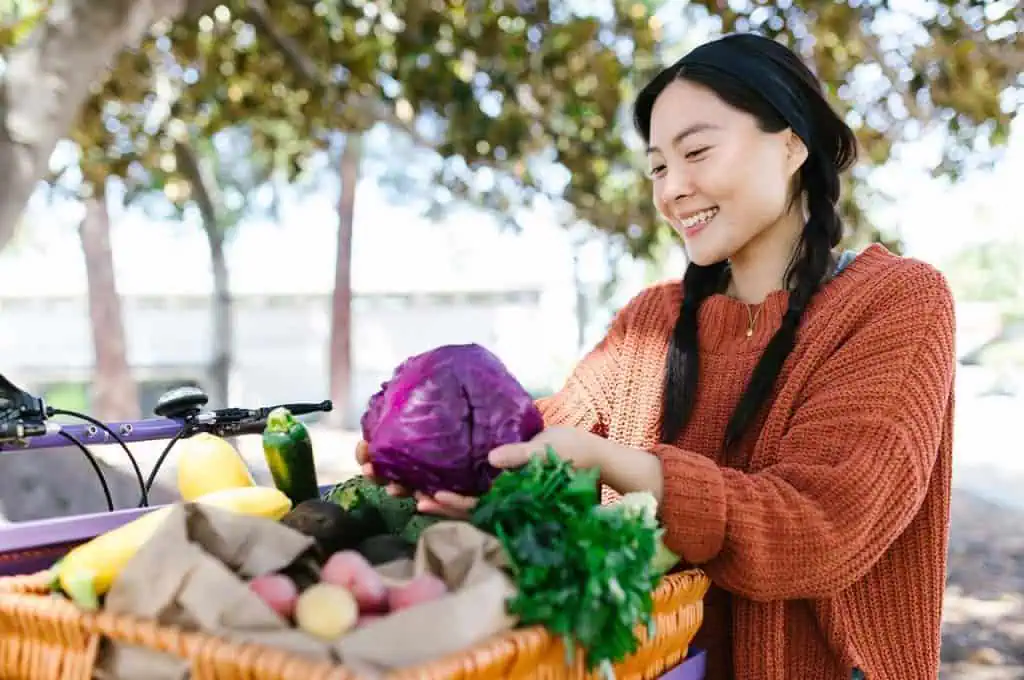
Veganism in America reflects a tapestry of cultural influences and personal beliefs. While some embrace it for ethical reasons, others focus on health or sustainability. This diversity manifests in varied culinary practices; Southern vegan dishes may feature rich spices and hearty legumes while West Coast menus often highlight fresh produce and innovative substitutes. Embracing this variety not only broadens palate experiences but also innovates how traditional ingredients are utilized, ensuring a dynamic, inclusive approach that caters to a wide range of tastes and preferences.
Is Veganism Environmentally Better?

Veganism is often championed for its potential environmental benefits. By eliminating animal agriculture, it reduces greenhouse gas emissions, conserves water, and lowers land use. Plant-based diets generally require fewer resources and cause less pollution. However, it’s crucial to consider the sourcing and seasonality of ingredients to maximize eco-friendliness. Opting for local, organic produce can further minimize environmental impact, making veganism not just a dietary choice but a holistic environmental commitment that inspires mindful eating aligned with ecological principles.
Can We Feed the World on Veganism?

Transitioning to a global vegan diet presents both opportunities and challenges. Theoretically, plant-based diets require fewer resources, which could ease supply pressures. However, global adaptation necessitates cultural shifts, agricultural restructuring, and accessibility to diverse foods. A balanced approach focusing on local crops and sustainable practices can enhance food security while respecting cultural diets. Innovations in agriculture, such as vertical farming and plant-based proteins, offer promising paths to meet nutritional needs, suggesting a realistic, though complex, potential for global veganism to support widespread nourishment.
