
9 Foods That Only Became Trending After the Obamas Started Eating Them
When Barack Obama and Michelle Obama entered the White House, their food choices quietly influenced American eating culture. Without flashy endorsements, they normalized certain foods through visibility, routine, and policy focus. What they ate signaled values: balance, health, and cultural openness. Many of these foods existed long before, but the Obamas helped shift them from niche or “health food” status into everyday conversation, grocery carts, and school lunch debates across the country.
Kale

Kale existed for years before the Obama era, but it surged into mainstream popularity once Michelle Obama began highlighting it through healthy eating initiatives and White House garden conversations. The leafy green became symbolic of smarter food choices rather than extreme dieting. Americans who once ignored kale began seeing it as accessible and responsible. Restaurants, smoothie shops, and home kitchens followed suit, transforming kale from an overlooked vegetable into a cultural shorthand for health-forward eating.
Brown Rice

Brown rice gained traction as the Obamas emphasized whole grains and better nutrition. While previously viewed as bland or overly “health-conscious,” it became associated with balance and long-term wellness rather than restriction. School lunch reforms and public discussions helped normalize brown rice as a default option. Americans began choosing it not as a sacrifice, but as a practical upgrade, shifting perceptions of what everyday carbohydrates should look like.
Sweet Potatoes

Sweet potatoes became more than a holiday side once they appeared repeatedly in Obama-era healthy eating conversations. Michelle Obama’s focus on nutrient-dense foods reframed them as everyday staples rather than seasonal treats. Their versatility and natural sweetness appealed to families seeking better alternatives to processed sides. Sweet potatoes moved from specialty produce to weekly grocery lists, becoming a symbol of approachable nutrition.
Arugula
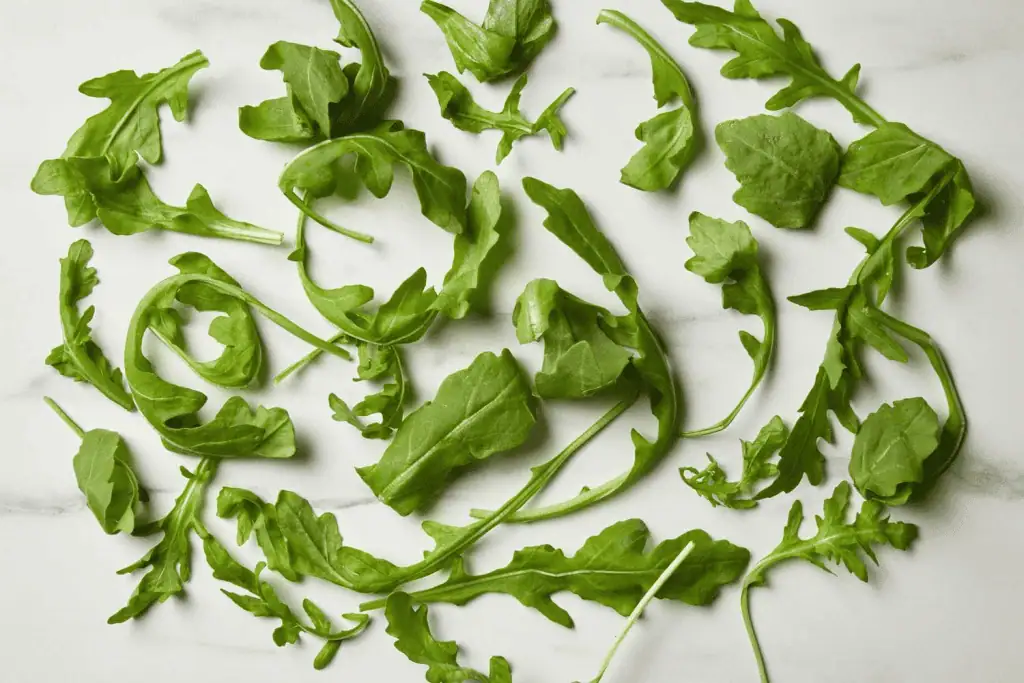
Arugula gained cultural attention when Barack Obama casually mentioned it during the 2008 campaign, instantly turning it into a pop-culture moment. What was once seen as a fancy or obscure green suddenly felt relatable. Americans began ordering and cooking with arugula without hesitation. That single moment helped demystify “chef” ingredients, making leafy greens feel less intimidating and more everyday-friendly.
Hummus
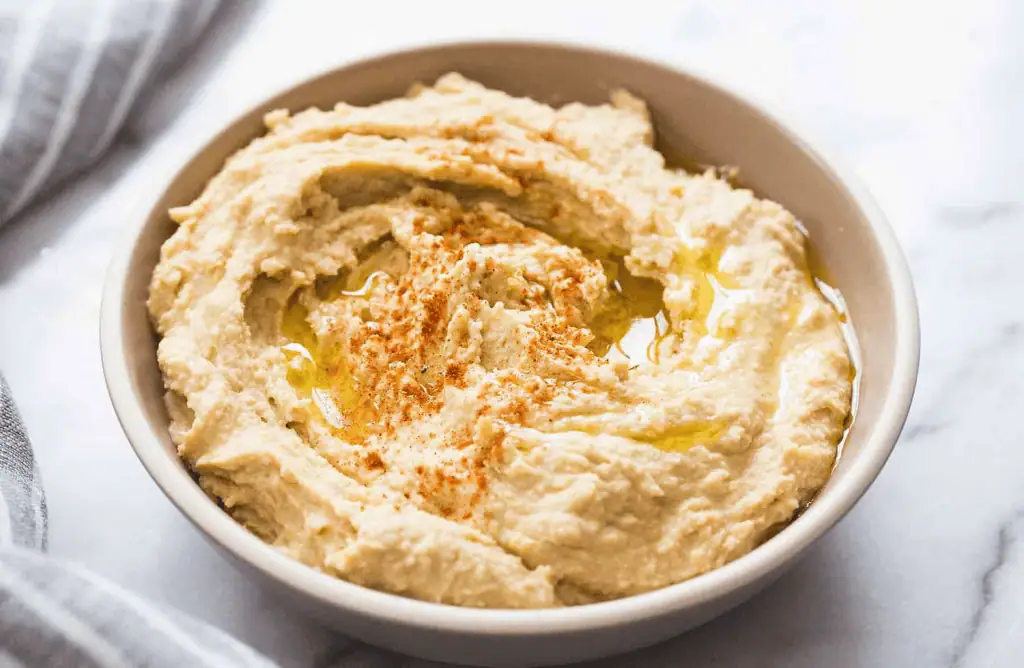
Hummus surged in popularity as Middle Eastern foods became more visible and normalized during the Obama years. The family’s openness to global flavors made hummus feel familiar rather than foreign. It transitioned from specialty-store item to fridge staple. Americans embraced it as a healthier snack and spread, cementing its place in lunches, parties, and meal prep routines nationwide.
Fresh Fruit Snacks

Michelle Obama’s push to reduce processed snacks elevated fresh fruit as a cultural counterpoint. Apples, berries, and oranges became symbolic of better choices rather than old-fashioned ones. This shift influenced schools, parents, and grocery marketing. Fruit stopped feeling like a fallback and started feeling intentional, reshaping how Americans thought about snacking for kids and adults alike.
Lean Proteins
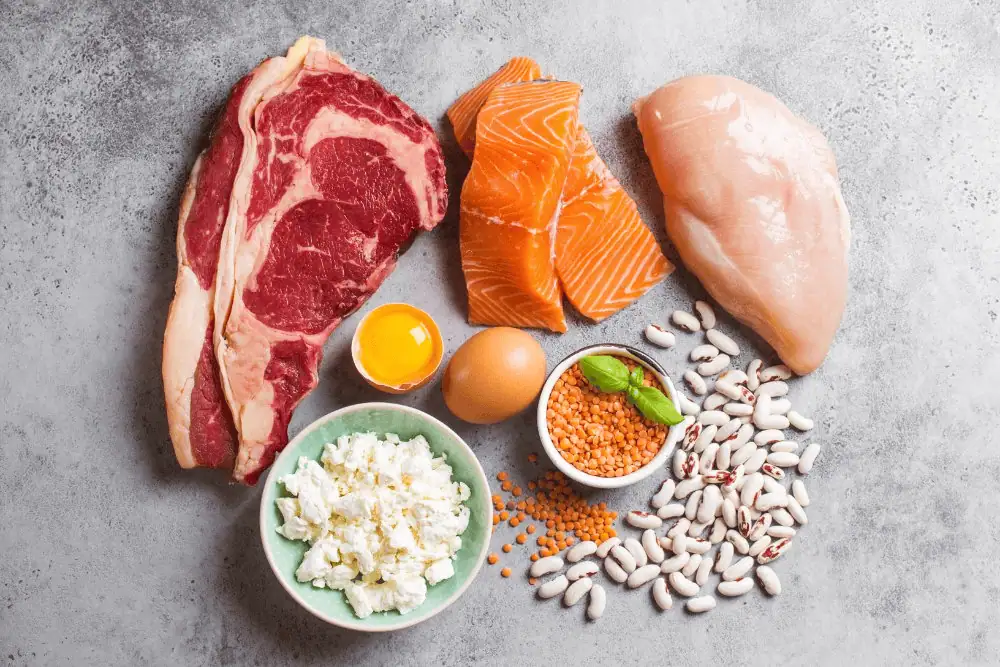
Foods like grilled chicken, fish, and beans gained renewed attention as the Obamas promoted balanced plates over extreme diets. Lean protein choices were framed as sustainable rather than restrictive. This messaging helped Americans move away from heavy, meat-centric meals toward more flexible eating patterns. Protein became about function and balance, not excess.
Water Over Sugary Drinks

The Obama administration’s public stance on reducing sugary beverage consumption elevated plain water as a cultural default. While water was always present, it gained symbolic weight as the “right” everyday choice. Reusable bottles, hydration awareness, and reduced soda consumption followed. This shift influenced how Americans thought about beverages at home, work, and school.
Home-Cooked Meals

Perhaps most influential was the Obamas’ emphasis on cooking and eating together. Home-cooked meals became associated with care, stability, and responsibility. This reframed cooking as a cultural value rather than a chore. Americans increasingly viewed simple home meals as aspirational, not outdated, reshaping attitudes toward food beyond individual ingredients.
