
7 Packaged Foods That Felt like the Future, Then Vanished Overnight
Every grocery era has its supposed game-changers: the snack, drink, or shortcut meal that seems destined to reshape how we eat. But for every lasting classic, there are plenty of packaged foods that burned bright, confused shoppers, and vanished before they could become staples. These are the products that felt oddly futuristic in the moment, then slipped into pop-culture memory almost overnight.
Life Savers Holes

This one sounded like a slam dunk on paper. The candy maker took the tiny center piece from a Life Savers roll, packaged it separately, and basically tried to turn candy waste into a standalone snack with a playful hook.
But novelty only carries a product so far. The pieces were small, oddly unsatisfying, and easy to ignore next to full-size candies that already had stronger brand recognition and a clearer point.
It became the kind of idea people remembered more than they actually bought. Clever name, neat concept, quick fade.
Crystal Pepsi
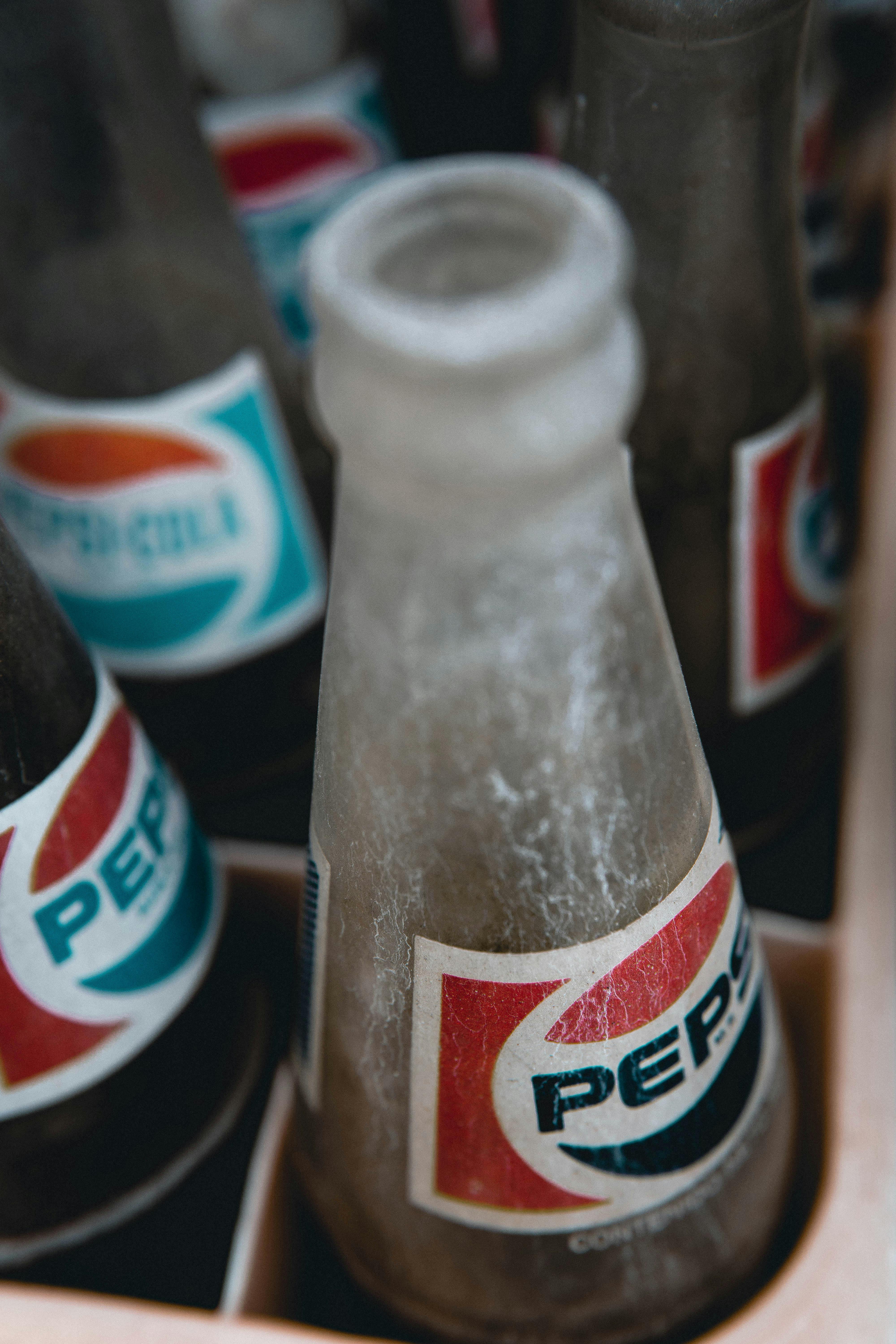
Few packaged drinks have arrived with more futuristic swagger than Crystal Pepsi. A clear cola was pitched as clean, modern, and somehow more pure-looking than the dark soda people had known forever, which made it feel like a product sent back from the future.
The problem was that appearance and expectation were working against it. People saw clear soda and anticipated lemon-lime or something lighter, then got cola flavor instead, and the disconnect was hard to shake.
For a brief moment it was everywhere. Then the gimmick cooled, the confusion lingered, and it became a textbook example of hype outrunning habit.
WOW! Chips
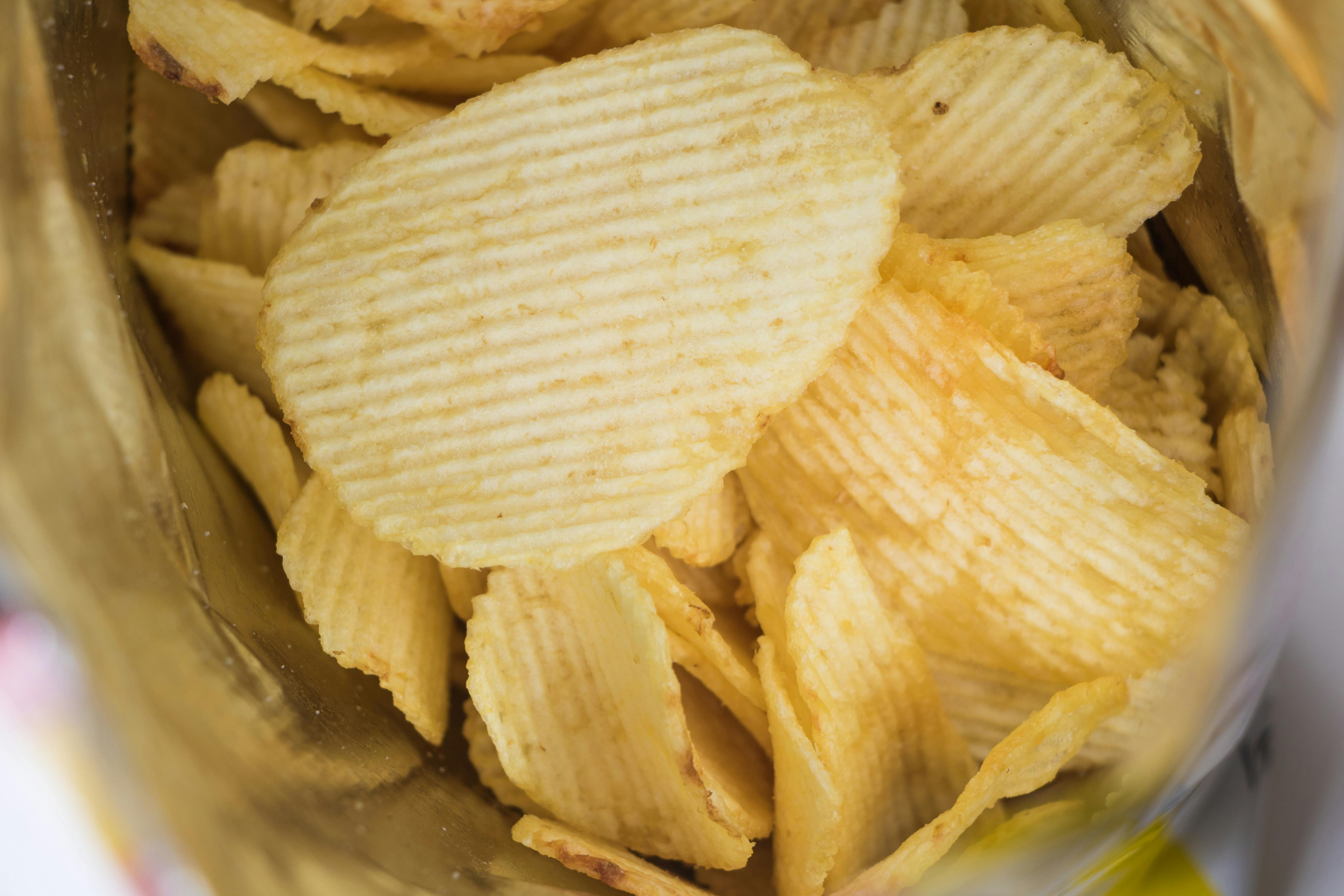
When fat-free snack fever hit, WOW! Chips looked like a miracle in a bag. They promised the greasy pleasure of regular potato chips with far less guilt, and to plenty of shoppers that sounded like the holy grail of packaged snacking.
Then came the catch. The chips were made with olestra, and the ingredient quickly became more famous for digestive side effects than for any nutritional breakthrough. That is not the kind of word-of-mouth a food brand can survive.
Even people who never tried them knew the reputation. Once the joke became the story, the revolution was over.
Colgate Kitchen Entrees
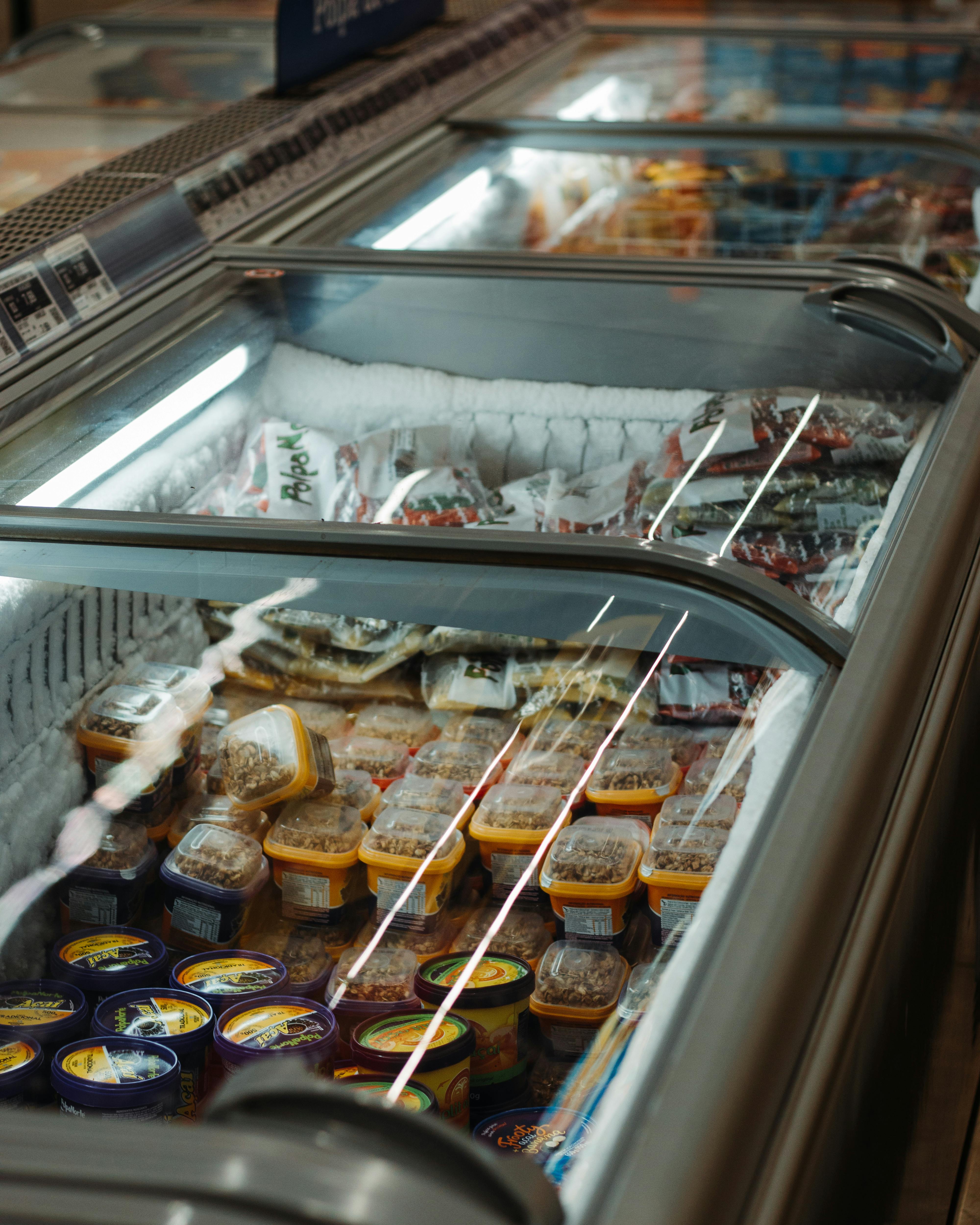
Some packaged foods fail because the taste is off. Others fail because the branding feels impossible to accept. Colgate Kitchen Entrees landed in the second category with almost legendary speed.
The idea of a toothpaste company moving into frozen meals was too weird for most shoppers to process. Even if the food itself had been decent, the brand name already lived too firmly in the bathroom cabinet.
That mental collision was hard to overcome. People did not want dinner and dental care sharing the same logo, and the concept became a classic lesson in brand overreach.
Heinz EZ Squirt Colored Ketchup
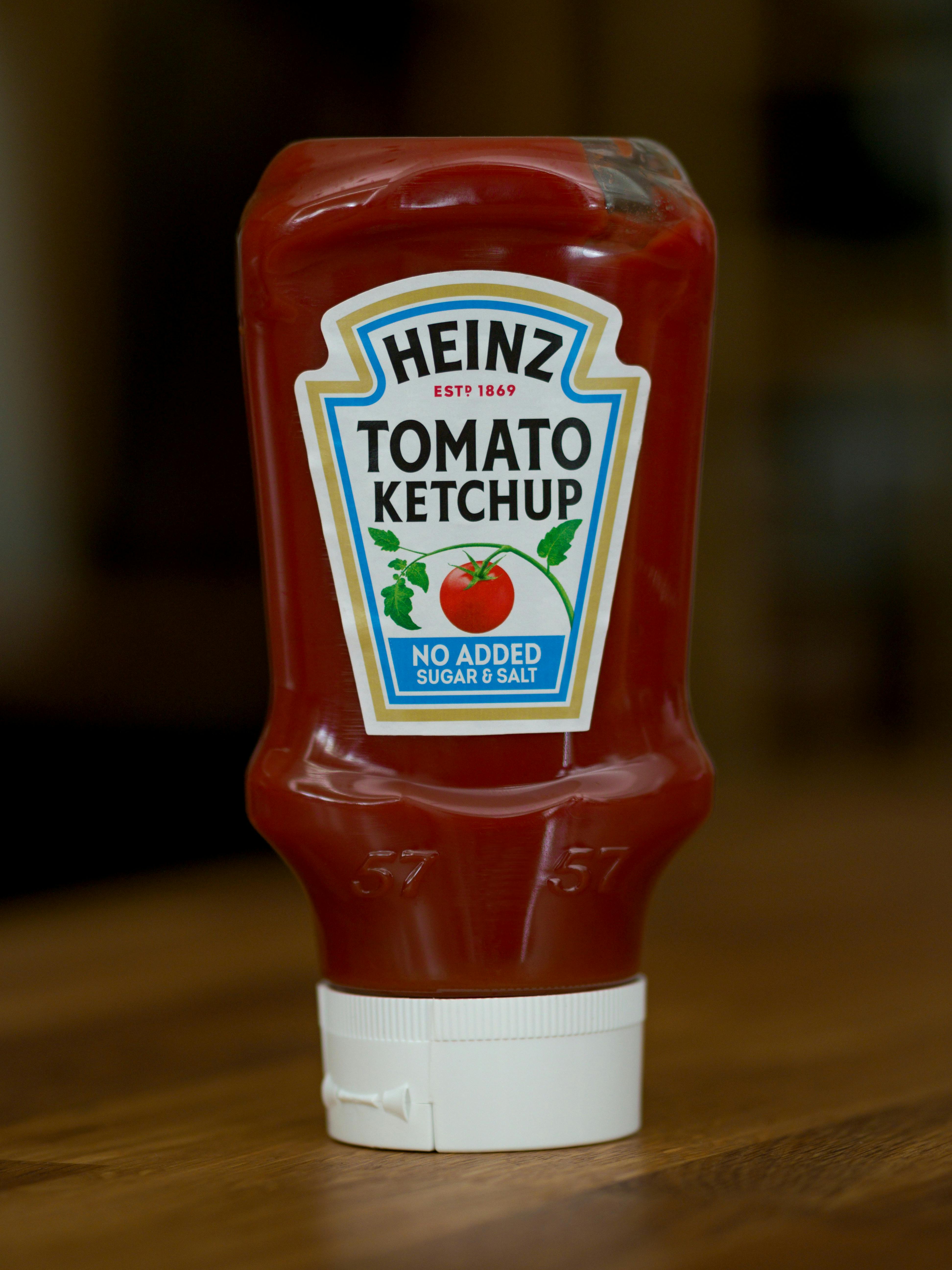
For a minute, green ketchup looked like the future of fun food. Heinz turned a basic condiment into a kid-focused spectacle, and the brightly colored squeeze bottles practically shouted from the shelf.
Parents noticed, kids begged for it, and the novelty factor was enormous. But once the first wave of excitement passed, many people were left with the same realization: weird-colored ketchup still mostly tasted like ketchup.
The effect was more visual gag than lasting pantry staple. It photographed well, made dinner conversations more chaotic, and then quietly lost its reason to exist.
Squeezit Color Change

The original Squeezit already had lunchbox appeal, but the color-changing version turned that up dramatically. A drink that transformed shades right in the bottle felt like part beverage, part toy, which was exactly the kind of trick kids loved.
That same gimmick also limited its lifespan. Once you had seen the color shift a few times, there was not much left beyond an ultra-sweet drink competing in a crowded field of other brightly marketed options.
It was memorable, no question. But memorable and sustainable are not always the same thing in the packaged food world.
Keebler Magic Middles
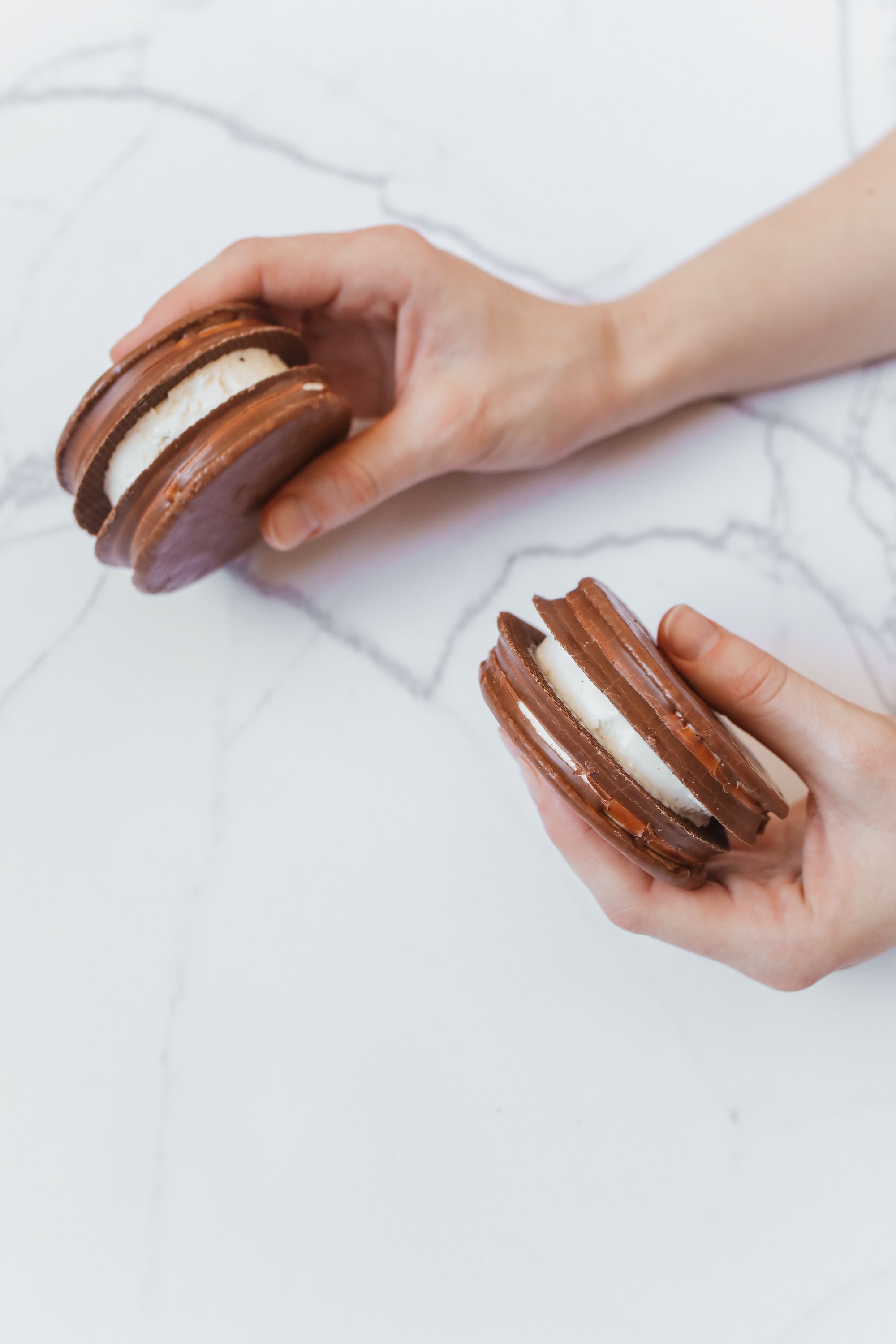
Magic Middles had a genuinely irresistible pitch. From the outside they looked like ordinary cookies, but inside was a soft fudge or peanut butter filling that made them feel more indulgent than the average supermarket snack.
That rich center was exactly what made fans love them, and possibly part of why they never became a long-term giant. They occupied an awkward space between everyday cookie and more decadent treat, which can be tough territory on crowded shelves.
They inspired real nostalgia after disappearing, which says a lot. Sometimes a product is beloved and still not built to last.
