
Stop Reaching for the Salt: How I Build Flavor Using 30 Years of Restaurant Tricks


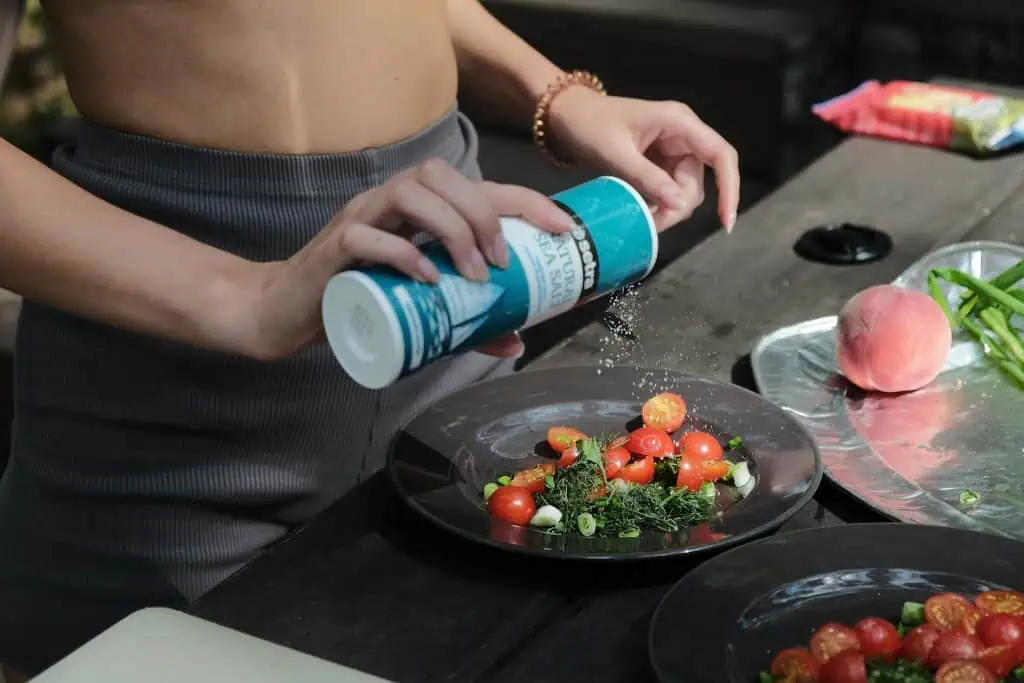
We’ve all been there. You’re standing over a pot of soup, you take a sip, and… meh. It’s flat. Your first instinct is to grab the salt shaker and start dumping, right?
But after 30 years in professional kitchens, I can tell you a secret: Salt isn’t usually what’s missing. What your dish actually needs is dimension.
When you learn how to build flavor layers from the start, you can make food taste “restaurant-quality” without the sodium bloat. Whether you’re using an Instant Pot or a sheet pan, these are the tricks I use to make a meal pop.
Brown It Like You Mean It
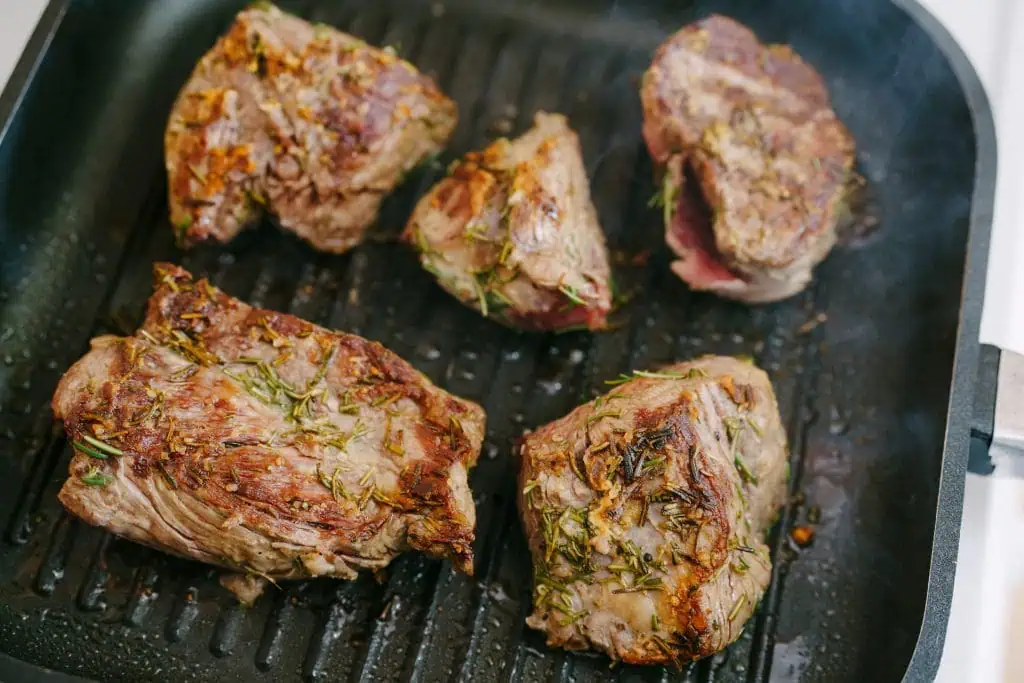
In the restaurant world, we say “color is flavor.” If your chicken looks pale and your onions are just translucent, you’ve missed a massive opportunity for savory depth.
- Try it here: My Crispy Oven-Broiled Chicken Thighs are the perfect example—high heat and zero “steaming” equals massive flavor.
- The Trick: Pat your meat and veggies bone-dry before they hit the pan. Moisture is the enemy of browning.
- The Payoff: That golden-brown crust (the Maillard reaction, for the science geeks) creates a natural “umami” that salt can’t replicate.
Use Your “Aromatics” Wisely
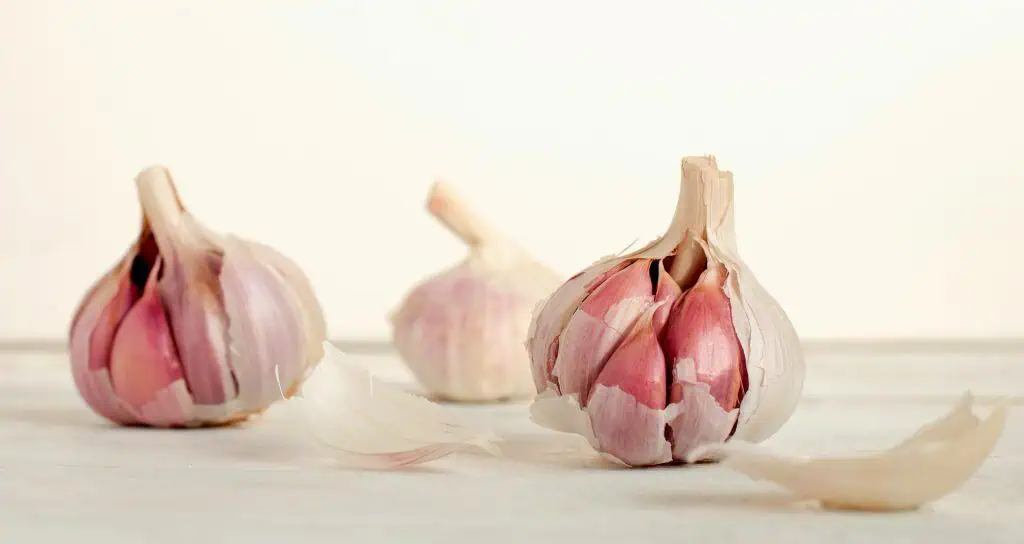
Onions, garlic, and celery are the “Big Three” for a reason. But don’t just throw them in all at once.
- Tender Herbs: Parsley, cilantro, and basil should be added right before serving so they stay fresh and punchy.
- Hardy Herbs: Rosemary and thyme go in early (perfect for Slow Cooker recipes).
The “Acid Finish” (The Secret Weapon)
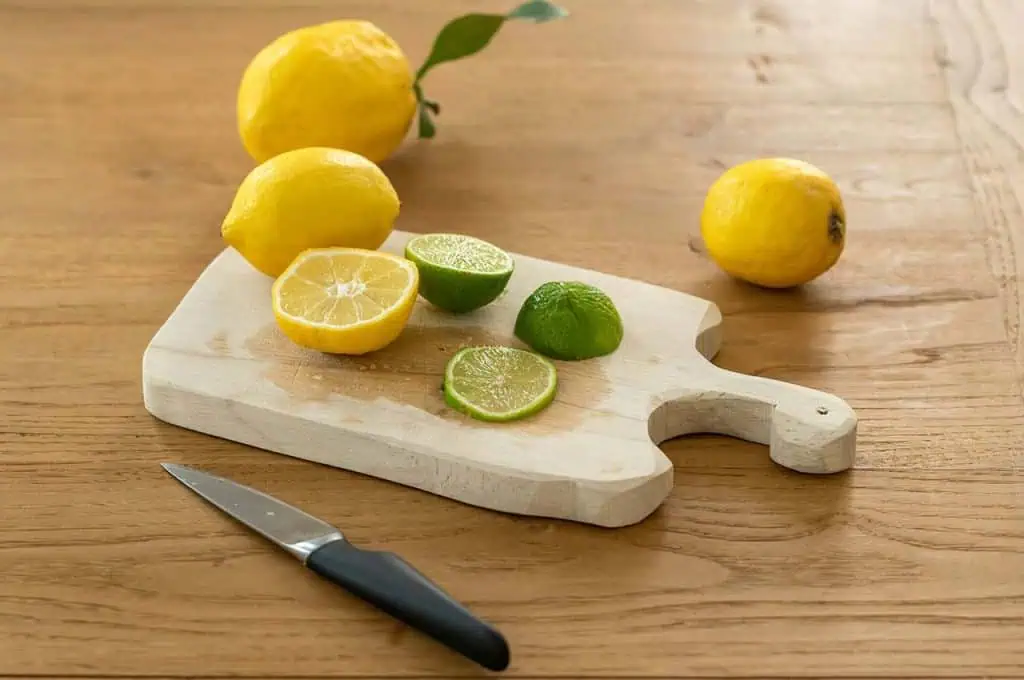
If a dish tastes “dull,” 9 times out of 10 it needs acid, not salt. Acid acts like a volume knob for flavor; it turns everything up and makes it bright.
- The Rule: Always add your acid at the very end.
- Lemon/Lime: Best for fish, roasted greens, and anything coming out of the Air Fryer.
- Vinegar: A splash of Red Wine or Apple Cider vinegar in a heavy stew cuts through the fat and wakes up your palate.
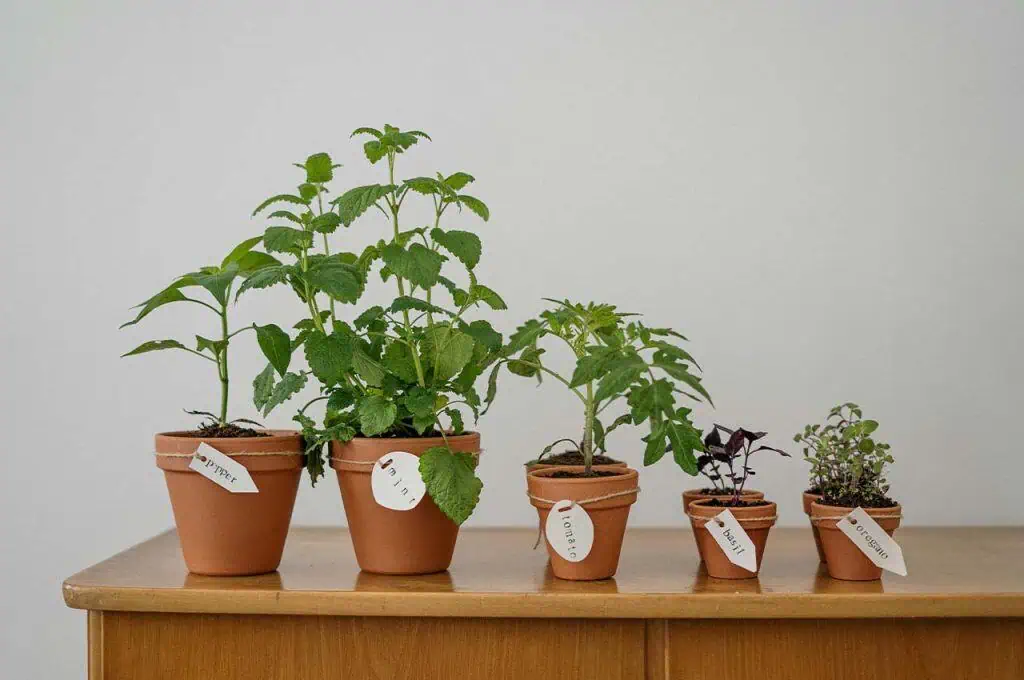
Use Your “Aromatics” Wisely
Onions, garlic, and celery are the “Big Three” for a reason. But don’t just throw them in all at once.
- Hardy Herbs: Rosemary and thyme go in early (perfect for Slow Cooker recipes).
- Tender Herbs: Parsley, cilantro, and basil should be added right before serving so they stay fresh and punchy.
Toast Your Spices
Don’t just dump dried spices into liquid. To bring out their essential oils, let them “bloom.” When you’re sautéing your onions and garlic, toss your cumin, chili powder, or paprika into the oil for about 45 seconds. Your kitchen will smell amazing, and the flavor will be twice as deep.
My 60-Second “Flavor Fix” Checklist
Before you add more salt, run through this mental list:
- Smell it: Does it smell “flat”? Add garlic or toasted spices.
- Add Acid: Hit it with a squeeze of lemon or a dash of vinegar.
- Add Heat: A pinch of red pepper flakes or black pepper adds excitement.
- Add Umami: A teaspoon of tomato paste or a sprinkle of Parmesan.
- Salt Last: If it still needs it, add a tiny pinch.
If you’re looking for a low-sodium win tonight, try my Instant Pot Chicken Tortilla Soup. Between the lime juice, the cumin, and the crunchy toppings, you won’t even realize how little salt is actually in the pot.
What’s one “salt-free” flavor booster you swear by? Let me know in the comments—I’m always looking for new tricks to try!
