
11 historic recipes that would break tik-tok today
If TikTok thrives on extremes, historic cooking would dominate the algorithm. Long before refrigeration, food labeling, or modern hygiene standards, people cooked for survival, thrift, and calorie density. Texture mattered less than preservation, and nothing edible was wasted. Many of these recipes were everyday meals, not stunts. If recreated today, they wouldn’t just go viral for curiosity, they’d spark disbelief, reaction videos, debates, and endless “how was this normal?” commentary.
Hardtack
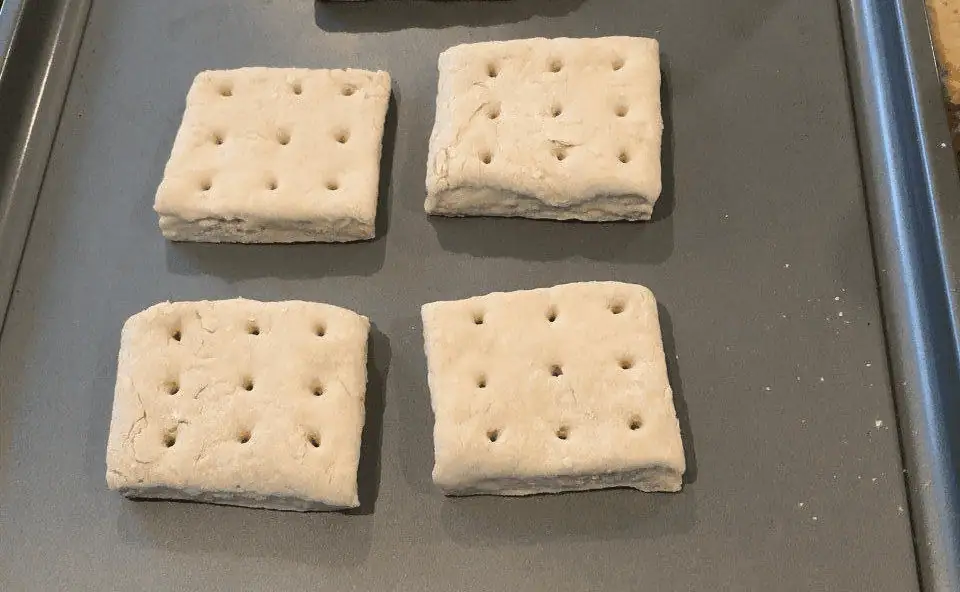
Hardtack was a survival biscuit designed to last for years without spoiling. Made from flour, water, and salt, it was baked repeatedly until all moisture disappeared. Soldiers and sailors soaked it in coffee or stew just to make it chewable. Bugs were common, flavor was nonexistent, and broken teeth weren’t rare. On TikTok, the rock-hard texture alone would trigger shock reactions, with creators testing its strength against tools and questioning how this counted as food rather than building material.
Jellied Eels

Jellied eels were once beloved street food, especially in working-class cities. Eels were chopped, boiled, and cooled until their natural gelatin formed a trembling mass. Served cold, the dish emphasized preservation over appeal. TikTok would fixate on the slippery texture, glossy surface, and fishy aroma. Modern seafood fans prefer crispy or flaky fish, making this dish almost guaranteed to spark gag reactions and heated comment sections.
Mock Turtle Soup
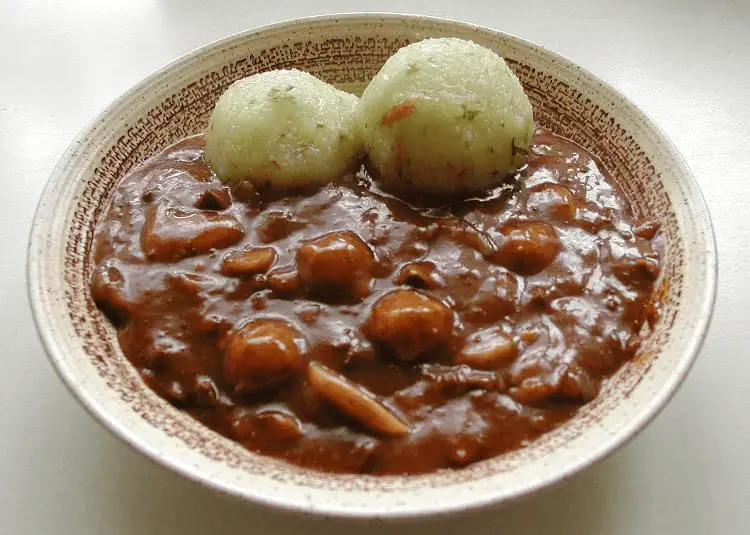
Mock turtle soup was created to imitate expensive turtle soup using calf’s head, brains, and gelatin-rich cuts. It was considered refined and impressive in the 19th century. Today, videos showing an entire animal head simmering into soup would explode online. The contrast between its historical elegance and modern discomfort would drive viral disbelief, with viewers struggling to reconcile luxury status with such graphic preparation.
Calf Brains

Calf brains were once prized as delicate and nutritious, often fried or gently cooked. The soft, custard-like texture was considered appealing. On TikTok, that same texture would dominate reaction videos, with close-ups triggering immediate discomfort. Combined with modern food safety fears and the psychological barrier of eating brains, this recipe would trend purely as shock content rather than culinary inspiration.
Meat in Aspic

Aspic involved suspending meat, vegetables, or eggs inside clear savory gelatin. Historically, it demonstrated preservation skill and presentation mastery. Today, TikTok would zero in on the unsettling jiggle and transparency of the dish. Slow-motion cuts, spoon tests, and first-bite reactions would flood feeds, with viewers debating whether aspic belongs in a museum or a horror film.
Blood Pudding

Blood pudding used fresh animal blood mixed with grains and fat to create a dense, iron-rich food. It was efficient, filling, and waste-free. While still eaten in some cultures, TikTok audiences would recoil at the explicit use of blood as an ingredient. The dark color, metallic associations, and preparation process would guarantee extreme reactions, stitched videos, and cultural debate.
Potted Meat

Potted meat was a preservation technique that turned scraps into long-lasting food. Meat was minced, seasoned, and sealed under thick fat to block air exposure. In its time, it was practical and even refined. TikTok would latch onto the greasy texture, mystery-meat appearance, and lack of freshness. The idea that this was once desirable rather than desperate would fuel disbelief-driven virality.
Suet Pudding

Suet pudding relied on raw animal fat mixed with flour and sometimes fruit, then boiled into a heavy, dense mass. It delivered enormous calories for cold climates and hard labor. Modern TikTok viewers, raised on low-fat messaging, would react strongly to fat being the main ingredient. The heaviness alone would inspire “one bite and done” reaction trends.
Pickled Pig’s Feet
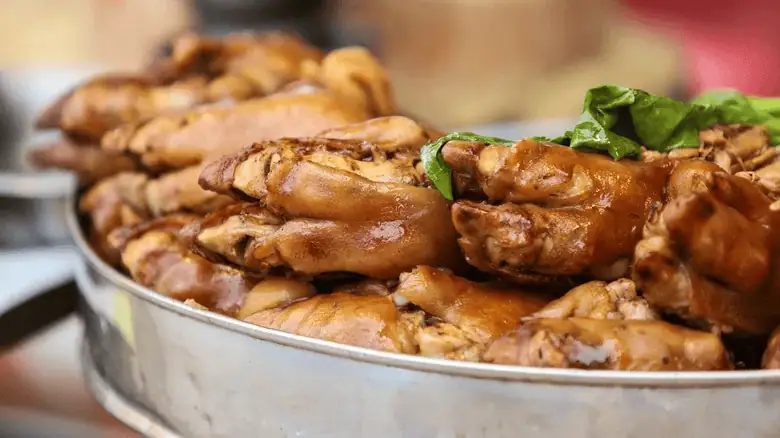
Pickled pig’s feet used vinegar to preserve collagen-rich cuts, creating a sour, gelatinous dish with unmistakable anatomy. Historically valued for nutrition and storage, the dish would dominate TikTok through texture close-ups and first-bite reactions. The visible bones and skin would be enough to send many viewers scrolling—or commenting in horror.
Head Cheese

Head cheese used meat and gelatin from an animal’s head to form a cold terrine. Nothing was hidden, and transparency was part of the appeal. TikTok would struggle with that honesty. Close-up slicing videos would spark equal parts fascination and disgust, making it perfect viral material for shock, education, and argument.
Milk Porridge
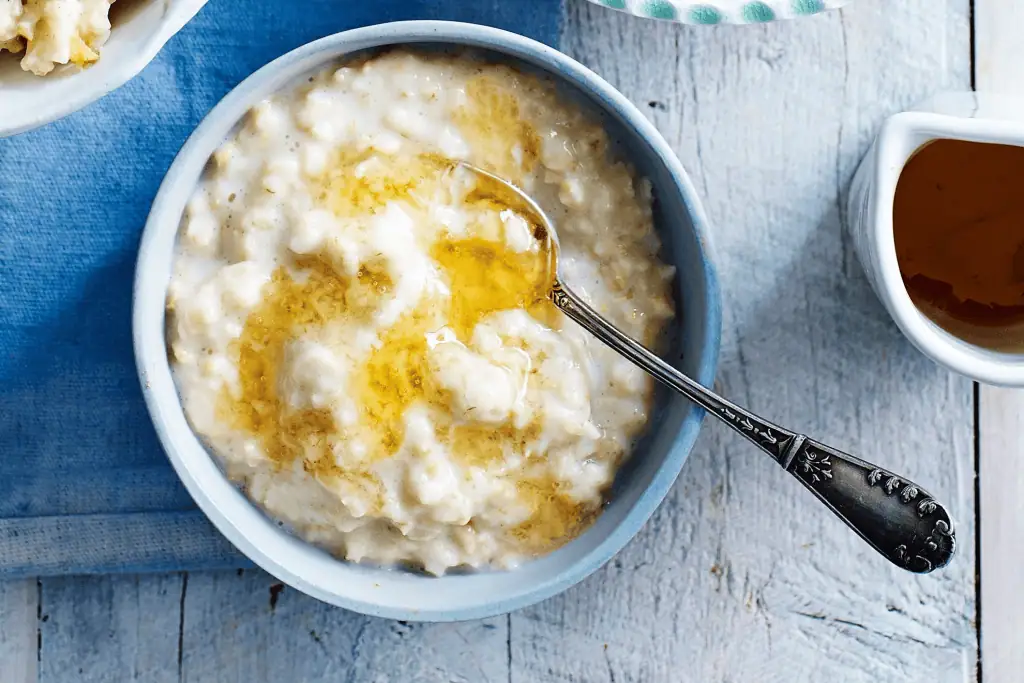
Milk porridge was a simple blend of grain and milk eaten for warmth and calories. While visually mild compared to other dishes, TikTok would roast its blandness. In a platform obsessed with indulgence and excess, a recipe valued purely for survival would feel almost rebellious, sparking ironic praise, mockery, and “why did anyone eat this daily?” debates.
