
10 Unwritten Etiquette Rules at Restaurants and Bars Everyone Should Know
Restaurants and bars operate on more than written policies and posted signs. Beneath the surface, there’s a shared code of behavior that keeps service smooth, staff respected, and other guests comfortable. These rules are rarely explained outright, which is why misunderstandings happen so often. Knowing them isn’t about being fancy; it’s about awareness. From how you interact with servers to how long you occupy a seat, these unwritten etiquette rules quietly determine whether you’re seen as an easy guest or a difficult one.
Don’t Seat Yourself Unless Clearly Invited
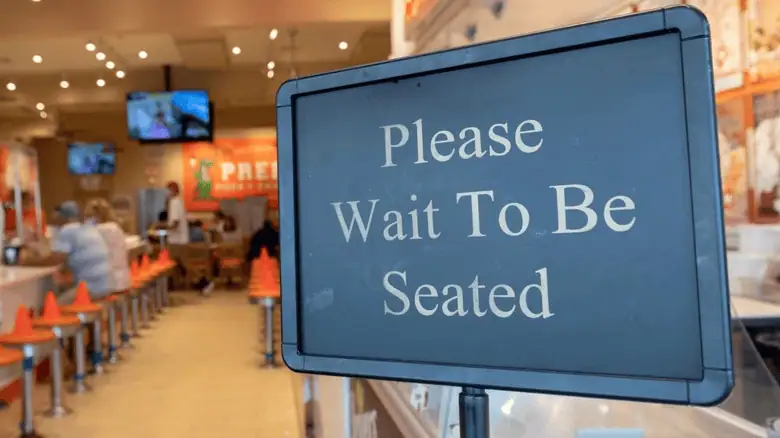
Unless a restaurant clearly posts “seat yourself,” waiting to be seated is an important courtesy. Hosts manage table rotation, reservations, server assignments, and pacing behind the scenes, even when the dining room looks empty. Seating yourself can disrupt that balance, leading to delayed service or confusion about who is responsible for your table. What feels like saving time often creates more problems. Respecting the host ensures smoother service and helps staff place you where timing and staffing actually work.
Servers Are Not Your Personal Assistants

Servers are there to guide your meal and handle requests, not to act as on-demand attendants. Snapping fingers, waving aggressively, or stacking multiple demands without pause adds unnecessary stress. Most servers are managing several tables at once, each with different needs. Clear, polite communication is far more effective than urgency or entitlement. Good etiquette recognizes that respectful interaction leads to better service, while impatience often does the opposite for everyone involved.
Don’t Rearrange the Dining Room
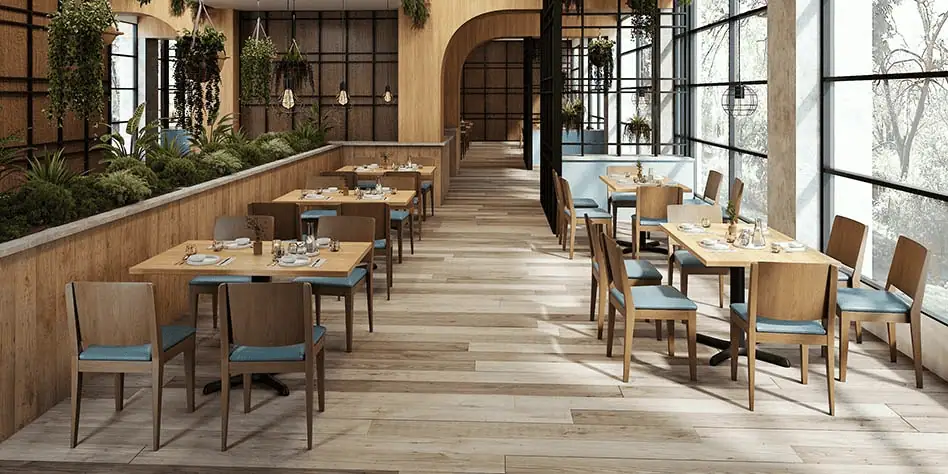
Moving chairs, pushing tables together, or blocking aisles without asking may seem harmless, but it can disrupt service flow and safety. Dining rooms are arranged intentionally to allow staff to move efficiently with trays, carts, and hot plates. Rearranging furniture can slow service or create hazards for servers and guests. If you need more space or a different setup, asking first shows respect and allows staff to help without compromising operations.
Understand the Pace of Service

Not every restaurant operates at the same speed, and expecting uniform pacing ignores how different environments function. A busy bar, a casual café, and a fine-dining restaurant all move according to different rhythms and expectations. Getting frustrated over timing without considering context adds tension unnecessarily. Observing how the room operates helps reset expectations. Good etiquette means adjusting your patience to the environment instead of demanding instant service that may not match the restaurant’s style, staffing level, or current volume.
Don’t Linger When the Place Is Packed
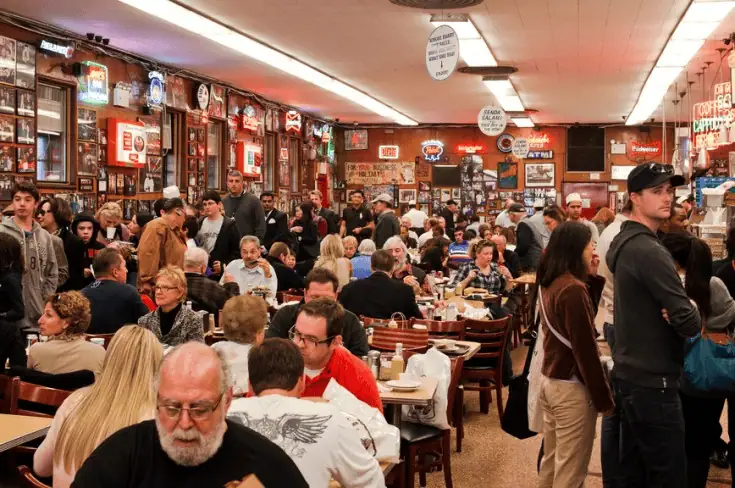
Enjoying your meal and conversation is part of dining out, but lingering long after finishing food and drinks during peak hours can create problems. Servers rely on table turnover to earn income, and other guests may be waiting. Staying longer is usually fine when the restaurant is slow, but awareness matters when it’s clearly busy. Reading the room and recognizing when your table is needed shows respect for staff, fellow diners, and the overall flow of service.
Use Your Phone Discreetly
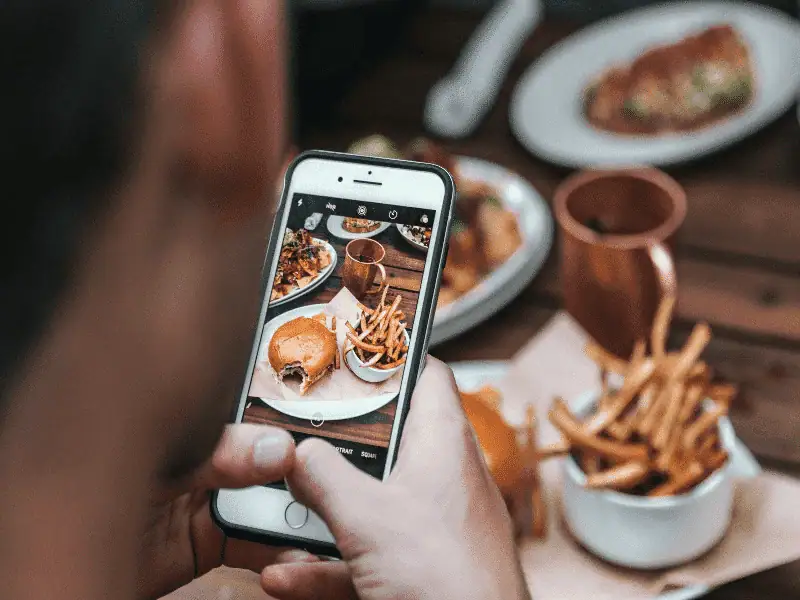
Phones are part of modern dining, but how they’re used matters. Taking a quick photo is usually fine, but loud videos, speakerphone calls, constant scrolling, or repeated flash photography disrupt the atmosphere. Restaurants are shared spaces, not private studios or offices. Excessive phone use can also disconnect you from your own table. Good etiquette means keeping phone behavior low-impact so conversations, ambiance, and the experience remain enjoyable for everyone around you.
you.
Order When You’re Ready

Asking for more time is perfectly acceptable, but signaling readiness and then delaying repeatedly slows the entire service flow. Kitchens time multiple orders together, and hesitation can create backups affecting many tables. If you need time, say so clearly. Once you’re ready, ordering confidently helps servers manage pacing and ensures food arrives smoothly. Respecting this rhythm improves not just your experience, but the experience of everyone dining around you.
Tip With Context, Not Emotion

Tipping should reflect effort, professionalism, and the realities of service work—not momentary frustration. Issues like long waits, kitchen delays, or staffing shortages are often beyond a server’s control. Reducing tips because of those factors misplaces responsibility. Good etiquette means tipping with awareness of the situation and recognizing consistent effort. Fair tipping supports workers navigating high-pressure environments and keeps the service system functioning with dignity and respect.
Respect Closing Time

Arriving just before closing or lingering well past it puts staff in an uncomfortable position. Even if doors are technically open, closing duties often begin earlier. Ordering minimally, eating efficiently, and leaving promptly shows consideration for employees who have been on their feet for hours. Etiquette isn’t about exploiting posted hours, it’s about understanding when a business is winding down and respecting the people preparing to end their workday.
Remember You’re Sharing the Experience
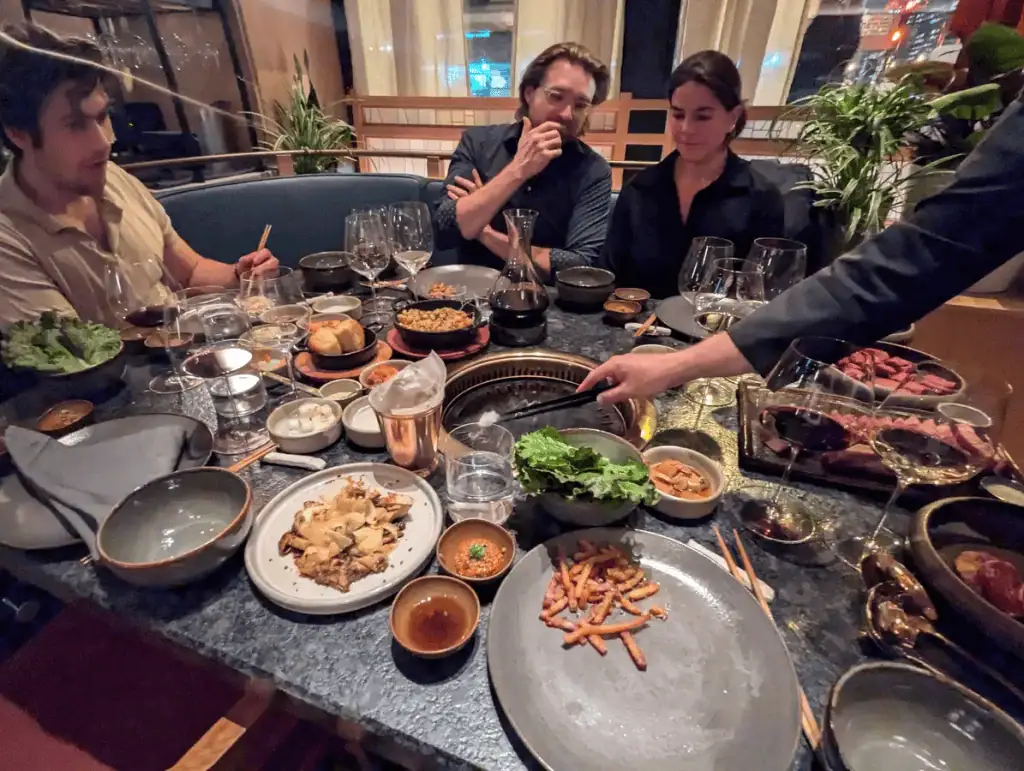
Restaurants and bars are communal environments, not private living rooms. Loud conversations, strong fragrances, blocking aisles, or disruptive behavior affect everyone nearby. Being mindful of volume, space, and movement helps maintain a comfortable atmosphere. Good etiquette means recognizing that your experience exists alongside others, not above them. Awareness and consideration are what keep shared spaces welcoming and enjoyable for everyone.
