
How our eating habits are expected to change over the next 10 years
Eating habits rarely change overnight, but over a decade they can transform completely. Advances in food technology, rising health awareness, climate pressures, and shifting work patterns are already influencing how and why people eat. The next ten years are expected to accelerate these changes, moving away from rigid meal traditions toward more flexible, intentional choices. Food will become less about routine and more about personalization, sustainability, and efficiency. These shifts won’t just affect what’s on our plates, but how we shop, cook, and think about nourishment itself.
Meals Will Become More Personalized

Over the next decade, eating will become increasingly individualized. Instead of following broad diet trends, people will tailor meals based on personal health data, preferences, and lifestyle needs. Advances in wearable tech, health apps, and nutrition tracking will guide food choices toward what works best for each person. This shift moves away from one-size-fits-all eating and toward customized routines that prioritize energy, digestion, and long-term wellness over popular diet labels.
Convenience Will Matter More Than Tradition

Traditional meal structures like three fixed meals a day are expected to loosen. As remote work, flexible schedules, and gig-based lifestyles expand, people will eat when it fits their day rather than the clock. Portable, ready-to-eat, and heat-and-serve foods will become more normalized, even for home cooks. Convenience won’t mean lower quality, but smarter formats that match how people actually live rather than how meals used to be structured.
Protein Sources Will Diversify

Protein will remain central to diets, but its sources will continue to expand. While meat won’t disappear, plant-based proteins, hybrid foods, and alternative sources will become more common. People will choose protein based on cost, sustainability, and digestion rather than tradition alone. The next decade will likely normalize rotating between animal, plant, and blended proteins instead of committing fully to one category.
Home Cooking Will Become Simpler, Not Fancier

Despite online cooking content becoming more elaborate, everyday home cooking is expected to become simpler. People will favor fewer ingredients, shorter cooking times, and repeatable meals that reduce decision fatigue. Instead of chasing complex recipes, cooks will rely on adaptable staples and techniques that work across multiple dishes. Efficiency and consistency will matter more than presentation or novelty.
Snacks Will Replace Full Meals More Often

Snacking will increasingly replace traditional meals, especially during workdays. Rather than seeing snacks as unhealthy, people will treat them as intentional mini-meals designed to provide balance and energy. Protein-rich, fiber-forward, and nutrient-dense snacks will dominate, blurring the line between meals and grazing. This reflects changing work rhythms and a move toward sustained energy rather than large, heavy meals.
Sustainability Will Influence Everyday Choices
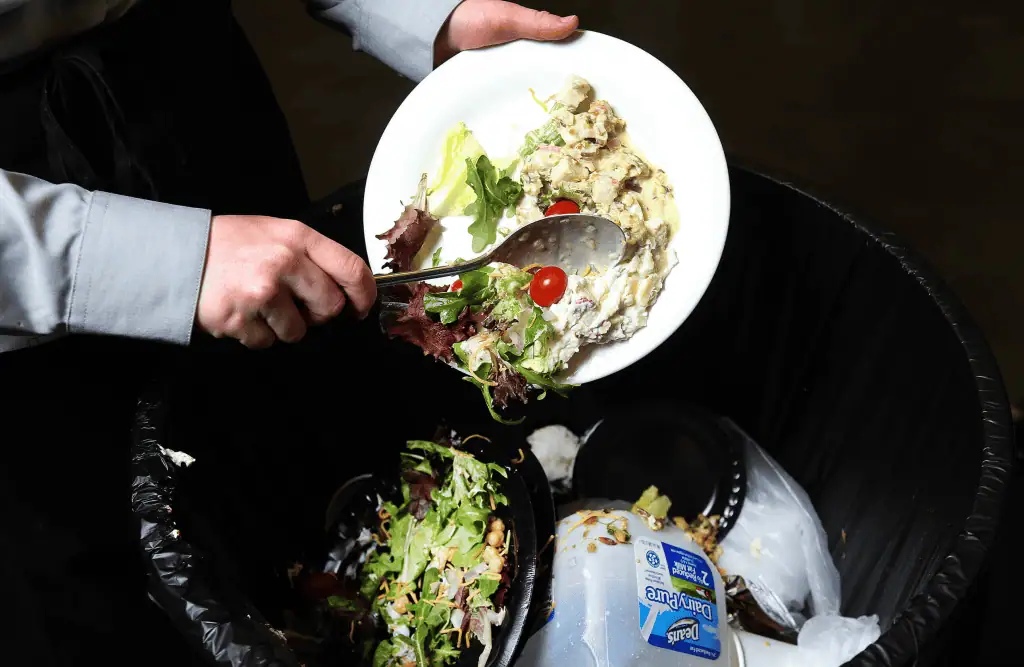
Environmental awareness will play a bigger role in everyday eating decisions, not just special occasions. Shoppers will pay more attention to food waste, packaging, and sourcing, even when shopping on a budget. Eating habits will shift toward foods that last longer, store better, and reduce waste. Sustainability will become less about perfection and more about practical, incremental choices people can maintain long term.
