
10 Teas Beyond Matcha Everyone’s Sipping Around the World Right Now
Matcha’s rise didn’t just popularize one tea it reshaped how people think about tea altogether. Drinkers began looking for depth, ritual, and everyday comfort rather than novelty alone. Across cultures, teas that feel grounding, adaptable, and easy to integrate into daily life are gaining momentum. These aren’t flashy trends meant to fade; they’re rooted in long-standing traditions that happen to fit modern habits surprisingly well.
Oolong Tea
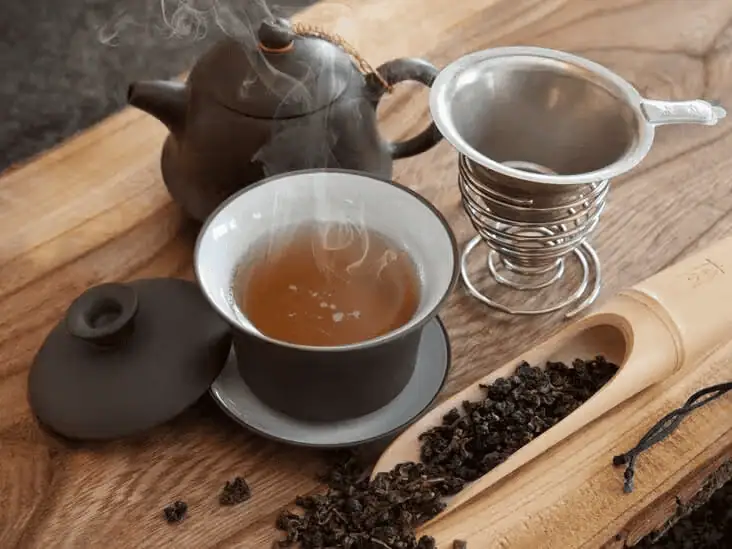
Oolong occupies the space between green and black tea, offering complexity without heaviness. Its flavor shifts depending on oxidation level, brewing time, and even multiple infusions, which keeps drinkers engaged. In China and Taiwan, oolong has been part of everyday tea culture for centuries. Globally, its popularity is growing among people who want something nuanced but not overpowering. It works equally well as a morning tea or an afternoon companion to food.
Rooibos
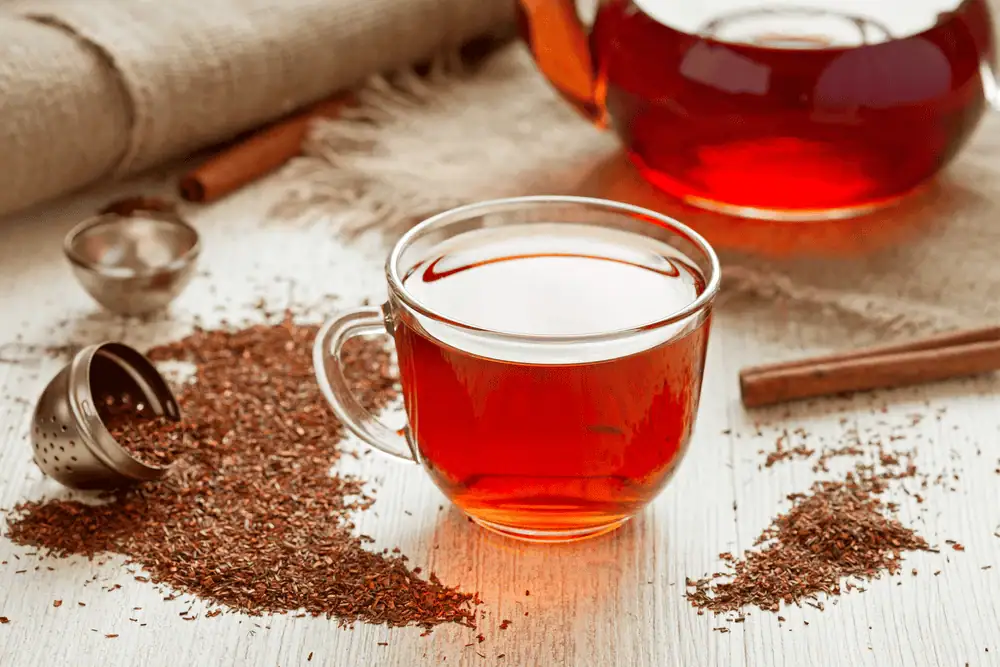
Rooibos has become especially popular among people seeking ritual without stimulation. Naturally caffeine-free and low in bitterness, it offers a soft, slightly sweet flavor that feels soothing rather than energizing. Originating in South Africa, rooibos is now widely consumed in the evening or as an all-day alternative to black tea. Its rise reflects a broader move toward gentler beverages that support calm routines instead of constant alertness.
Butterfly Pea Flower Tea
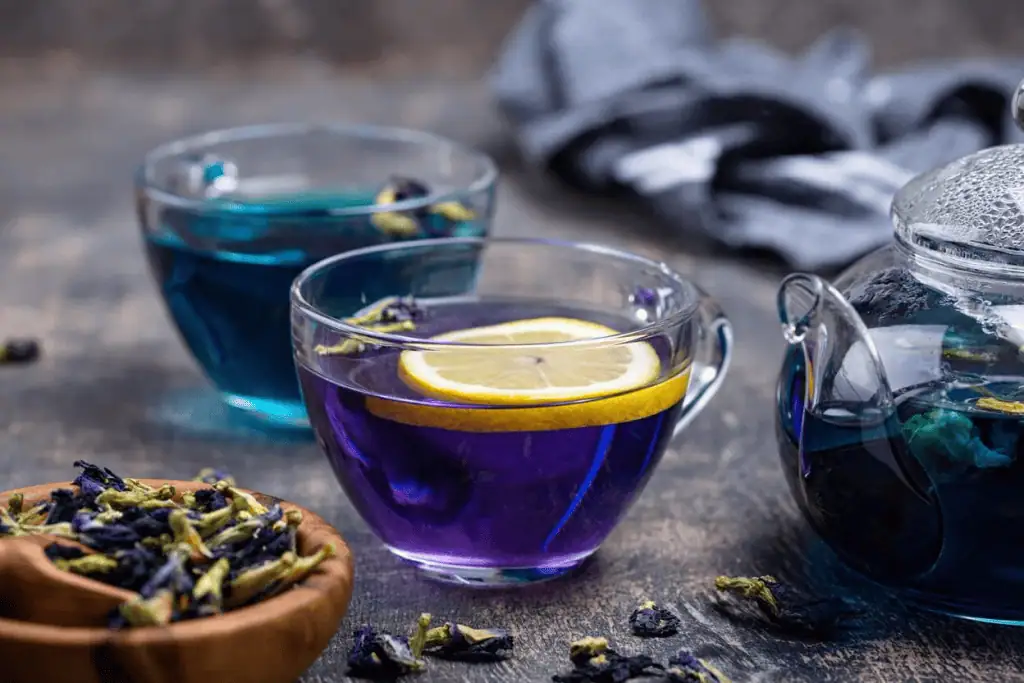
Butterfly pea flower tea gained attention first for its dramatic color, but it’s staying popular because of its mild, adaptable flavor. Traditionally consumed in parts of Thailand and Vietnam, it’s naturally caffeine-free and easy to pair with citrus or herbs. The color-changing effect adds interest, but the appeal now lies in its versatility as a relaxing, visually pleasing daily tea rather than a novelty drink.
Pu-erh
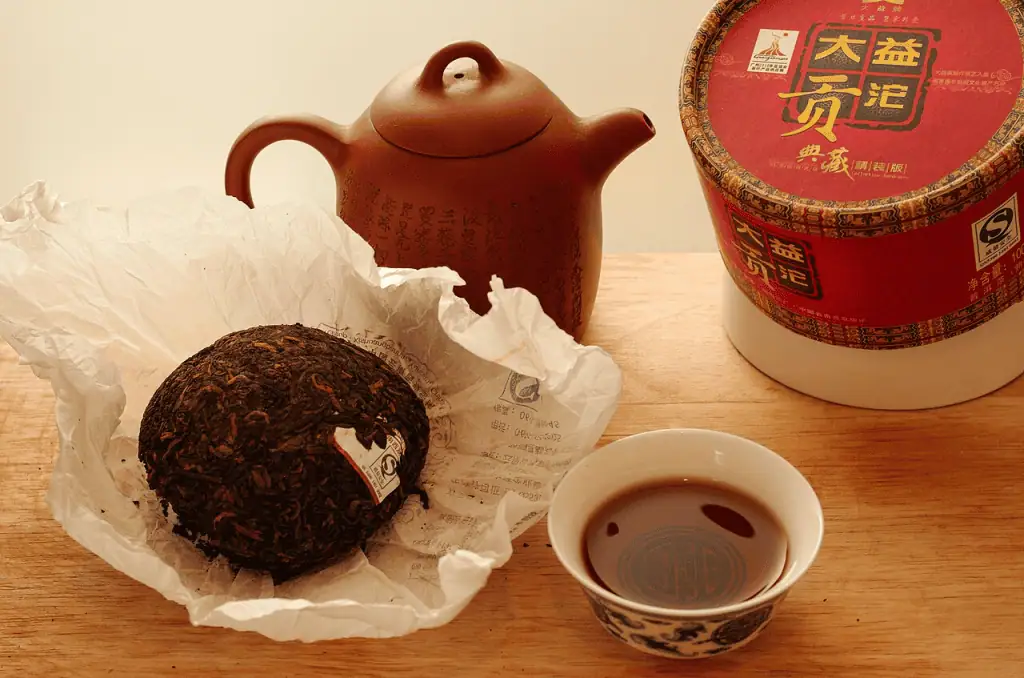
Pu-erh attracts drinkers who enjoy slow rituals and layered flavors. This fermented tea develops earthy, woody notes that evolve with age, making each batch feel distinct. Traditionally consumed in China, pu-erh is now finding a global audience among people drawn to intentional brewing practices. Its popularity reflects growing interest in teas that feel collected and grounded, offering depth without sweetness or sharpness.
Hibiscus Tea
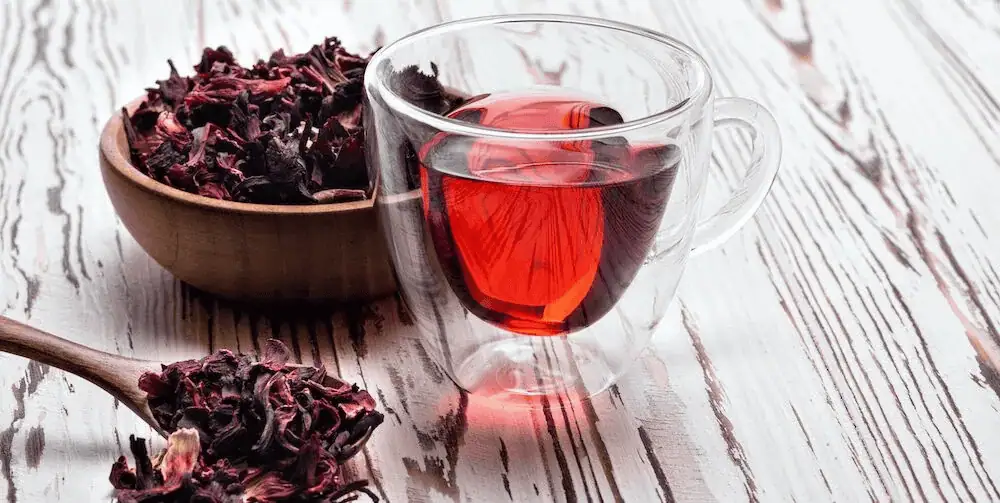
Hibiscus tea stands out for its deep red color and bright, tart flavor that feels refreshing without being overpowering. Served hot or iced, it has long been part of everyday drinking culture in Mexico, Egypt, and many regions across Africa. Drinkers value it because it delivers bold taste without caffeine or added sugar. As more people seek naturally vibrant beverages, hibiscus has become a go-to choice that feels lively, uncomplicated, and firmly plant-forward rather than trendy or processed.
Yerba Mate

Yerba mate has gained global attention as a steady-energy alternative to coffee. Traditionally shared socially in Argentina and neighboring regions, it offers alertness without sharp spikes. Its grassy, slightly bitter flavor appeals to people who enjoy structure and routine. As flexible work habits grow, yerba mate’s reputation as a focus-supporting drink continues to spread beyond its cultural roots.
Jasmine Tea
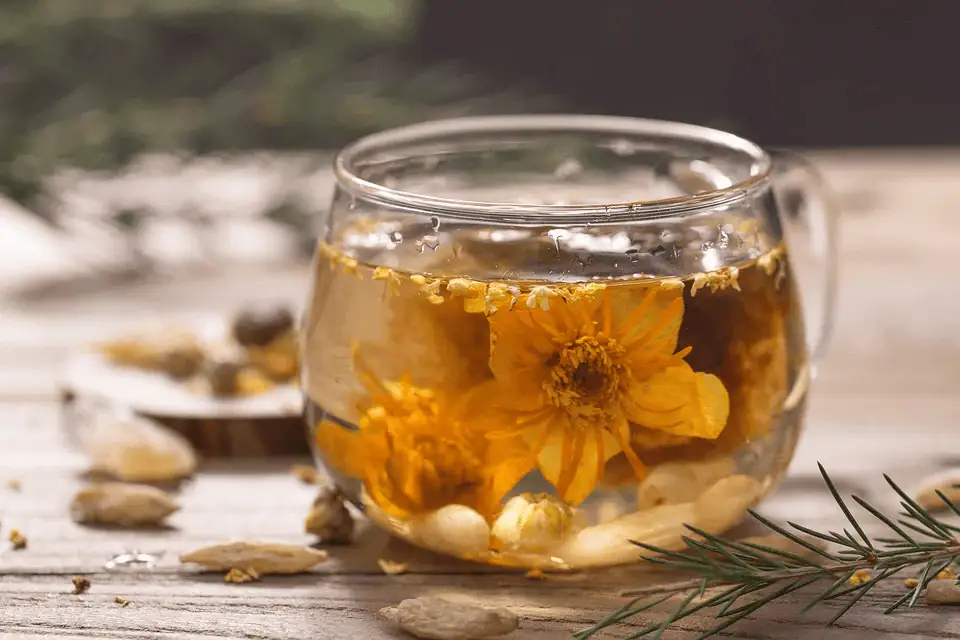
Jasmine tea remains popular because it prioritizes aroma and calm over intensity. Tea leaves gently scented with jasmine blossoms create a floral fragrance that feels comforting rather than overwhelming. Widely consumed in China, jasmine tea has found renewed popularity among drinkers who want subtle flavor and a soothing experience. Its rise shows how quiet, familiar tastes are reclaiming space in modern tea culture.
Genmaicha

Genmaicha blends green tea with roasted rice, resulting in a warm, nutty flavor that feels almost meal-like. Associated with Japan, it’s appreciated for being less bitter and more filling than standard green teas. Drinkers often choose it alongside meals or during slow afternoons. Its growing popularity reflects interest in teas that feel grounding and practical rather than strictly ceremonial.
Chamomile

Chamomile has moved beyond its reputation as a sleep-only tea into daily use. Its gentle, apple-like flavor and calming effect make it popular during evenings or moments of rest. Used across Europe and the Middle East for generations, chamomile’s renewed popularity reflects a cultural shift toward intentional slowing down. It’s chosen for comfort and reliability, not excitement, which aligns perfectly with current wellness priorities.
Masala Chai

Masala chai continues to gain momentum as people embrace warming, spiced drinks. Brewed with black tea, milk, and spices like cardamom, ginger, and cloves, it’s deeply woven into everyday life in India. Outside South Asia, its popularity reflects growing appreciation for beverages that feel nourishing and substantial. Masala chai blurs the line between drink and comfort food, making it a daily ritual rather than a trend.
