
13 Meats the U.S. Has Prohibited Now
In the United States, certain meats have been prohibited from consumption due to various ethical, cultural, and environmental considerations. These restrictions stem from a combination of legislative actions and public sentiment aimed at protecting animal species and adhering to social norms. Understanding these prohibitions offers insight into changing food policies that reflect broader societal values. This guide explores 13 meats not available in American markets, focusing on the reasons for their exclusions and the implications for chefs and consumers alike.
The Forbidden Taste of Horse Meat

Horse meat has historically been consumed in various parts of the world but is banned in the U.S. due to cultural sensibilities and legislative measures. The Horse Protection Act effectively halts the slaughter of horses for meat, reflecting a strong affinity Americans have for these animals as companions and symbols of freedom. In the kitchen, alternatives such as beef or bison provide similar textures and protein profiles without crossing cultural boundaries. Understanding these restrictions enriches one’s knowledge of culinary practices and ethical considerations.
A Giant Rule: No Beluga Whale Meat
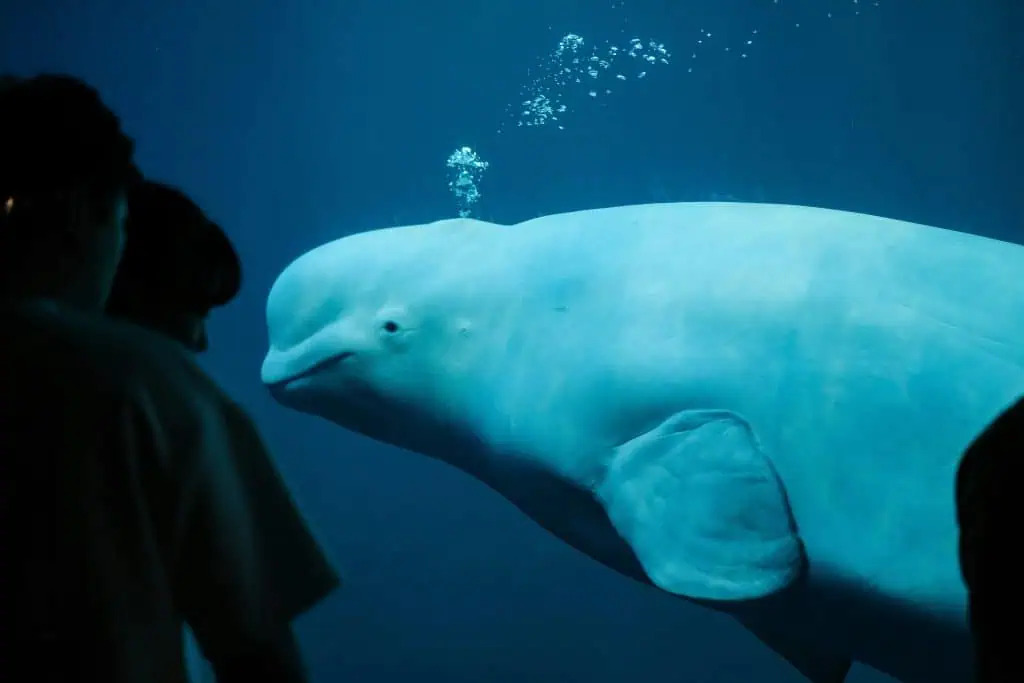
Beluga whale meat is not consumed in the U.S. due to conservation efforts and international agreements protecting marine life. The Marine Mammal Protection Act prohibits the hunting and harvesting of whales, emphasizing the importance of preserving these majestic creatures. Rather than seeking exotic meats, chefs might explore ocean-friendly fish and sustainable seafood. This approach not only complies with legal standards but supports ecological balance while still offering exquisite flavors and textures for culinary creation.
Dog Meat: A Cultural Controversy

Dog meat is prohibited in the U.S., aligning with the strong emotional bonds Americans share with dogs as pets. This ban also reflects widespread ethical concerns and animal welfare advocacy. While cultural differences exist globally, the U.S. enforces these restrictions to honor societal norms. Those seeking unique culinary experiences can explore ethically sourced meats that match adventurous palates without infringing on moral values, enhancing creativity within accepted dietary frameworks.
Why Cat Meat Is Off the Table

Cat meat is banned in the United States, marking a clear stand on animal welfare and companion animal protection. Cats, much like dogs, are cherished family members, and consuming them goes against deeply ingrained values. For culinary adventurers, the prohibition serves as a reminder to respect cultural sensitivities while innovating with ethically acceptable ingredients. Preparing dishes that challenge the palate can be achieved through thoughtful ingredient selection, ensuring respect for both tradition and contemporary ethical standards.
Seal Meat: Tradition vs. Ban
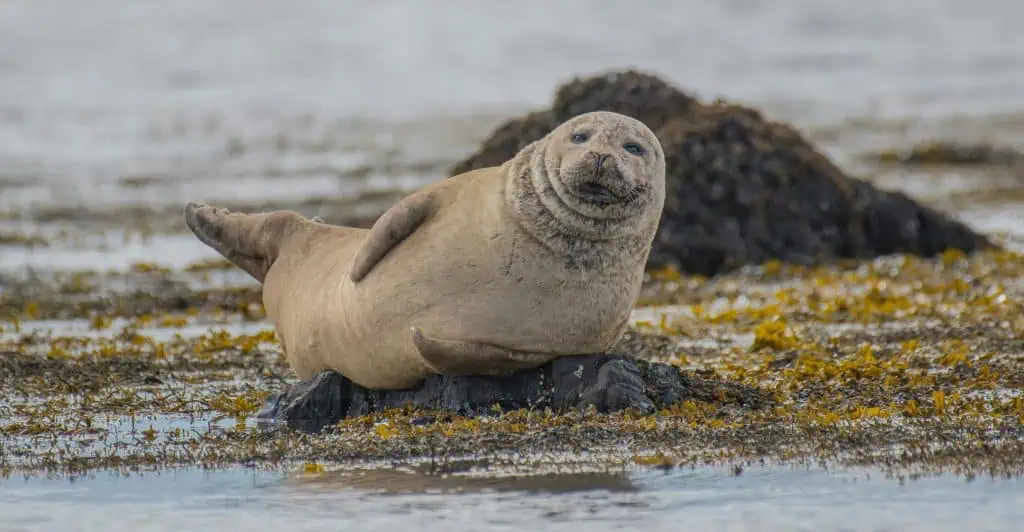
Seal meat, once a part of indigenous diets, symbolizes a clash between cultural practices and modern regulations. The U.S. bans its import to protect marine mammals and discourage hunting. While traditional preparation involves simple boiling and seasoning, respecting the natural flavors of the meat, it’s the ethical and legal landscapes that shape its accessibility. Home chefs curious about similar flavors might explore sustainable seafood options, focusing on using ingredients like fish or shellfish that comply with conservation standards.
Bushmeat: Protecting Primates

Bushmeat trade, involving wild primates, poses significant conservation risks. The U.S. bans its import to protect endangered species and prevent disease transmission. Its traditional preparation, often grilled or stewed, reflects deep cultural roots, but home cooks should prioritize ethical considerations. Embrace plant-based proteins or sustainably farmed meat alternatives for nutrient-rich, eco-friendly dishes. Balancing tradition with conservation, culinary exploration can continue without compromising biodiversity.
Ortolan Bunting: A Delicacy Denied

The ortolan bunting, a small songbird, was once a gourmet delight in France, consumed whole under a napkin. However, due to declining populations, its import is now prohibited in the U.S. Chefs can emulate its luxurious profile by focusing on ethically sourced game birds with similar textures, like quail or pheasant. Techniques such as brining or confiting enhance flavor and tenderness, while respecting wildlife ensures a guilt-free indulgence in high-end cuisine.
Haggis Hurdles: Sheep Lung’s Legal Block

Haggis, a savory pudding of offal, oats, and spices, faces hurdles due to the U.S. ban on sheep lung, a key ingredient. This restriction, initially due to health concerns, hasn’t diminished its cultural significance. Home chefs can craft authentic haggis by substituting with other organ meats, such as liver or heart, and incorporating grains for texture. Mastering spice blends ensures the dish’s characteristic robustness, allowing a taste of Scotland’s culinary heritage while adhering to regulations.
Turtle Troubles: Protecting Species

The consumption of turtle meat is largely banned in the U.S. to safeguard declining species. Historically prized for its depth of flavor, turtle meat was often slow-cooked in stews. Responsible chefs today can capture its essence using sustainable proteins like farmed alligator or ethically sourced shellfish. Incorporating rich aromatics and slow-cooking methods will provide complexity and mimic traditional preparations, honoring flavor while supporting conservation efforts.
Dolphin Meat: Ocean Giants Protected

In the United States, the protection of dolphins reflects a commitment to preserving ocean ecosystems and respecting these intelligent mammals. Dolphin meat, once consumed in various cultures, is now illegal due to ethical concerns and a rich history of conservation efforts. Dolphins are known for their high mercury levels, posing health risks to consumers and making their consumption undesirable. Emphasizing sustainable fishing practices, the U.S. encourages the appreciation of marine life without exploitation. This shift highlights a broader move toward ethical wildlife management.
Casu Marzu: Larvae Secrets Unraveled

Casu Marzu, a traditional Sardinian delicacy, is illegal in the U.S. due to its unconventional preparation involving live larvae. This cheese, made from sheep’s milk, undergoes fermentation induced by the larvae of the cheese fly. While its creamy texture and intense flavor are celebrated by enthusiasts, the sanitary concerns outweigh the curiosity to keep it off U.S. shelves. Instead, explore aged artisanal cheeses that offer complex flavors without the health risks associated with live insects, ensuring a safe and delightful cheese experience.
Pangolin Perils: Scales and Suspicions

Pangolins, scaly anteaters often poached for their meat and scales, face strict protection under U.S. law. These unique creatures, rich in cultural symbolism, are at the center of conservation efforts due to their endangered status. The illegal trade, driven by misconceptions about their medicinal properties, has led to a complete ban on pangolin products in the U.S. Supporting global wildlife protection initiatives, the ban underscores the importance of safeguarding our biodiversity. Enjoying legally sourced, sustainable proteins honors these rare animals while fostering eco-consciousness.
Polar Bear Meat: Arctic Icon Safe

The hunting and consumption of polar bear meat are banned in the U.S., recognizing the species’ status as a vulnerable icon of the Arctic wilderness. With climate change intensifying habitat loss, the protection of polar bears is crucial. While traditional meals in some Arctic communities include this meat, strict regulations prohibit its trade and consumption in the U.S., focusing on conservation. Instead, home cooks are encouraged to explore sustainable seafood options that reflect respect for environmental balance without endangering species.
