
8 Food Business Practices From the ’70s That Wouldn’t Fly Today
The 1970s marked a turning point in America’s food system. Mass production expanded faster than regulation could keep up, and many practices were shaped by speed, profit, and marketing rather than safety or transparency. Oversight existed, but it lagged behind innovation and scale. Over time, scientific research, consumer advocacy, and high-profile lawsuits forced change. Rules tightened, accountability increased, and transparency became an expectation rather than an option. Looking back, many practices once considered normal wouldn’t just raise concern today, they would trigger fines, recalls, or even facility shutdowns under modern food safety laws.
Selling Foods with Additives that Lacked Modern Safety Testing

In the 1970s, food companies were allowed to introduce new additives with limited long-term testing. Preservatives, colorants, and stabilizers often entered the food supply based on short-term safety data or industry-backed studies, long before cumulative health effects were understood. Oversight existed, but it was looser and slower to respond to emerging concerns. Today, ingredient approval requires far more rigorous evidence, detailed documentation, and ongoing monitoring after products reach the market. This shift reflects lessons learned from past approvals, where convenience and innovation sometimes outpaced caution, creating risks that only became clear decades later.
Marketing Directly to Children Without Limits

Food marketing to children in the 1970s operated with almost no restrictions. Sugary cereals, snacks, and drinks were advertised aggressively during Saturday morning cartoons and children’s programming, using characters, prizes, and exaggerated health claims. There were few rules governing how nutrition was presented or how persuasive tactics were used. Modern regulations and industry standards now impose limits on claims, disclosures, and targeting strategies, especially for foods high in sugar or low in nutritional value. While advertising still exists, today’s rules acknowledge that children are uniquely vulnerable to marketing and require greater responsibility from brands.
Minimal or Missing Ingredient Disclosure

In the 1970s, ingredient labels were often vague or incomplete. Packages commonly listed broad terms like “artificial flavoring” or “spices” without explaining what those ingredients actually were. Allergen disclosure was inconsistent or nonexistent, leaving consumers with little information to guide decisions. Today’s labeling laws are far stricter, requiring standardized ingredient names, full disclosure, and clear identification of major allergens. This transparency allows shoppers to understand what they’re eating and why it’s there. The contrast highlights how consumer rights evolved from trust-based assumptions to information-based protection.
Unsafe Kitchen and Factory Working Conditions
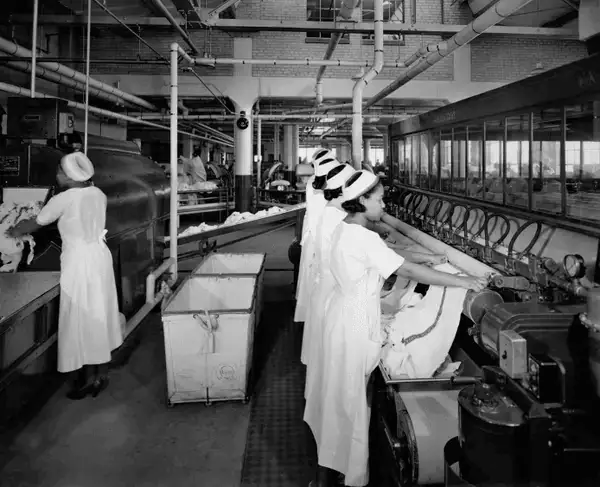
In earlier decades, many food factories and commercial kitchens operated with weak worker safety standards. Protective gear was inconsistent, sanitation training was minimal, and injuries were often treated as part of the job. These conditions didn’t just endanger workers, they increased contamination risk. Today, food safety laws closely link worker safety to public health. Facilities are required to follow strict hygiene protocols, provide training, and maintain protective standards that reduce both injury and foodborne illness. The shift reflects a clearer understanding that unsafe workplaces almost always lead to unsafe food.
Using Questionable Sanitation Practices

Some food businesses once relied on chemical shortcuts or minimal cleaning between production runs, especially when oversight was limited. Equipment might be wiped down quickly instead of fully sanitized, and documentation was rare or nonexistent. These practices saved time but increased contamination risk. Today, sanitation is one of the most regulated parts of food production. Facilities must follow detailed cleaning schedules, maintain written logs, and pass regular inspections. This system creates accountability and traceability, making it far harder for unsafe practices to hide. Modern food safety depends as much on process control as on ingredients.
Selling Products With Misleading Health Claims

In the 1970s, food companies could freely label products as “healthy,” “natural,” or “wholesome” without proving those claims. Marketing language often mattered more than nutritional reality, leaving consumers misled. Today, health claims are tightly regulated. Companies must support statements with scientific evidence, and vague or deceptive wording can trigger fines, recalls, or lawsuits. This shift protects consumers from marketing-driven nutrition myths and forces brands to be more precise. What once passed as harmless exaggeration is now recognized as a public health issue with real consequences.
Limited Oversight of Meat and Poultry Processing
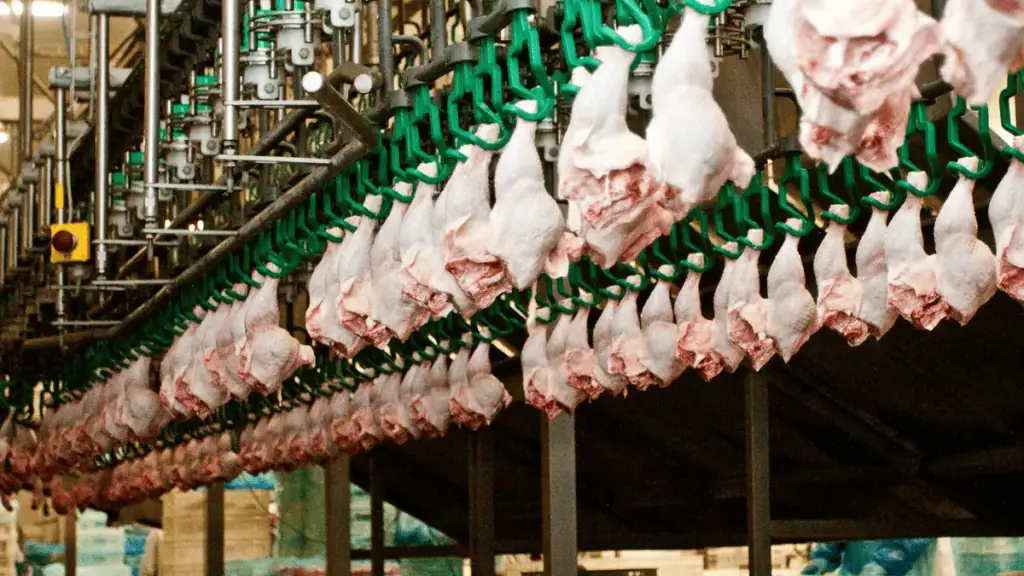
In the 1970s, meat and poultry processing plants operated with far less oversight than they do today. Inspection frequency was lower, enforcement was inconsistent, and traceability systems were minimal. Plants could function for long periods with limited supervision, increasing the risk of contamination reaching consumers. Modern regulations dramatically changed that landscape. Today, meat and poultry are subject to continuous inspection, strict sanitation controls, and detailed tracking from processing to distribution. These safeguards didn’t exist decades ago and were implemented only after repeated public health failures highlighted how dangerous weak oversight could be.
Ignoring Allergen Risks Entirely
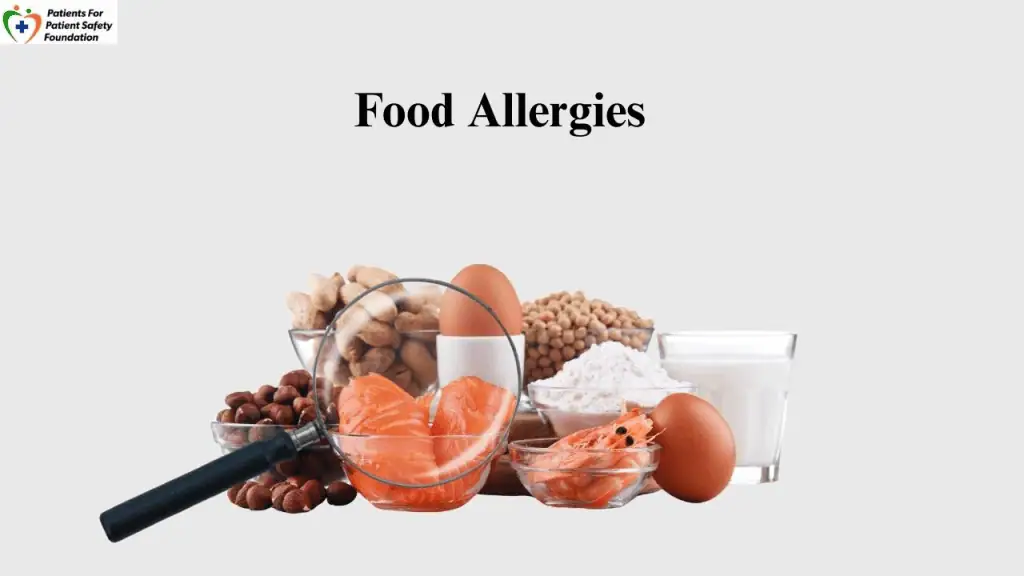
Food allergies were poorly understood in the 1970s and largely ignored in food production. Cross-contamination wasn’t treated as a serious concern, and ingredient labels offered little to no warning for consumers with sensitivities. Allergic reactions were often seen as rare or unavoidable rather than preventable. Today, that mindset has shifted completely. Modern food laws require clear allergen labeling, standardized warnings, and preventive controls in kitchens and factories. These changes recognize allergies as a public health issue, not an individual inconvenience, and aim to protect vulnerable consumers before harm occurs.
