
9 Ways Your Grocery Store Is Secretly Shaping What You Eat
Welcome, smart shoppers, to a fascinating behind-the-scenes look at the grocery store! Every time you walk through those automatic doors, you are entering a space that has been carefully crafted to influence your choices. From the soothing music playing overhead to the colorful displays calling your name, stores are designed to guide you toward certain products and tempt you with unexpected purchases. But here is the exciting part: once you understand these strategies, you gain the power to shop with intention and confidence. You become the one in control of your cart, not the other way around.
Think of this article as your secret decoder ring for the supermarket. We are going to uncover the clever tricks behind eye-level shelves, endcap displays, free samples, and more, so you can spot them in action during your very next trip. Instead of feeling overwhelmed or manipulated, you will feel empowered to make choices that truly match your needs, your budget, and your health goals. Whether you are a seasoned shopper or just starting to pay attention to how stores work their magic, this post will help you navigate the aisles with a sharper eye and a smarter plan. Let’s head to the grocery store and take charge!
Eye-Level Shelves: Where Profits Meet Your Cart

Products placed at eye level are more likely to be purchased due to their convenient visibility. These shelves are prime real estate for brands willing to pay a premium to ensure their goods catch your eye first. Often, these items are not the healthiest or most affordable options, but their placement suggests otherwise. To make informed choices, explore the lower and upper shelves, where you might find equally, if not more, satisfying alternatives.
Endcaps That Trigger Impulse Buys
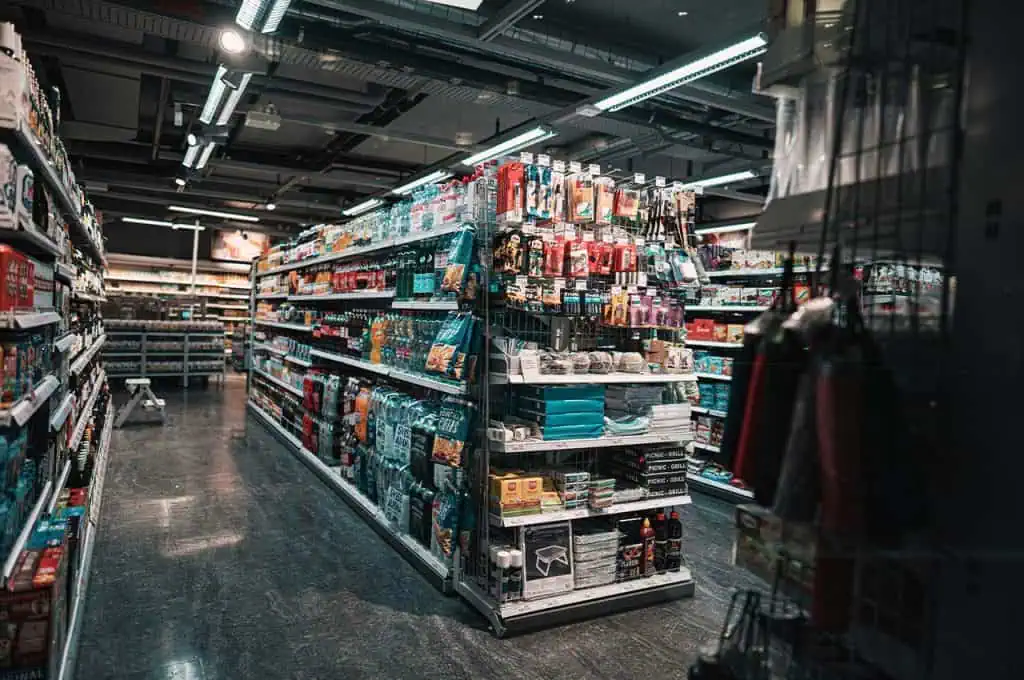
Endcaps are those attention-grabbing displays at the ends of aisles. They are cleverly curated to incite impulse purchases, often showcasing items on promotion or in high demand. Their strategic placement plays into the shopper’s psychological triggers for excitement or necessity. As you navigate past these vibrant setups, pause to consider if these items truly align with your needs or if they’re simply appealing in the moment.
Essentials Placed to Maximize Your Journey

Staple items like milk, eggs, and bread are commonly located at the back of the store. This intentional placement requires you to traverse numerous aisles, increasing exposure to other products along the way. The journey maximizes the potential for additional, unplanned purchases. Efficient shopping involves sticking to a predetermined list and considering whether alternative brands or nearby commodities might better serve your needs.
Mood Lighting and Music for Spending
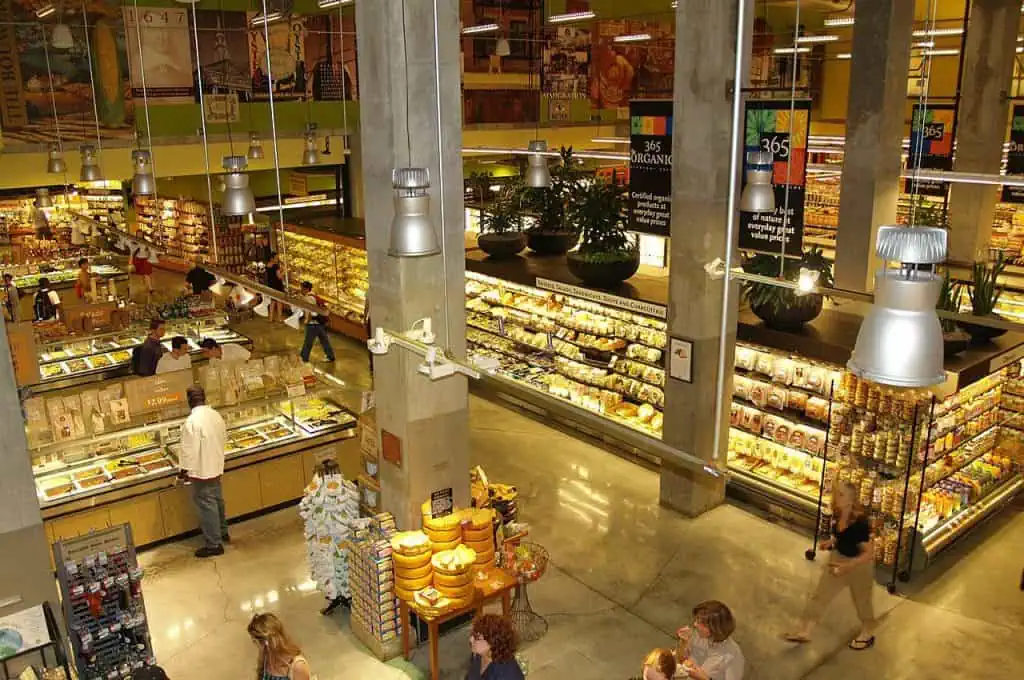
The ambiance of a grocery store subtly affects shopping behavior, with lighting and music playing pivotal roles. Soft lighting can create a relaxed environment, encouraging leisurely exploration, while upbeat music might energize and quicken your pace. Both strategies aim to influence how long you remain in the store and how much you spend. Being aware of these elements can help you maintain control over your shopping environment and spending habits.
How Free Samples Prime You to Purchase

Free samples are a strategic tool designed to create a personal connection between you and the product. When you taste a sample, it activates your sensory experience, bypassing rational decision-making and appealing directly to the palate. This often leads to impulse buys you wouldn’t plan otherwise. To navigate this, approach samples with a critical palate, noting taste, texture, and how the product fits your needs. This awareness helps maintain control over your shopping habits, ensuring purchases are intentional rather than spontaneous.
Color Psychology in Packaging and Signage
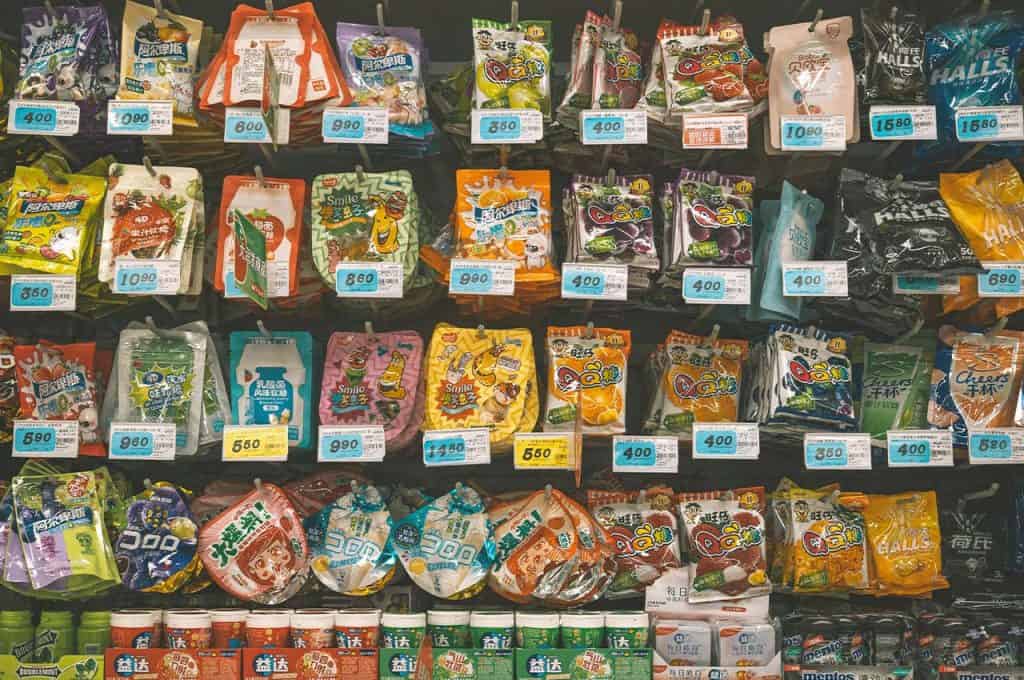
Colors in packaging and signage are meticulously selected to influence your emotions and drive purchasing decisions. Bright, vivid colors like red and yellow trigger excitement and urgency, while greens and blues convey freshness and trust. This strategic use of color can subtly steer you toward certain items. By recognizing these cues, you can critically evaluate your choices, focusing on the product’s quality and value rather than its visual appeal. Understanding these psychological triggers helps you shop more mindfully.
Loyalty Programs Tracking Your Habits
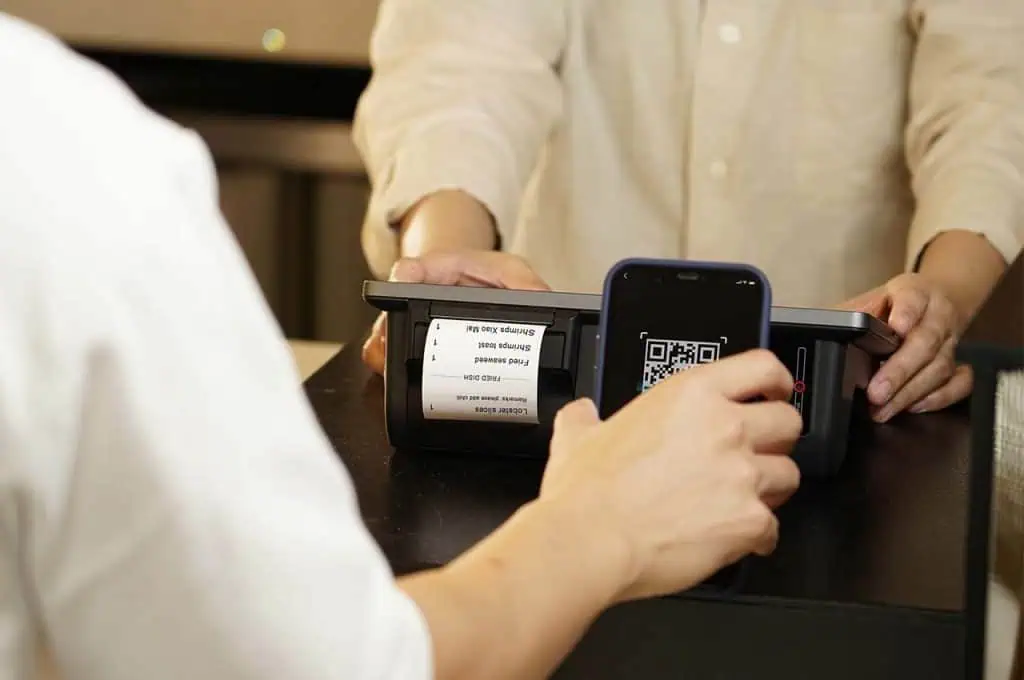
Loyalty programs collect data on your shopping habits, allowing grocery stores to tailor offers and promotions specifically to your preferences. This individualized approach can influence your buying patterns by gently nudging you toward certain brands or products. To protect your autonomy, periodically review your purchasing trends to ensure they align with your real needs and preferences, not just promotional nudges. Recognizing the influence of loyalty programs empowers you to make decisions based on genuine desire and necessity.
Discount Tags: The Urgency Illusion

Discount tags often create a sense of urgency, pushing you to buy before the opportunity vanishes. The bright, eye-catching colors and limited-time offers can make products seem more desirable. To combat this, assess if the discount results in real savings. Compare the discounted price with regular pricing and determine if it’s a true deal or a marketing tactic. By taking a step back, you ensure that the discount serves your financial and dietary needs rather than merely leading to an unnecessary purchase.
Layouts That Keep You Wandering Longer

Store layouts are designed to keep you inside longer, maximizing exposure to products. Essential items are often placed in the back, drawing you past aisles filled with tempting choices. By understanding this design, you can create a shopping strategy. List your essentials and navigate directly to them, minimizing detours. Stay aware of how layout affects your selections, helping you focus on your list and budget rather than succumbing to impulse purchases. Strategic shopping ensures efficiency and control over your cart’s contents.
