
10 Restaurants Americans are Rushing to Before They Get Too Crowded or Change
Food travel has evolved beyond casual dining stops into full-scale destination planning. Many Americans now choose where to vacation based on where they want to eat, building entire itineraries around reservations. These restaurants offer more than good food; they promise identity, consistency, and an experience that feels worth the journey. Whether rooted in tradition, innovation, or cultural storytelling, these places have earned reputations strong enough to turn meals into the main reason for travel.
French Laundry

Opened in 1978 and later shaped into a global benchmark under Thomas Keller, The French Laundry became famous for elevating American fine dining through discipline rather than excess. Its daily-changing tasting menus emphasize precise technique, local sourcing, and restraint, with signature dishes like oysters and pearls becoming culinary touchstones. Reservations are released months in advance and disappear instantly, causing diners to plan entire Napa Valley trips around a single meal. Its enduring consistency over decades gives travelers confidence that the experience will live up to the effort, turning dinner into a once-in-a-lifetime milestone rather than a casual night out.
Joe’s Stone Crab

Founded in 1913, Joe’s Stone Crab became legendary by doing the opposite of modern trend-chasing. It serves a short, unchanged menu built around Florida stone crab claws, hash browns, and key lime pie. The restaurant famously does not take reservations, forcing visitors to wait in line during stone crab season. That ritual, combined with generational consistency, is exactly why Americans travel to Miami just to eat here. Joe’s popularity isn’t about novelty, it’s about trust. Diners return knowing the flavors, portions, and experience will be exactly what they remember, year after year.
Franklin Barbecue

Franklin Barbecue opened in 2009 and quickly redefined how Americans think about barbecue quality. Its brisket, known for perfect smoke penetration and texture, sparked a culture of lines that form before sunrise. People plan Austin trips specifically around standing in line for hours, treating the wait as part of the experience. Franklin’s influence helped turn barbecue into culinary pilgrimage rather than casual takeout. The restaurant’s rise proved that mastery of one product, done obsessively well, can motivate nationwide travel and reshape a city’s food identity.
Commander’s Palace
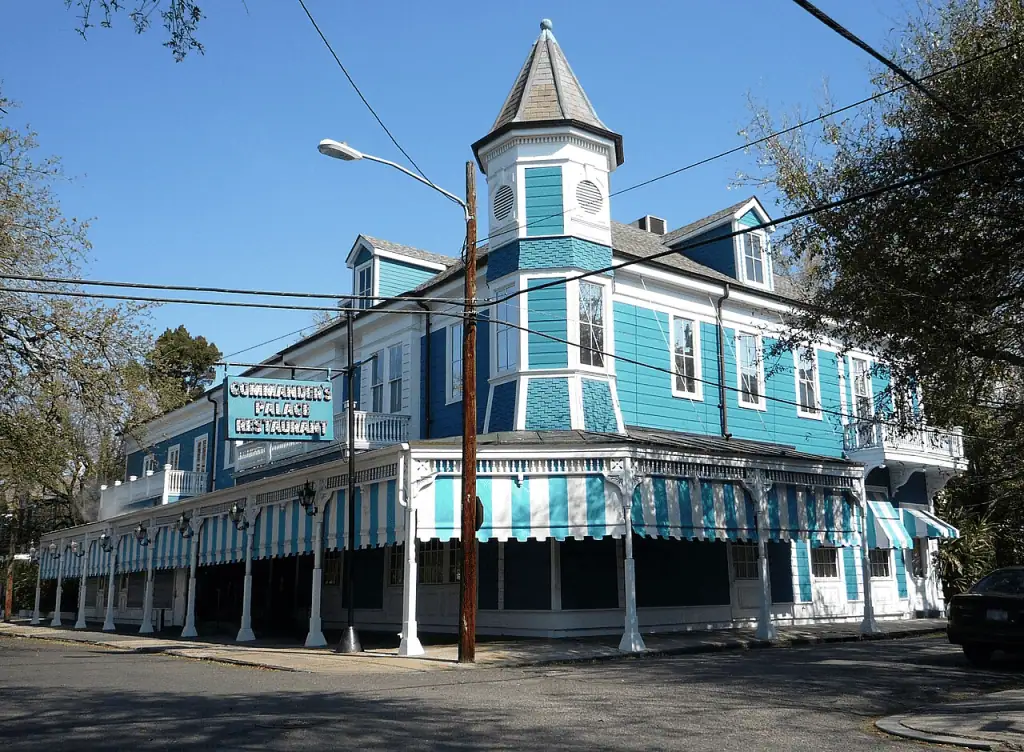
Commander’s Palace has been a New Orleans institution since 1893, shaping Creole fine dining for more than a century. Known for dishes like turtle soup, bread pudding soufflé, and tableside service, it blends refinement with hospitality. Travelers visit not just for food, but to experience the continuity of New Orleans culture through generations. The restaurant helped launch influential chefs and preserved regional traditions during changing times. For many Americans, eating at Commander’s Palace is a way to understand the city itself, making it a cornerstone of food-based travel to New Orleans.
Chez Panisse

Opened in 1971, Chez Panisse became famous for launching the farm-to-table movement in the United States. Alice Waters’ philosophy of seasonal, ingredient-driven cooking changed American dining permanently. Signature dishes are simple but deeply intentional, allowing produce to lead. Diners travel to Berkeley specifically to experience the origin of an idea that reshaped restaurants nationwide. Eating at Chez Panisse feels less like chasing luxury and more like witnessing history. That sense of purpose and influence is why it continues to draw travelers decades after opening.
Eleven Madison Park
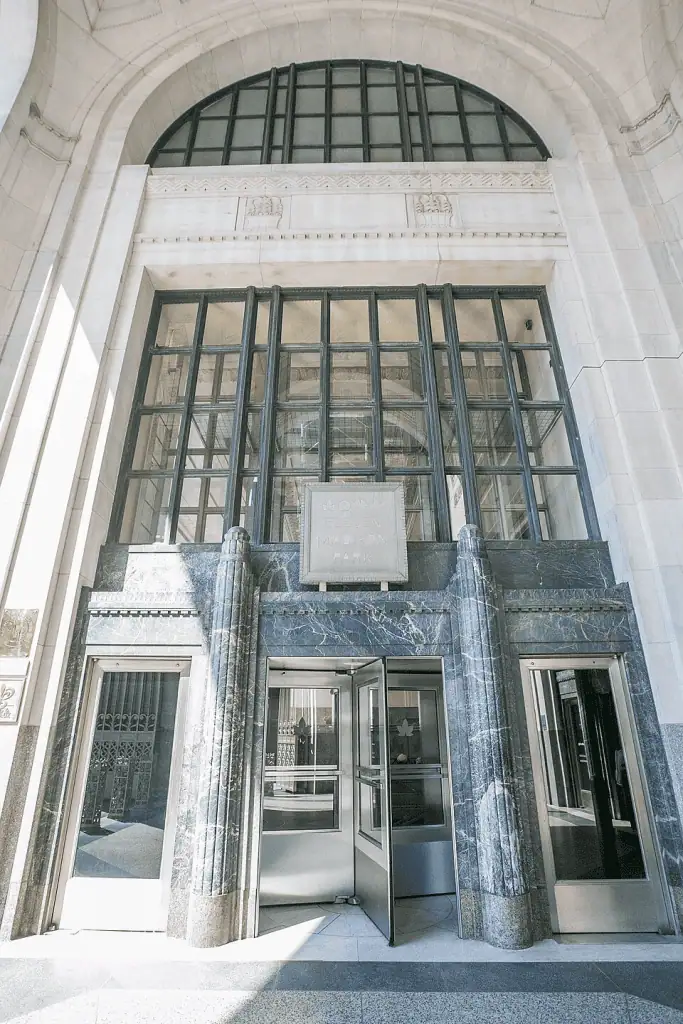
Eleven Madison Park opened in 1998 and became known for transforming fine dining into a narrative experience. Its tasting menus evolve dramatically over time, turning each visit into a snapshot of culinary philosophy. Travelers plan New York trips around securing reservations, often treating the meal as the centerpiece of the visit. The restaurant’s ambition, structure, and reinvention earned global recognition. For diners, visiting Eleven Madison Park isn’t just about eating it’s about participating in a moment of culinary evolution.
Le Bernardin

Since opening in 1986, Le Bernardin has become synonymous with seafood mastery. Its focus on freshness, restraint, and precision created a reputation for near-flawless consistency. Signature dishes like barely cooked seafood preparations emphasize purity over embellishment. Travelers plan visits knowing exactly what standard awaits them. That reliability makes Le Bernardin a destination for diners who value trust and excellence over surprise. It proves that repetition, when perfected, can inspire travel just as strongly as innovation.
Zahav

Zahav opened in 2008 and helped redefine how Americans experience Israeli cuisine. Its communal dining style, signature hummus, and bold flavors turned it into a reservation-driven destination. Diners travel to Philadelphia specifically for Zahav, often citing it as the reason for the trip. The restaurant’s success reshaped the city’s food reputation, proving that cultural storytelling can motivate travel without relying on luxury or formality. Zahav feels celebratory, grounded, and personal, which keeps demand consistently high.
Pizzeria Bianco

Founded in 1994, Pizzeria Bianco became famous for elevating pizza through simplicity and ingredient quality. Its wood-fired pies, especially the Margherita and Rosa, earned national attention long before pizza tourism was common. Travelers plan Phoenix trips just to eat here, often citing the pizza as a highlight. The restaurant’s restrained menu and consistency show how perfect execution of a single food can justify long-distance travel. Bianco’s success helped legitimize pizza as a destination-worthy cuisine.
Alinea

Alinea opened in 2005 and quickly gained fame for turning dining into a multi-sensory performance. Its tasting menus incorporate technology, surprise, and structure, making the meal feel theatrical. Diners travel to Chicago specifically to experience its boundary-pushing approach. Signature moments are designed to challenge expectations rather than comfort. For many Americans, Alinea represents innovation at its most extreme, transforming a meal into an event that feels worthy of an entire vacation.
