
9 Iconic Food Moments With Hailey Bieber That American Youth Went Crazy Over
Hailey Bieber’s influence on food culture didn’t come from cooking shows or restaurant launches. Instead, it came from small, repeatable moments that felt accessible and aesthetic at the same time. Her food choices, often shared casually, landed perfectly with a generation that values simplicity, wellness cues, and visual appeal. Each moment sparked imitation, debate, and countless recreations online. These weren’t luxury meals, but everyday foods reframed through timing, context, and cultural influence.
The Viral “Hailey Bieber Smoothie”
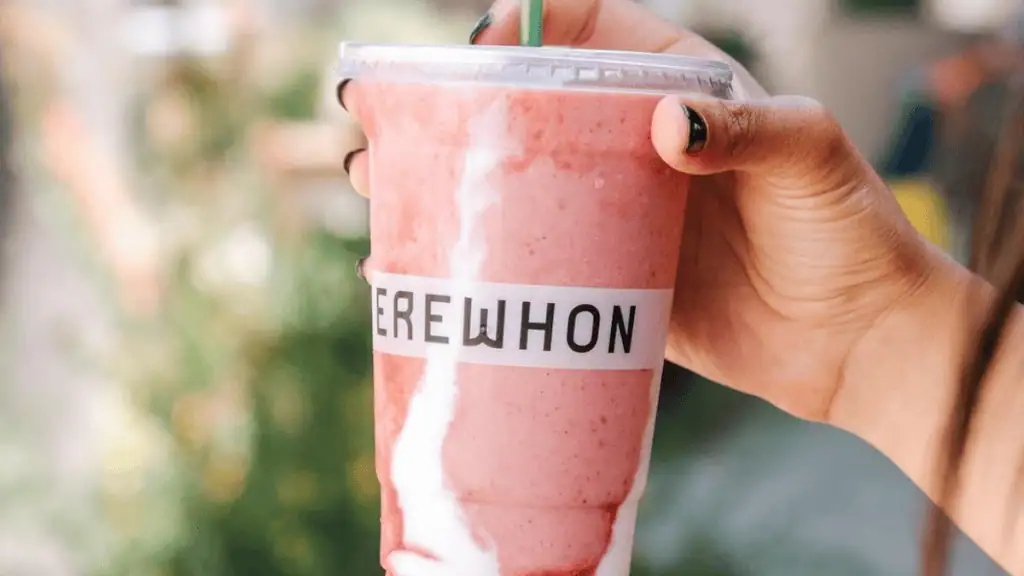
One of Hailey Bieber’s most iconic food moments was the smoothie named after her at Erewhon, which quickly became a visual and cultural status symbol for Gen Z and young millennials. The pastel pink drink wasn’t just about ingredients; it embodied an aspirational version of wellness that felt clean, curated, and highly photogenic. Teens and young adults recreated it repeatedly at home, sharing versions online as a form of self-expression. Its popularity showed that the appeal wasn’t taste alone, but identity, aesthetic, and lifestyle branding merging into one consumable moment.
Lemon Water as a Morning Ritual

Frequent mentions of lemon water by Hailey Bieber helped reignite interest in a habit that had existed for decades but felt newly intentional. Lemon water wasn’t presented as a trend or detox, but as a simple, repeatable part of her routine. That framing resonated with American teens and young adults, who adopted it as a low-effort wellness signal. The ritual fit neatly into minimalist morning routines shared online, turning an inexpensive, ordinary habit into something aesthetic, disciplined, and aspirational without requiring supplements or special products.
Pizza as “Balance Food”
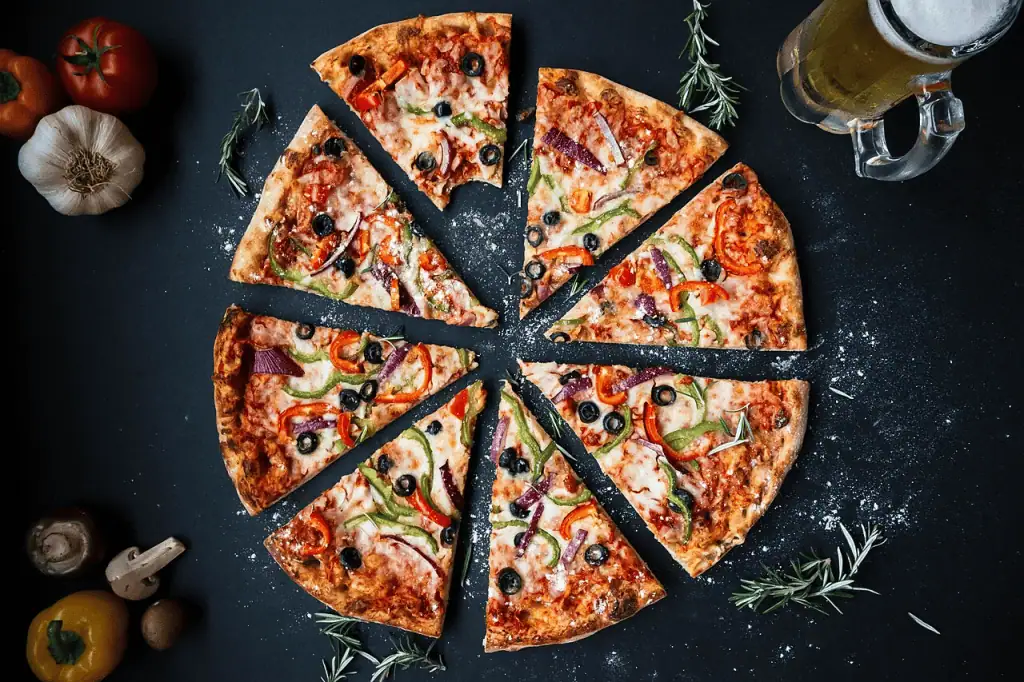
When Hailey Bieber openly talked about enjoying pizza despite her polished wellness image, it struck a chord with younger audiences. The moment suggested that comfort food didn’t negate healthy habits or personal discipline. Instead, her casual pizza references reframed indulgence as balance rather than failure. For many young Americans pushing back against rigid diet culture, this felt validating. It helped normalize flexible eating, where routine and appearance still matter, but occasional enjoyment is seen as part of a sustainable lifestyle rather than a contradiction.
Simple Toast and Breakfast Plates
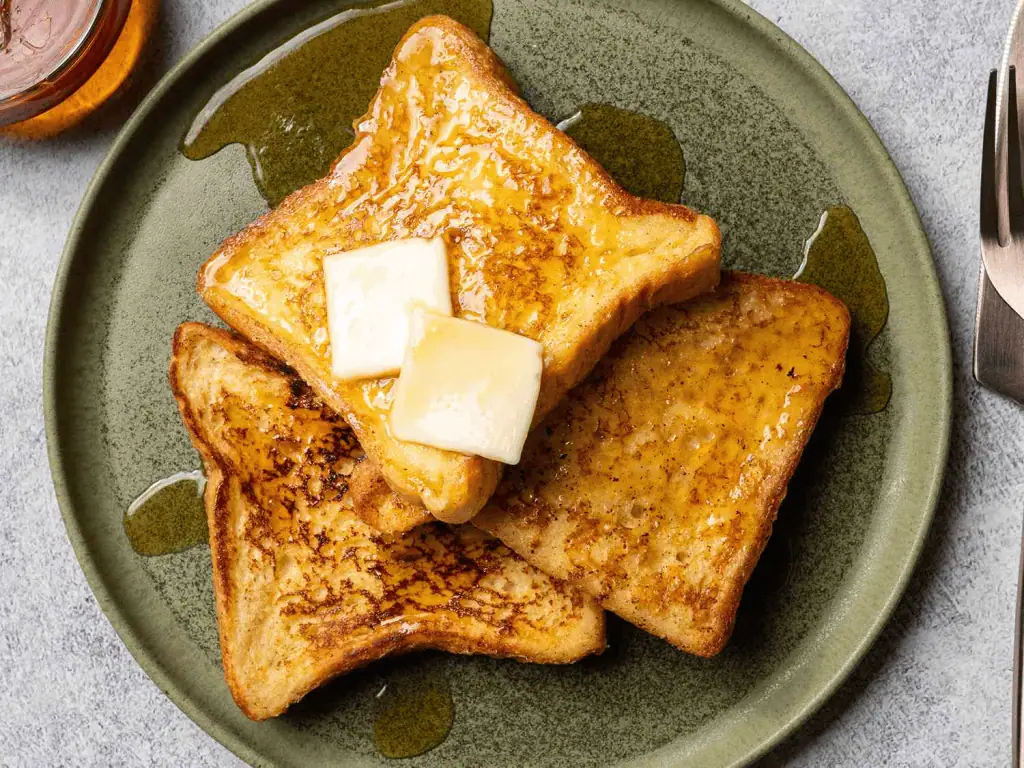
Photos and interviews showing Hailey Bieber eating simple toast, eggs, or understated breakfasts generated outsized engagement because the meals felt realistic and repeatable. They weren’t presented as hacks or aspirational recipes, but as quiet, everyday choices. Young audiences responded to the lack of performance, no elaborate plating, no excessive wellness claims. This simplicity reinforced a broader shift away from extravagant “Instagram food” toward calm, routine eating. The appeal came from relatability paired with subtle polish, making the food feel attainable rather than staged.
Coffee Order Obsession

Hailey Bieber’s coffee preferences became a recurring conversation across social platforms, with young fans copying her orders, sharing homemade versions, and debating exact ratios. Coffee offered an easy entry point into her lifestyle without requiring luxury purchases or expensive wellness products. That accessibility helped turn a daily beverage into a cultural signal. For many American teens and young adults, ordering the same coffee felt like participating in a shared aesthetic language. The moment showed how ordinary routines can carry identity, turning something as simple as coffee into a form of quiet social alignment.
Clean Snacks and Portion Control
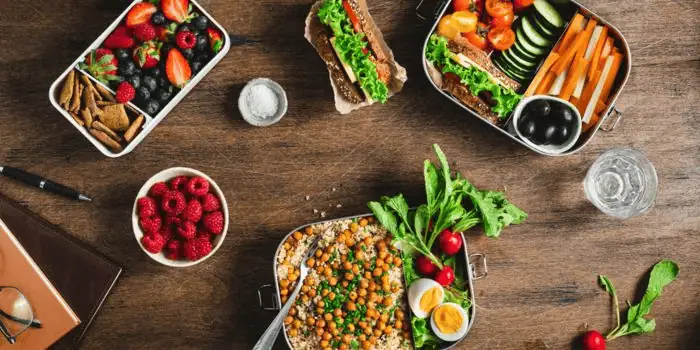
Hailey Bieber’s visible preference for small, clean snacks subtly reshaped how many young people think about snacking. Rather than emphasizing large portions or constant grazing, her habits suggested intention, restraint, and awareness. That message resonated with youth seeking structure without rigid food rules or extremes. As a result, snack culture began shifting toward minimalism, where eating smaller amounts more thoughtfully felt controlled and aspirational. The appeal wasn’t restriction, but the idea that moderation could signal calm discipline rather than deprivation.
Dinner at Home Over Dining Out
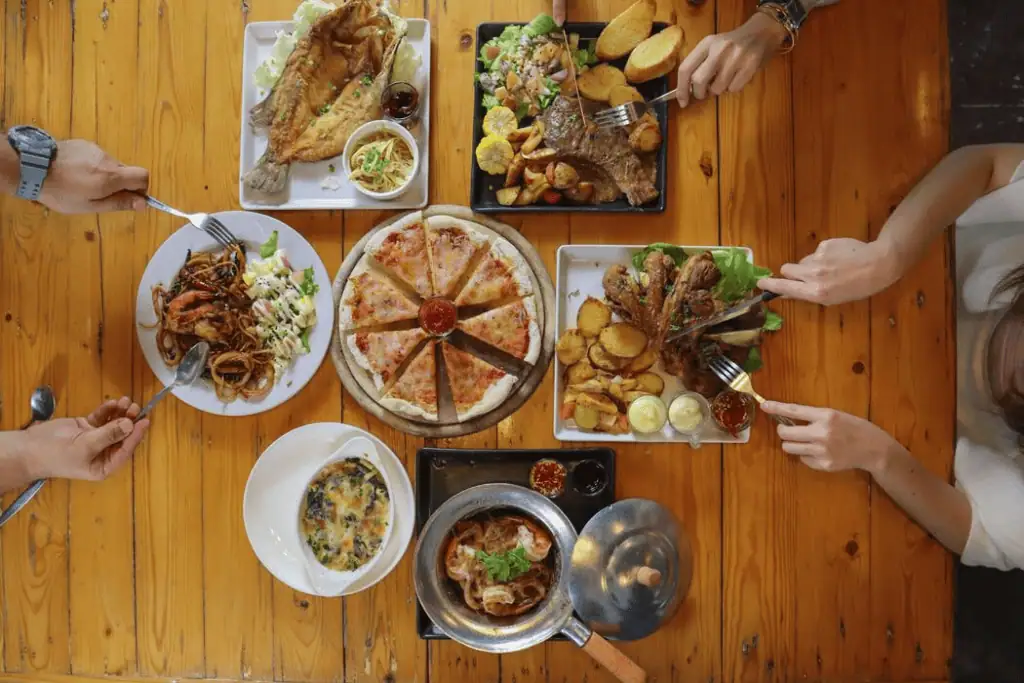
Her repeated emphasis on home meals over constant dining out subtly shifted how young Americans viewed everyday eating. Seeing Hailey Bieber favor simple dinners cooked or enjoyed at home helped reframe staying in as intentional rather than boring. The idea aligned closely with post-pandemic values centered on comfort, routine, and emotional ease. These moments romanticized quiet meals and familiar settings, reinforcing that home-based eating could feel just as desirable as restaurant culture, especially when presented through calm, polished lifestyle imagery.
“Eat What You Want, Just Be Consistent” Messaging

Comments from Hailey Bieber emphasizing consistency over perfection resonated strongly with younger audiences. Rather than promoting constant resets or dramatic changes, she framed food habits as something steady and repeatable. That mindset appealed to youth who were exhausted by trend cycling and rigid wellness rules. It helped reduce pressure to constantly optimize or reinvent eating habits. Instead, stable routines became the goal, shaping conversations around long-term sustainability and balance rather than short-term results or visual transformation.
Food as Lifestyle, Not Performance

Ultimately, Hailey Bieber’s biggest food moment wasn’t tied to a single dish or trend, but to how she framed eating as part of a larger lifestyle. Her approach felt quiet, controlled, and easy to repeat rather than performative. That tone resonated with American youth seeking calm in an overstimulated digital culture. Food wasn’t treated as content to impress, but as a background habit supporting identity, routine, and balance instead of demanding attention as the main performance.
