
10 Old-School Liquors Your Grandparents Drank That Are Suddenly Trendy Again
Many liquors that filled cabinets decades ago quietly fell out of fashion as lighter, sweeter, or trend-driven drinks took over. What’s surprising is how quickly those same spirits are returning, not as nostalgia acts, but as respected, stylish choices. Younger drinkers are rediscovering depth, craftsmanship, and history, valuing drinks with character rather than novelty. These once “old-fashioned” liquors are suddenly everywhere again, appearing on cocktail menus, home bars, and social media as symbols of taste and intention.
Brandy

Brandy was once widely associated with refinement, commonly served after dinner or reserved for special occasions. Over time, however, it developed a reputation as a drink favored mainly by older generations, and its popularity faded. In recent years, brandy has experienced a quiet revival through craft cocktails and renewed interest in European-style sipping spirits. Its warming character and layered complexity appeal to drinkers seeking slower, more intentional experiences. Modern bartenders appreciate brandy’s versatility, using it across classic and contemporary recipes, proving it is far more adaptable than its outdated image once suggested.
Rye Whiskey

Rye whiskey once dominated American drinking culture before Prohibition, but it was gradually overshadowed by bourbon in the decades that followed. Its sharper spice, leaner body, and drier finish made it feel less approachable to mass audiences accustomed to sweeter profiles. Today, those same characteristics are driving renewed interest. Cocktail revival culture has reintroduced rye to classics like Manhattans and Old Fashioneds, where its structure shines. Modern drinkers now value rye for its boldness and restraint, embracing flavors that feel assertive rather than sugary or softened.
Sherry

Sherry was once a familiar household staple, often sipped before meals or used as a common cooking ingredient. Over time, it became associated with formality and older generations, and its popularity declined. Recently, sherry has begun to reemerge as drinkers show renewed interest in fortified wines and lower-alcohol options. Its broad spectrum of styles, ranging from dry and nutty to rich and sweet, appeals to those seeking variety and exploration. Sherry’s layered complexity aligns well with modern preferences for nuance and balance rather than sheer intensity.
Amaro
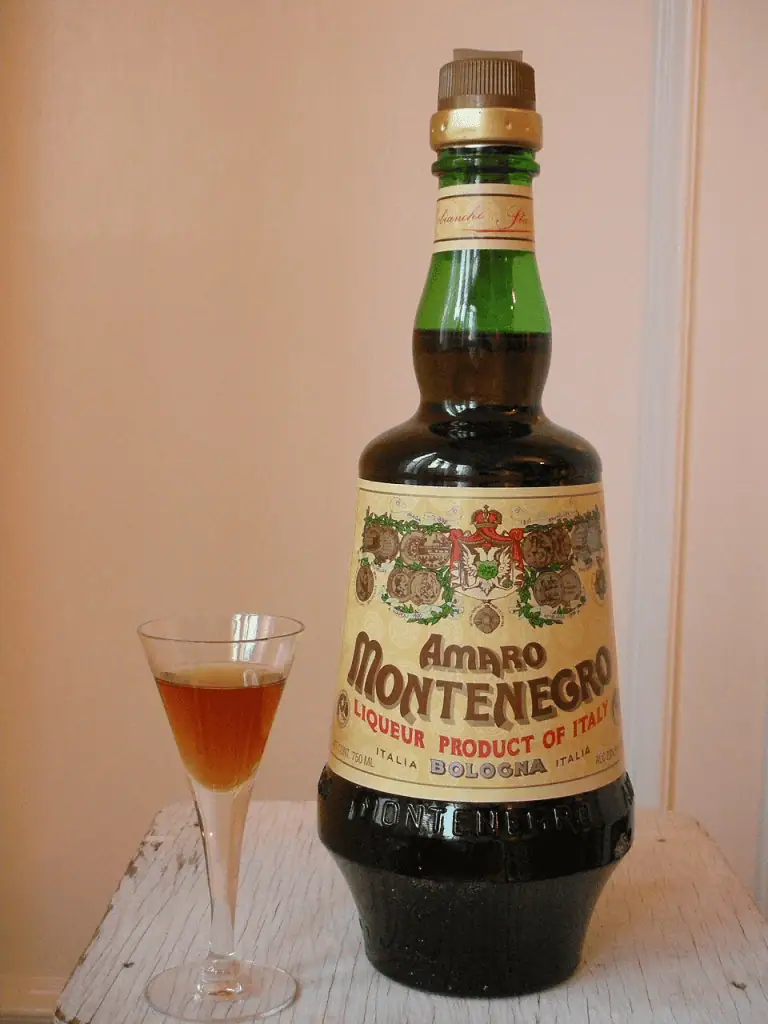
Amaro has long been part of European drinking culture, traditionally consumed as a digestif after meals. For many years, it remained unfamiliar to wider audiences outside specific cultural communities. Its recent resurgence is tied to a growing appreciation for bitter flavors and herbal complexity in drinks. Rather than seeming medicinal, amaro is now viewed as sophisticated and expressive. Modern drinkers enjoy it both neat and in cocktails, valuing its depth and layered bitterness. That shift has made bitterness feel deliberate and refined, appealing to those seeking more thoughtful, complex drinking experiences.
Gin (Old-Style London Dry)

Gin never truly disappeared, but its modern resurgence has leaned toward traditional London dry styles rather than heavily flavored or novelty versions. These gins emphasize juniper, dryness, and restraint, closely echoing what earlier generations favored. Today’s drinkers increasingly value clarity and balance, moving away from overly sweet profiles or gimmicky infusions. The renewed appreciation for classic gin reflects a broader shift toward respecting original formulations and craftsmanship, prioritizing time-tested structure over trend-driven experimentation in spirits.
Cognac
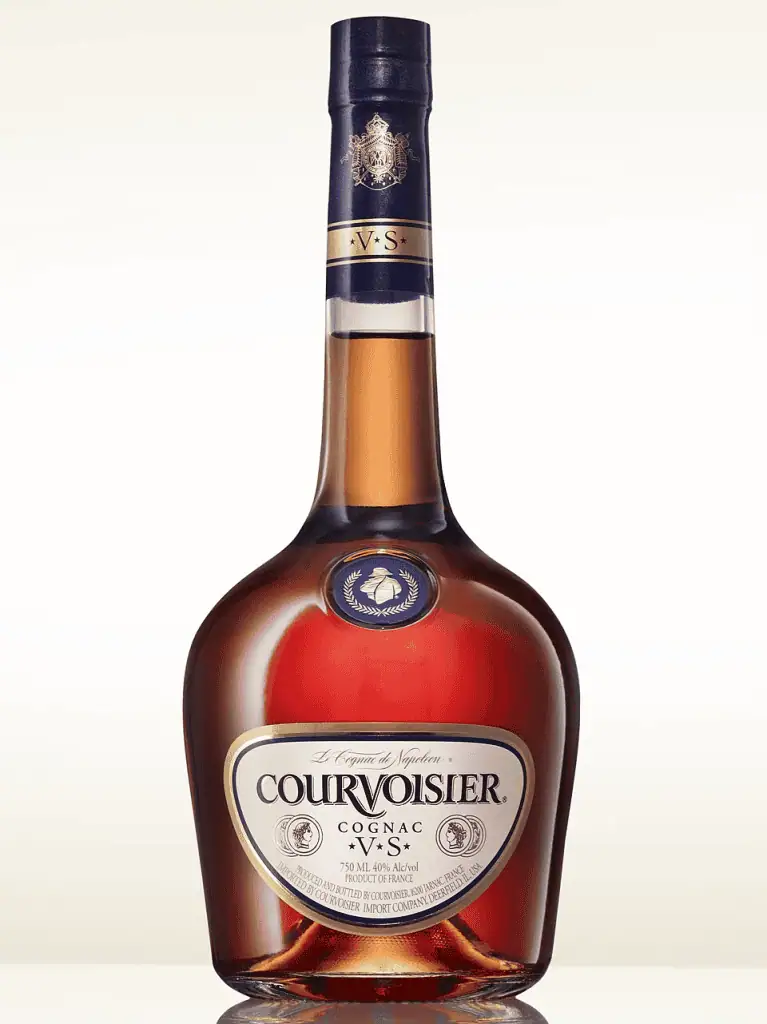
Cognac once stood as a clear symbol of luxury and status, typically enjoyed slowly in formal, ritualized settings. Over time, however, it developed a dated image and slipped out of mainstream popularity. Its recent revival reflects a broader return to sipping spirits meant to be savored rather than rushed. Cognac’s layered aromas and gradual flavor development appeal to drinkers moving away from shot culture toward experience-driven drinking. Today, it represents quiet sophistication and intention, replacing its old image of excess with one of balance and appreciation.
Vermouth

Vermouth was once a familiar household staple, essential for classic cocktails and routinely enjoyed as an aperitif. Over time, it was neglected, often treated as an afterthought or an interchangeable mixer. The cocktail renaissance has restored vermouth’s importance by highlighting how deeply it influences balance, aroma, and structure in drinks. Today, drinkers are paying closer attention to style, freshness, and origin, treating vermouth as a standalone category rather than a background ingredient. Its revival reflects a growing respect for subtle, wine-based spirits that reward careful tasting.
Port

Port wine was long linked to older drinkers and formal occasions, and its richness gradually fell out of favor as lighter, drier wines became more popular. The sweetness and intensity once felt excessive to modern palates. Recently, however, port has been rediscovered as both a dessert wine and a flexible cocktail ingredient. Younger drinkers are drawn to its depth, history, and unapologetic character. This renewed interest reflects a broader shift toward embracing bold, expressive flavors rather than avoiding them in favor of subtlety alone.
Absinthe

Absinthe’s reputation was shaped for decades by myth, prohibition, and exaggerated fears, giving it an aura of danger and obsolescence. When it was legalized again, it initially returned as a novelty, driven more by curiosity than understanding. Over time, modern drinkers have come to value absinthe for its herbal complexity, structure, and historical context rather than its mystique. Its revival reflects renewed interest in ritual and tradition, showing how misunderstood spirits can regain relevance once knowledge and context replace fear.
Aquavit

Aquavit was long a staple in Nordic households, traditionally enjoyed during meals and celebrations, but it remained largely unfamiliar outside the region. Its bold caraway and dill-forward profile once felt unusual to drinkers accustomed to sweeter or neutral spirits. Today, global palates are more open to herbal, savory flavors, creating space for aquavit’s return. Its resurgence aligns with growing interest in regional spirits and authenticity. Modern drinkers increasingly seek flavors that carry cultural stories, making aquavit feel distinctive and expressive rather than strange.
