
Why Americans Are Moving Toward a One-Pan Lifestyle (And What It Says About Culture)
One-pan cooking has evolved from a practical shortcut into a defining lifestyle trend as Americans look for ways to simplify their daily routines. With work schedules intensifying and kitchens becoming more compact, one-pan meals offer a solution that reduces prep time, minimizes cleanup, and cuts down on decision fatigue. Their rise signals a broader cultural shift toward clarity, efficiency, and a desire for home cooking that feels comforting rather than overwhelming. For many households, this approach represents a return to everyday ease without sacrificing flavor or nutrition.
Time Has Become the Most Valuable Ingredient

Americans now juggle long workdays, digital overload, and family responsibilities, making time the most scarce resource in daily life. One-pan meals eliminate multiple steps and tools, allowing people to prepare satisfying dishes without the mental or physical effort that traditional cooking demands. This style of cooking aligns with a culture increasingly focused on reclaiming short breaks, reducing stress, and making space for rest, especially during busy weeks when energy is limited.
Rising Food and Energy Costs Push Simpler Cooking

Higher grocery bills and increased utility prices have made households more conscious of how they cook. One-pan meals rely on affordable staples that stretch across multiple servings while requiring less energy to prepare. They reduce waste, limit unnecessary ingredients, and offer predictable, budget-friendly results. This shift toward simpler, cost-effective cooking reflects how economic pressures often reshape food habits in practical, lasting ways.
Smaller Kitchens Shape How People Cook
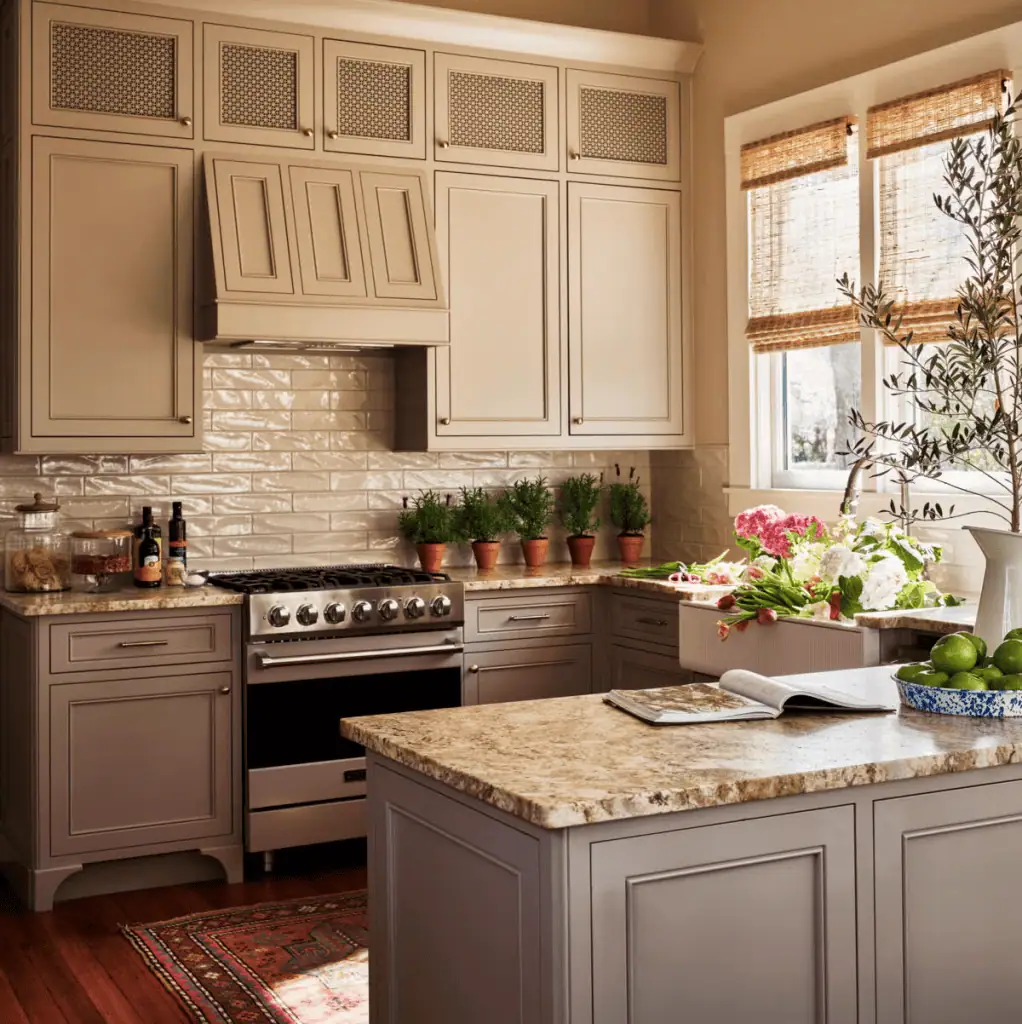
As more Americans live in apartments, shared homes, or compact suburban houses, limited counter space and minimal storage influence how meals are prepared. One-pan cooking fits neatly into these environments by reducing the need for specialty equipment or large cookware sets. The trend mirrors broader housing patterns in which simplicity and adaptability matter more than ever, making one-pan meals a natural fit for modern kitchens.
Social Media Rewards Easy, Relatable Recipes

Platforms like TikTok and Instagram have accelerated the rise of one-pan meals by showcasing recipes that look simple, clean, and achievable. Short videos highlighting “dump and bake” casseroles or single-skillet weeknight dinners appeal to viewers who want results without complexity. This content encourages cooking participation and makes home meals feel accessible to beginners, reinforcing a broader cultural move toward relatability over perfection.
Convenience No Longer Means “Processed”

Modern convenience food has shifted away from packaged shortcuts toward simple, whole-ingredient meals that are easy to assemble. One-pan dishes embody this transition by using fresh vegetables, proteins, grains, and pantry staples in a streamlined way. They offer the ease of quick cooking without relying heavily on processed foods, reflecting a cultural emphasis on wellness that fits seamlessly into busy lifestyles.
