
9 “Healthy” Restaurant Meals That Are Anything But
Navigating a menu in 2026 requires a skeptical eye, as the gap between marketing and nutritional reality has never been wider. Many dishes that appear to align with modern “functional eating” or “clean-label” trends are actually nutritional landmines that can sabotage your health goals. From calorie-dense salads to high-sugar smoothies, these nine “healthy” options often hide behind a veneer of wellness. By looking past the buzzwords, you can identify the items that are actually doing more harm than good for your body.
The Salad Dressing Sodium Trap

Even a nutrient-dense bowl from Panera or Sweetgreen can quickly turn unhealthy once the dressing is applied. In 2026, many “house-made” vinaigrettes are secretly loaded with refined seed oils and high-fructose corn syrup to enhance flavor. A single serving of creamy dressing can add 300 calories and nearly half of your daily sodium limit to a “light” meal.
Most diners are unaware that a Green Goddess or Caesar salad often contains more salt than a traditional order of fries. Requesting dressing on the side and using it sparingly is the only way to maintain the health benefits of your greens.
The “Plant-Based” Processed Burger

The rise of meat alternatives like the Impossible Burger has led many to believe that “plant-based” automatically equals “healthy.” However, these patties are often highly processed and contain high levels of saturated fat from coconut oil to mimic the texture of beef.
In 2026, many restaurant versions are seasoned with excessive salt and served on refined white buns with high-calorie vegan mayo. While they are a great ethical choice, they are often comparable to a standard Whopper in terms of total calories and sodium content. Choosing a whole-food bean patty or a grilled Portobello mushroom is a much more effective way to eat plant-forward.
The Liquid Sugar in Smoothies

Smoothie bars often market their products as “functional fuel,” but many are essentially liquid desserts in a cup. A large smoothie from a chain like Tropical Smoothie Cafe can contain upwards of 60 to 80 grams of sugar, often from concentrated fruit juices and added turbinado.
In 2026, even “protein-boosted” smoothies frequently use sweetened protein powders that spike your insulin levels. Without the natural fiber of whole fruit to slow digestion, these drinks can lead to a massive energy crash by mid-afternoon. Opting for a smaller size with unsweetened almond milk and no added sweeteners is essential for a truly healthy beverage.
The Refined Carbs in Sushi Rolls

Sushi has a strong “health halo” because of the fresh fish, but many popular American rolls are dominated by refined white rice and sugary sauces. A single “Specialty Roll” can contain as much sugar and refined carbohydrate as two slices of white bread.
When you add ingredients like tempura crunch, spicy mayo, and eel sauce, the calorie count can easily exceed 500 per roll. In 2026, savvy diners are switching to sashimi or “Naruto” rolls wrapped in cucumber to avoid the hidden calories of the seasoned rice. Using low-sodium soy sauce and avoiding the “crunchy” toppings will keep your sushi dinner on the healthier side.
The Turkey Burger Calorie Myth
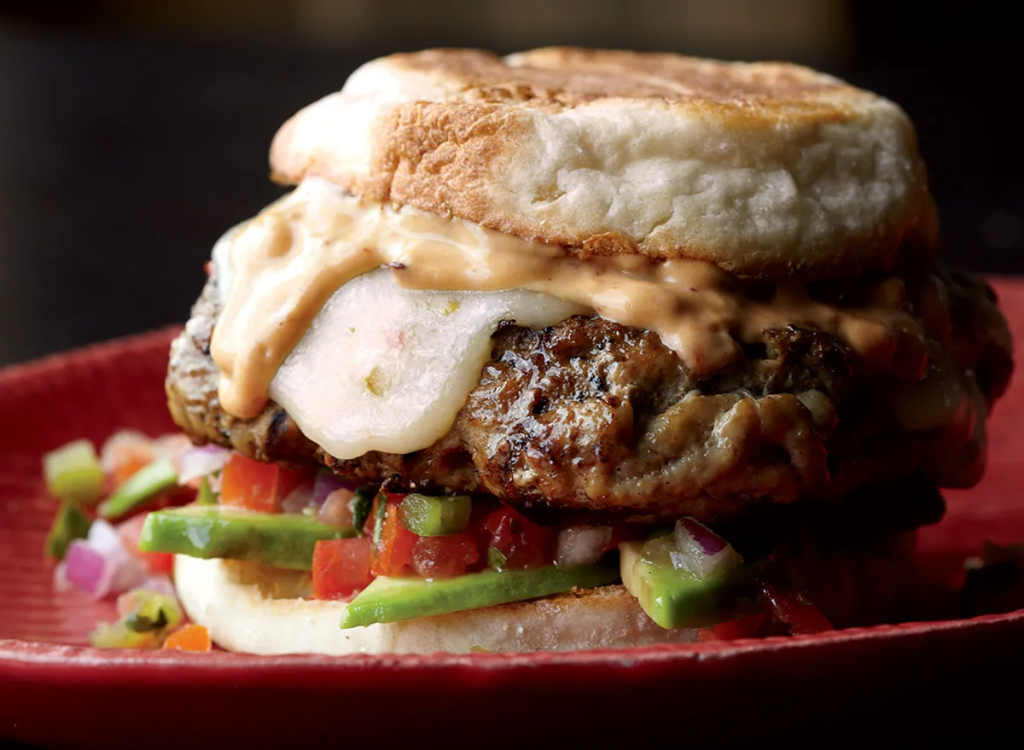
Many people choose a turkey burger over beef, assuming it is the leaner and lighter option for their waistline. However, many restaurants use dark meat turkey and add fillers like breadcrumbs or extra oil to prevent the patty from drying out. When you add a brioche bun, a slice of cheese, and a side of “healthy” sweet potato fries, the meal can easily top 1,000 calories.
In 2026, nutritionists point out that a lean beef burger is often lower in total fat than a poorly prepared turkey alternative. Always check the nutritional facts or ask if the patty is made from 100% white meat turkey to ensure you are getting a lean protein.
The Granola Bowl Sugar Spike

Açaí and granola bowls are frequently marketed as the ultimate “superfood” breakfast, but they are often packed with more sugar than a pint of ice cream. The base of these bowls is often a sweetened fruit puree, which is then topped with honey-coated granola and extra drizzles of agave syrup.
In 2026, a standard “Power Bowl” can contain over 15 teaspoons of sugar before you even finish your first cup of coffee. This massive sugar load leads to a rapid spike and subsequent crash in your blood glucose levels. To make a healthier version, prioritize bowls with a high protein-to-sugar ratio and choose raw nuts over sugary granola.
The Hidden Fat in Veggie Wraps
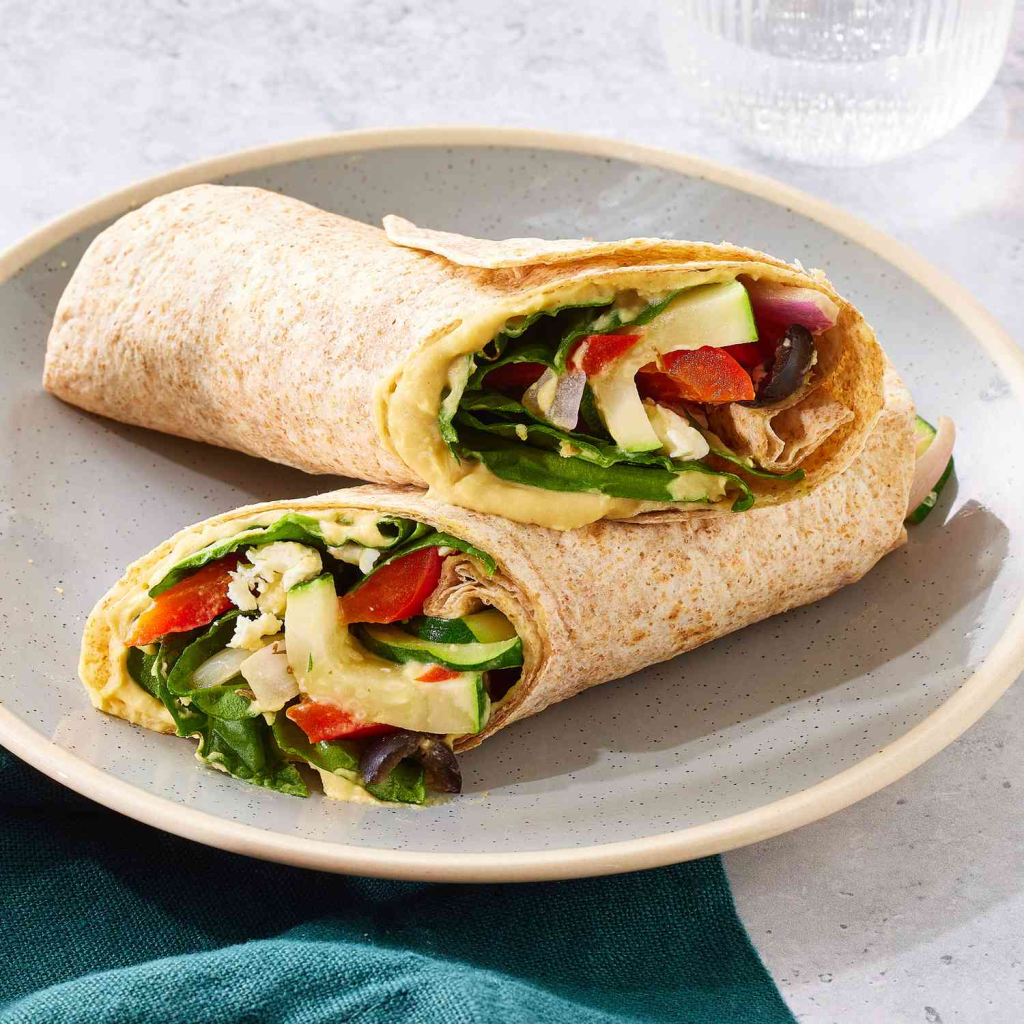
Veggie wraps are often seen as a lighter alternative to sandwiches, but the large flour tortillas used can contain over 300 calories and 800mg of sodium alone. To prevent the wrap from feeling dry, restaurants frequently add large amounts of oil-based hummus, pesto, or flavored mayonnaise.
In 2026, many “Garden Wraps” actually contain more total fat and calories than a standard turkey sandwich on whole-wheat bread. The tight packing of the wrap also makes it easy to consume a much larger portion of dressing than you would on a traditional salad. Switching to a “collard green wrap” or a salad bowl is a safer way to get your daily vegetable fix.
The Sodium in “Clear” Soups

Clear soups like Miso or Pho are often touted as low-calorie health foods, but their sodium content can be dangerously high. A single bowl of restaurant Pho can contain over 3,000mg of sodium, which is significantly more than the recommended daily limit for most adults.
In 2026, chefs are under pressure to reduce salt, yet many still rely on heavy bouillon and fish sauce to create deep umami flavors quickly. High sodium intake leads to water retention and increased blood pressure, negating the benefits of the lean protein and vegetables in the bowl. Drinking only half the broth or asking for extra water to dilute the soup can help manage your salt intake.
The Gluten-Free “Processed” Trap
Choosing a “Gluten-Free” option is often perceived as a healthier choice, but these items are frequently more processed than their wheat-based counterparts. To replicate the texture of gluten, manufacturers often add extra fats, sugars, and gums to their doughs and crusts.
In 2026, a gluten-free pizza crust can actually contain more calories and a higher glycemic index than a traditional sourdough base. Unless you have a specific medical sensitivity, these items can actually lead to unwanted weight gain and digestive sluggishness. Prioritizing whole, naturally gluten-free foods like quinoa or sweet potatoes is a far better strategy than relying on highly processed “replacement” products.
