
10 “Fresh” Menu Items That Often Aren’t Fresh at All
The term “fresh” has become one of the most loosely defined words in the modern culinary dictionary. While many diners assume it means an item was prepared from scratch that morning, it often simply means the product hasn’t been frozen or even that it was “freshly” thawed. In 2026, as kitchens battle rising labor costs and ingredient shortages, the reliance on pre-packaged, pre-cut, and lab-stabilized foods has reached an all-time high. Understanding which items are truly made in-house and which are merely “finished” in the kitchen is key to getting the value you deserve. Here are 10 common menu items that are rarely as fresh as the menu claims.
The Pre-Cut Fruit Salad
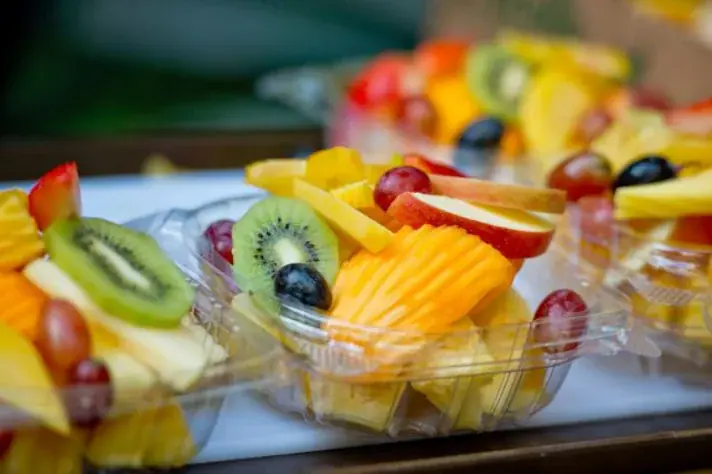
Fruit salads are frequently marketed as a healthy, fresh choice, but they are often the oldest items in the kitchen’s inventory. In 2026, many mid-tier restaurants purchase pre-cut fruit in bulk containers filled with “citric acid baths” to prevent browning and spoilage for weeks.
This process leaches the natural juices out of the fruit, leaving behind a rubbery texture and a muted, slightly chemical aftertaste. Additionally, if a kitchen does cut fruit in-house, they often use it to repurpose pieces that are too bruised to serve whole. It is almost always better to choose a whole piece of fruit or a seasonal dish that requires minimal processing.
The “Fresh” Soup du Jour
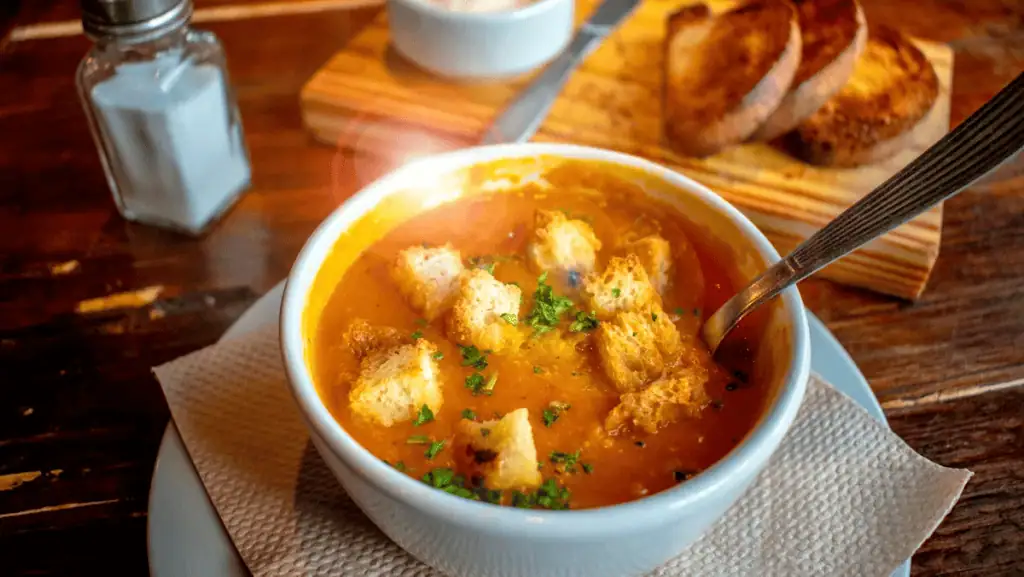
The daily soup is often a graveyard for aging vegetables and proteins that didn’t sell the previous night. In 2026, the “freshness” of these soups is further compromised by the use of high-sodium, shelf-stable bases that provide a consistent flavor across different locations.
These bases can be stored for months and are simply rehydrated with water and leftover trimmings to create the illusion of a scratch-made meal. While the soup might be hot, the ingredients inside could have started their journey days or even weeks ago in a different form. True freshness in soup is found only in restaurants that produce their own bone broths daily.
The Bagged “House” Greens
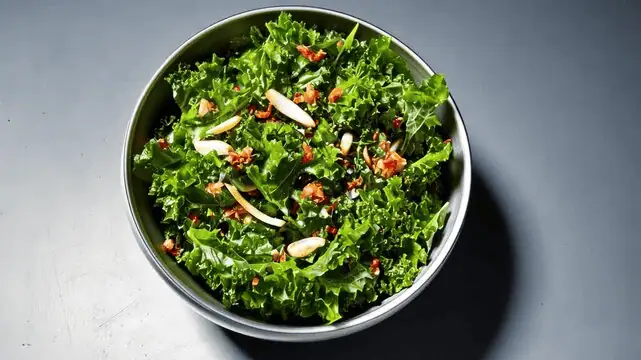
Many restaurants still claim to serve “freshly tossed” salads, but the reality is that the greens often arrive in large, gas-flushed plastic bags. These pre-washed mixes are treated with a modified atmosphere to stay “green” for up to 14 days, even as their nutritional value rapidly declines. In 2026, diners are starting to notice the “plastic” smell that accompanies these long-life greens when they are first opened.
A truly fresh salad should feature leaves that have been hand-torn and washed in the kitchen that same day. If your salad mix looks suspiciously uniform and lacks any earthy aroma, it likely spent a week in a warehouse before reaching your plate.
The Thawed “Daily Catch”
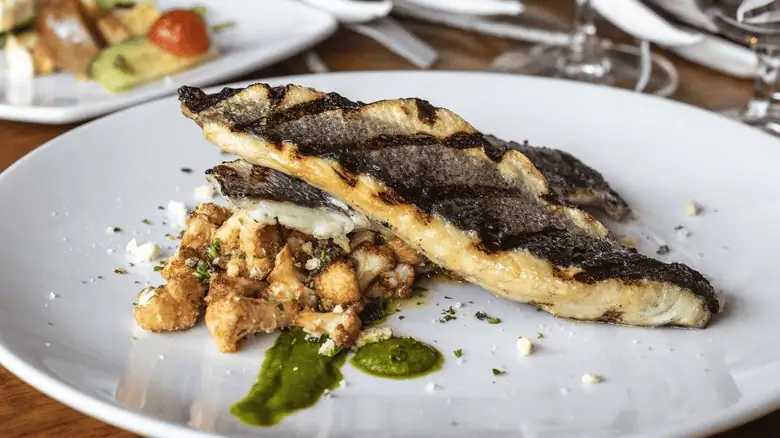
Unless you are dining at a specialized coastal eatery, the “Fresh Catch of the Day” is frequently a high-quality frozen product that has been slowly thawed. Modern “flash-freezing” technology in 2026 is so effective that it can maintain the appearance of fresh fish, allowing restaurants to use “fresh” in their marketing.
However, once thawed, the cellular structure of the fish begins to break down, leading to a softer, less flaky texture than a truly never-frozen fillet. Many servers are trained to avoid the word “frozen,” instead using terms like “delivered fresh this week” to obscure the truth. If the price for a premium fish like swordfish or sea bass seems too good to be true, it likely is.
The Pre-Made Dessert Tray

The elegant chocolate lava cakes and cheesecakes on many dessert menus are often mass-produced in industrial bakeries and shipped frozen to the restaurant. In 2026, these “factory-to-table” desserts are designed to be “finished” with a simple dusting of powdered sugar or a single fresh berry to create an artisanal look.
These items are loaded with stabilizers and preservatives to ensure they survive the freezing and thawing process without losing their shape. Because they lack a dedicated pastry chef, many kitchens rely on these “safe” options to maintain high profit margins on the final course. For a truly fresh experience, look for menus that feature a rotating selection of house-made fruit tarts or seasonal puddings.
The Recycled Garnish
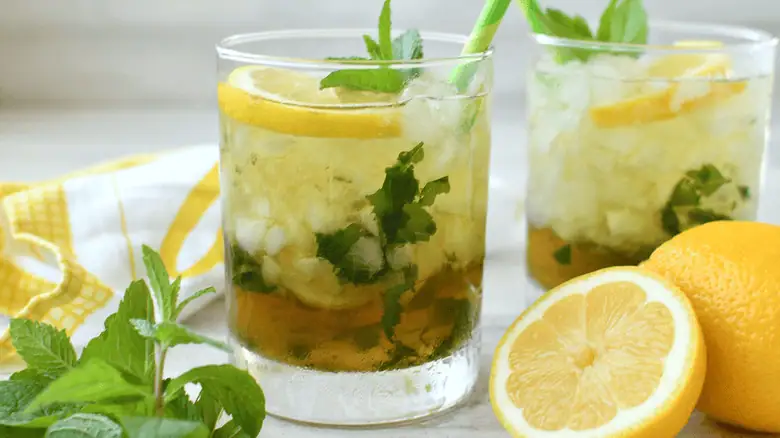
Garnishes like lemon slices, parsley, and sprigs of mint are some of the most frequently handled but least sanitary items in a restaurant. Investigations in 2026 have revealed that in some fast-casual establishments, uneaten garnishes are simply rinsed and placed back onto new plates to reduce waste.
Even when they aren’t reused, these items often sit uncovered in room-temperature bins for entire shifts, becoming magnets for bacteria and cross-contamination. Many bartenders and servers suggest skipping the lemon in your water or the parsley on your pasta unless you see it sliced or picked to order. These “decorative” elements are rarely treated with the same food-safety rigor as the main course.
The “House-Made” Salsa
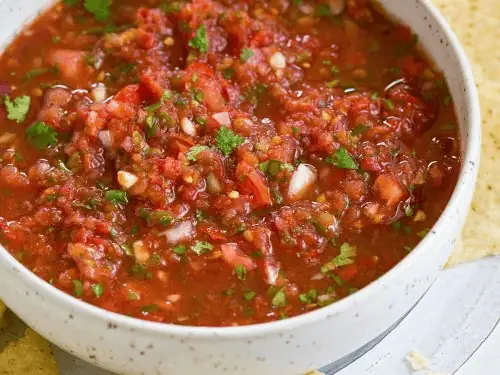
While many Tex-Mex spots claim their salsa is made fresh daily, it often starts with large industrial cans of fire-roasted tomatoes and pre-chopped onions. In 2026, the labor costs of hand-dicing hundreds of pounds of produce have forced many mid-range chains to rely on “semi-homemade” versions.
These recipes use pre-blended spice packets and preservatives to ensure every batch tastes exactly the same, which robs the salsa of the bright, acidic punch of truly fresh vegetables. You can usually tell the difference by the consistency; if the salsa is overly uniform and lacks the vibrant green of fresh cilantro, it likely came from a bulk container. True house-made salsa should vary slightly in flavor and texture based on the season’s produce.
The “Fresh-Squeezed” Juice
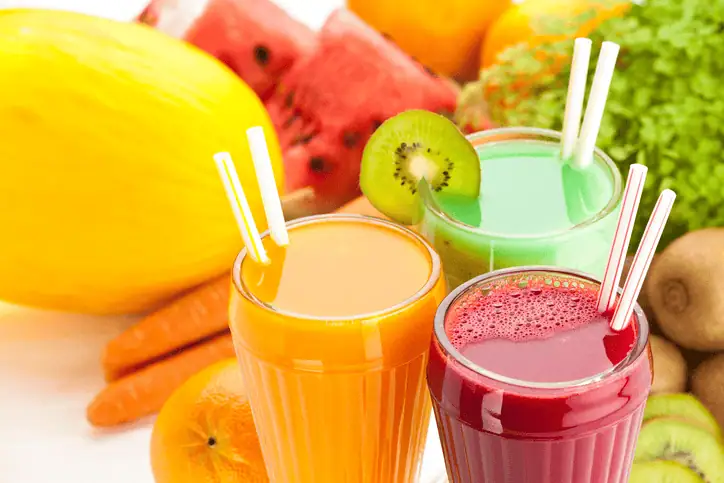
The “fresh-squeezed” orange or grapefruit juice on brunch menus is increasingly likely to be a high-end, high-pressure processed (HPP) bottled product. In 2026, HPP technology allows juice to stay “fresh-tasting” for weeks by using extreme pressure rather than heat to kill bacteria.
While this is healthier than traditional pasteurized juice, it lacks the volatile aromatic oils that are only present in juice squeezed within minutes of serving. Many restaurants pour these expensive bottled juices into carafes to create the illusion of in-house preparation while charging a premium price. If you don’t see a juicing machine or hear the mechanical whir in the background, your $9 glass of juice was likely poured from a plastic jug.
The Pre-Cooked Pasta
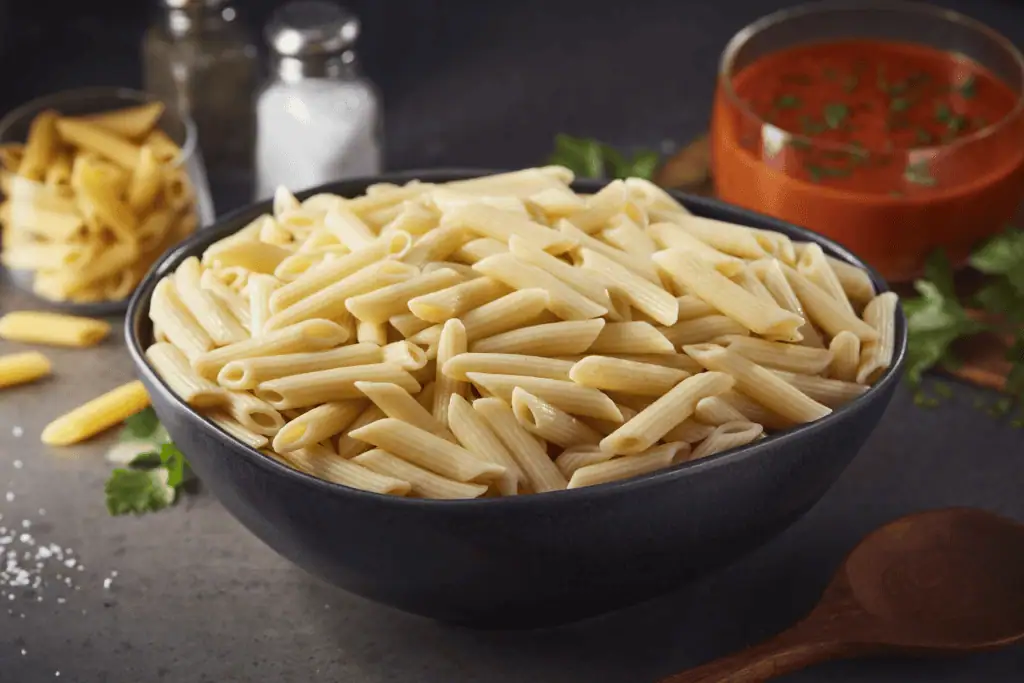
Most high-volume restaurants do not boil their pasta to order; instead, they use a “par-cooking” method where the noodles are cooked ahead of time and chilled. In 2026, this technique has been refined to the point where pre-cooked pasta is tossed in oil and stored in bags for up to two days. When an order comes in, the kitchen simply “flashes” the pasta in boiling water for thirty seconds to reheat it before saucing.
This often leads to a gummy texture and prevents the pasta from properly absorbing the sauce as it would during a traditional finish. For a truly fresh pasta experience, seek out establishments that explicitly advertise “fatto a mano” (made by hand) or “cooked to order” with longer wait times.
The Dehydrated Herb Mix
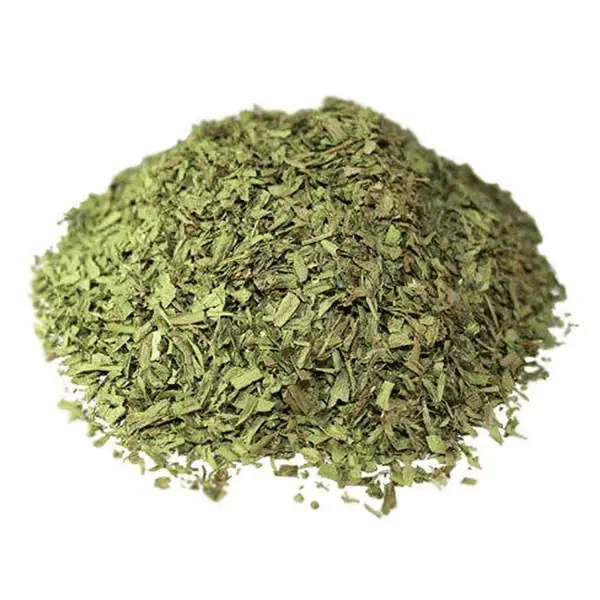
Many dishes are finished with a “fresh herb” sprinkle that is actually a mixture of dehydrated herbs and flavor-locking oils. In 2026, food scientists have developed dehydrated herbs that look remarkably like the real thing but can be stored at room temperature for months.
These “fake fresh” herbs lack the essential oils and bright, grassy notes that provide a lift to heavy dishes like stews or cream-based pastas. Restaurants prefer them because they eliminate the high waste associated with fresh basil or cilantro, which wilts within hours. If your herbs are perfectly uniform and lack a strong scent when they hit the hot food, they are likely a shelf-stable substitute.
