
10 small cooking Shortcuts Big Families Ignore (And then Pay for Every Night)
Cooking for a big family is less about creativity and more about sustainability. When multiple meals are required every single day, burnout becomes a serious risk. The households that manage best don’t rely on constant inspiration; they rely on systems. These systems simplify decisions, reduce prep time, and keep food moving without daily reinvention. The goal isn’t perfect meals, but repeatable ones. These food hacks focus on efficiency over aesthetics, helping large families eat well consistently without turning the kitchen into a place of pressure, exhaustion, or constant negotiation.
Cook Base Foods, Not Full Meals

Cooking full meals every day creates unnecessary work when feeding many people. Preparing base foods like rice, pasta, roasted vegetables, or seasoned beans allows fast assembly later without starting from scratch. One batch can support multiple meals simply by changing sauces, spices, or proteins. This dramatically cuts prep time while still offering variety at the table. Big families benefit because fewer cooking sessions feed more people, reducing daily effort without sacrificing balance, nutrition, or satisfaction.
Double Everything That Freezes Well

When you’re already cooking, doubling freezer-friendly foods requires very little extra effort. Soups, casseroles, sauces, and cooked meats freeze well and reheat reliably. Storing them in family-size portions creates instant future meals for busy or low-energy nights. This reduces reliance on takeout and last-minute grocery runs. For big families, a stocked freezer acts like a safety net, providing stability when schedules collapse or motivation disappears without adding stress or cost.
Use One Main Protein Across Multiple Meals
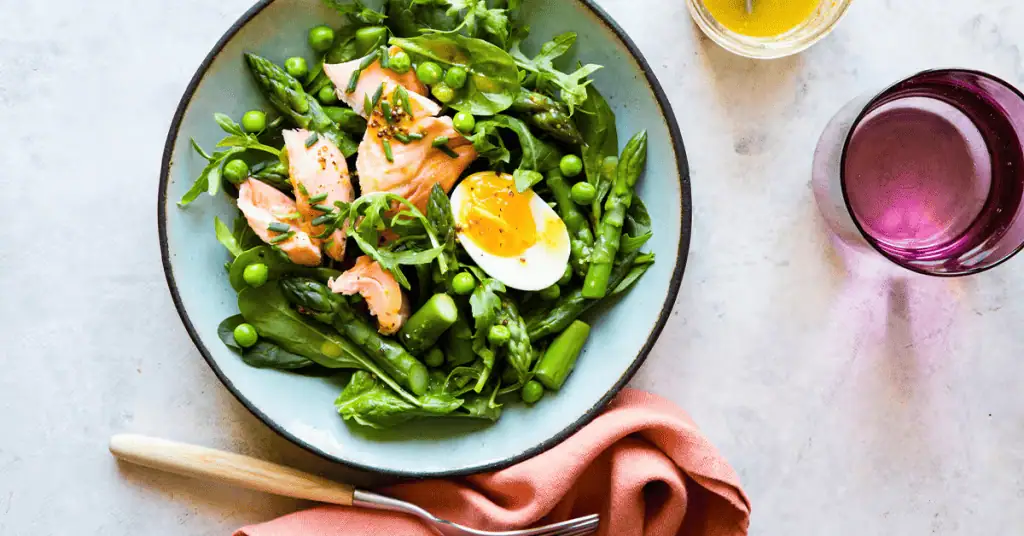
Choosing one primary protein per week simplifies shopping, prep, and planning. A roast chicken can become dinner, lunch, soups, and casseroles. Ground meat can stretch across tacos, pasta sauces, and rice bowls. This approach minimizes waste while maximizing flexibility. Big families benefit because repetition happens at the ingredient level, not the meal level. Plates still feel different, but the workload stays manageable, saving both time and mental energy throughout the week.
Sheet-Pan Dinners Are Your Best Friend
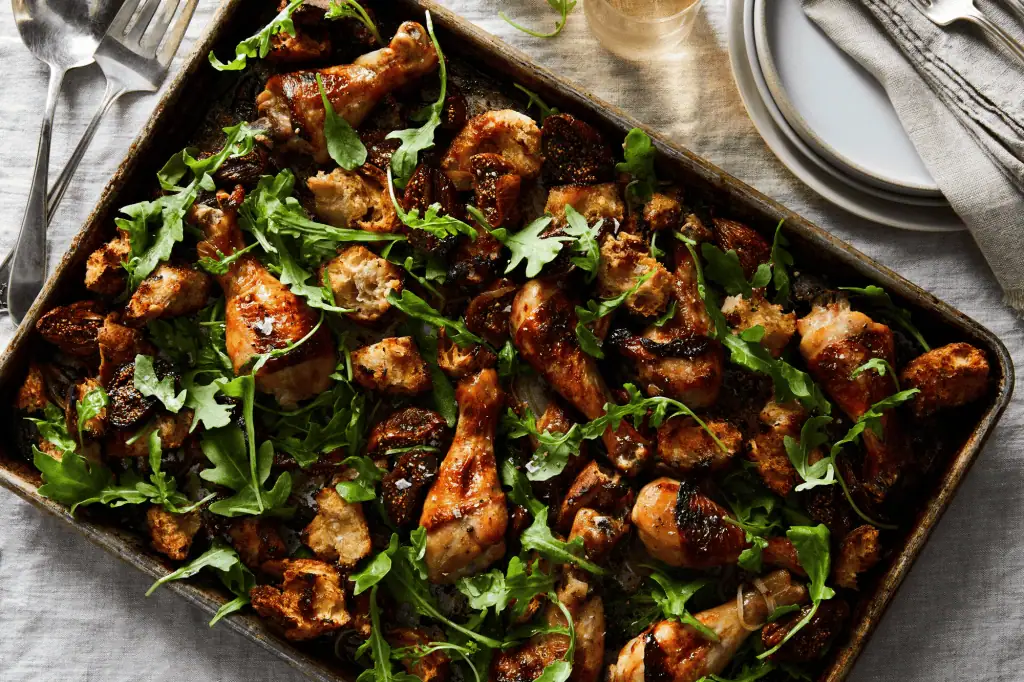
Sheet-pan dinners are ideal for large households because they combine speed, scale, and minimal cleanup. Protein and vegetables cook together in the oven, freeing up stovetop space and attention. Portions scale easily without adding extra pans or steps. Seasoning stays simple, and timing stays predictable. For big families, this method eliminates juggling multiple dishes. One pan, one cook time, and one cleanup step make weeknight dinners far easier to manage consistently.
Make Breakfast Repeatable

Reinventing breakfast every morning wastes time and energy that big families don’t have. Rotating a short list of repeatable options like baked oatmeal, egg muffins, toast bars, or yogurt bowls keeps mornings calm and predictable. Kids know what to expect, and grocery lists stay simple. Big families thrive on routine, and simplifying breakfast reduces early-day stress while freeing mental energy for more demanding meals later in the day.
Pre-Portion Snacks Once a Week

Snack preparation can quietly drain hours in large households. Pre-portioning snacks once a week limits repeated kitchen trips and constant requests. Kids can grab what’s available without asking, and adults avoid nonstop prep. This system also controls portions and reduces food waste. For big families, one organized snack session saves countless small interruptions during the week, making daily routines smoother and far less exhausting.
Keep Seasoning Simple and Familiar
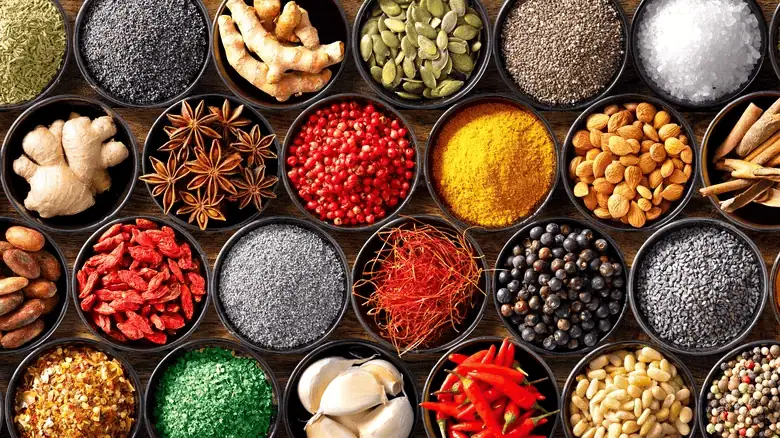
Flavor consistency matters when feeding many people. Using a small, reliable set of seasonings reduces complaints and increases the likelihood that meals get eaten fully. Familiar flavors also make leftovers easier to reuse across meals. Overly experimental seasoning often leads to resistance and wasted food. Big families benefit when meals succeed more often than they fail, and keeping seasoning simple helps ensure reliability without sacrificing enjoyment.
Build Meals Around Fillers
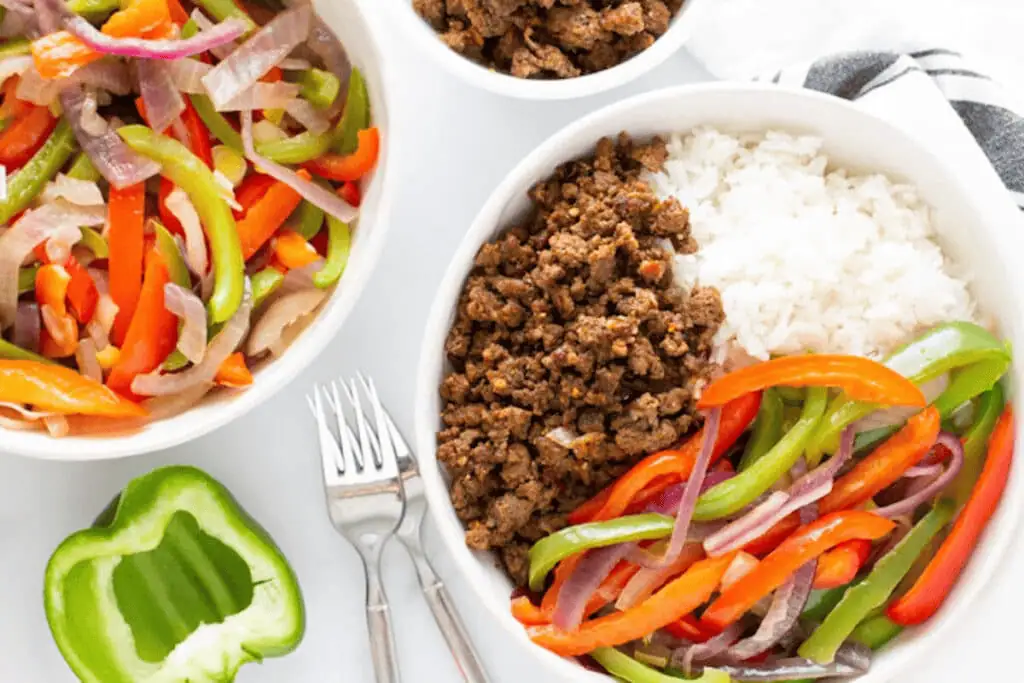
Fillers like rice, potatoes, beans, and pasta stretch meals without doubling protein costs. These ingredients absorb flavor well and increase fullness, keeping everyone satisfied longer. For big families, fillers are essential for controlling grocery budgets while maintaining portion size. They also reduce pressure to cook large amounts of expensive ingredients. Over time, this strategy makes daily cooking more affordable, predictable, and sustainable.
Clean As You Cook, Not After
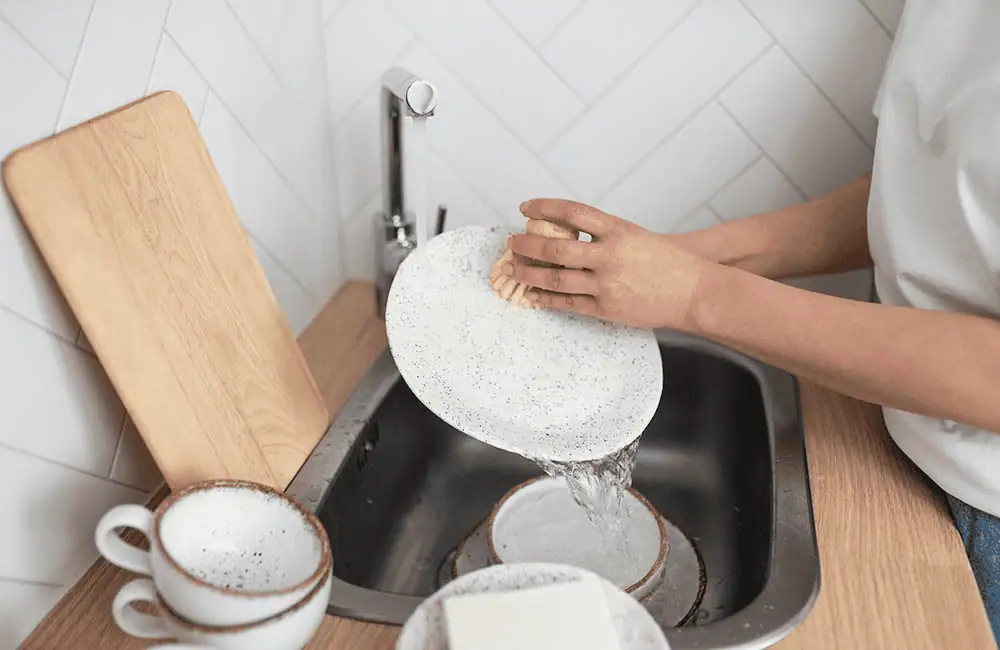
In large households, mess accumulates quickly. Cleaning during cooking prevents the kitchen from becoming overwhelming after meals. Washing tools during downtime keeps surfaces usable and reduces end-of-day fatigue. This habit protects energy and prevents burnout. For families cooking constantly, manageable cleanup often determines whether home cooking feels possible long-term or slowly becomes something everyone dreads.
Accept “Good Enough” Meals

Not every meal needs to impress. Big families succeed when meals are filling, familiar, and stress-free. Letting go of perfection reduces pressure on the cook and prevents burnout. Simple meals that everyone eats happily matter more than elaborate dishes that cause frustration or waste. Accepting “good enough” keeps cooking sustainable over time, which is far more important than variety, presentation, or trying to please everyone at once.
