
10 Prison Meals around the world that Reveal How Different Countries Treat Inmates
Prison food is rarely just about meeting calorie requirements. It reflects how a country understands punishment, rehabilitation, and human dignity. What appears on a tray is shaped by budgets, cultural norms, and legal philosophy, turning meals into quiet indicators of how inmates are viewed by the system. While prison food is usually simple and tightly controlled, its composition speaks volumes. From bare-minimum sustenance to structured, culturally familiar meals, these examples reveal how differently nations balance discipline, efficiency, and the idea of humane treatment behind bars.
United States
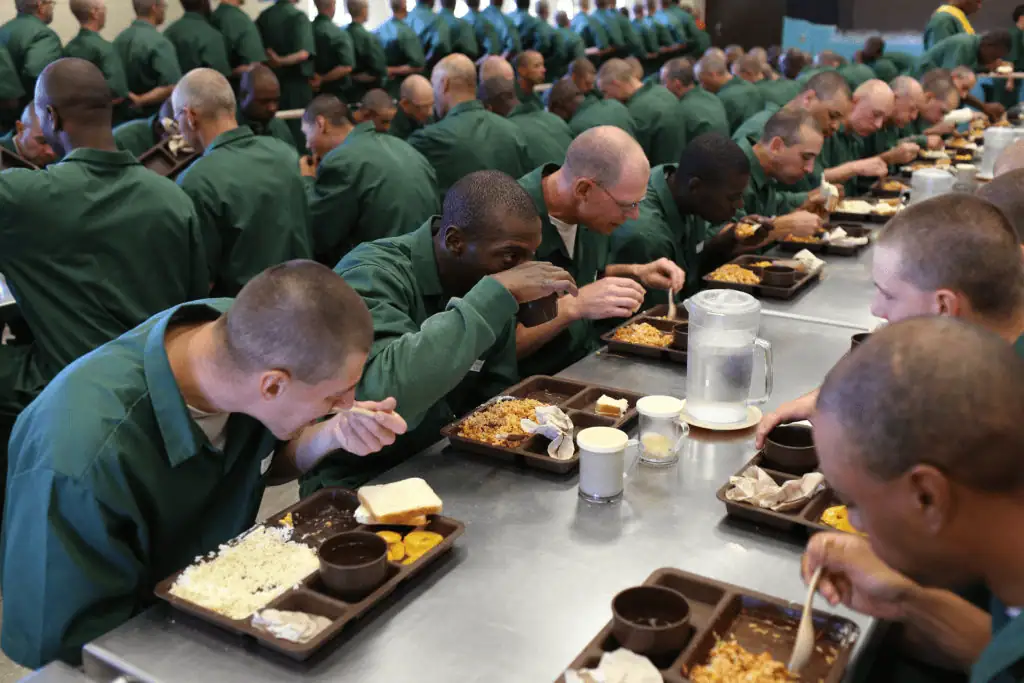
In many U.S. prisons, meals are designed primarily around cost efficiency and scalability. Trays often include soy-based proteins, white bread, processed meats, starchy sides, and minimal fresh produce. While calorie needs are typically met, variety and cultural relevance are limited. The food is functional, repetitive, and engineered to be cheap rather than satisfying. This approach reflects a system that prioritizes control and budget management over comfort. Meals are treated as fuel, reinforcing a punitive framework where rehabilitation and dignity play a secondary role to efficiency.
Japan
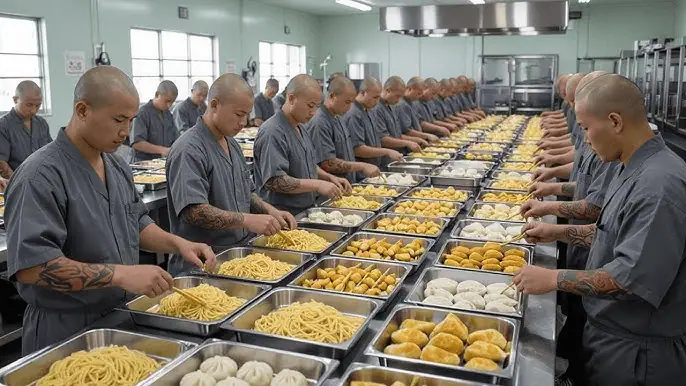
Japanese prison meals closely resemble simplified home cooking, emphasizing balance and consistency. Rice, vegetables, fish, soup, and small protein portions are common, prepared with attention to nutrition and presentation. Meals are eaten quietly and on schedule, reinforcing discipline and routine rather than deprivation. The food reflects Japan’s broader cultural values around order, moderation, and structure. Instead of using hunger as punishment, the system relies on predictability and restraint. The result is a meal that feels controlled but humane, aligning incarceration with correction rather than purely punitive isolation.
Norway
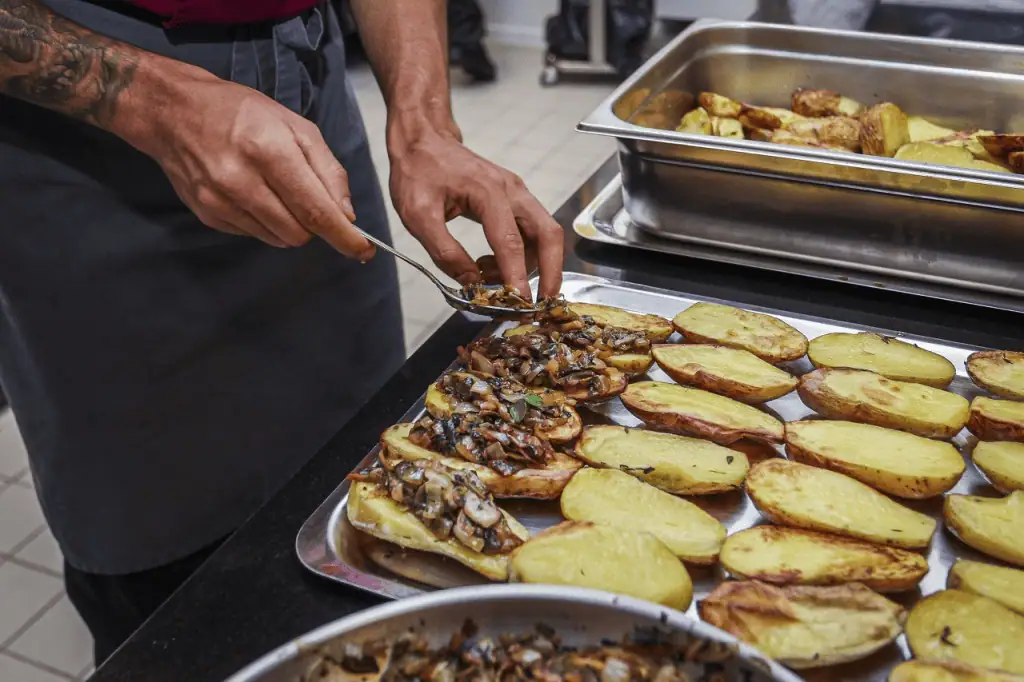
Norwegian prisons are widely known for treating food as part of rehabilitation rather than punishment. In many facilities, inmates cook their own meals using fresh ingredients such as fish, vegetables, bread, and dairy. Shared kitchens are central to daily life, encouraging responsibility, planning, and cooperation. The focus is normalization, helping inmates practice everyday routines they’ll need after release. Food becomes a tool for rebuilding autonomy and social skills, reinforcing the belief that preparing people for life outside prison is more effective than enforcing hardship through deprivation.
France
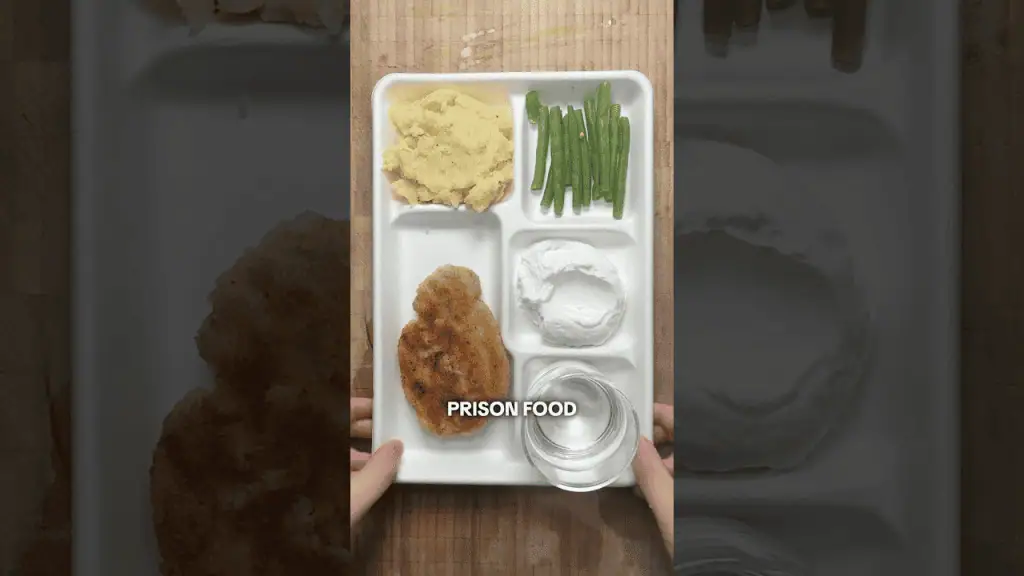
French prison meals often include bread, vegetables, cheese, and simple hot dishes influenced by national cuisine. While quality can vary depending on the facility and budget, food culture still plays a visible role. Meals reflect the idea that incarceration removes freedom, not basic dignity. Familiar flavors and traditional staples help preserve a sense of normalcy within confinement. Even in strict conditions, food is treated as part of cultural identity rather than a purely functional necessity, reinforcing the belief that humane treatment supports stability during incarceration.
Italy
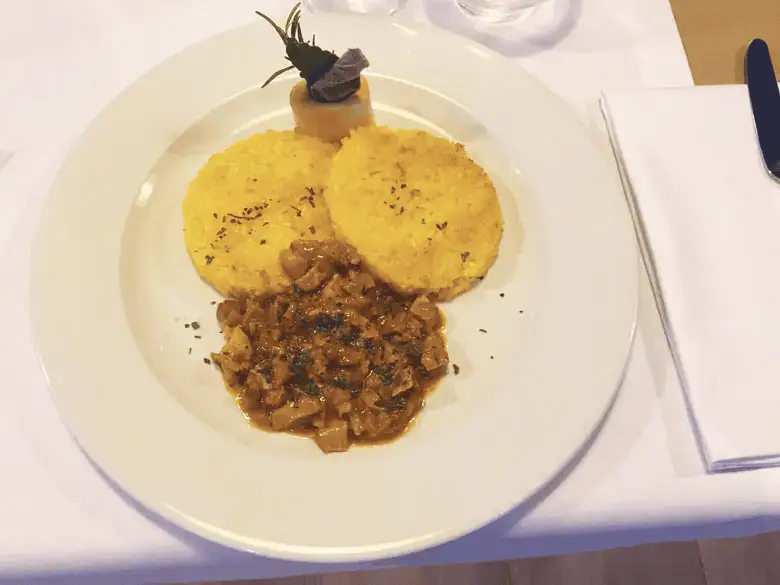
Italian prisons frequently serve pasta-based meals alongside vegetables, bread, and simple sauces rooted in national food traditions. In some facilities, inmates work in prison kitchens, gaining practical cooking skills and structured responsibility. Food remains closely tied to cultural identity, even behind bars, reinforcing familiarity in an otherwise restrictive environment. This approach reflects a belief that preserving cultural continuity supports mental well-being and rehabilitation. By maintaining recognizable meals, the system emphasizes personal dignity and routine as stabilizing forces rather than relying solely on control or punishment.
India
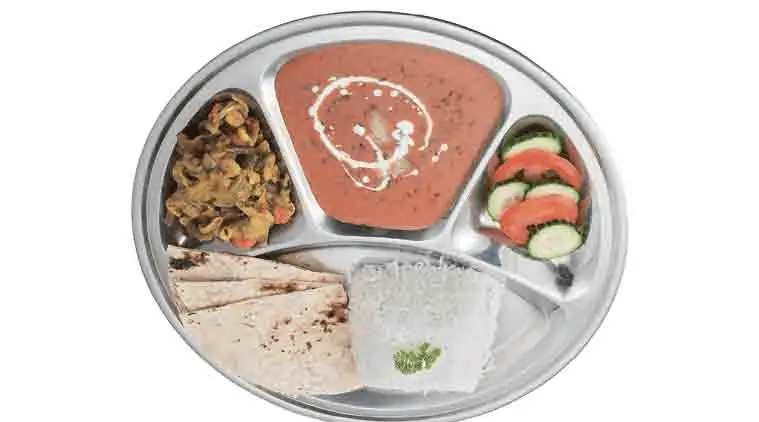
Prison meals in India are generally simple, plant-forward, and shaped by regional food traditions. Rice or flatbreads like chapati are commonly paired with lentils, vegetables, and basic curries prepared according to local dietary norms. While portions are modest and meals lack variety, they usually align with familiar eating habits rather than deliberate deprivation. The emphasis is on practicality, affordability, and cultural continuity. Food reflects routine and tradition more than punishment, reinforcing sustenance through recognizable staples rather than using restriction as a disciplinary tool.
Brazil
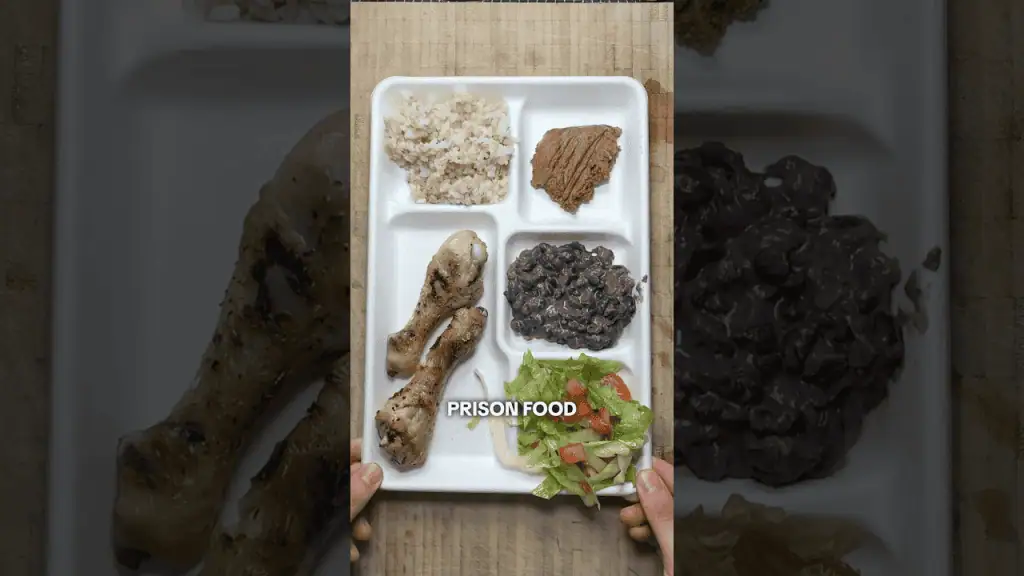
Brazilian prison food is often sparse and inconsistent, shaped heavily by overcrowding and strained budgets. Meals typically revolve around rice, beans, and small portions of protein, with quality varying widely between facilities. Nutrition often takes a back seat to logistical survival. Rather than reflecting a clear rehabilitation or punishment philosophy, the food reveals systemic pressure and infrastructure limitations. What inmates receive is less about intent and more about scarcity, highlighting how broader social and economic challenges directly influence daily life inside prisons.
Russia
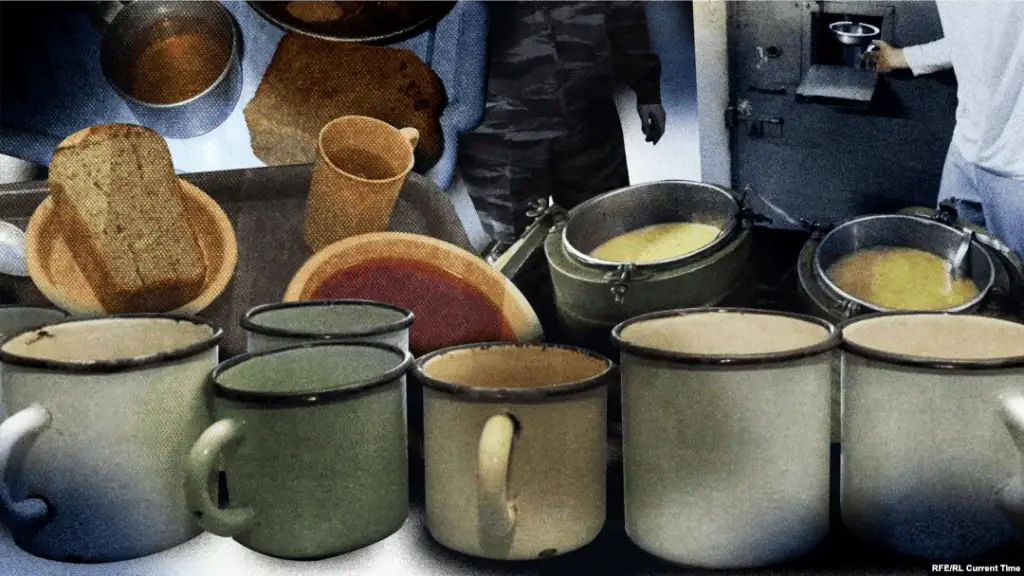
Russian prison meals are distinctly utilitarian, designed to meet basic caloric needs at minimal cost. Common foods include porridge, bread, cabbage soup, and potatoes, served with little variation or attention to flavor. Meals prioritize endurance over nourishment, reinforcing the severity of incarceration. Food is not used as comfort or rehabilitation, but as survival fuel. This approach reflects a system focused on discipline and toughness, where deprivation is normalized and the harshness of daily life is reinforced through repetitive, austere meals.
South Africa

South African prison meals are built around basic sustenance rather than comfort or variety. Maize porridge is a staple, typically served with vegetables and occasional portions of protein. Meals are filling but highly repetitive, shaped by budget constraints and systemic pressures. Food reflects broader economic realities and the country’s history of inequality, prioritizing calories and nutrition over experience. There is little emphasis on enjoyment or choice. Instead, meals underscore a system focused on survival and order, where maintaining basic nourishment takes precedence over reform or rehabilitation through daily living conditions.
Sweden
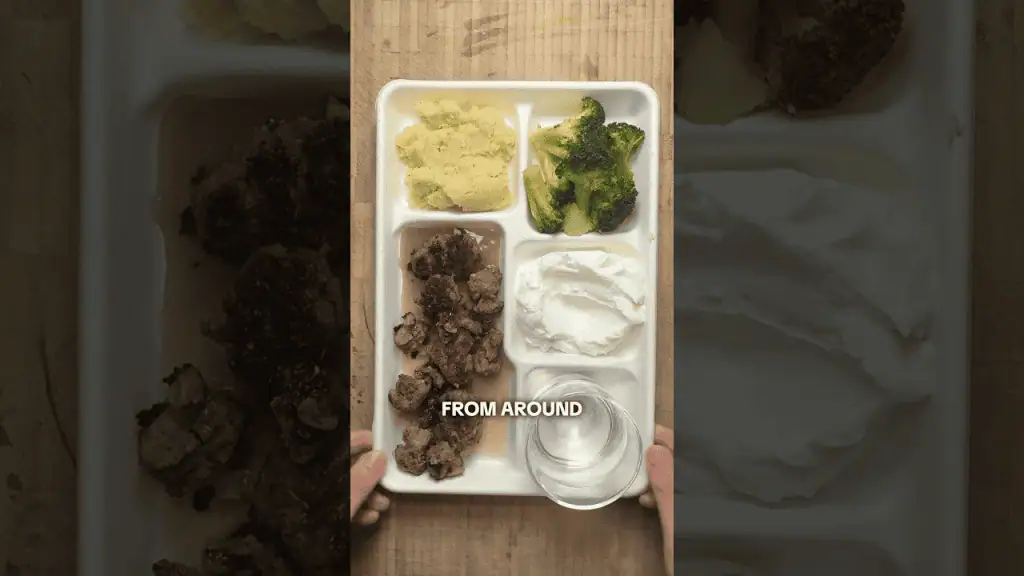
Swedish prisons, much like Norway’s, treat food as part of rehabilitation and social training. Inmates often participate in meal preparation using fresh ingredients and balanced menus designed to mirror everyday life outside prison. Food routines emphasize responsibility, cooperation, and normalcy rather than control. Meals are structured but humane, reinforcing social norms instead of deprivation. This approach reflects Sweden’s belief that respectful treatment and practical life skills reduce reoffending. By aligning prison food with ordinary living, the system frames incarceration as correction and reintegration, not punishment through hardship.
