
We Compared Prices at 5 Major Grocery Chains: Here’s Where You’re Overpaying
Navigating the supermarket aisles in early 2026 has become a significant financial challenge for many families. While the USDA has predicted a more stable inflation rate this year, current geopolitical tensions are keeping certain food costs quite high. Many shoppers assume that “big box” stores always offer the lowest prices, but new data suggests a very different story is unfolding.
By comparing identical baskets of goods across the nation’s five largest chains, we found surprising gaps in total costs. Some retailers that market themselves as budget-friendly are actually being outperformed by specialty discounters. Your monthly grocery bill is highly dependent on where you choose to fill your cart each week. We have analyzed the latest 2026 pricing reports to find out where you are truly overpaying today. Understanding these price differences could save your family thousands of dollars over the next twelve months.
Costco: The New Value Champion
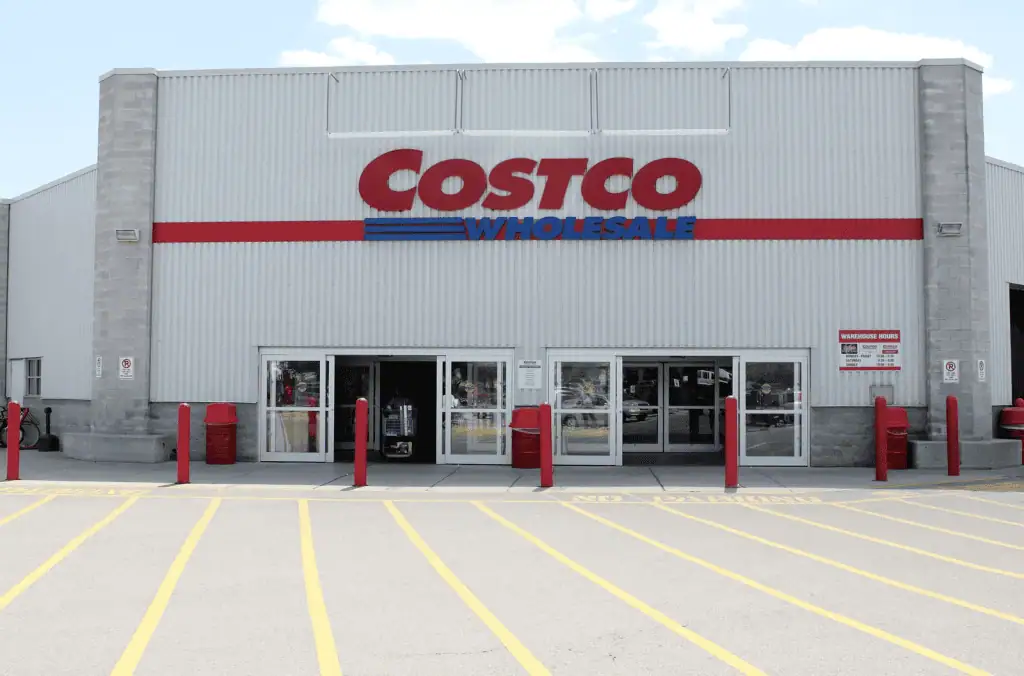
A major 2026 study has crowned Costco as the cheapest grocery option in the United States. This is a significant shift, as Aldi and Walmart have traditionally fought for that top spot. Costco’s prices averaged nearly 21% lower than Walmart’s in some major metropolitan areas. Even after accounting for the annual membership fee, the per-unit savings on bulk items are unmatched in the current market.
The warehouse model thrives in 2026 by moving massive volumes of high-quality staples with very low overhead. For families that have the storage space, buying protein, dairy, and pantry goods here is the best way to fight inflation. While you may spend more upfront, the long-term benefit to your household budget is undeniable. It remains the most effective tool for shoppers who want to maximize every dollar they spend on food. If you are not using a warehouse club, you are likely leaving a large amount of money on the table.
Aldi: The Efficiency Specialist
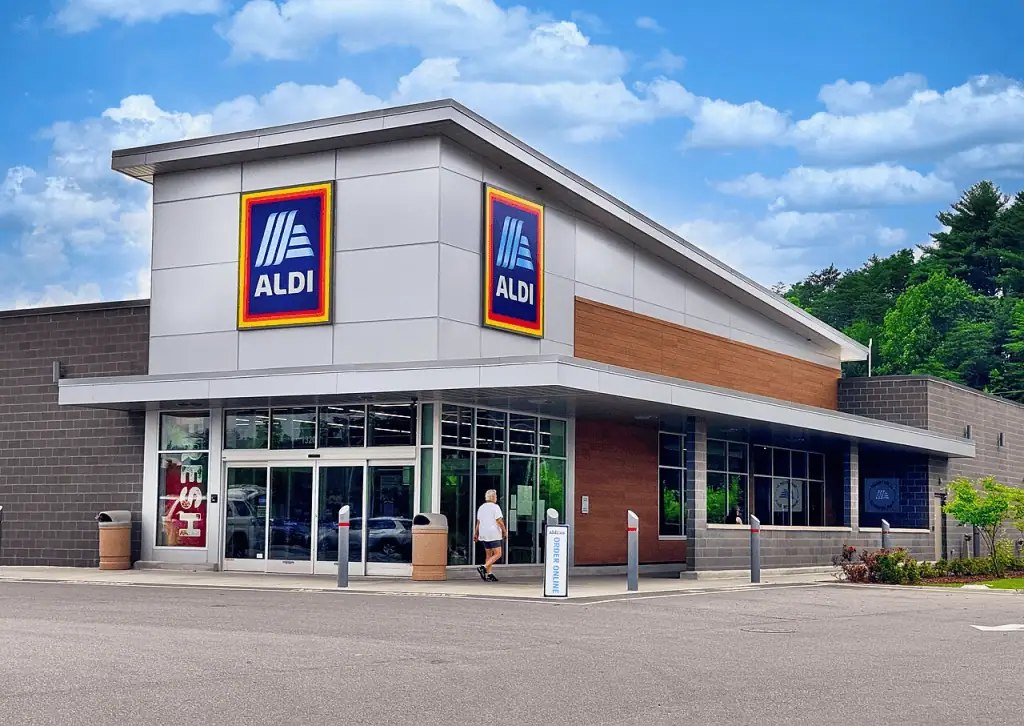
Aldi continues to be a powerful force for budget-conscious shoppers who prefer a smaller store format. Our 2026 price comparison shows that Aldi remains roughly 10% cheaper than Walmart on most private-label staples. They achieve these low prices by limiting their selection and using a highly efficient, no-frills staffing model. You won’t find many brand-name products, but their store brands often match the quality of the national leaders.
This store is ideal for quick, weekly trips where you want to avoid the “hidden taxes” of larger retailers. The 2026 trend shows more middle-class consumers switching to these discounters to maintain their lifestyle. While you have to bring your own bags and a quarter for the cart, the savings at the register make the extra effort worthwhile. They prove that a smaller footprint can lead to much bigger savings for the average consumer. It is a no-nonsense approach to shopping that consistently beats the traditional supermarket chains.
Walmart: The Middle Ground

Walmart serves as the national baseline for grocery pricing in 2026, but it is no longer the absolute lowest. While they beat traditional supermarkets like Kroger, they are currently trailing behind both Costco and Aldi. Their “Great Value” brand remains a solid option, yet the price gap with specialized discounters has widened. In many regions, a basic basket at Walmart now costs significantly more than at the local Aldi down the street.
The main advantage of Walmart remains its sheer convenience and massive variety of non-grocery items. However, if you are shopping strictly for food, you are likely paying a small premium for that one-stop convenience. In 2026, savvy shoppers are using Walmart for specific brand-name items but looking elsewhere for their weekly staples. Relying on Walmart for everything may feel cheap, but the data shows it is rarely the most economical choice. It is a reliable middle ground, but it is definitely not the final word in grocery savings anymore.
Kroger: The High Cost of Convenience

Kroger and its subsidiaries often appear more expensive than Walmart until you factor in their digital loyalty programs. In 2026, the gap between a “loyalty member” price and a standard shelf price can be as high as 15%. If you aren’t using their app or clipping digital coupons, you are almost certainly overpaying for your groceries. They offer a much more traditional “supermarket” feel with more staff and better service, but you pay for it at the checkout.
Their fuel points program is a major draw for many, but it rarely offsets the higher base price of their food. For the average shopper, Kroger represents a trade-off between a pleasant environment and a strictly optimized budget. Unless you are a dedicated couponer, your weekly bill here will likely be higher than at the budget-friendly competitors. It is a great place for variety and fresh produce, but it requires much more work to get a “good” price. Many shoppers are finding that the effort to save at Kroger isn’t worth the higher starting prices.
Whole Foods: Still the Premium King
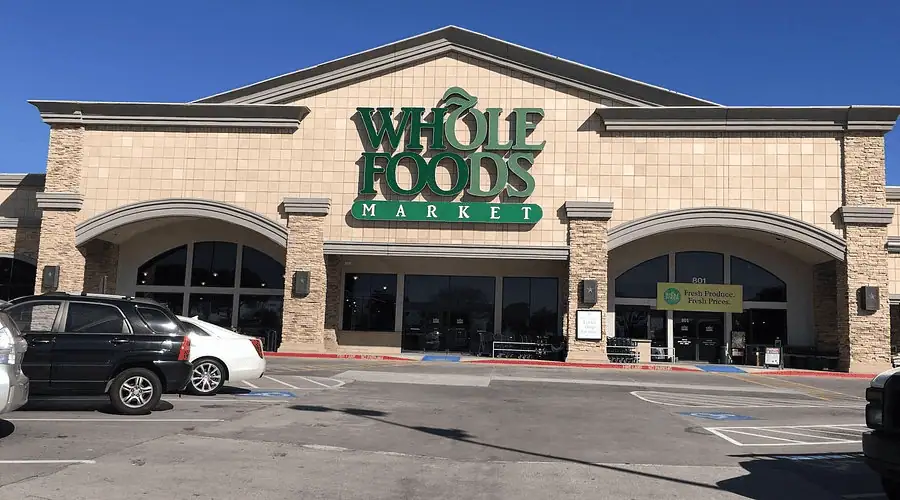
Despite efforts to lower prices through Amazon Prime integration, Whole Foods remains the most expensive major chain in 2026. A recent report revealed that prices at Whole Foods are nearly 40% higher than at Walmart for comparable items. Even for basic goods like milk or butter, the markup for the “premium” shopping experience is substantial. While they offer high-quality organic produce, you are paying a heavy tax for the brand and the store atmosphere.
For the budget-conscious shopper in 2026, Whole Foods should be treated as a specialty store rather than a weekly destination. Prime members can find some deals, but they rarely bring the total basket cost down to a competitive level. If you do your entire grocery run here, you are likely overpaying by hundreds of dollars every single month. It is a luxury choice that continues to live up to its famous “Whole Paycheck” nickname. To save money this year, you must be very selective about what you buy from their high-priced shelves.
