
10 Big McDonald’s Changes Rolling Out in 2026 That Customers Aren’t Ready For
McDonald’s has spent the past few years quietly reworking its operations, menus, and technology, and 2026 is expected to mark a noticeable shift for customers. Rather than one dramatic overhaul, the changes arriving are layered, touching everything from pricing models to how orders are placed and fulfilled. Many of these updates are designed to improve efficiency and profitability, but they may feel unfamiliar or even uncomfortable to longtime customers. Together, they signal how the world’s largest fast-food chain is adapting to rising costs, digital habits, and changing consumer expectations.
More Digital-Only Ordering by Default
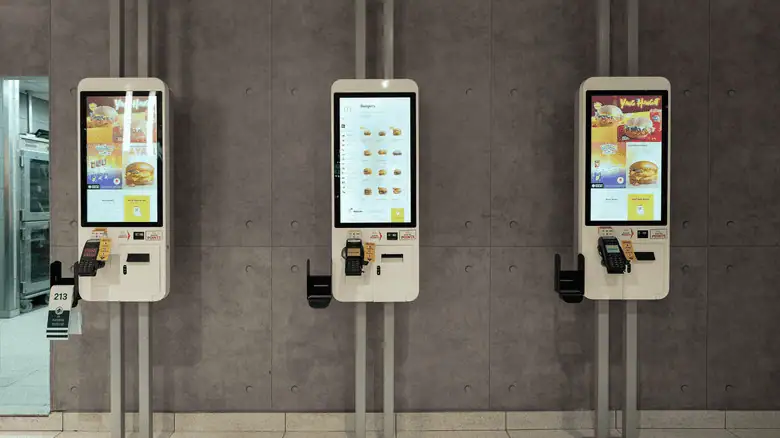
By 2026, McDonald’s is expected to push digital ordering even harder, making app-based and kiosk ordering the default experience in many locations. Counter ordering will still exist, but fewer staff members may be assigned to it, subtly nudging customers toward screens. This shift allows McDonald’s to manage labor costs and promote personalized deals, but it may frustrate customers who prefer human interaction or quick verbal orders, especially during busy periods.
Wider Use of Dynamic Pricing
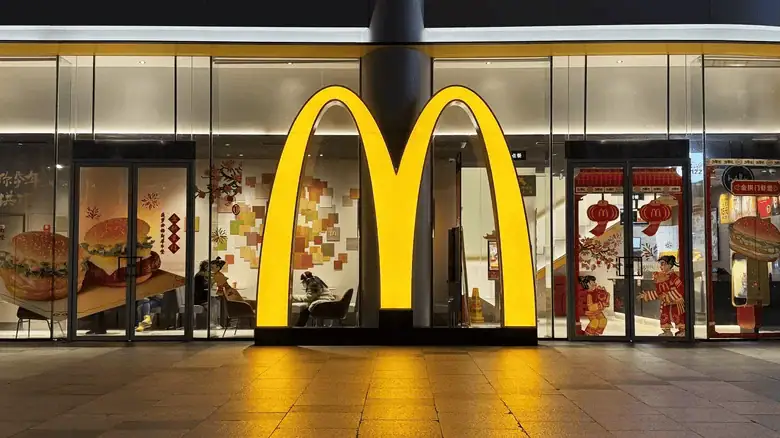
Dynamic pricing is likely to expand in 2026, meaning menu prices could change based on time of day, demand, or location. While McDonald’s has tested this concept quietly, a broader rollout could catch customers off guard. A burger priced one way in the morning might cost more during peak lunch hours. Though common in other industries, this approach challenges the expectation of consistent fast-food pricing and may create sticker shock for regular customers.
Smaller Menus With Fewer Custom Options
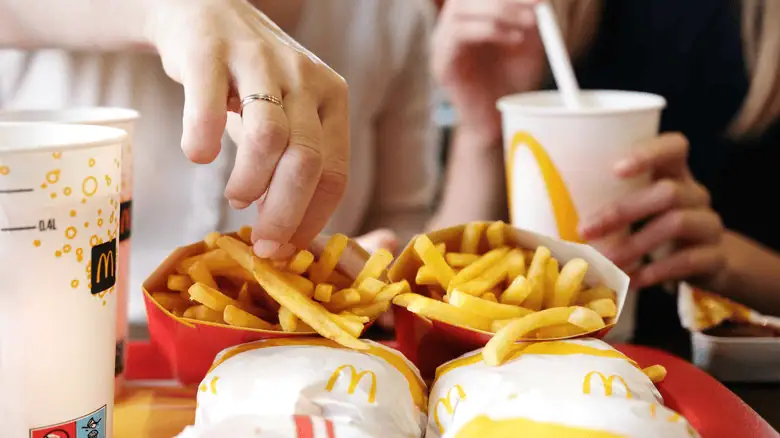
McDonald’s is expected to streamline menus further by 2026, removing slower-selling items and limiting customization. While this improves kitchen speed and consistency, it reduces flexibility for customers accustomed to personalized orders. Fewer variations mean faster service, but also fewer ways to tailor meals. For loyal customers attached to specific modifications, the change could feel restrictive despite operational benefits.
Loyalty Program Becoming Harder to Ignore
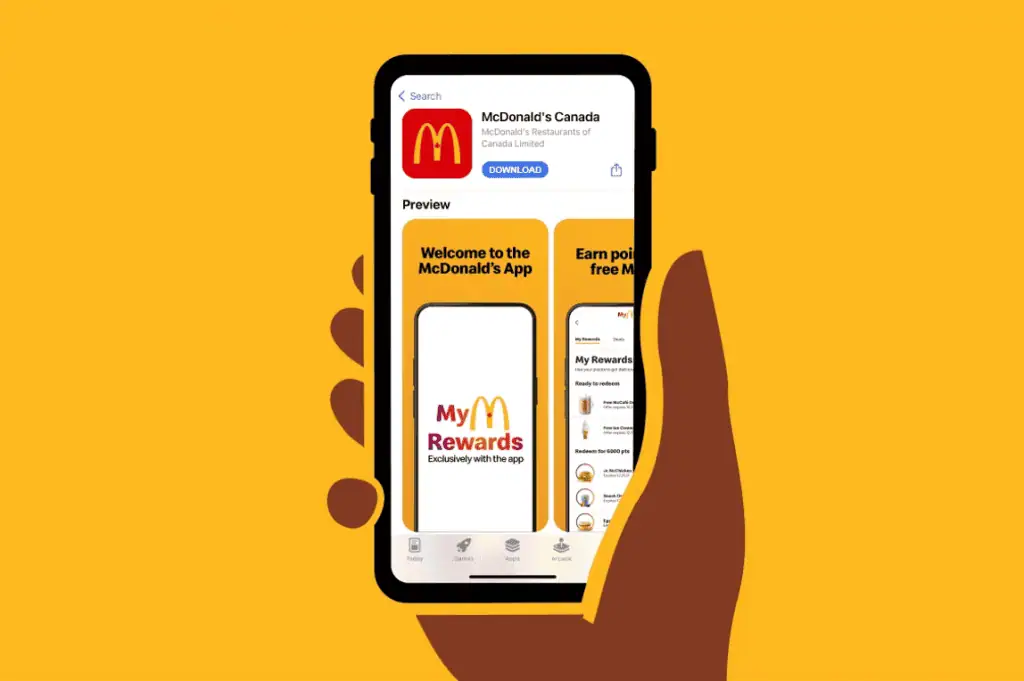
The McDonald’s app-based loyalty program is set to become more central to the customer experience. In 2026, some deals and pricing advantages may only be accessible through the app. Customers who avoid digital platforms could end up paying more for the same items. While rewards users benefit from frequent discounts, the growing divide between app users and non-users may frustrate those who simply want straightforward ordering.
Increased Focus on Automation Behind the Scenes
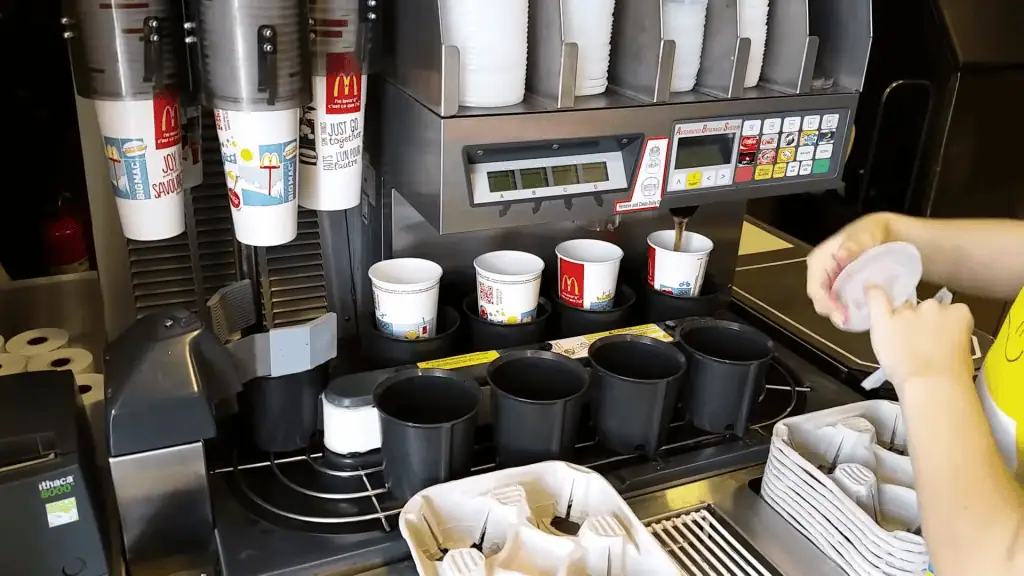
Automation in McDonald’s kitchens is expected to expand, with more automated fryers, beverage systems, and prep stations. These tools reduce human error and speed up service, but they also change how food is prepared and monitored. Customers may notice more consistency but less visible staff interaction. For some, the increasingly mechanical feel of the restaurant experience may feel less welcoming than in the past.
Breakfast Offerings Becoming More Limited
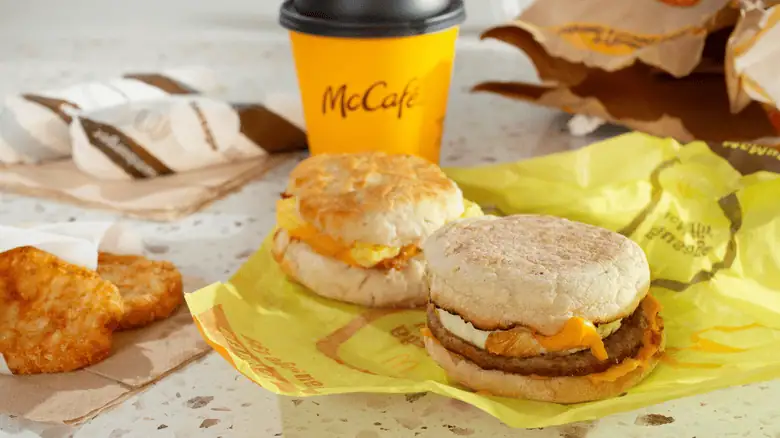
While breakfast remains important, McDonald’s is expected to narrow its breakfast menu further in 2026. Items that slow down operations or require separate prep may be phased out. This allows kitchens to transition to lunch service faster but reduces variety for morning customers. Fans of discontinued breakfast items may find fewer choices than they remember, even if core staples remain.
Greater Emphasis on Premium Pricing Tiers
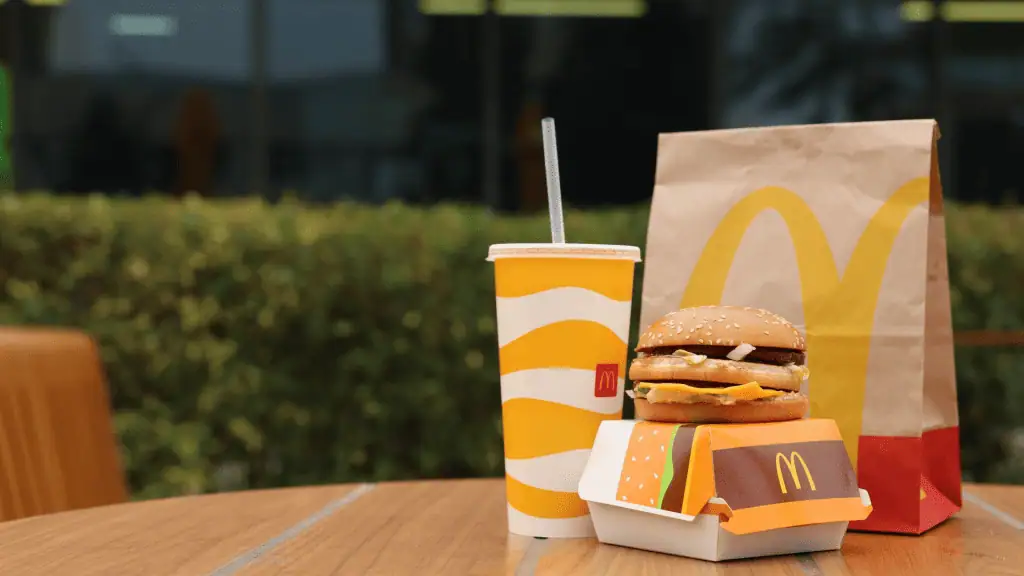
McDonald’s is expected to lean more heavily into premium-priced items, positioning select burgers and beverages as upgrades rather than value meals. These items carry higher margins and appeal to customers willing to pay more for perceived quality. However, this shift could weaken McDonald’s long-standing reputation for value, especially among customers who rely on it as an affordable everyday option.
Drive-Thru Experience Becoming More Automated
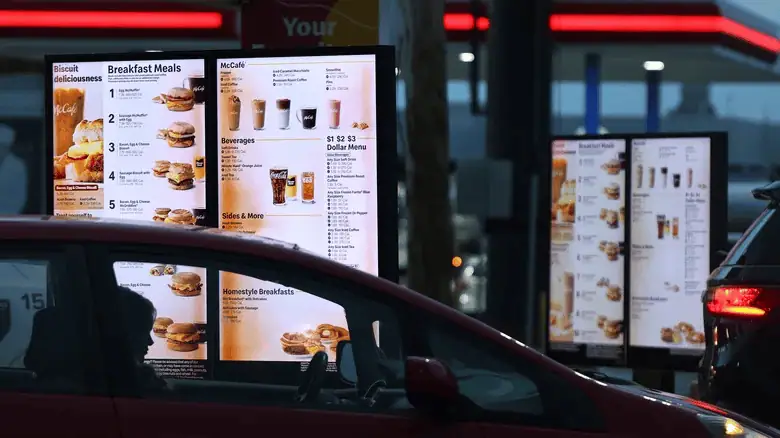
By 2026, more McDonald’s drive-thrus are expected to use automated order-taking systems powered by voice technology. These systems promise accuracy and speed but may struggle with accents, complex orders, or background noise. Customers who are accustomed to human interaction at the speaker may find the experience impersonal or frustrating, especially when corrections are needed during the order.
Fewer In-Store Dining Enhancements
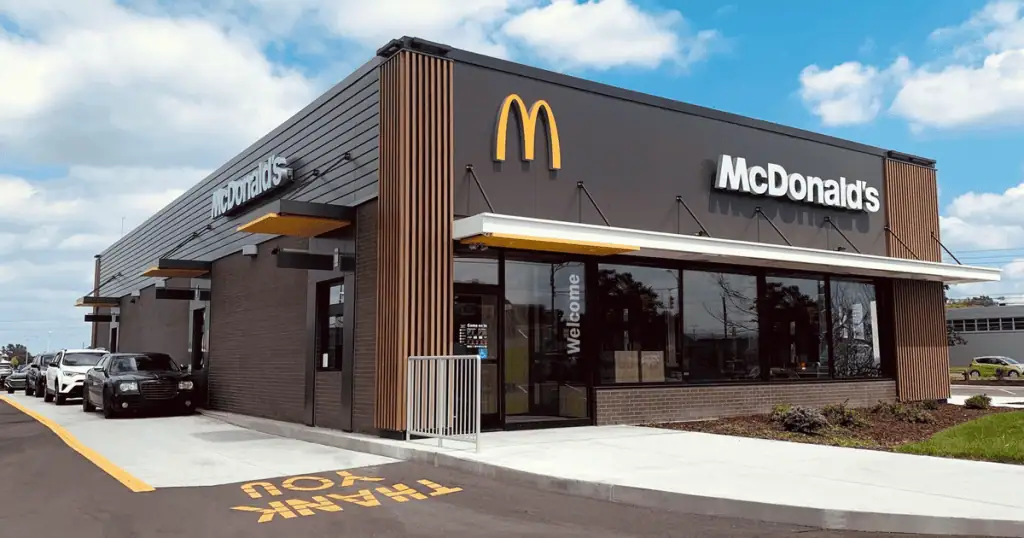
McDonald’s is likely to scale back investments in in-store dining upgrades, focusing instead on takeout, drive-thru, and delivery. Seating areas may feel more functional and less inviting, reflecting changing customer behavior. For those who still enjoy dining inside, the experience may feel stripped down, reinforcing McDonald’s shift away from being a sit-down destination.
Pricing Transparency Becoming Less Clear
As deals, bundles, and app-only pricing expand, understanding the true cost of a McDonald’s meal may become more complicated. Customers could see different prices depending on how and where they order. While this benefits savvy app users, it risks alienating customers who expect simplicity. By 2026, navigating McDonald’s pricing may require more effort than many customers anticipate.
