
8 Bizarre 1920s American Foods That Would Shock You Today
The 1920s was a time of experimentation in American cuisine, leading to some unusual dishes that seem bizarre by today’s standards. These foods reflect a period of culinary creativity driven by new technologies and cultural shifts. Let’s explore some of the most surprising concoctions that defined an era of bold innovations.
Cod Liver Oil Candies: A Fishy Treat

Cod liver oil was praised for its health benefits, so it made its way into candy, a peculiar vehicle for such a strong flavor. These treats were ingeniously designed to mask the oil’s taste with sugar and other sweeteners. When making similar confections, focus on balancing by pairing strong or off-putting flavors with sweet or tart notes. Using sugar, honey, and lemon can help create a more palatable result while preserving the nutritional benefits.
Gelatin Salads: Savory Surprise

Gelatin salads, often mixed with vegetables, meats, or fish, were a staple at 1920s gatherings. Achieving clarity in the gel by ensuring proper hydration of the gelatin before heating is key. For a modern take, consider incorporating crunchy textures like celery or nuts while ensuring each ingredient is suspended evenly. Adding a splash of vinegar can create a zing, countering the rich gelatinous base and offering a more balanced dish.
Date Nut Bread in a Can

This convenience food captured the essence of the decade’s love for portability. The bread was baked directly in cans, yielding a moist, dense treat. When recreating this, focus on proper creaming of butter and sugar to ensure a light crumb. Use fresh, plump dates to enhance the sweetness naturally, and toast the nuts to deepen their flavor. Baking in cans can add an authentic touch, but muffin tins can provide similar results.
Get the recipe: Grandma’s Date Nut Loaves
Raw Compressed Yeast: A Daily Dose
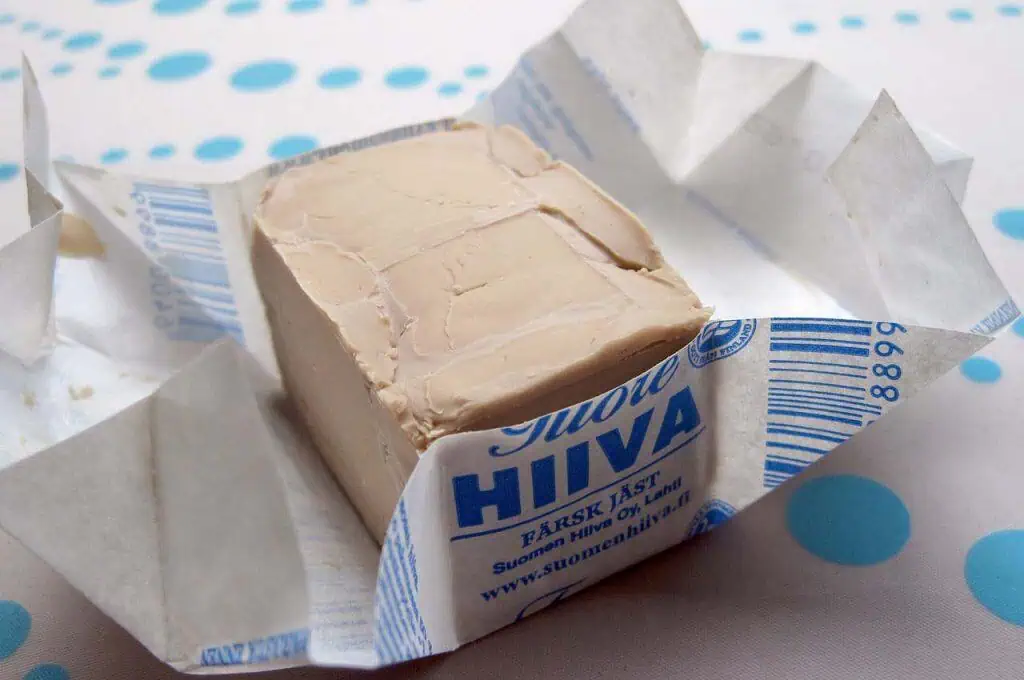
In the 1920s, raw yeast was consumed for its perceived health benefits, taken much like a supplement. Its robust flavor is something to note, it can overpower if not balanced well. Incorporate raw yeast sparingly into smoothies or spreads, where its boldness can meld smoothly with other ingredients. When baking, allow yeast to bloom properly to ensure leavening efficacy, and use it with strong-flavored companions like garlic or cheese to counter its intensity.
Bile Beans: The Bitter Pill

Bile Beans were marketed in the 1920s as a digestive aid, purportedly beneficial for health. Their sharp, bitter profile was reminiscent of herbal tonics with astringent properties meant to stimulate digestion. Made from a mix of herbs and spices, they were less about flavor pleasure and more about purported health benefits. When exploring historic recipes, note the importance of their underlying concept, herbal remedies. Contemporary adaptations might include using similar spices in teas or pickling.
Boula Boula: Turtle & Pea Soup

Boula Boula Soup combined the richness of turtle meat with the earthy sweetness of pea puree. The dish began with a deeply flavored broth, often simmered with turtle bones for robustness. Today, home cooks can replicate this complexity by substituting turtle with rich proteins like beef or chicken, layered over a base of fresh peas. Aim for a balance of hearty and bright, enhancing with herbs like thyme or bay leaf. Simmer slowly to coax out flavors, allowing each ingredient to meld harmoniously.
Violet Ray: The Health Elixir

The Violet Ray was a peculiar health tonic of the era, believed to invigorate and rejuvenate. While not a food, its essence was in promoting vitality through exotic ingredients like violet flowers and herbs. For a culinary twist, consider infusing these delicate, floral notes into syrups or teas. Combine violets with honey for a soothing drink or dessert topping. The key is subtlety, use flowers to add a soft fragrance without overpowering, letting them complement rather than dominate.
Early Ovaltine: Medicinal Brew
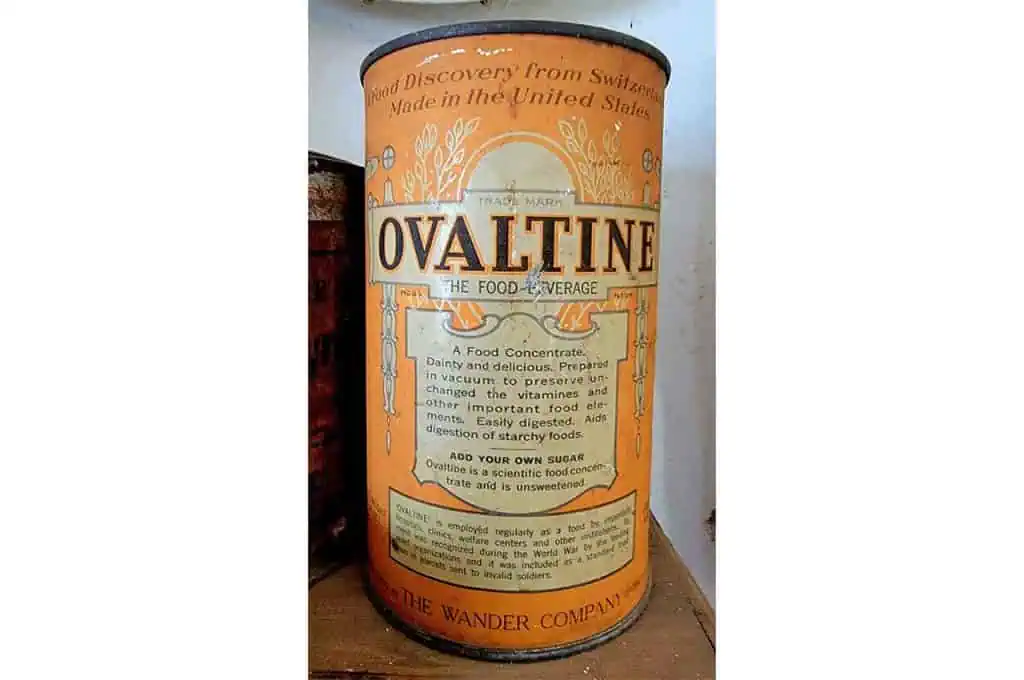
Early Ovaltine was more than a chocolatey drink; it was marketed for its nutritional properties, combining malt, milk, and cocoa. The rich, malty base offered sustenance, while cocoa introduced warmth. To recreate at home, focus on balance: blend malted milk powder with quality cocoa and milk for a soothing beverage. Adjust the sweetness with sugar or honey to your taste. The aim is a smooth, comforting drink, reminiscent of its origins yet tailored to modern palates.
