
10 Forgotten American Foods History Books Don’t Talk About but Everyone Used to Eat
American food history often highlights iconic dishes, but it leaves out many everyday foods that ordinary people relied on for years. These meals weren’t glamorous or regional specialties, they were practical, affordable, and familiar. As industrial food systems changed, tastes shifted, and convenience foods took over, these items slowly disappeared. Most weren’t replaced by better options, just newer ones. Here are forgotten American foods that were once normal parts of daily life, even though few people talk about them today.
Ham Salad
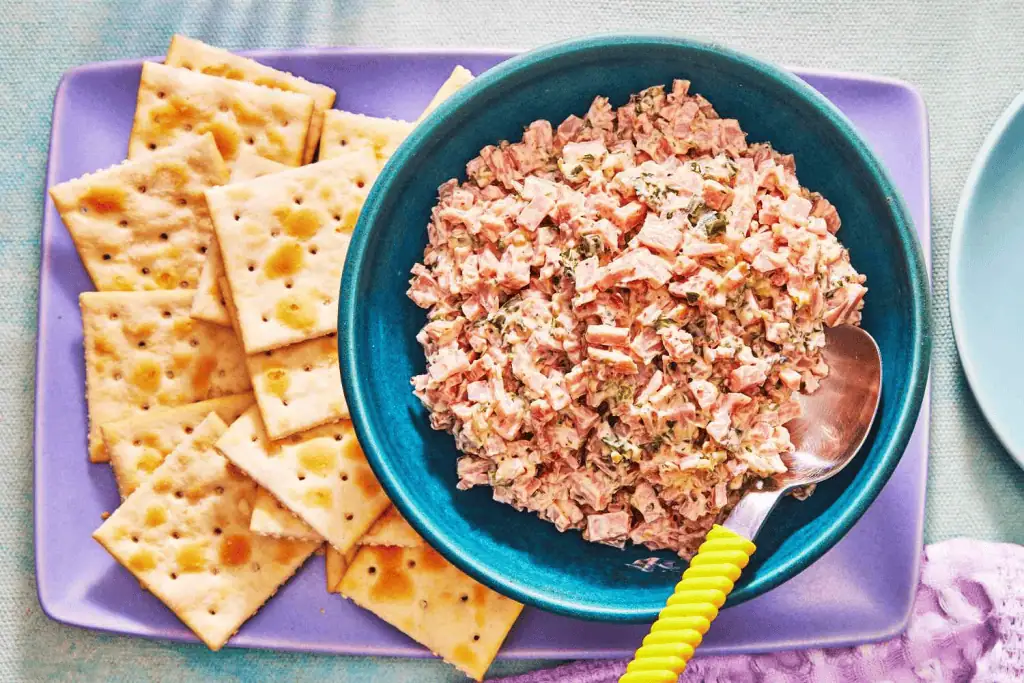
Ham salad was a staple in mid-century American homes, especially for lunches and gatherings. Made from finely chopped ham mixed with mayonnaise, mustard, or relish, it stretched leftovers into filling meals. It was commonly served on sandwiches or crackers and valued for affordability and protein. As deli meats and packaged spreads became more popular, ham salad fell out of favor. Today it’s rarely seen outside small diners or home kitchens that still follow older traditions.
Creamed Chipped Beef on Toast
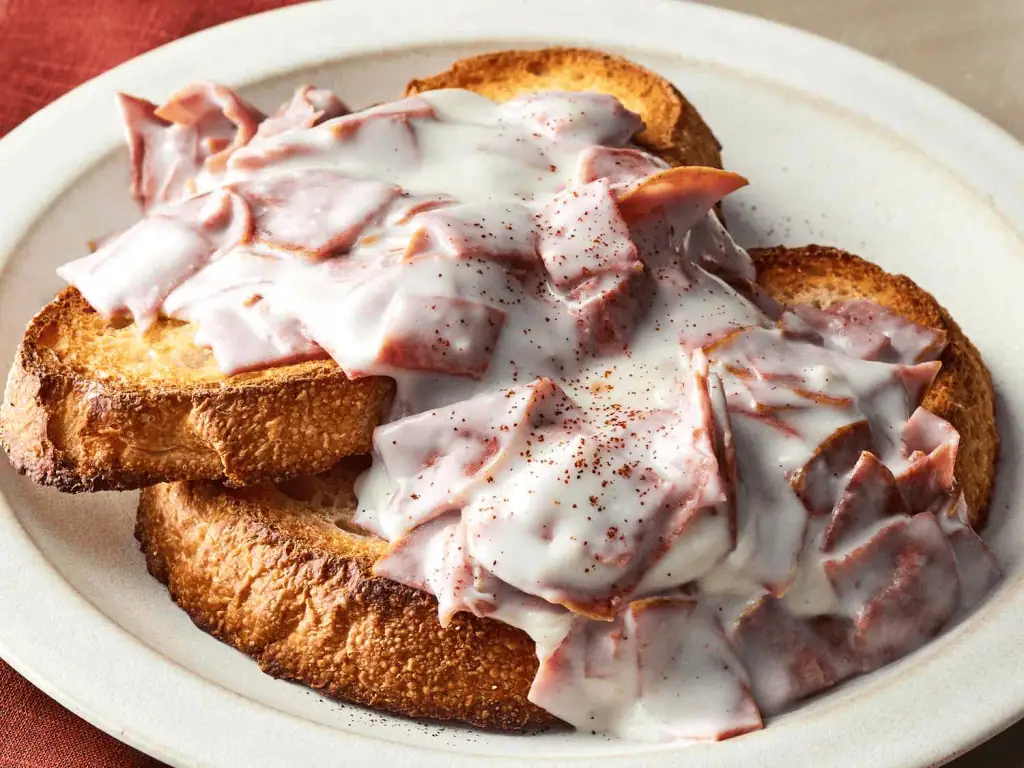
Often called “SOS,” creamed chipped beef was once a common breakfast and dinner food, especially during and after wartime. Thin slices of dried beef were cooked in a white gravy and served over toast. It was inexpensive, filling, and relied on shelf-stable ingredients. As tastes shifted away from heavy cream sauces and preserved meats, the dish lost popularity. Now it’s remembered mostly through military stories rather than everyday cooking.
Aspic and Gelatin Salads

Aspic-based dishes once symbolized sophistication and modern cooking. Savory gelatin molds filled with vegetables, meats, or eggs appeared at dinners and holidays across America. They were practical for food preservation and presentation. Over time, changing tastes made these dishes seem strange or unappetizing. As refrigeration improved and fresh foods became easier to access, gelatin salads faded from the table and into retro cookbooks instead.
Liver and Onions
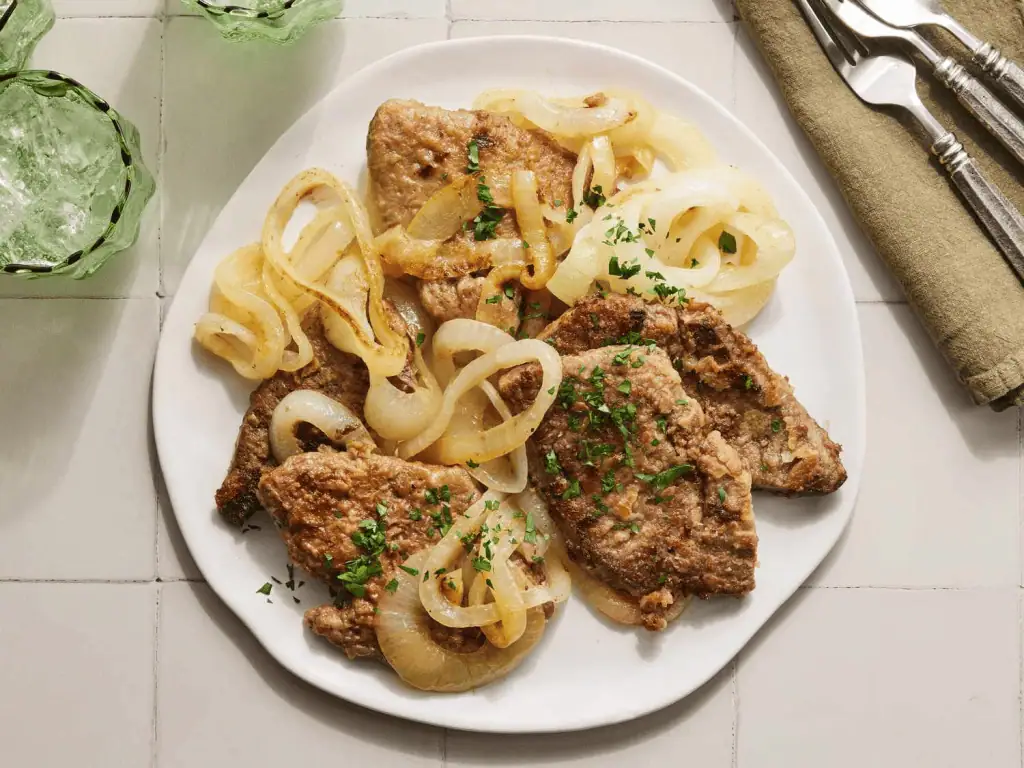
Liver and onions was a routine weeknight dinner for many American families because organ meats were affordable and nutritious. Beef or calf liver was pan-fried with onions to soften the strong flavor. As meat preferences shifted toward leaner cuts and convenience foods, liver became less common. Today, many Americans associate it with unpleasant texture or smell, even though it once represented responsible, waste-free cooking.
Corn Pone
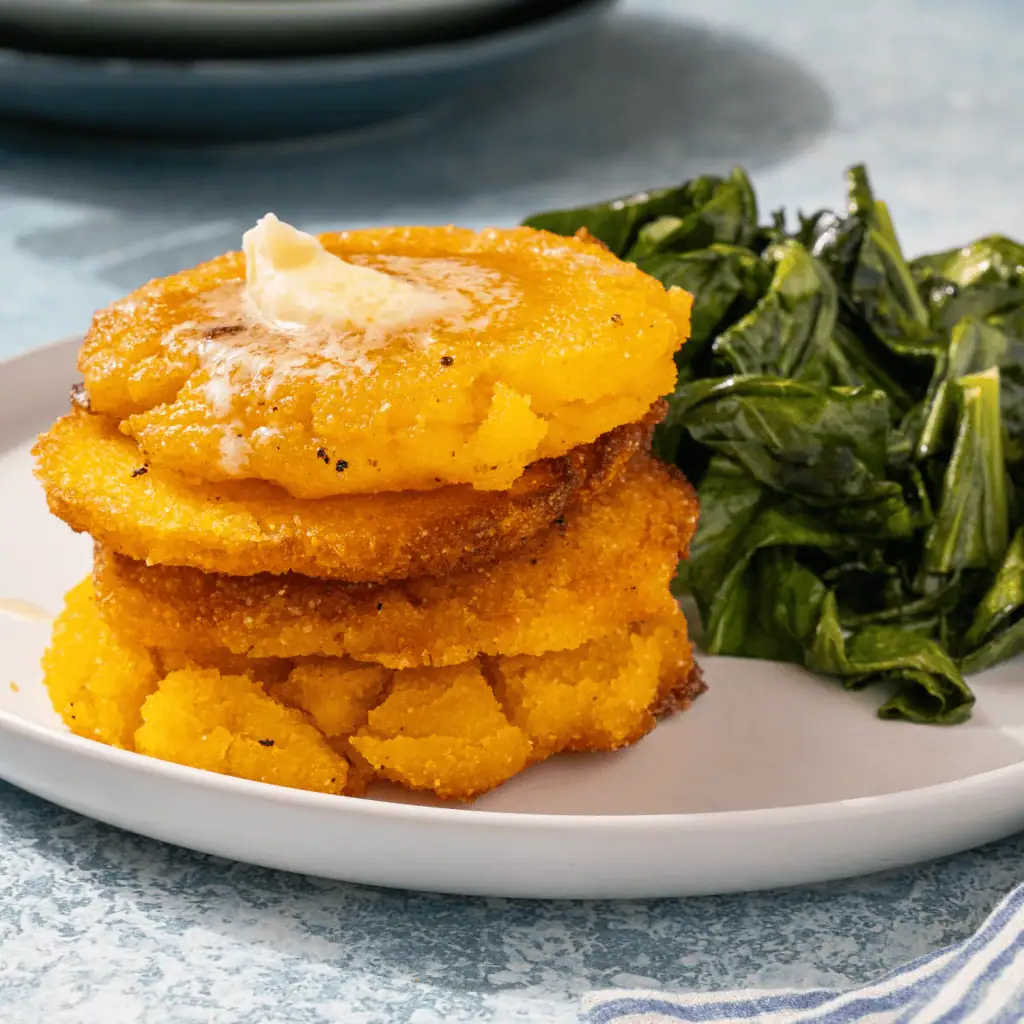
Corn pone was a simple cornmeal-based bread cooked without flour or yeast, often fried or baked. It was especially common in rural households where ingredients were limited. Filling and cheap, it served as a daily starch alongside vegetables or beans. As store-bought bread became widely available, corn pone lost relevance. Unlike cornbread, it didn’t survive modernization and is now rarely eaten outside historical reenactments.
Tomato Aspic
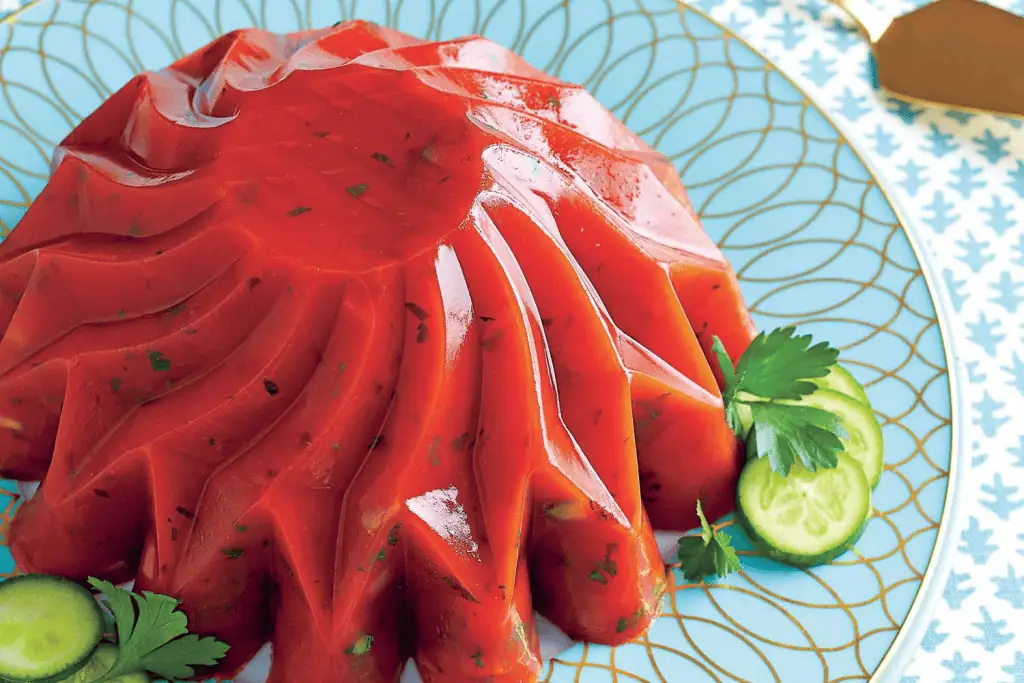
Tomato aspic is combined with tomato juice, gelatin, and seasonings, often served chilled as a side dish. It was popular for its refreshing taste and perceived health benefits. The dish fit neatly into early ideas of balanced meals and elegant presentation. As food culture moved away from molded dishes, tomato aspic disappeared. Today, it’s more likely to be mentioned in old menus than found on modern plates.
Prune Pudding
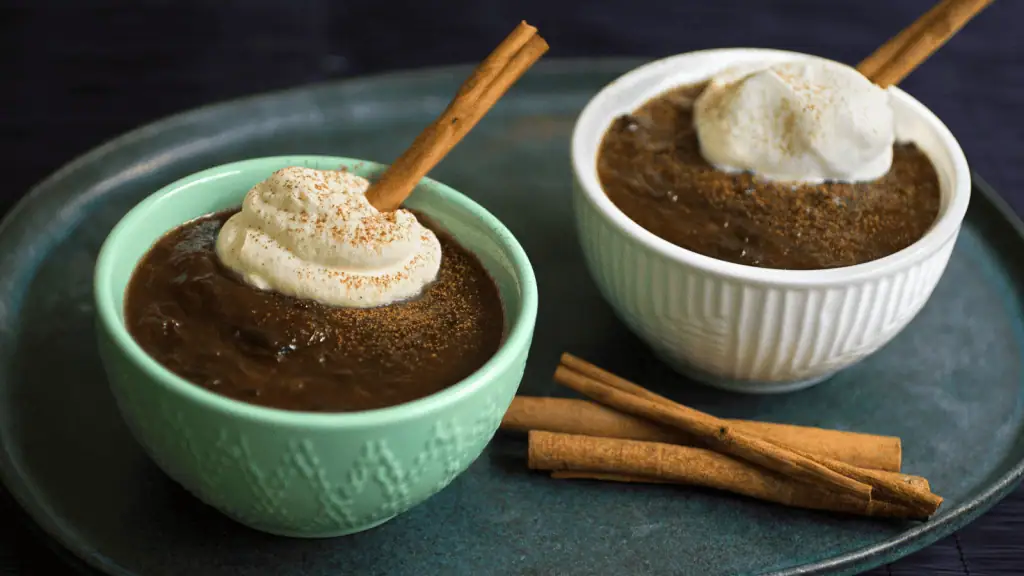
Prune pudding was a common dessert that emphasized thrift and digestion rather than indulgence. Made with prunes, bread crumbs, or flour, it was lightly sweet and filling. Prunes were widely available and affordable, making this dessert practical. As sugary desserts and packaged sweets became dominant, prune-based dishes lost appeal. Now, prune pudding survives mostly in handwritten family recipes rather than restaurants.
Milk Toast
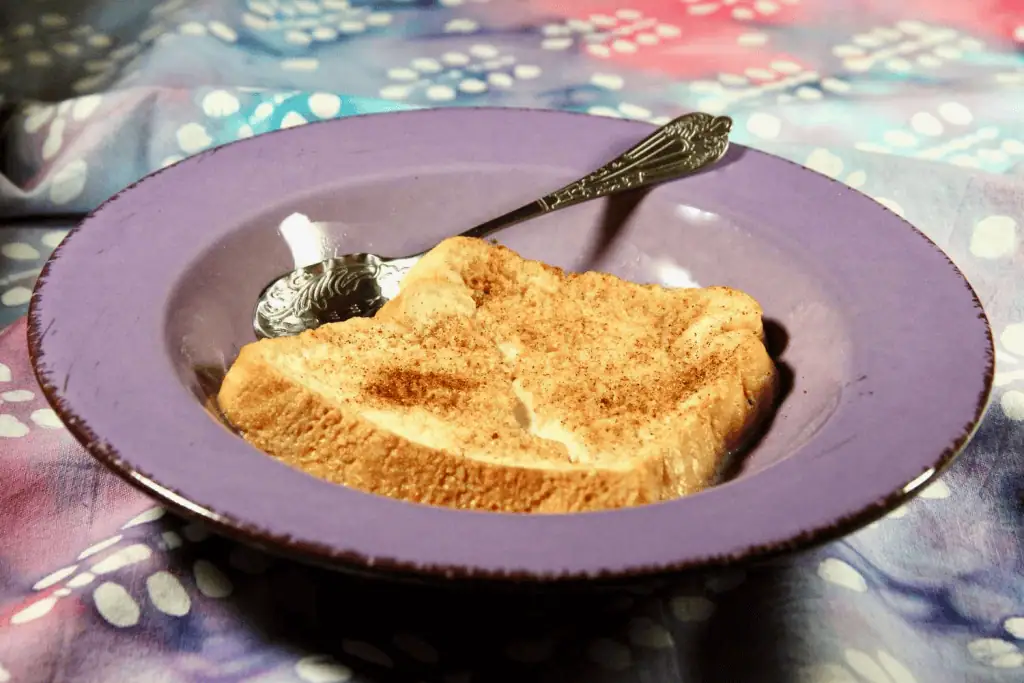
Milk toast was a soft, bland dish made by pouring warm milk over buttered toast. It was often served to children, the elderly, or anyone recovering from illness. The dish was valued for being gentle on the stomach and easy to digest. As medical advice and eating habits changed, milk toast disappeared from regular meals. Today, it’s remembered as a symbol of old-fashioned simplicity.
Scrapple
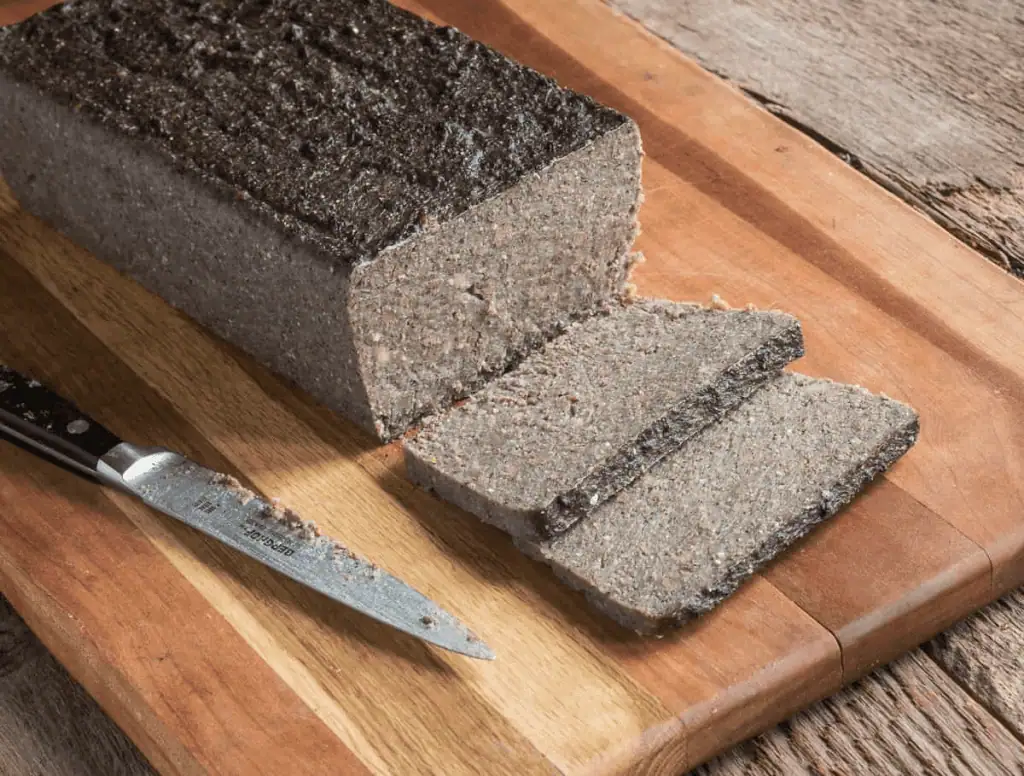
Scrapple was created as a way to use leftover pork scraps combined with cornmeal and spices, then sliced and fried. It was common in parts of the Mid-Atlantic and valued for thrift and flavor. As Americans moved away from nose-to-tail eating, scrapple became less popular. While it still exists regionally, it’s largely unknown elsewhere, despite once being a breakfast staple for many families.
Salmon Loaf
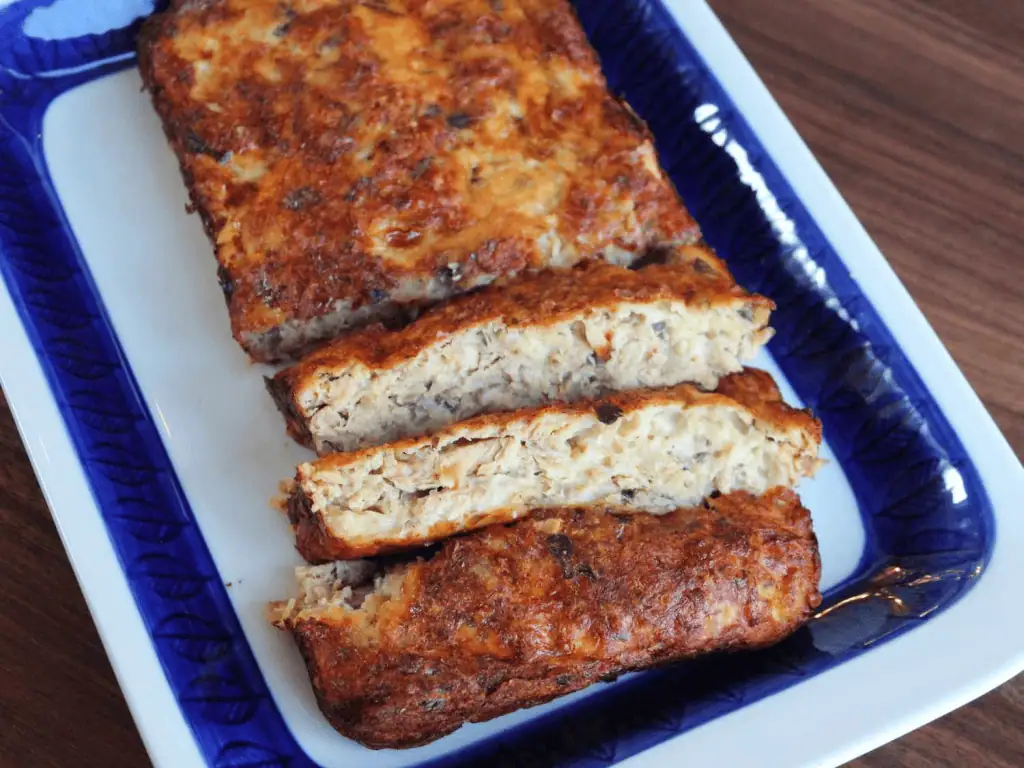
Salmon loaf was a budget-friendly dinner made from canned salmon mixed with eggs, breadcrumbs, and seasonings, then baked. It provided protein when fresh fish was expensive or unavailable. The dish was common in mid-century cookbooks and school lunches. As frozen foods and fresh seafood became more accessible, salmon loaf faded from use. Today, it’s rarely cooked, despite once being a reliable household meal.
