
7 ‘Wild West Foods’ That Now Only Survive in History Books
Exploring “Wild West Foods” offers insight into culinary adaptations essential for survival in a rugged, untamed landscape. These foods, once daily staples, are rare today but encapsulate a time when ingenuity was paramount. From enduring biscuits to resourceful meat preservation, these dishes reveal the gritty resourcefulness of frontier life. Understanding these proteins and breads enhances our culinary repertoire, granting a window into a bygone era of American history.
Hardtack Biscuits: The Unbreakable Staple

Hardtack biscuits were the frontier’s answer to durable nutrition. Made with just flour, water, and salt, they were baked until impossibly hard, ensuring a lengthy shelf life. To recreate this historical staple, mix the ingredients into a stiff dough, roll it thin, and score it for easy breaking. Bake at a low temperature until thoroughly dried. While lacking in flavor, soaking them in soups or stews softens them, making them palatable. This technique reflects the resilience of early settlers.
Salt Pork: Frontier Survival’s Backbone

Salt pork was the frontier’s preservation marvel, providing essential sustenance. To make it, chunks of pork are heavily salted and left to cure, ensuring longevity without refrigeration. For modern usage, rinse and soak the cured pork to reduce saltiness, then slice and fry, rendering out the fat and creating flavorful cracklings for dishes. The texture and rich, salty flavor add depth to beans and greens. This technique is a testament to strategic food preservation under harsh conditions.
Sourdough Starter: Treasure on the Trail

A sourdough starter was a prized possession for pioneers, offering a continuous supply of bread leavening. Created by fermenting flour and water, it captures wild yeast from the environment. To begin, mix equal parts flour and water, stir daily, and wait for bubbles to signal fermentation. Refresh with fresh flour and water, keeping it lively. This living culture imparts a distinctive tang to breads, embodying the trail’s rustic charm while teaching patience and care in baking.
Pan-Fried Prairie Oysters: Frontier ‘Delicacy’

Prairie oysters, often buffalo or calf testicles, transformed necessity into delicacy. To prepare, peel and slice them thinly, then dredge in seasoned flour before pan-frying in hot oil. The crisp exterior contrasts with a tender, mild interior. Serve with a simple dipping sauce to highlight their unique flavor. This dish exemplifies the frontier’s “waste not” philosophy, turning what might seem unconventional into an exercise in culinary resourcefulness.
Johnnycake: Westward Expansion Bread
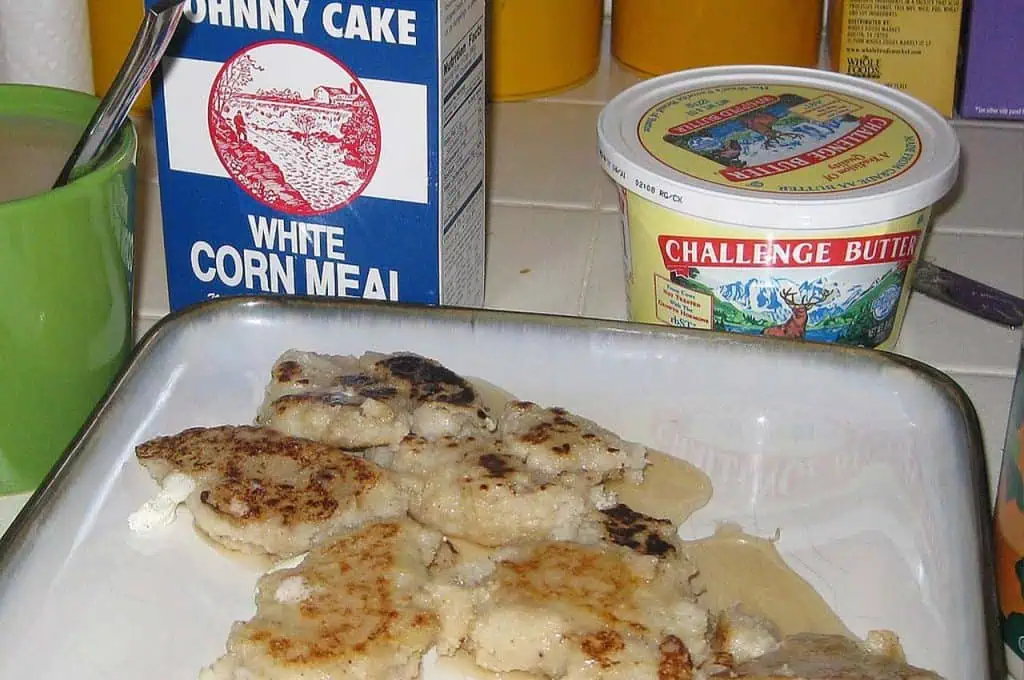
Johnnycake, a staple during the westward expansion, embodies simplicity and resilience. This dense, cornmeal-based bread offers a warm, slightly sweet flavor with a crisp edge when cooked on a cast iron griddle. To prepare, combine stone-ground cornmeal with a pinch of salt and sugar. Slowly incorporate boiling water to form a thick batter. Let it rest, allowing the grains to hydrate for better texture. Cook over medium heat until golden brown on each side. Serve with a pat of butter or a drizzle of honey to highlight its rustic charm.
Dried Bison Jerky: Fuel for Cowboys
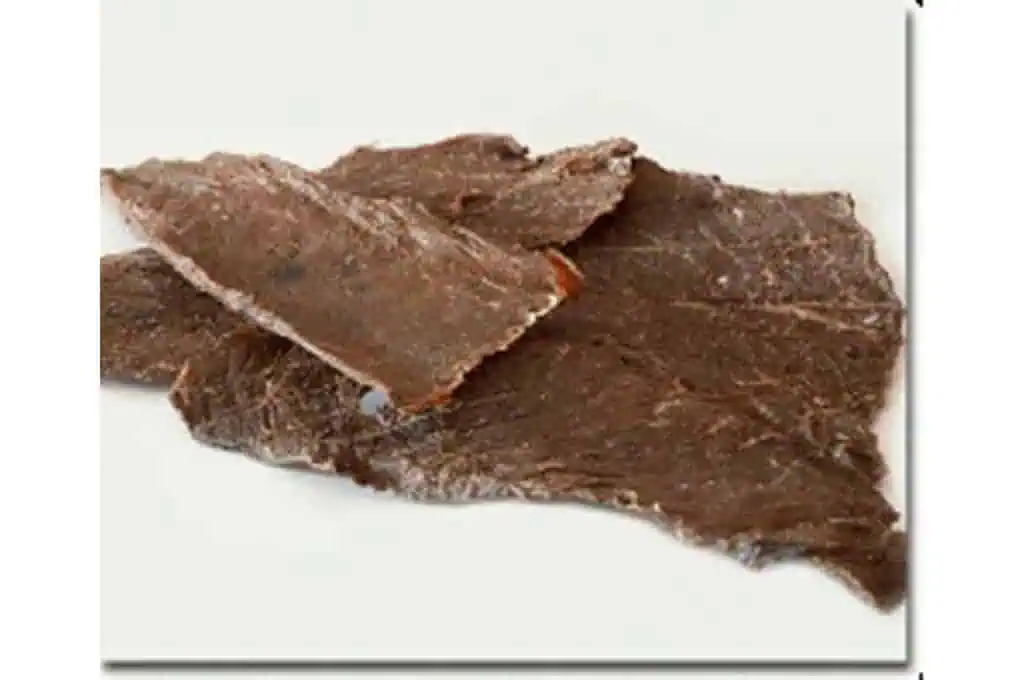
Dried bison jerky was a vital protein source for cowboys on long trails. Its robust flavors come from the rich, lean meat of bison, which, when air-dried, concentrates both taste and texture. To make it, slice bison meat thinly and marinate in a blend of salt, pepper, garlic, and a hint of smoked paprika for depth. Dehydrate slowly at a low temperature until the strips become leathery yet pliable. This slow process preserves the meat’s natural flavors, offering a savory, chewy treat perfect for on-the-go nourishment.
Get the recipe: Bison Jerky
Chuckwagon Stew: Whatever’s in the Pot

Chuckwagon stew was a versatile dish reflecting the practical ingenuity of trail cooks. With whatever ingredients were available, it was a hearty, flavorful concoction. Start with beef or venison, browning the meat to release its flavors. Add onions, garlic, and any available root vegetables for sweetness and texture. Simmer with broth and season with herbs like thyme and bay leaves. The slow cooking melds flavors, creating a robust stew. Adjust with salt and pepper at the end, ensuring each spoonful is comforting and rich.
Get the recipe: Chuck Wagon Stew
