
Eat This, Not That: IBS Edition
Managing IBS through diet can be transformative. This guide offers practical insights into choosing foods that support digestion while avoiding those that aggravate symptoms. Focusing on both what to include and exclude from your meals can significantly enhance comfort and well-being. Each section is designed to provide clear, actionable advice for reducing IBS symptoms with culinary confidence.
Foods to Avoid for IBS Relief

Certain foods are notorious for triggering IBS symptoms. High-FODMAP foods, such as onions, garlic, and certain fruits, can exacerbate issues. It’s vital to identify and limit consumption of these ingredients. Highly processed foods, often containing additives, should be minimized. Instead, focus on fresh, naturally prepared meals to better regulate your digestive responses and find relief.
Fiber: Friend or Foe?

Fiber is essential for digestion but can be a double-edged sword for those with IBS. Soluble fiber, found in foods like oats and chia seeds, generally aids in gentle digestion and can alleviate symptoms. However, insoluble fiber, present in whole grains and raw vegetables, might trigger discomfort. Balance is key; gradually incorporate fiber, monitoring your body’s reactions for optimal results.
Greasy Foods: A Slippery Slope

Greasy and fatty foods are often best avoided by those with IBS as they can slow digestion and prompt symptoms like cramping and diarrhea. Incorporate cooking methods that minimize added fats, such as steaming, grilling, or poaching. Choose lean proteins and plant-based fats like avocado and olive oil sparingly. This mindful approach helps maintain a digestive balance, contributing to overall comfort.
Dairy Dilemmas and Alternatives

For those with IBS, dairy often poses challenges due to lactose, which can be difficult to digest. Opt for lactose-free milk or plant-based alternatives like almond, oat, or coconut milk to reduce symptoms. When using cheese, choose aged varieties like cheddar or Parmesan, which contain minimal lactose. Yogurt with live probiotics can aid digestion, but check for added sugars. Remember, each person’s tolerance varies, so introduce alternatives slowly to discover what best suits your digestion.
Spicy Foods: Handle with Care
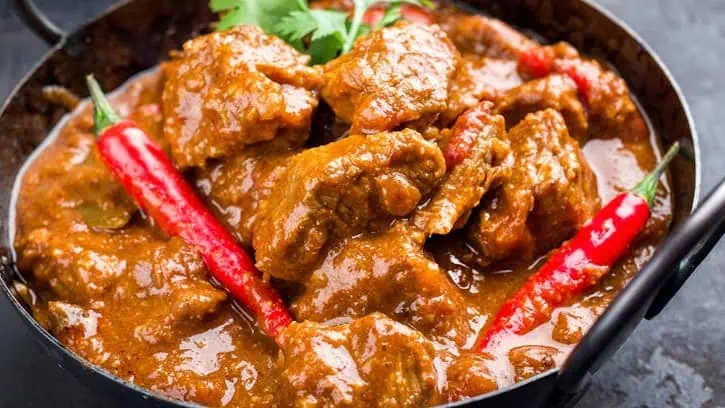
Spices add depth, but for IBS sufferers, certain types can trigger discomfort. Focus on mild spices like ginger, turmeric, and cumin, which provide flavor without excess heat. Avoid chili powder, cayenne, and hot sauces that can irritate the gut. Building flavors with herbs such as basil, oregano, and parsley can create a vibrant taste profile without the pitfalls of spiciness. Experiment with small amounts to see what your body tolerates, and always opt for fresh over processed spice mixes.
Gluten: To Eat or Not to Eat

Gluten sensitivity is common in IBS, though not universal. If you suspect gluten is a problem, try gluten-free grains like quinoa, rice, or buckwheat, avoiding wheat, barley, and rye. Use gluten-free flours in baking, such as almond or rice flour. Incorporate naturally gluten-free foods like fresh fruits, vegetables, and legumes into meals. Look for hidden gluten in processed foods by checking labels carefully. A food diary helps pinpoint which grains you can tolerate.
Caffeine: Energize Wisely

Caffeine can stimulate the gastrointestinal tract, exacerbating IBS symptoms. Limit coffee and switch to herbal teas like peppermint or chamomile, known to soothe the stomach. If you can’t avoid caffeine entirely, try cold brew coffee, which is lower in acid, or opt for green tea with its gentler effect. Monitor the effects closely and assess the balance between alertness and digestive comfort, adjusting your intake based on personal thresholds.
Sweeteners: The Hidden Culprits

Artificial and high-fructose sweeteners often aggravate IBS symptoms. Steer clear of sorbitol, mannitol, and other sugar alcohols commonly found in diet foods and candies, which can cause bloating. Natural options like small amounts of honey or pure maple syrup are gentler alternatives. Read labels for hidden sweeteners in packaged foods and understand how different sugars affect your digestion. Experimenting with naturally sweet ingredients like cinnamon or vanilla can also enhance flavors without the downsides.
Alcohol: Sip with Caution

When managing IBS, alcohol consumption requires careful consideration. Choose clear spirits like vodka or gin, which tend to be lower in congeners, potentially reducing the risk of flare-ups. Avoid sugary mixers that can exacerbate symptoms, opting instead for a splash of soda water and a fresh lime wedge. Reducing the overall intake is key, as even moderate drinking may lead to discomfort. Monitor your body’s response and prioritize hydration to minimize alcohol’s dehydrating effects. Preparation and moderation are essential to enjoying alcohol safely with IBS.
Best Foods for IBS Management

Selecting foods that are gentle on the digestive system is crucial for IBS management. Opt for soluble fibers like oats, which can help regulate bowel movements without causing irritation. Incorporate easily digestible grains such as rice and quinoa, which provide energy while being gentle on the stomach. Root vegetables like carrots and parsnips, when cooked, offer both nutrition and comfort. Consuming meals in smaller portions can further aid in reducing symptoms. Balance meals thoughtfully to provide nourishment without overwhelming the digestive tract.
Probiotics for Gut Health

Probiotics play an essential role in maintaining gut health for those with IBS. Incorporate fermented foods like yogurt or kefir, which are rich in beneficial bacteria, aiding in gut flora balance. Choose products with labeled live cultures for optimal benefit. Consider supplements as an alternative, but consult a healthcare professional to select strains specifically helpful for IBS. Consistent intake can lead to improvements in digestion and symptom management. Integrate these into your diet gradually to allow your digestive system to adjust comfortably.
Low-FODMAP Fruits and Veggies

Choosing low-FODMAP fruits and vegetables can significantly alleviate IBS symptoms. Reach for berries such as strawberries and blueberries, offering sweetness without the high levels of fermentable sugars. Incorporate vegetables like spinach and zucchini, which provide essential nutrients while being gentle on digestion. Cooking these foods often helps minimize their impact on the gut further. Regularly consuming a variety of low-FODMAP options can enhance meals without triggering discomfort. Focus on balance and variety to maintain both nutritional intake and digestive ease.
Lean Proteins for Gentle Digestion

Lean proteins are an excellent choice in an IBS-friendly diet, offering sustenance without strain. Choose skinless poultry like chicken or turkey, which are versatile and easy to prepare. Fish such as salmon or trout provide healthy fats alongside protein, promoting anti-inflammatory benefits. Cooking methods matter; grilling, baking, or poaching can maintain moisture and flavor without adding problematic fats. Pair proteins with low-FODMAP sides for a balanced meal. Regular, mindful integration of lean proteins can help maintain digestive comfort while ensuring nutritional needs are met.
Herbal Teas for IBS Comfort

Herbal teas can provide soothing relief for IBS symptoms, thanks to their calming and anti-inflammatory properties. Start with peppermint tea, known for its ability to relax the digestive system and reduce bloating and cramps. Chamomile is another excellent choice, helping to ease stress and digestive discomfort. For a less common but equally effective option, try fennel tea, which can alleviate gas and abdominal pain. Steep these teas for at least 5 minutes to extract their beneficial oils, and enjoy them warm to support digestion further. Always select high-quality, organic herbs to ensure purity and potency.
