
7 Ways Our Food Choices Are Shaped by Climate, Not Just Cravings
Food choices are often thought to be guided solely by cravings, yet climate profoundly influences what ends up on our plates. This guide explores how environmental factors dictate availability, flavors, and cooking methods across the globe. Recognizing these influences enriches our culinary practices and deepens our connection to the food we consume. By understanding the relationship between climate and cuisine, home cooks can make more informed and inspired choices, appreciating how nature shapes our dining experiences.
Seasonal Eating: Nature’s Menu
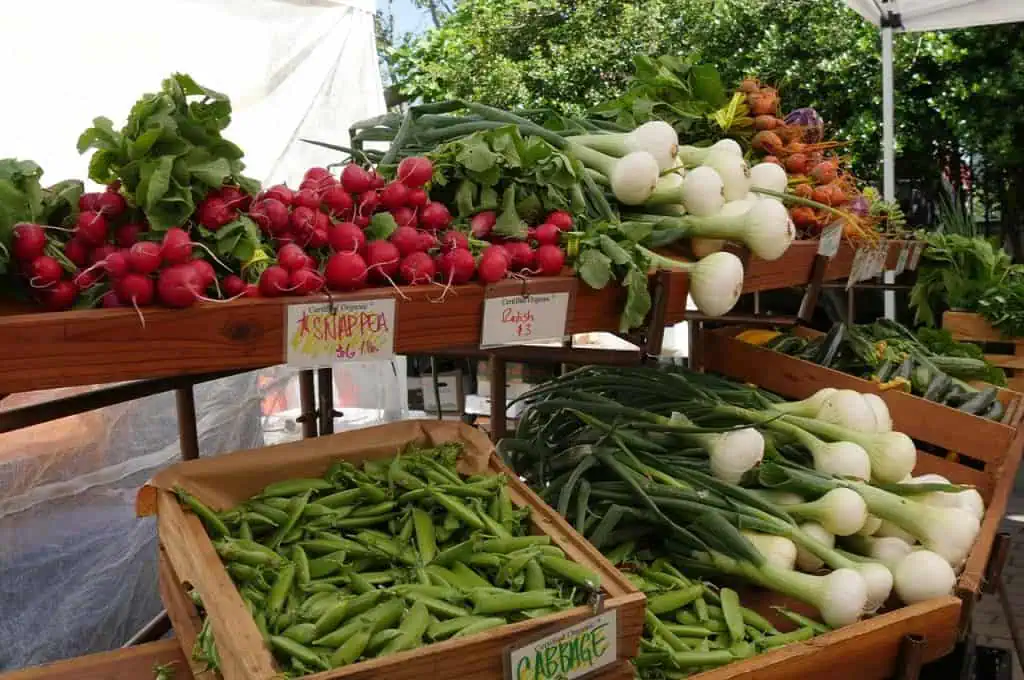
Embracing seasonal ingredients not only enhances flavor but also aligns with nature’s cycles. Spring brings vibrant greens, while summer offers tomatoes at their peak sweetness. Root vegetables and squash shine in autumn and winter. Cooking seasonally means accessing produce when it’s freshest, often leading to superior taste. It encourages diversity in your diet, as the rotation of ingredients prompts new culinary experiments. This mindful approach supports local agriculture and reduces the environmental impact of transportation, making meal choices both delicious and sustainable.
Staple Crops and Regional Climates

Crops like rice, wheat, and corn evolved in specific climates due to their adaptability to local conditions. In arid regions, drought-resistant grains are prevalent, while rice thrives in flood-prone areas. These staple crops form the foundation of local diets, their cultivation tailored to withstand regional weather patterns. Understanding these origins provides insight into why certain foods define national cuisines and guides you in sourcing ingredients that are best suited to your environment, which can enhance your cooking results by utilizing produce that naturally thrives.
Preservation Traditions for Survival

Before refrigeration, preservation techniques were essential for surviving harsh climates. Curing, fermenting, and drying foods allowed communities to stabilize their diets throughout the year. Salting meats, fermenting vegetables, and dehydrating fruits harnessed climate advantages, such as the sun’s heat for drying or a basement’s coolness for cellaring. Exploring these traditional methods offers home cooks ways to extend shelf life and add new dimensions of flavor. Making pickles, curing fish, or fermenting cabbage can enrich your culinary repertoire and connect you to age-old practices.
Fiery Flavors in Hot Climates
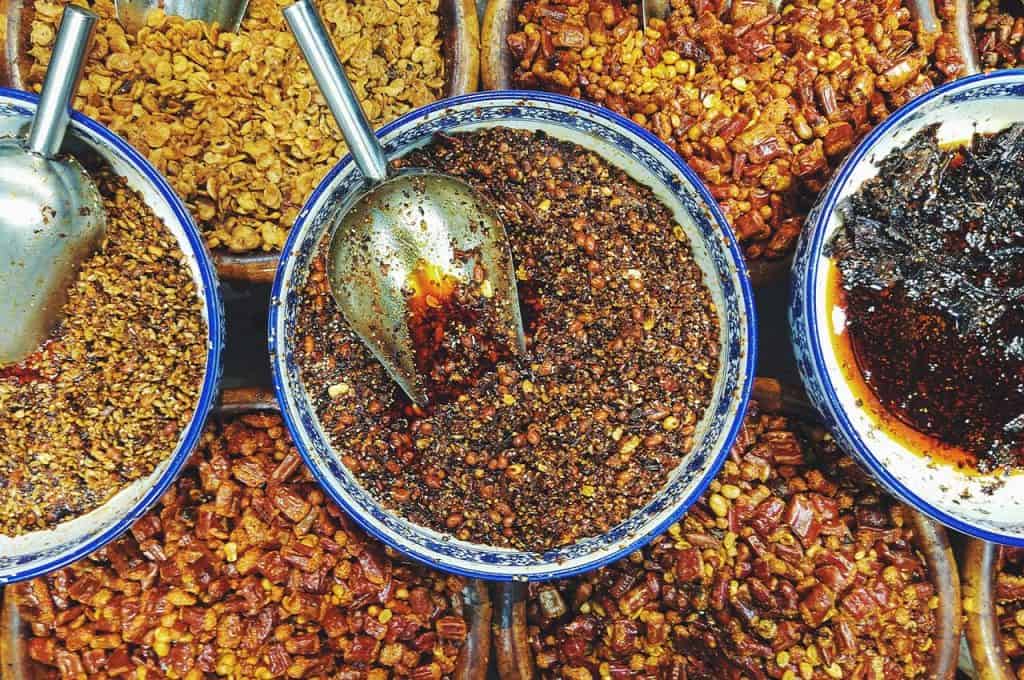
Regions with hot, humid climates often feature spicy cuisines. Peppers, ginger, and garlic do more than flavor dishes—they help preserve them and stimulate perspiration to cool the body. Incorporating these ingredients can brighten flavors and add complexity to meals. Understanding this connection can inspire you to adapt your cooking to incorporate heat and zing, experimenting with chili pastes, spice blends, or fresh peppers. These elements transform simple ingredients, bringing an invigorating warmth that reflects the ingenuity born from necessity in hotter regions.
Protein Sources: Ecosystem Influence

Our choice of proteins is increasingly shaped by environmental factors. Sustainable seafood, like mussels and oysters, thrive in clean waters and offer nutrient-rich options with a lighter carbon footprint compared to land-based meats. Legumes, such as lentils and chickpeas, are drought-resistant crops that enrich soil health, making them a smart choice in areas prone to climate variability. Home cooks can experiment with plant-based proteins or responsibly-raised poultry, focusing on recipes that highlight their natural flavors while respecting the delicate balance of our ecosystems.
Beverages Born of Climate

Climate plays a decisive role in shaping the beverages we consume. Wine regions are shifting as warming temperatures redefine traditional growing areas, influencing grape varieties and flavor profiles. Coffee cultivation is also impacted, with higher altitudes becoming more suitable, affecting the taste and quality. For the conscientious home cook, selecting fair-trade and region-specific products supports both environmental and economic sustainability. Embrace seasonal infusions and local brews that reflect the terroir, bringing authentic flavors to your glass while honoring the climate’s subtle influence.
Adapting Diets to a Warming World

As temperatures rise, adaptability in our dietary choices becomes essential. Incorporating more seasonal and locally-sourced produce reduces reliance on long-haul transportation and encourages biodiversity. Root vegetables and hearty greens, which endure a broad range of temperatures, sustain nutrient intake year-round. Exploring global cuisines that inherently manage with warmer climates, such as Mediterranean or Southeast Asian, provides fresh inspiration. For home cooks, using these adaptations fosters resilience in meal planning, embracing diverse ingredients that thrive despite climatic challenges.
