
7 kitchen habits from the 60s that would be illegal in restaurants today
The culinary practices of the 1960s were vastly different from today’s standards, influenced by emerging trends and a general lack of modern food safety awareness. Some habits from that era, while common in home kitchens, would be unacceptable in today’s professional culinary environments. Understanding these past practices offers insights into how far food safety has evolved and highlights why certain basic precautions are now indispensable in maintaining health and safety in food preparation.
Raw Meat and Produce on Same Counter?
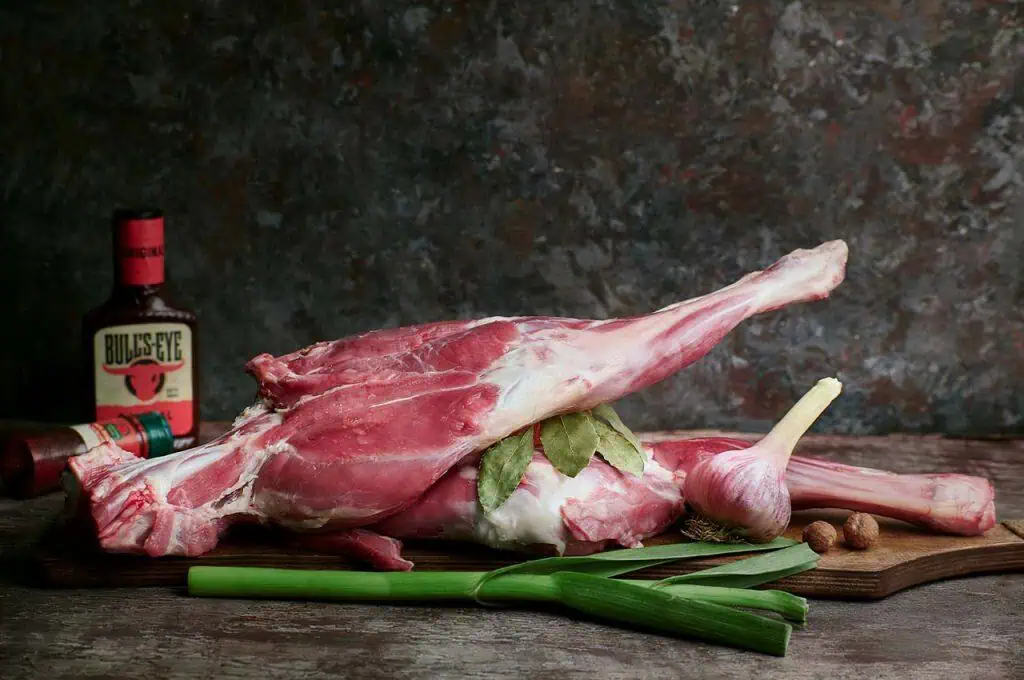
In the kitchens of the 60s, it wasn’t uncommon to see raw meat and produce sharing the same prep surfaces. Today, this practice is a food safety hazard due to the risk of cross-contamination. Modern culinary training emphasizes strict separation between raw meats and other ingredients. Always use separate cutting boards and sanitize them thoroughly after each use. This approach prevents the transfer of harmful bacteria from raw meats to ready-to-eat foods, ensuring your meals are as safe as they are delicious.
Leaving Food Out All Day Long

Decades ago, many households left food out for hours during meals, assuming it was harmless. However, today we know that perishable foods can quickly become breeding grounds for bacteria when left unrefrigerated. Current food safety guidelines recommend keeping food out of the ‘danger zone’, 40°F to 140°F, to minimize bacterial growth. Always refrigerate leftovers within two hours and reheat them to safe temperatures before serving. Adopting these habits reduces the risk of foodborne illnesses and ensures freshness.
Chefs Smoking in the Kitchen

In the 1960s, it was not unusual for chefs to smoke cigarettes in the kitchen. This practice is now considered unsanitary and unacceptable in professional settings. Smoking in food preparation areas introduces contaminants like ash and affects the integrity of the food’s flavor profile. Modern kitchens adhere to strict hygiene standards, prohibiting smoking in or near kitchen areas. This ensures that the environment remains clean, focusing solely on the purity and quality of the dishes prepared.
One Cutting Board for Everything?

Using a single cutting board for all types of food preparation was a common practice in the past, but it disregards the need for hygiene and safety. Today, standard kitchen practices mandate using separate cutting boards for different food types, one for raw meats, another for produce, and one more for bread. This prevents cross-contamination and maintains the integrity of flavors. Investing in color-coded cutting boards can streamline this process, making it easier to maintain safe and clean kitchen habits.
Home Canning Without Safety Standards

In the 1960s, many home cooks embraced canning, but without today’s strict safety standards, it posed significant risks. Botulism was a serious threat due to insufficient heat processing. Unlike current practices that use detailed manuals and pressure canners with precise controls, these bygone methods often relied on guesswork. To replicate safely, always use up-to-date canning guides, sterilize jars thoroughly, and ensure a vacuum seal. This mitigates any risk of foodborne illness, ensuring a safe and prolonged shelf life for your preserved goods.
Serving Undercooked Eggs and Meats

Undercooking eggs and meat was commonplace and reflective of a time of less awareness about foodborne pathogens like salmonella and E. coli. Today, maintaining the recommended internal temperatures for meats is crucial, 160°F for ground meats, 145°F for whole cuts, and 165°F for poultry. Eggs should reach 160°F to ensure food safety. A reliable meat thermometer is an essential kitchen tool, providing accuracy that prevents undercooking. Properly cooking meats and eggs not only reduces health risks but also enhances texture and flavor, making dishes both safe and delicious.
Cleaning with Strong Chemicals

In the 60s, harsh chemicals such as lye and ammonia were common in kitchens, often used without proper ventilation or awareness of their dangers. Nowadays, the focus is on safer cleaning practices using milder agents and eco-friendly alternatives. When cleaning, always follow the manufacturer’s guidelines, use protective gear as needed, and ensure good ventilation. Opting for natural options like vinegar or baking soda reduces chemical residues and promotes a healthier kitchen environment, minimizing harmful exposure while maintaining sanitation effectively.
