
10 Foods You Should Never Freeze, Reheat, or Store Long-Term
Understanding how to store ingredients properly is critical for food safety and quality. Freezing, reheating, and long-term storage can significantly affect the taste and texture of many foods, sometimes rendering them unpalatable or even unsafe. This guide sheds light on ten common foods that don’t fare well under these conditions, helping you preserve their integrity and flavor.
Why Freezing Lettuce is a Bad Idea

Freezing lettuce can lead to a watery, limp mess. The high water content in lettuce cells expands when frozen, breaking the cell walls. This results in a mushy texture upon thawing, making lettuce unsatisfactory for salads or fresh dishes. Instead, store lettuce in the refrigerator’s crisper drawer for optimal texture and shelf life.
Don’t Reheat Eggs: Safety Concerns
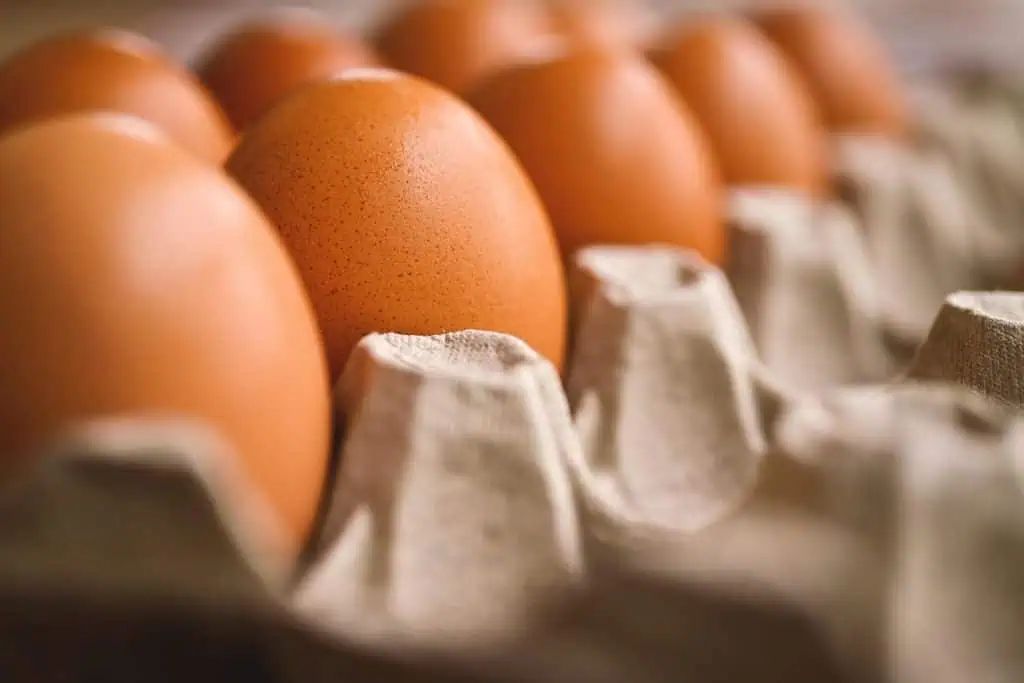
Reheating eggs can lead to rubbery textures and raise health concerns. Proteins in eggs, when subjected to repeat heating, can toughen and become unpleasant. More importantly, improperly reheated eggs pose risks of foodborne illnesses, particularly if they weren’t stored correctly. Opt for fresh preparation for the best taste and safety.
The Cream Cheese Conundrum

Freezing cream cheese alters its smooth, spreadable consistency, causing it to turn crumbly and dry. This textural change makes it unsuitable for spreads or toppings after freezing. For best results, store cream cheese in the fridge and consume by the expiry date. If necessary, use thawed cream cheese in cooked dishes where texture isn’t as crucial.
Sour Cream’s Freezing Dilemma

Freezing sour cream detrimentally impacts its texture, leading to a grainy, separated product once thawed. This affects both its functionality as a condiment and its performance in recipes requiring smooth creaminess. To preserve quality, keep sour cream refrigerated and use within its recommended shelf life for peak performance.
Yogurt’s Texture Trouble

Freezing yogurt can disrupt its creamy structure, turning a smooth delight into a grainy, watery disappointment. The ice crystals formed during freezing break down the delicate balance of milk solids and liquids. If you’re planning to store yogurt for an extended period, it’s best to keep it in the fridge rather than the freezer, maintaining the intended texture. Consider stirring in fresh fruits or nuts just before consumption to enhance flavor without risking textural compromise.
Potatoes: Not Freezer Friendly

Potatoes are composed of a high water content that, when frozen, leads to a mushy texture upon thawing. Cold temperatures convert the starches into sugar, further altering taste and consistency. Cooked or raw, potatoes are best kept out of the freezer. Instead, store them in a cool, dark pantry to preserve their firm texture and earthy flavor. For cooked preparations, eat them fresh or refrigerate for short-term use, and always reheat gently to avoid graininess.
The Risks of Freezing Rice

Rice has the potential to harbor bacteria, particularly after cooking. Freezing can trap moisture within the grains, leading to a mushy texture and increased bacterial risk once thawed. If you need to store cooked rice, refrigerate it in shallow containers to cool quickly, then reheat thoroughly to a minimum temperature of 165°F. This process minimizes texture loss and prevents bacterial growth, ensuring safe and enjoyable leftovers.
Plant-Based Milk and Freezing Issues
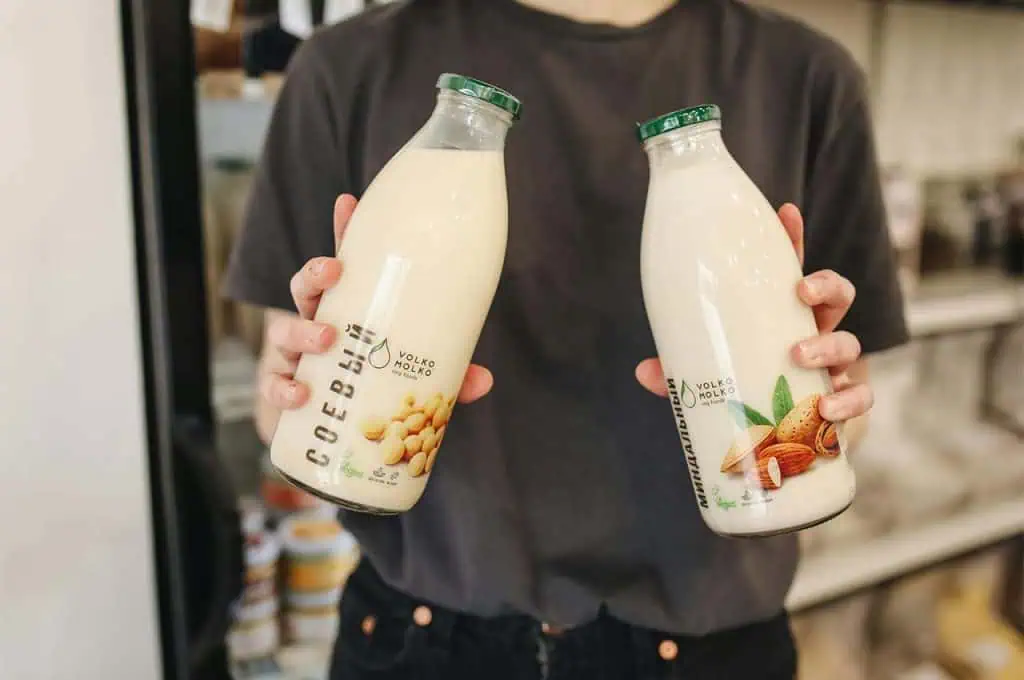
Freezing plant-based milk alters its natural composition, causing separation of its primary components. This separation affects texture and can lead to a gritty mouthfeel, rendering it unsuitable for drinking straight but possibly usable for cooking. To store plant-based milk, keep it refrigerated and consume it before the expiration date. If texture changes are noticeable, use it in smoothies or baked goods where minor splitting won’t be apparent.
Fried Foods Lose Their Crunch

Fried foods rely on a crispy exterior for appeal, a quality that vanishes when frozen. Ice crystals can penetrate and soften, leading to a soggy result upon reheating. To extend the shelf life of fried items without freezing, store them in an airtight container lined with a paper towel in the fridge for a short period. Reheat using a convection method like baking or air frying to restore some crispiness without compromising flavor.
Processed Meats and Quality Concerns

Processed meats, such as sausages or deli cuts, often suffer in texture and flavor when subjected to freezing or prolonged storage. The presence of preservatives and high fat content can cause quality degradation over time, resulting in unappetizing flavors and a grainy mouthfeel upon reheating. To maintain their optimal taste, it’s best to consume these meats fresh. When purchasing, opt for smaller quantities to avoid the need for freezing. If storage is necessary, airtight packaging can slightly extend their shelf life, but overall, a fresh approach ensures the best culinary experience.
