
7 Super Bowl Food Traditions That Sound Fake but Are Completely Real
Super Bowl Sunday has quietly become one of the most food-driven days of the year in the United States, rivaling major holidays in how seriously people plan, shop, and eat. While football is the reason for gathering, food shapes the experience just as much. Tables are built for hours of grazing, snacks replace formal meals, and indulgence is treated as tradition rather than excess. Many of these habits sound exaggerated online, but they’re rooted in real behavior repeated every year. Behind the memes and jokes are rituals, numbers, and food customs that fans genuinely take seriously.
Americans Eat Ridiculously Many Chicken Wings

It sounds exaggerated until you see the numbers. Americans are expected to eat roughly 1.48 billion chicken wings on Super Bowl Sunday alone, a projection cited by the poultry industry almost every year. That’s more wings consumed in a single day than many countries eat over months. The Super Bowl has become one of the largest food-consumption events in the U.S., not just a sports broadcast. Wings dominate because they’re easy to share, indulgent, and built for long stretches in front of the TV. For many households, wings aren’t optional they’re the centerpiece of the day.
“Snack Stadiums” Have Gone Viral

What began as a playful internet trend has turned into a real Super Bowl ritual. Snack stadiums, football stadium-shaped spreads made from chips, sliders, dips, and finger foods now appear at watch parties across the country. Some are casual, others carefully engineered as full table centerpieces. These creations regularly rack up millions of views on TikTok and Instagram, turning food presentation into part of the game-day experience. Hosting has become performative, and the snack stadium often carries as much pride as the TV setup or team loyalty.
Dips Are as Important as the Game

For many fans, the Super Bowl isn’t complete without a lineup of dips. Buffalo chicken dip, queso, seven-layer dip, and similar classics consistently rank among the most eaten foods of the day, right alongside wings and pizza. Dips aren’t just appetizers, they’re traditions with staying power. They allow constant grazing, easy sharing, and eating without missing a play. In many homes, the quality and variety of dips quietly determine whether the party feels successful, regardless of what happens on the field.
People Literally Graze All Game Long

Super Bowl food isn’t eaten like a normal meal with a clear start and finish. Instead, it turns into hours-long grazing that lasts from kickoff to the final whistle. Guests circle the snack table repeatedly, grabbing small bites between plays, commercials, and conversations. This grazing culture explains why finger foods dominate and why portions are spread across many items instead of one main dish. Sit-down dinners don’t fit the rhythm of the game. Continuous snacking does, making grazing not structured meals the default way Americans eat on Super Bowl Sunday.
Pizza and Chip Mash-Ups Dominate
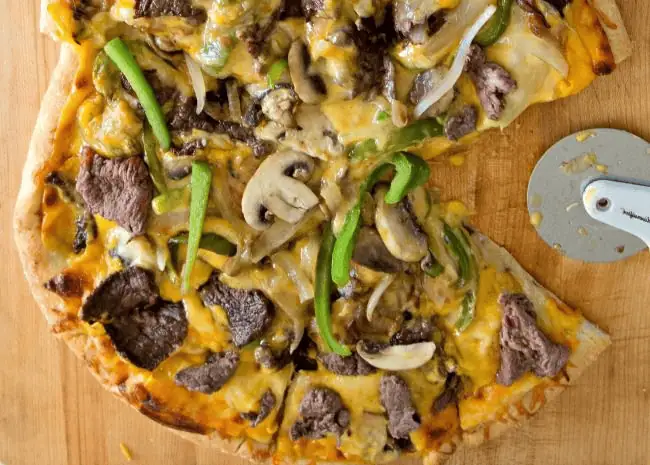
Pizza remains one of the most reliable foods on Super Bowl Sunday, right alongside wings, chips, and salsa. Millions of pizzas are ordered, shared, and eaten during the game, often cut smaller to stretch across groups. Chips rarely stand alone either they’re paired with salsa, queso, guacamole, or layered dips. These mash-ups work because they’re easy to portion, endlessly shareable, and familiar to everyone in the room. The appeal isn’t creativity, it’s predictability. Pizza and chips succeed because they fit grazing habits perfectly and require zero explanation or commitment.
Loaded, Over-the-Top Snacks Are Expected

Simple snacks rarely feel sufficient on Super Bowl Sunday. Crowds expect indulgence, which is why loaded foods dominate the table. Chili cheese nachos, fully dressed fries, sliders stacked with toppings, and baked dips overflowing with cheese are common. These snacks aren’t designed for restraint they’re built for impact. Super Bowl food leans intentionally heavy because the day itself is treated as an exception. Guests expect every bite to feel satisfying and celebratory. On game day, moderation takes a back seat to abundance, and over-the-top snacks become part of the shared ritual.
Food Is the Social Focus, Even More Than the Game

For many Super Bowl gatherings, the food matters just as much as the score sometimes more. Surveys and viewing data show a large portion of attendees aren’t die-hard football fans at all. They’re there for the spread, the commercials, and the shared experience. Snacks become a social anchor, giving people something to gather around, talk about, and return to throughout the night. Even those half-watching the game stay engaged through food, grazing, refilling plates, and bonding over favorites. On Super Bowl Sunday, eating isn’t secondary entertainment it’s the main event that keeps everyone connected from kickoff to the final whistle.
