
9 Kitchen Etiquettes Women Had to Follow in 1950s America That Would Never Fly Today
In 1950s America, the kitchen was far more than a place to prepare food. It functioned as a stage where gender roles, discipline, and social expectations were constantly performed and evaluated. Women were judged not only on how meals tasted, but on timing, appearance, emotional composure, and obedience to rigid domestic rules. Cooking was tied to morality and worth, not just nourishment. Many of these expectations were treated as common sense, reinforced through media, etiquette guides, and everyday social pressure. Seen through a modern lens, they feel restrictive, outdated, and deeply unfair revealing how tightly domestic life once policed women’s behavior.
Dressing “Properly” to Cook
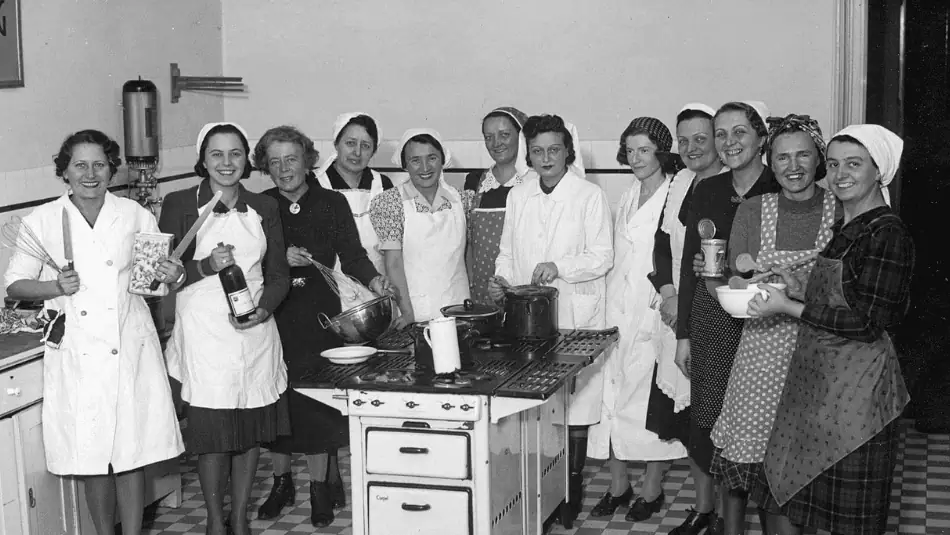
In mid-20th-century households, women were expected to look presentable while cooking, as if the kitchen were a public stage rather than a workspace. Dresses, aprons, styled hair, and sometimes makeup were standard even while handling hot stoves and heavy pots. Comfort and practicality were secondary to appearance. Cooking wasn’t framed as labor but as an extension of femininity and respectability. The expectation reinforced the idea that a woman’s value included how she looked while serving others, turning everyday cooking into a performance of social standards rather than a private, functional task.
Serving Men First, Always

Mealtime followed a rigid hierarchy that placed men at the top. Husbands were served first, children next, and the woman who prepared the meal last. Sitting down before everyone else was considered improper, regardless of how long she’d been cooking. This rule wasn’t just about politeness it reinforced the idea that a woman’s role was service, even within her own home. Her needs were secondary, and participation in the meal came only after everyone else was satisfied. The ritual normalized self-denial as a form of duty rather than something to question.
Never Letting the Kitchen Look “Messy”
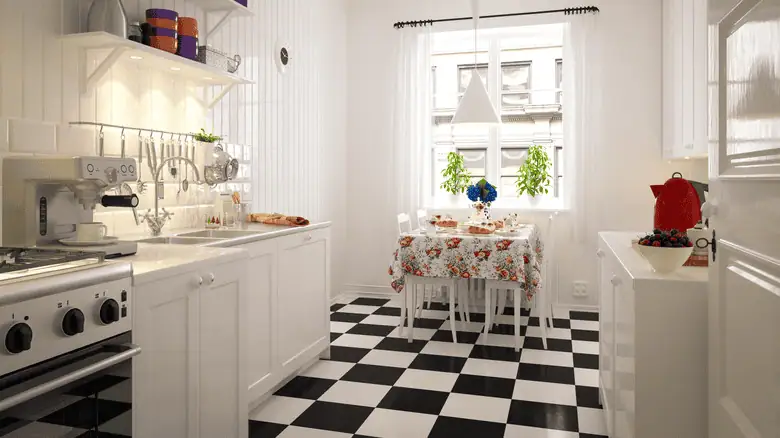
A messy kitchen was treated as more than clutter it was seen as a moral failing. Women were expected to clean as they cooked and restore the kitchen to spotless condition immediately after meals. Any visible disorder suggested laziness, poor discipline, or lack of pride. There was little allowance for fatigue, time pressure, or realism. The standard demanded constant control and composure, regardless of effort involved. This expectation tied cleanliness to character, turning normal signs of work into evidence of personal failure rather than proof that cooking had actually happened.
Timing Meals Perfectly to a Man’s Schedule
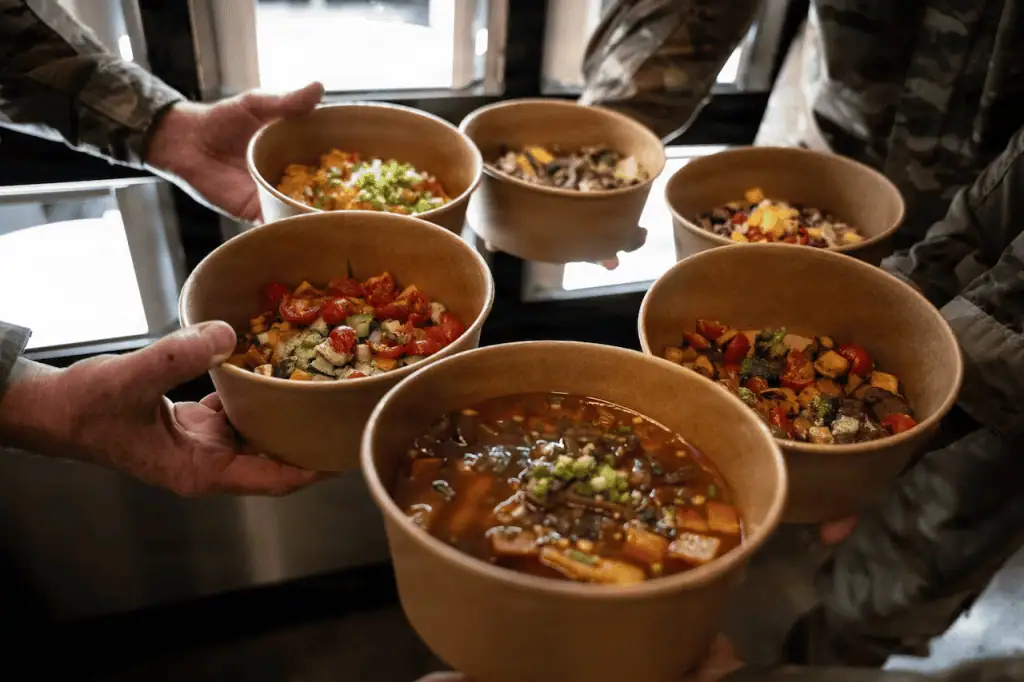
Meals were expected to orbit a husband’s workday with near-military precision. Dinner needed to be ready the moment he walked through the door, regardless of traffic, delays, or everything the woman had already done that day. Being late wasn’t framed as bad timing it was seen as disorganization or a lack of respect. The kitchen operated on someone else’s clock, not the cook’s capacity. This expectation reinforced the idea that men’s schedules were fixed and important, while women’s time was elastic and endlessly adjustable, even when cooking required hours of planning and preparation.
Hiding Effort and Frustration
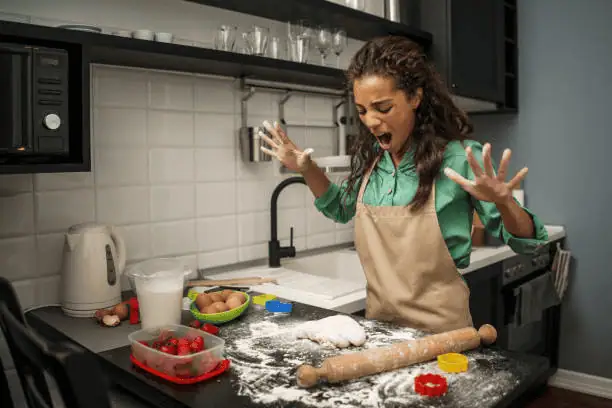
Cooking was supposed to look easy. Women were expected to move through the kitchen calmly, smiling, and without visible strain. Expressing exhaustion, stress, or frustration was discouraged, as it disrupted the image of the content homemaker. Meals were meant to appear as if they came together naturally, not through labor. This hid the physical and emotional work involved in daily cooking. Emotional labor became part of the job: managing moods, suppressing complaints, and presenting gratitude instead of fatigue. The effort wasn’t just unpaid it was supposed to be invisible, as if difficulty itself reflected personal failure.
Avoiding “Strong” or Spicy Flavors

Cooking creativity was often constrained by assumed male preferences. Meals were expected to be mild, familiar, and predictable, with strong spices or bold flavors viewed as risky or inappropriate. Women were discouraged from experimenting in ways that might challenge taste expectations. If a dish was disliked, the blame fell on the cook for being adventurous rather than safe. Predictability was praised as competence, while experimentation was treated as selfish or careless. This limited not just flavor but expression, reinforcing the idea that a woman’s role in the kitchen was to please reliably, not explore or innovate.
Taking Full Blame for Any Meal Failure

If a meal went wrong burnt, bland, late, or poorly received, the blame landed squarely on the woman. There was no concept of shared responsibility. Cookbooks, magazines, and etiquette guides framed mistakes as reflections of character or competence, not normal accidents or learning moments. A failed dish wasn’t just food it was evidence of personal failure. This pressure discouraged experimentation and reinforced perfectionism. Instead of treating cooking as a skill developed over time, women were expected to perform flawlessly, absorbing criticism quietly and internalizing mistakes rather than questioning unrealistic standards.
Treating Cooking as a Duty, Not a Choice

Cooking wasn’t presented as a hobby, talent, or personal interest. It was an obligation tied directly to womanhood. Whether a woman enjoyed it or not was irrelevant. Providing meals was framed as a moral responsibility, and opting out ordering food, skipping meals, or sharing the task was often judged as neglectful or improper. Enjoyment was a bonus, not an expectation. This mindset stripped cooking of agency. It wasn’t something chosen; it was something owed. The pressure came not from preference, but from social rules that defined care as compliance rather than consent.
Never Expecting Help in the Kitchen

Kitchen labor was assumed to belong entirely to women. Men helping with cooking, cleaning, or dishes was treated as unusual, embarrassing, or even threatening to masculinity. Women were expected to manage everything alone, from planning and prep to cleanup. Asking for help implied failure rather than fairness. The workload itself was invisible, normalized as natural rather than demanding. This expectation reinforced isolation and exhaustion, turning daily meals into a solo responsibility with no relief. The idea of shared domestic labor wasn’t just rare, it was culturally discouraged.
