
7 Restaurants Preserving Native American Food Traditions Most Americans Overlook
Native American cuisine is rich with ingredients and techniques often overlooked in mainstream dining. From heirloom seeds to traditional cooking methods, these flavors offer a unique perspective on history and culture. Despite its deep roots, few restaurants focus on preserving these culinary traditions. This exploration highlights seven establishments dedicated to honoring these flavors, giving diners a taste of authenticity while keeping cultural heritage alive.
Owamni by the Sioux Chef (Minneapolis, MN)

Owamni isn’t just a restaurant, it’s a reimagining of Indigenous food systems. Led by Chef Sean Sherman, the menu removes ingredients introduced through colonization, focusing instead on pre-contact foods like bison, walleye, corn, beans, squash, and wild rice. Every dish highlights technique, restraint, and deep cultural intention rather than nostalgia or novelty. The result feels both ancient and modern, showing how Native cuisine can exist as fine dining without borrowing European frameworks. For many diners, Owamni is their first real introduction to Indigenous foodways—and it leaves a lasting impression.
The Fry Bread House (Phoenix, AZ)

The Fry Bread House is rooted in history, resilience, and everyday Native cooking. Run by a Tohono O’odham family, the restaurant centers fry bread, born from government-issued rations, served both sweet and savory. Topped with beans, beef, green chiles, or honey, the dishes feel comforting and deeply personal rather than polished. While fry bread itself is complex and sometimes controversial, the restaurant doesn’t shy away from that history. Instead, it offers an honest look at how Indigenous communities adapted, survived, and built food traditions that still bring people together today.
Cafe Ohlone (Berkeley, CA)
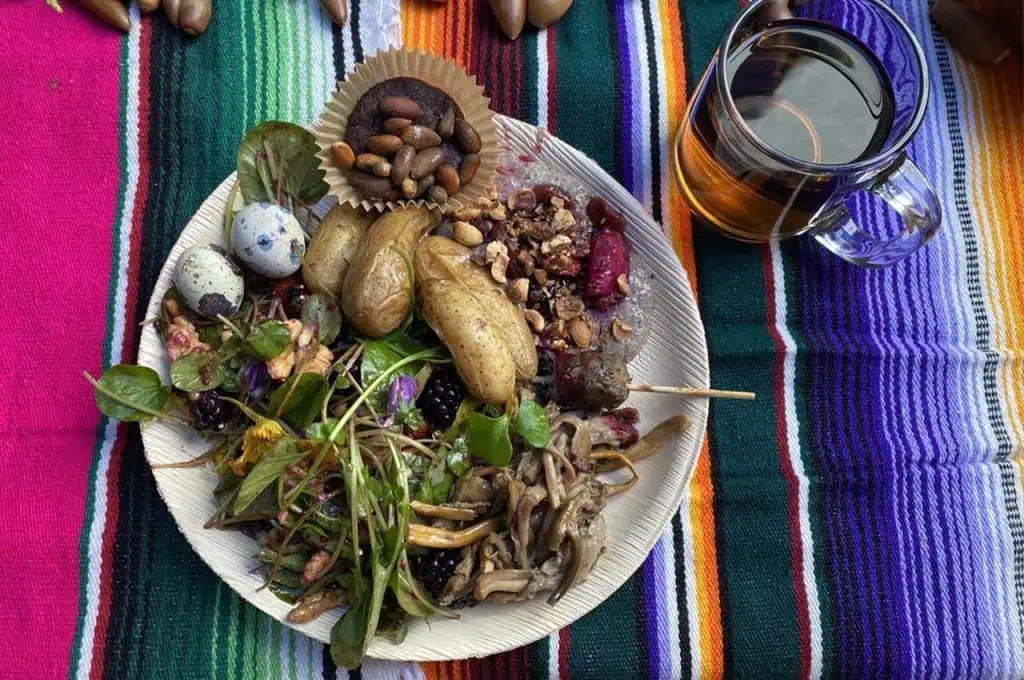
Cafe Ohlone is an intimate, seasonal dining experience focused on reviving the nearly erased food traditions of the Ohlone people. The menu changes with the land, featuring ingredients like acorns, native herbs, seeds, and game, prepared using ancestral methods and shared through storytelling. Dining here feels ceremonial rather than transactional, emphasizing connection to place, language, and history. There’s no attempt to modernize or simplify the experience for mass appeal. Instead, Cafe Ohlone invites guests to slow down and understand Indigenous cuisine as living culture, not a trend or fusion concept.
Javelina (Portland, OR)

Javelina blends Indigenous ingredients with contemporary comfort food, creating an approachable entry point into Native cuisine. The menu often features bison, blue corn, squash, and regional flavors presented in formats familiar to modern diners, like bowls and sandwiches. While more casual than some Indigenous-focused restaurants, Javelina still prioritizes sourcing, cultural respect, and Native ownership. It proves that preserving food traditions doesn’t always require fine dining or formal settings. For many guests, Javelina offers a rare chance to support Indigenous foodways in an everyday, neighborhood-style restaurant.
Indian Pueblo Kitchen (Albuquerque, NM)

Indian Pueblo Kitchen offers a direct window into Pueblo food traditions, guided by the agricultural rhythms of the Southwest. Located at the Indian Pueblo Cultural Center, the restaurant highlights ingredients like blue corn, red chile, squash, beans, and bison, prepared in ways that respect centuries-old techniques. Dishes feel grounded and purposeful rather than experimental, emphasizing nourishment and cultural continuity. Beyond the food itself, the kitchen serves as an educational space, showing how Pueblo communities preserved their culinary knowledge through colonization, displacement, and modernization without losing their connection to the land.
Bison Coffeehouse (Portland, OR)

Bison Coffeehouse is a Native-owned gathering space as much as it is a café. Alongside thoughtfully sourced coffee, the menu features Indigenous-made foods, snacks, and pastries that spotlight Native producers rather than mass-market brands. The space centers community, storytelling, and visibility, offering a rare everyday setting where Indigenous food culture is normalized instead of treated as novelty. While the menu is intentionally simple, its impact is cultural and economic, supporting Native food systems, artists, and entrepreneurs in a city where Indigenous representation is often overlooked.
Mitsitam Native Foods Cafe (Washington, DC)

Mitsitam Native Foods Cafe, located inside the National Museum of the American Indian, presents one of the most geographically diverse Indigenous menus in the country. The rotating stations represent different Native regions across the Americas, from the Plains to the Northwest Coast and Mesoamerica. Ingredients like bison, corn, wild rice, and chilies anchor the menu, with recipes drawn from living traditions rather than reinterpretations. For many visitors, Mitsitam is a first exposure to Indigenous cuisine at scale, quietly correcting the idea that Native food belongs only to the past.
