
Experts Wish More Seniors Knew About These 7 Processed Foods and What They Do to the Body
Aging brings plenty of changes, and the way we eat is one of the most important. The body becomes less forgiving of excess salt, sugar, and unhealthy fats, while the need for nutrient-dense foods grows. Processed foods promise convenience, but that convenience often comes at a cost. For seniors, the price can show up as higher blood pressure, unstable blood sugar, and a heart working harder than it should.
The foods on this list are not rare indulgences. They are everyday items that fill supermarket shelves and kitchen cabinets. Frozen dinners, canned soups, sugary cereals, and potato chips all seem harmless enough until you read the labels. Understanding what makes them problematic is the first step toward making better choices. Fresh, whole foods do not have to be complicated or expensive. With a little awareness and some simple swaps, seniors can protect their health while still enjoying meals that taste good. Let’s explore the processed foods experts recommend leaving on the shelf.
The Pitfalls of Frozen Dinners
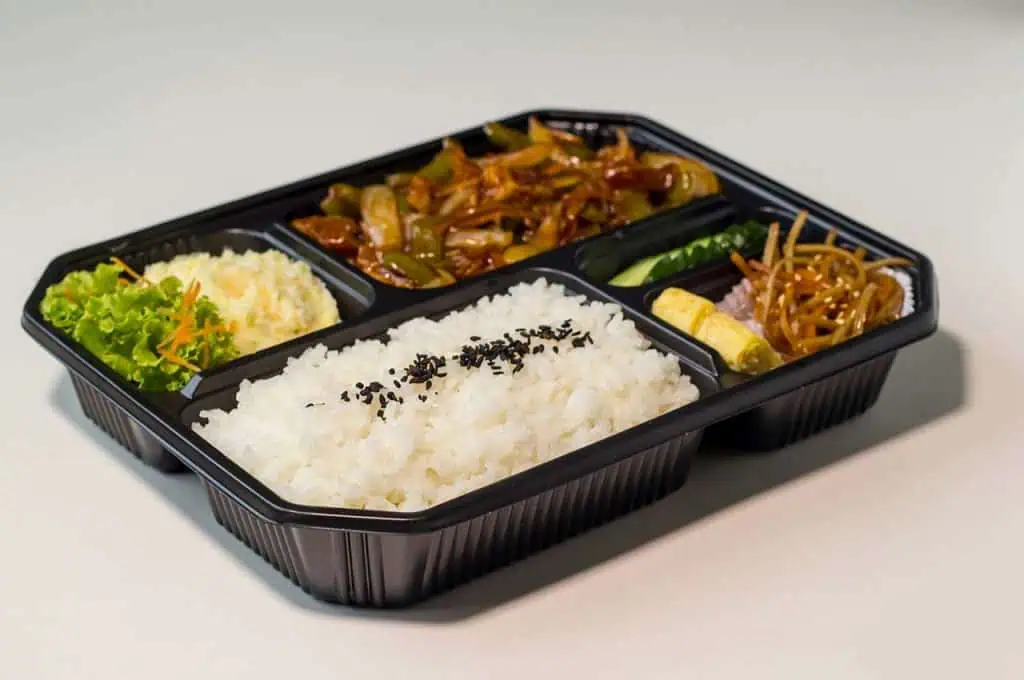
While convenient, many frozen dinners are loaded with sodium, saturated fat, and preservatives. Research from the CDC shows that over 70% of sodium in the American diet comes from processed and packaged foods, with frozen meals being a major source. For seniors, excess sodium raises the risk of hypertension and heart disease. Nutrient density is also low compared to fresh meals, making it harder to meet daily vitamin and mineral needs. Choosing homemade or balanced frozen options is a smarter move.
Why Packaged Baked Goods Are a No-Go

Packaged cookies, cakes, and pastries may taste nostalgic, but they’re often high in added sugars, refined flour, and trans fats. According to the Journal of the American College of Cardiology, diets high in ultra-processed baked goods are linked to higher risks of obesity, diabetes, and cardiovascular disease. For seniors, these spikes in blood sugar and unhealthy fats can worsen age-related health concerns. Freshly baked or whole-grain homemade options are far healthier alternatives.
Hidden Dangers in Canned Soups
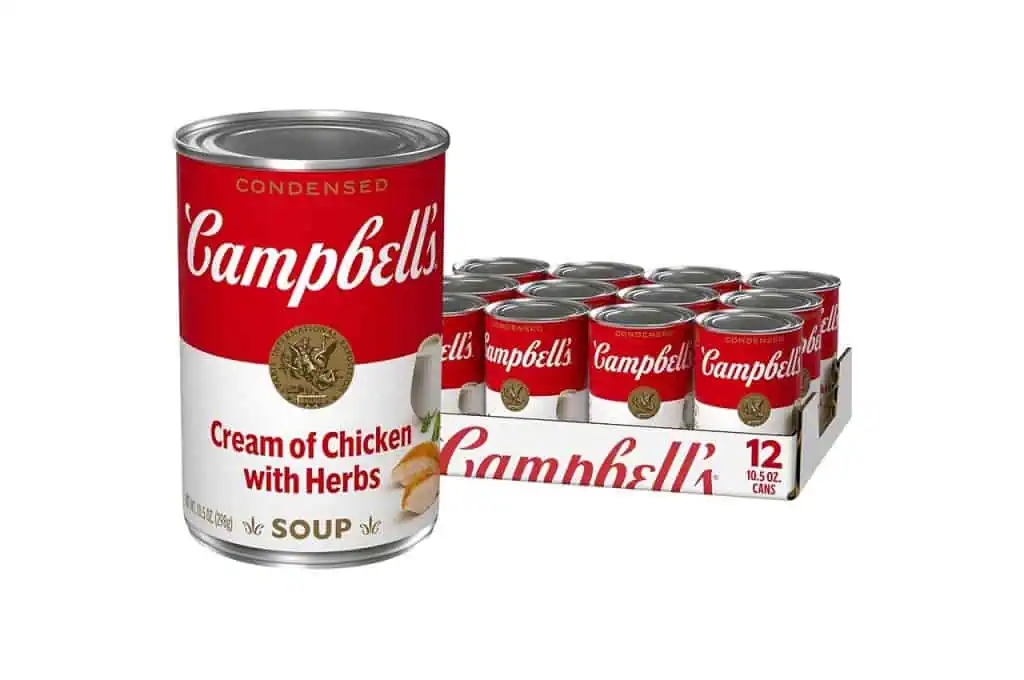
While canned soups seem like a quick, comforting option, they’re often loaded with sodium, sometimes over 800 mg per serving. The American Heart Association warns that high sodium intake raises blood pressure, a major concern for seniors at risk of heart disease and stroke. Many also contain preservatives and low-quality fillers. Choosing low-sodium or homemade soups with fresh vegetables and lean proteins offers the same convenience with far greater nutritional benefits.
Sugary Cereals: A Sweet Trap

Colorful and convenient, sugary cereals can deliver more sugar than a dessert. Many brands contain over 10 grams of added sugar per serving, which the American Diabetes Association links to higher risks of obesity, type 2 diabetes, and heart disease. For seniors, this sugar spike may worsen energy crashes and metabolic health. Instead, opting for high-fiber, low-sugar cereals like plain oats helps stabilize blood sugar while supporting digestive and heart health.
Potato Chips: A Crunchy Concern
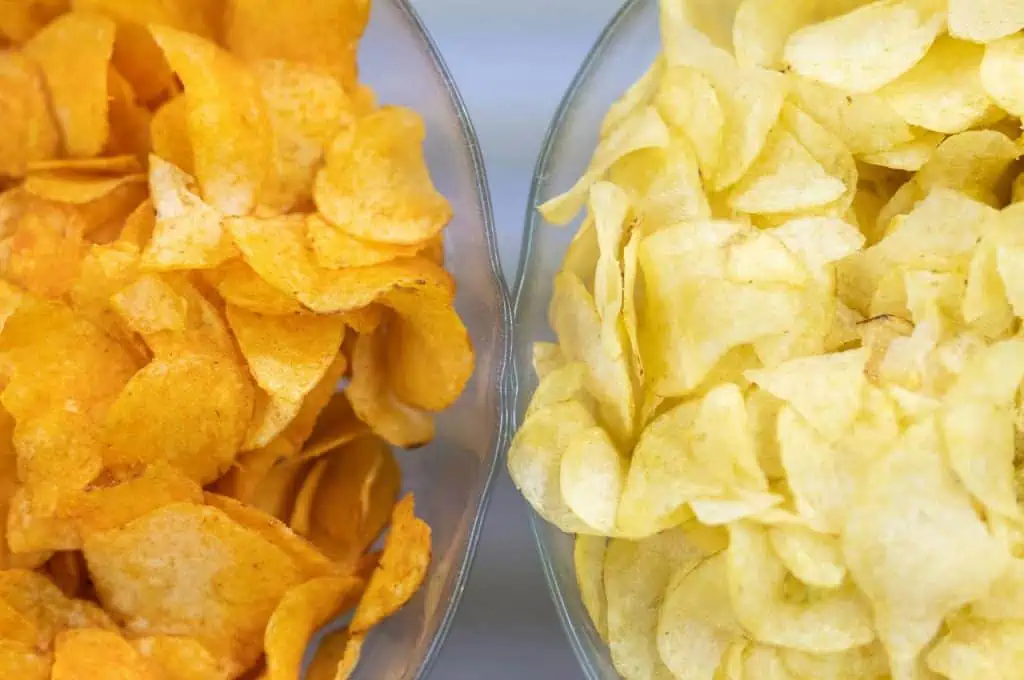
Crispy and addictive, potato chips are one of the worst processed foods for seniors. They’re often fried in refined oils high in trans fats, which the American Heart Association warns can raise LDL (“bad”) cholesterol while lowering HDL (“good”) cholesterol. A single serving can also pack over 150 mg of sodium, contributing to hypertension and stroke risk. Instead, seniors can swap chips for air-popped popcorn or baked veggie crisps for a lighter, heart-healthy crunch.
Snack Foods That Sneak Up on You
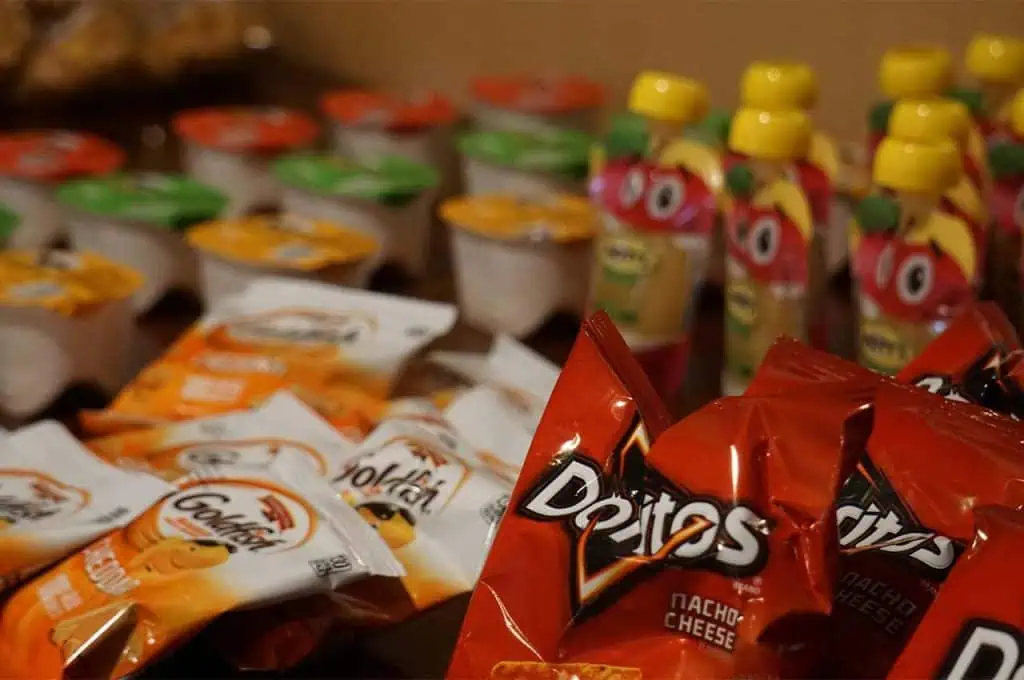
Packaged chips, crackers, and other processed snacks may be convenient, but they’re loaded with sodium, unhealthy fats, and refined carbs that can harm seniors’ health. A study in the Journal of the American College of Cardiology links ultra-processed foods to a higher risk of cardiovascular disease. Excess sodium also raises blood pressure, a major concern for older adults. Choosing whole-food snacks like nuts, fruit, or yogurt provides fiber, protein, and nutrients without the hidden risks.
Soda and Sugary Drinks: A Risky Sip
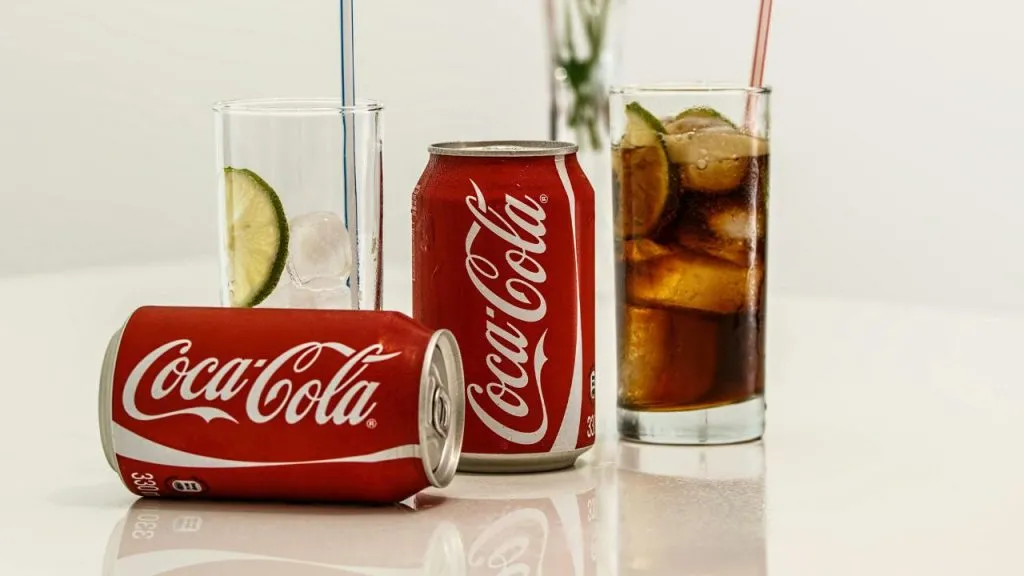
Soda and other sugary drinks may be refreshing, but for seniors, they pose significant health risks. The CDC links excess sugar intake to higher risks of type 2 diabetes, obesity, and heart disease, conditions that already increase with age. Research in Circulation found that just one sugary drink a day raises heart disease risk by 20%. These beverages also weaken bones by leaching calcium, making them especially harmful for older adults prone to osteoporosis.
