
8 Ancient Grains Making a Modern Comeback
Ancient grains are resurging in popularity due to their rich nutritional profiles and distinct flavors. These grains, often cultivated for thousands of years, provide complex carbohydrates, essential nutrients, and unique textures. As more people seek diverse and wholesome ingredients, ancient grains offer an exciting alternative to modern staples. Exploring these grains not only expands culinary horizons but also connects us to culinary traditions that have stood the test of time.
Quinoa: The Protein Powerhouse

Quinoa, prized for its high protein content and versatility, is a staple for those seeking balance in their diet. With all nine essential amino acids, it’s a complete protein source, making it a favorite among vegetarians. To cook quinoa, rinse it under cold water to remove its natural coating, then simmer with a 2:1 water-to-quinoa ratio. The result is a fluffy, nutty grain perfect for salads, bowls, and sides. Experiment with toasting it lightly before cooking to enhance its naturally earthy flavor.
Amaranth: The Nutritious Aztec Grain

Amaranth, once revered by the Aztecs, boasts high levels of iron and calcium, offering both nutrition and flavor. Its slightly peppery taste pairs well with both savory and sweet dishes. Cook amaranth by simmering in a 3:1 water-to-grain ratio until it achieves a porridge-like consistency. For added texture, try popping it in a dry pan before cooking. This technique releases a nutty aroma, making it an ideal topping for salads or mixed with yogurt and fruit for breakfast.
Teff: Ethiopia’s Super Grain
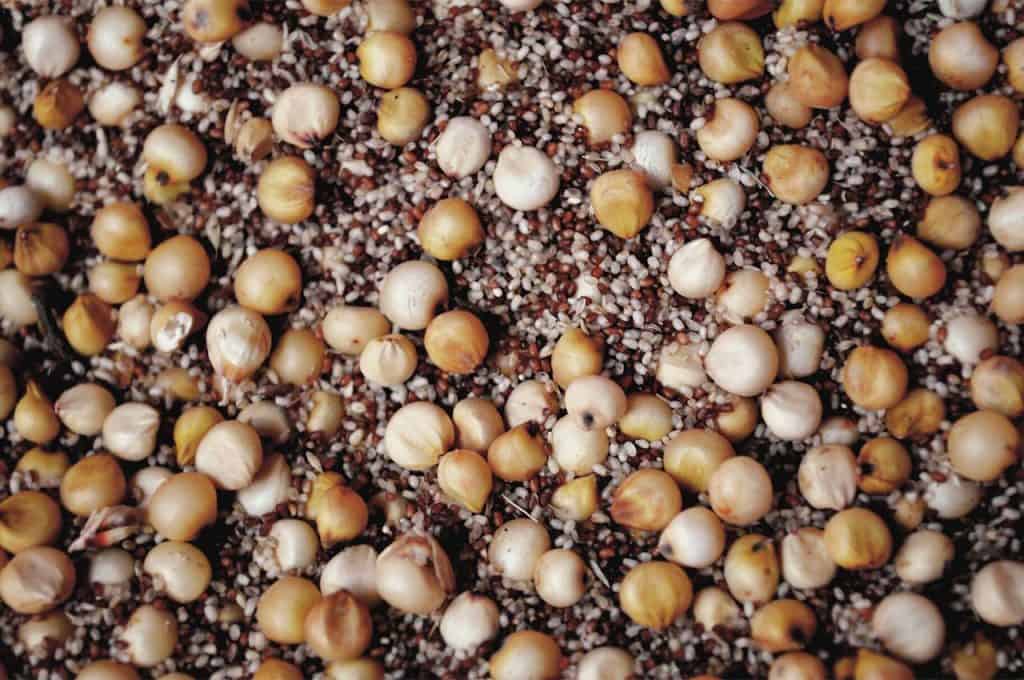
Teff, a staple in Ethiopian cuisine, is noted for its dietary fiber content and subtle nuttiness. This tiny grain cooks quickly, absorbing flavors efficiently, which makes it ideal for porridge or as an addition to baked goods. Use a 4:1 water-to-teff ratio to prepare a creamy, smooth dish. Consider using teff flour to enhance the nutritional profile of breads and pancakes. It imparts a gentle, malty flavor that complements sweet or savory toppings, offering variety to your meals.
Farro: The Ancient Roman Delight
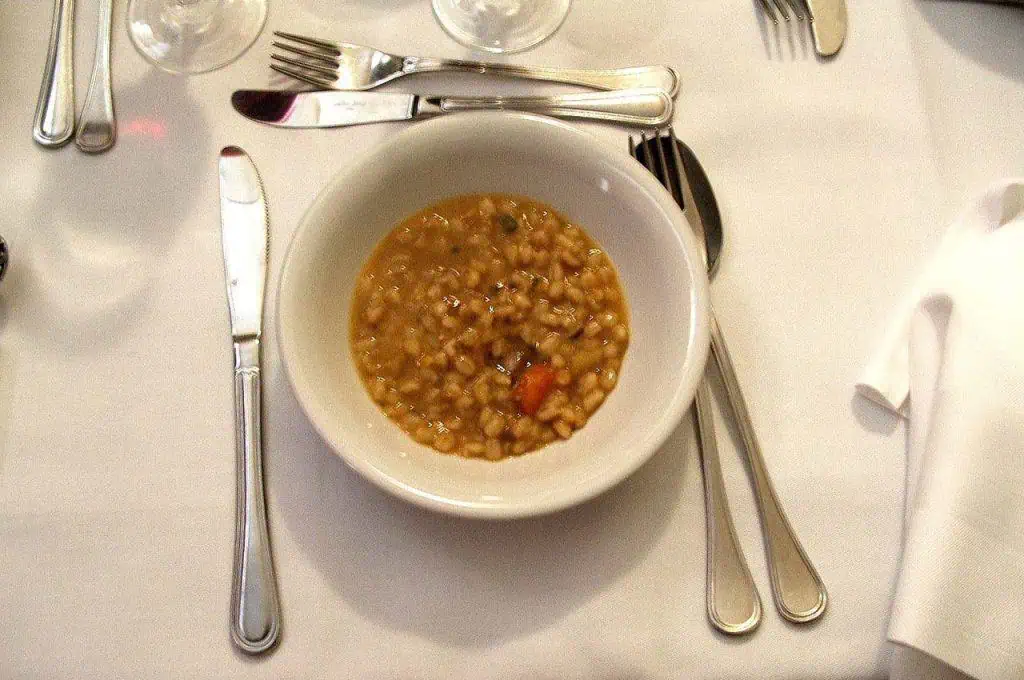
Farro, cherished by the Romans, delivers a chewy texture and nutty flavor that enhances soups, salads, and risottos. This grain is high in fiber and has a complex carbohydrate profile, providing sustained energy. When preparing farro, a gentle boil with a 3:1 water-to-farro ratio until tender yields the best texture. Try incorporating it into a Mediterranean-style salad with olive oil, lemon, and herbs. Its hearty bite and ability to absorb flavors make it versatile for any season.
Millet: The Resilient Grain

Millet is a hardy grain, known for its adaptability and mild flavor, making it a versatile choice in various dishes. Its nutty undertones complement both savory and sweet recipes. To cook millet, rinse thoroughly and toast in a dry pan until fragrant. Add water in a 2:1 ratio, simmering gently until the grains are tender. For a creamy texture, stir frequently, or leave untouched for a fluffier result. Millet’s resilience to drought and poor soil conditions has made it a staple in many cultures, now finding renewed admiration among those seeking nutritious, gluten-free alternatives.
Sorghum: Versatile and Gluten-Free

Sorghum stands out as a gluten-free grain with impressive versatility. Its firm texture holds up well in pilafs, soups, and casseroles, while ground sorghum flour enhances baked goods. Before cooking, rinse the sorghum to remove any debris. Boil with a 3:1 water ratio, simmering until it achieves an al dente bite. Its subtle sweetness pairs well with bold spices, making it an excellent base for both savory and sweet applications. Sorghum’s high fiber content and antioxidants also appeal to modern health-conscious cooks.
Barley: The Ancient Staple
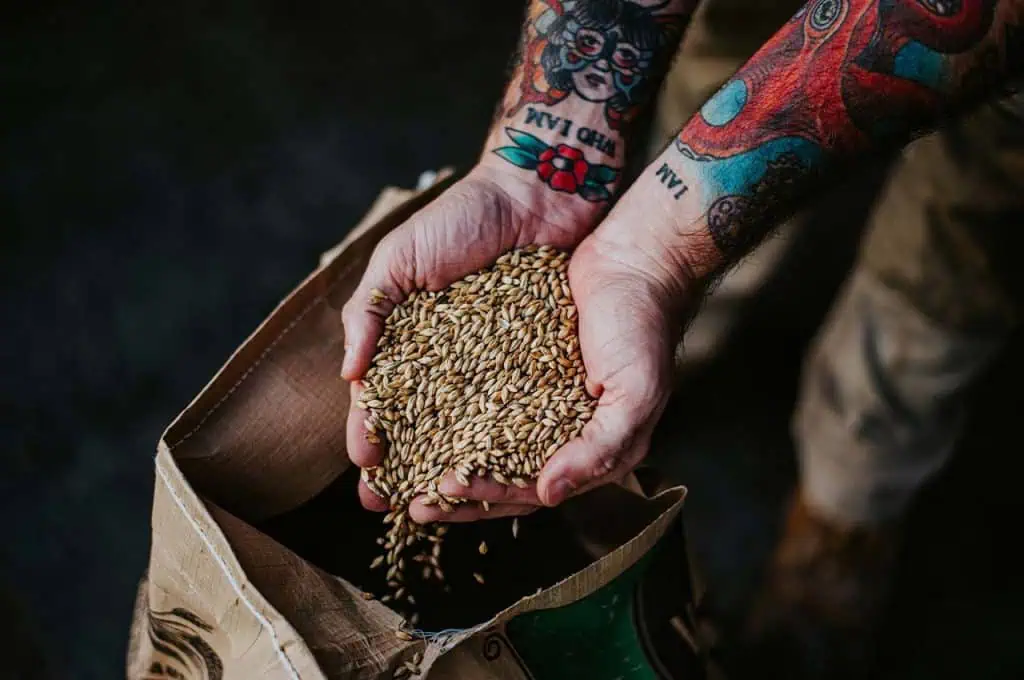
Barley, with its chewy texture and nutty flavor, offers richness to soups, stews, and salads. Begin by rinsing the grains to remove excess starch and impurities. For every cup of barley, use three cups of water, and let it simmer uncovered until the grains are tender yet chewy. Barley’s ability to soak up flavors makes it ideal in broths and hearty dishes. Its high beta-glucan content, known for lowering cholesterol, adds nutritional appeal. Pearl barley cooks faster than hulled, but retains less fiber, offering options based on dietary preferences.
Kamut: The Pharaoh’s Wheat

Kamut, or Khorasan wheat, is celebrated for its rich, buttery taste and remarkable nutritional profile. Larger than regular wheat grains, it offers more protein and essential minerals. Soak kamut overnight to reduce cooking time and enhance digestibility. Use a 3:1 water ratio, simmering gently until tender. Its firm texture is perfect for hearty salads, pilafs, or as a base for grain bowls. As an heirloom grain, kamut provides a taste of ancient culinary traditions, now rediscovered in modern kitchens seeking robust flavors and wholesome ingredients.
