
11 Fermented Foods Everyone’s Obsessing Over Right Now
Fermented foods have surged in popularity, celebrated for their rich flavors and gut-friendly benefits. These age-old practices of preserving ingredients are capturing the attention of both culinary enthusiasts and health-conscious consumers. From the spicy allure of kimchi to the creamy decadence of miso, each ferment offers a unique taste experience. As you explore these staples, you'll uncover techniques that enhance both taste and nutrition, making them a delightful addition to any meal.
Kimchi: Spicy, Crunchy, Irresistible

Kimchi, a Korean staple, combines napa cabbage and radishes with a vibrant blend of chili powder, garlic, and ginger. For perfect texture, salt the cabbage for a few hours, rinsing thoroughly to avoid overwhelming saltiness. The fermentation process, which can range from a few days to weeks, develops its signature tang and umami depth. Pair kimchi with rice or incorporate it into stews for an added kick. Its crunch and spice make it an invigorating addition to your culinary repertoire.
Kombucha: Effervescent Elixir

Kombucha, a fermented tea, charms with its fizzy, tangy complexity. Begin by brewing black or green tea, sweetened with sugar, then introduce the SCOBY, a symbiotic culture of bacteria and yeast. Fill a jar, cover with cloth to allow breathing, and ferment until your desired acidity is achieved, usually 7-10 days. Bottle with flavors like ginger or berries for a second ferment, adding effervescence. Each sip delivers a refreshing, probiotic-rich experience, perfect for health-focused refreshment.
Miso: Umami Powerhouse
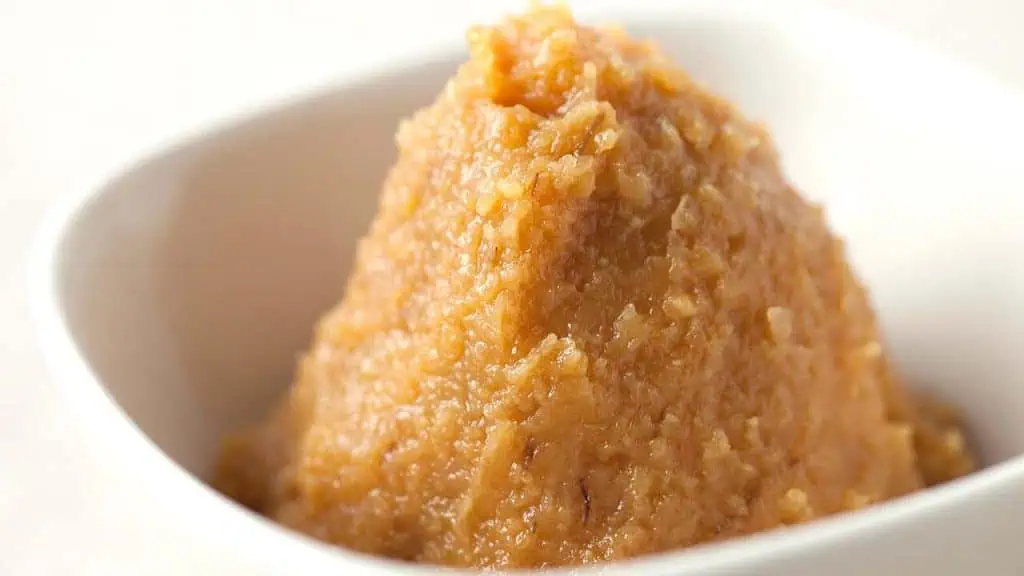
Miso, a fermented soybean paste, stands out with its creamy, savory profile. High-quality miso offers diverse varieties, from delicate white to robust red, each lending depth to dishes. Incorporate it into soups, dressings, or marinades, ensuring to add it at the end of cooking to preserve its beneficial enzymes. Its umami richness can transform simple broths and vegetables, making it a versatile, nutrient-packed staple for enhancing meals with a touch of elegance.
Sauerkraut: Classic Cabbage Ferment

Sauerkraut, fermented cabbage, is prized for its tangy, crunchy qualities. Start by finely shredding fresh cabbage, massaging it with salt until it releases liquid. Pack tightly into jars, ensuring the cabbage is submerged in its brine to prevent spoilage. Ferment at room temperature for 1-4 weeks, tasting as it develops complexity. This simple yet profound ferment complements sausages, sandwiches, and more, offering a timeless, probiotic-rich side that's as beneficial as it is delicious.
Tempeh: The Protein-Rich Delight

Tempeh, a fermented soybean cake, offers a nutty flavor and firm texture, making it a versatile protein source. To prepare, slice the tempeh and lightly steam it to reduce any bitterness. Marinate with soy sauce, ginger, and garlic for an umami boost. Pan-fry until golden or bake for a healthier alternative. Its ability to absorb flavors makes it perfect in stir-fries, salads, or sandwiches. Rich in probiotics and protein, tempeh is not just nourishing but also an exciting addition to your culinary repertoire.
Kefir: Probiotic-Rich Drink

Kefir is a tangy, drinkable yogurt-like beverage, teeming with probiotics. Made by fermenting milk with kefir grains, it boasts a slightly effervescent quality. To enjoy, blend it with fruits for a smoothie, or drink it plain to appreciate its natural sourness. For homemade kefir, ensure the grains are active, and the milk is fresh to achieve optimal fermentation. Offering support for gut health, kefir is a refreshing and beneficial drink that can be incorporated into daily routines with ease.
Natto: The Bold Ferment

Natto is a sticky, fermented soybean dish known for its pungent aroma and distinctive flavor. Its slimy texture may be unfamiliar, but it's incredibly nutritious, rich in vitamin K2 and probiotics. To serve, mix natto with mustard and soy sauce for added depth, and pair it with steamed rice or incorporate it into sushi rolls. As an acquired taste, natto provides a unique experience that rewards adventurous palates with its umami-rich taste and health benefits, making it worth exploring.
Pickles: Tangy Snack Time

Pickles bring a bright, tangy bite to any dish. They start with fresh cucumbers cured in brine, vinegar, and spices. Ensuring a crisp texture begins with the selection of firm, fresh cucumbers. Utilize dill, garlic, and chili flakes for classic flavor, or experiment with turmeric and mustard seeds for a twist. The fermentation process enhances their tartness while preserving crunch. Perfect as a snack, in sandwiches, or atop burgers, pickles offer both a nostalgic crunch and a modern culinary twist.
Sourdough: Artisanal Bread Revolution

Sourdough combines simplicity with technique, using naturally occurring yeast and bacteria for fermentation. The result is a bread with a complex taste and chewy crust. Start with a bubbly, active starter and mix with flour, salt, and water. Knead thoroughly and allow time for proper fermentation and development of flavor. Master the balance between hydration and kneading to ensure consistent texture. When baked, its exterior crisps beautifully while inside remains tender. Sourdough not only elevates daily bread but also adds depth to any meal, showcasing craftsmanship and tradition.
Fermented Hot Sauce: Heat with Depth
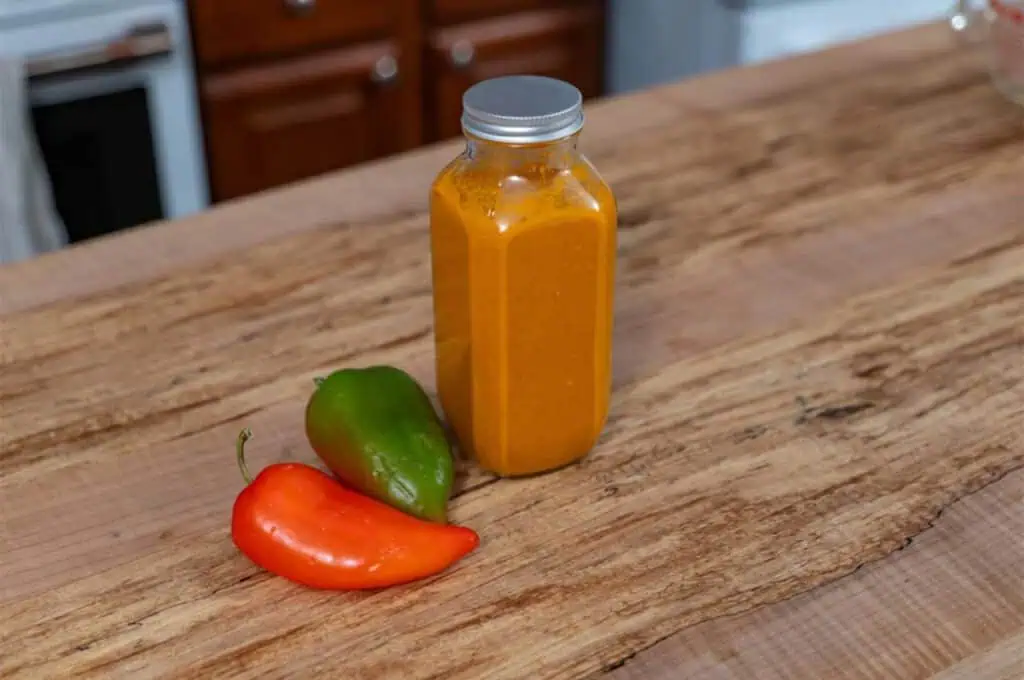
For an intensely flavorful fermented hot sauce, balance between fire and tang is key. Start with fresh chilies, selecting a mix of your favorites to control heat levels. Blend these with salt and a bit of garlic, then ferment in a jar for a week to let the flavors develop. Stir daily, keeping an eye on the brightening of colors and increasing complexity in taste. Once fermented, blend the mixture with vinegar until smooth. Strain if preferred. The result should be a zingy, robust sauce perfect for drizzling over anything needing a spicy kick.
Get the recipe: Fermented Hot Sauce
Yogurt: Creamy Probiotic Favorite
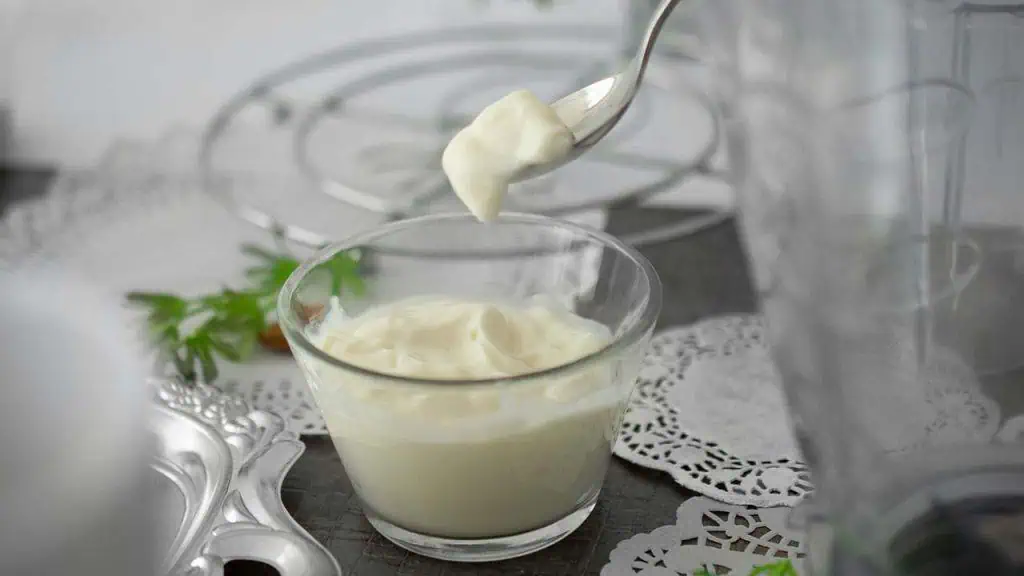
Creating homemade yogurt is about mastering the temperature and bacteria balance. Begin by heating milk to 180°F to denature proteins, cooling it to 110°F before stirring in a spoonful of active yogurt. Pour into jars and let incubate in a consistent warm environment for 6-12 hours. The longer it sits, the tangier the flavor. Chill before enjoying the satisfying texture and probiotic benefits. Use yogurt as a base for breakfast bowls, savory dips, or smooth sauces. Its versatility and healthfulness make it a staple worth perfecting.
