
7 Odd Foods That Were Once Banned (and the Strange Reasons Why)
Throughout history, the U.S. has implemented food bans for various reasons, often rooted in health concerns or misunderstandings. These prohibitions have led to curiosity and myths surrounding certain dishes and ingredients. Here, we explore seven foods that were once illegal in the U.S., delving into the unusual justifications behind their bans and highlighting why they piqued the interest of food enthusiasts.
Absinthe: Hallucination Fears

Absinthe, a potent green drink made from wormwood, was banned in the early 20th century amid fears it caused hallucinations. This misconception stemmed from the compound thujone, found in wormwood and believed to affect the mind. However, modern studies have shown that absinthe contains too little thujone to cause such effects. Today’s absinthe is enjoyed legally, with its complex anise and herbal notes appreciated in cocktails. When preparing a classic absinthe drink, gently drizzle ice-cold water over a sugar cube resting on a slotted spoon, watching the spirit transform into its iconic cloudy state.
Kinder Eggs: Toys Cause a Ban

Kinder Eggs, a beloved European treat, were banned in the U.S. due to the risk posed by the small toys hidden inside. The Food and Drug Administration (FDA) enforced this ban under regulations prohibiting inedible objects encased in food. Despite this, the allure of the surprise toy and creamy chocolate kept demand high. A compromise was eventually reached with Kinder Joy, where the toy is separated from the confection. For aficionados, the real joy lies in the smooth, milky chocolate paired with a crunchy hazelnut bite, creating a delightful sensory contrast.
Haggis: One Lung Too Many
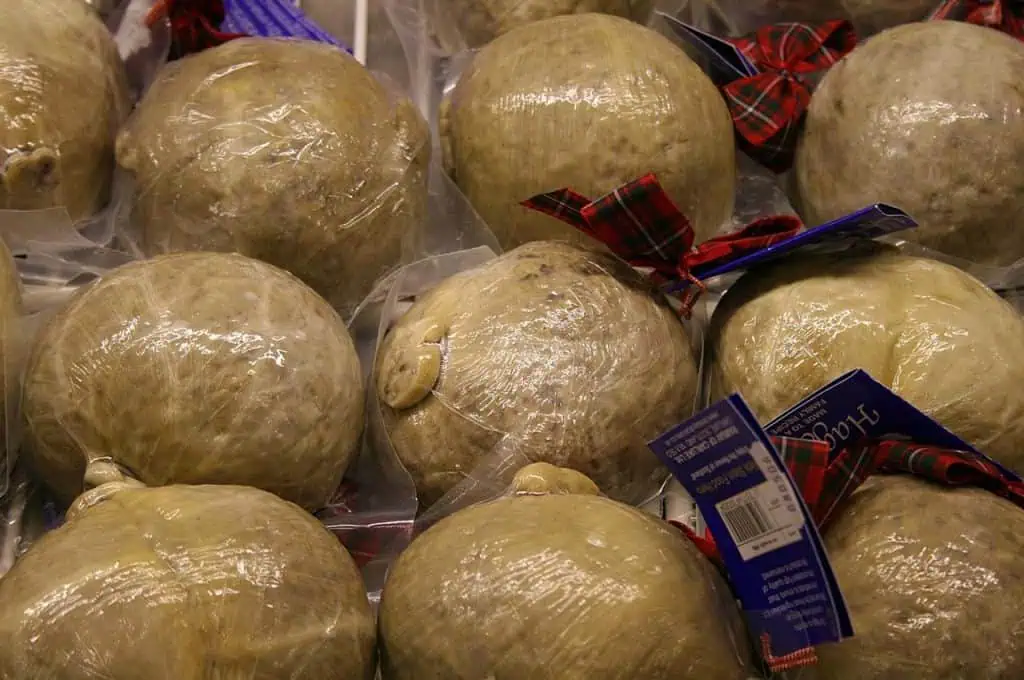
Traditional haggis, a Scottish delicacy, was prohibited in the U.S. due to its ingredient list, which includes sheep’s lung. The USDA deemed lungs unsafe for consumption, halting haggis importation. True haggis combines minced sheep’s pluck, liver, lungs, and heart, with oats and spices, all encased within the animal’s stomach. Its rich, savory flavor and hearty texture showcase a depth that’s both rustic and comforting. Though authentic haggis remains elusive stateside, enthusiasts can experiment with lung-free versions, preserving the dish’s warming, peppery spirit.
Sassafras Tea: Cancer Scare

Sassafras, once a staple in traditional teas and root beer, faced a ban due to safrole, a compound linked to cancer in lab animals. Despite this, sassafras has a heritage of use in culinary and medicinal contexts. Today, commercially available sassafras products are safrole-free, yet they capture the distinct, fragrant warmth reminiscent of vanilla and spices. For those wishing to explore its flavors, sassafras tea offers a comforting blend, best enjoyed with a dash of honey and a slice of lemon to enhance its earthy undertones.
Raw Milk: Safety Controversies

Raw milk, unpasteurized and cherished for its creamy texture and nuanced flavors, sits at the center of ongoing safety debates. Enthusiasts praise its purported health benefits, while skeptics cite the risk of harmful bacteria. The purchase and sale of raw milk are regulated in many states, reflecting concerns over pathogens like E. coli. To enjoy it safely, source your raw milk from reputable farms adhering to rigorous cleanliness and handling standards. Treat raw milk gently, savoring its distinct freshness in recipes where its unique taste can truly shine.
Horse Meat: Cultural Taboos
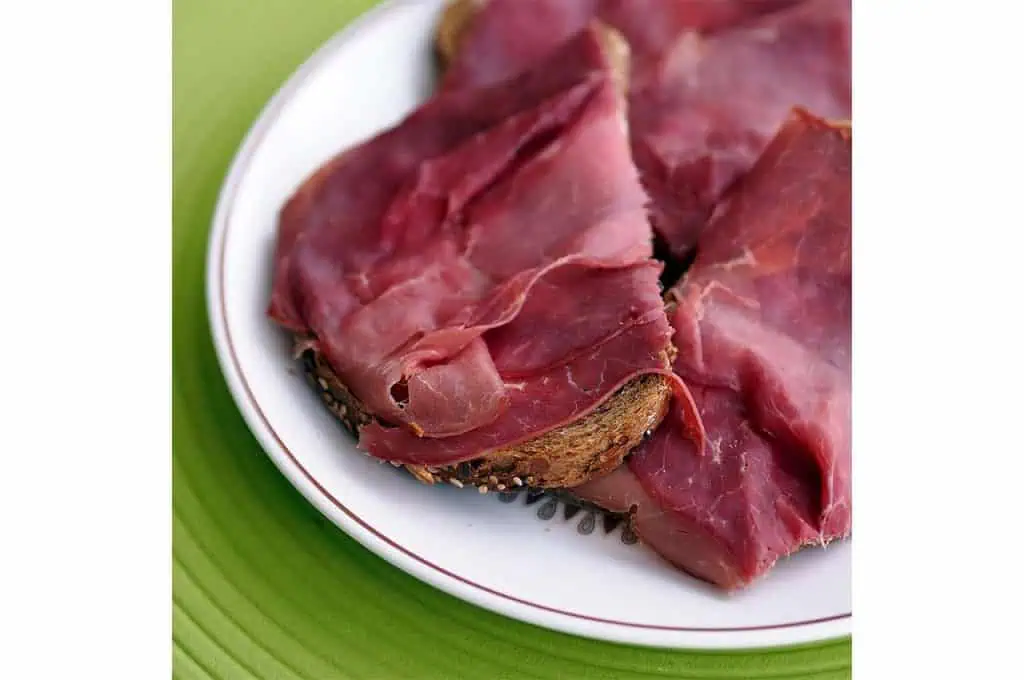
Horse meat, while embraced in certain global cuisines for its lean, slightly sweet qualities, faces cultural prohibitions in the U.S. Historical views and emotional bonds have contributed to its banned status in various states. Nutrient-rich and robust in flavor, horse meat is a protein that demands thoughtful preparation, akin to venison or beef. Despite its illegality in parts of the U.S., understanding its culinary applications can broaden one’s palate. Countries with fewer taboos offer insight into its cooking methods, often emphasizing tenderizing techniques and slow, gentle cooking.
Foie Gras: Animal Welfare Issues

Foie gras, the rich and decadent liver of a specially fattened duck or goose, is both a culinary delicacy and a lightning rod for animal welfare debates. The controversial practice of gavage, or force-feeding, has led to bans in some states, driven by humane considerations. Culinary enthusiasts extol its velvety texture and umami depth. When accessible, foie gras requires minimal adornment, often seared with a light dusting of salt to preserve its luxurious profile. Awareness of ethical sourcing and humane certification becomes crucial for those wishing to indulge responsibly.
