
10 Everyday Ingredients That Used to Be Worth More Than Gold
Certain kitchen staples once captivated the world with their rarity and value, commanding prices higher than gold. Today, these ingredients are ubiquitous, yet their rich histories and versatile uses remind us of their former prestige. Let's delve into how everyday items like salt and pepper were once treasures, exploring techniques that elevate their use in modern cooking.
Salt: The White Gold

Salt, known as ‘white gold,’ was essential for preserving food and a crucial trade commodity. The key to using salt effectively is understanding its ability to enhance flavors without overpowering. Season meats generously before cooking to draw out moisture and develop a savory crust. Consider finishing dishes with flaky sea salt to add texture and an elevated depth of flavor.
Pepper: The King of Spices
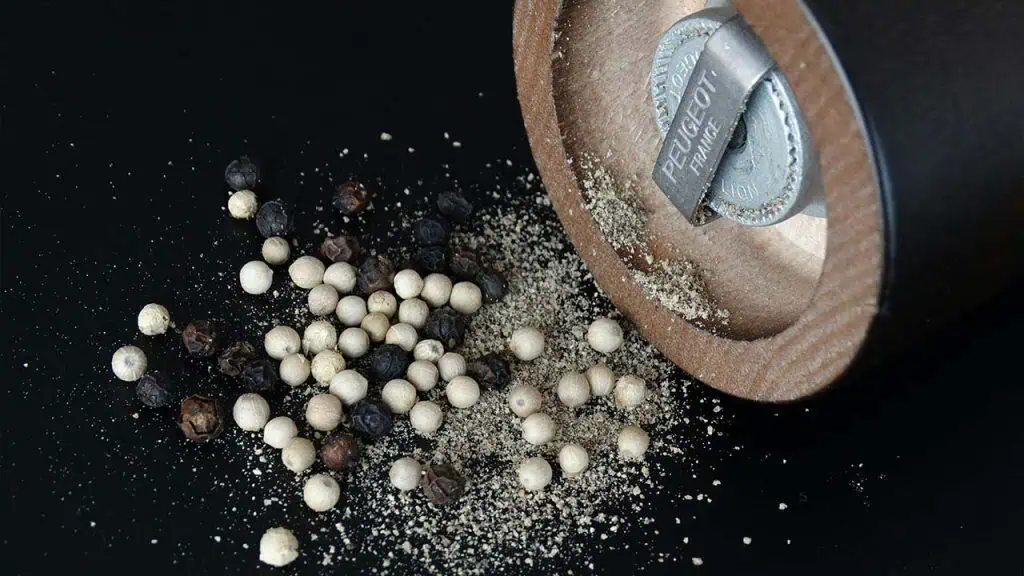
Pepper, once traded as currency, brings bold heat and complexity to dishes. To maximize its impact, grind whole peppercorns just before use, releasing their fragrant oils and sharpness. Use pepper liberally in marinades, or simply crack it over steaks to boost their savory profile. A light dusting over fruits like strawberries can surprisingly enhance sweetness.
Cinnamon: Spice of the East

Cinnamon, coveted for its warm aroma and sweet undertones, transformed simple dishes into exotic experiences. Ground cinnamon is perfect for baking, infusing warmth into breads and pastries. Try using cinnamon sticks in stews and sauces, where they slowly release flavor. Toasting the spice lightly in a dry pan can unlock its essential oils, intensifying its characteristic fragrance.
Nutmeg: Mystical and Exotic

Nutmeg, once worth fortunes, adds a unique fragrance and earthiness to both sweet and savory dishes. Always grate whole nutmeg fresh to capture its volatile oils. In desserts, it complements rich ingredients like cream and chocolate. In savory applications, a pinch can elevate béchamel sauces or enhance the complexity of vegetable dishes, highlighting its versatile profile.
Saffron: The Crimson Treasure
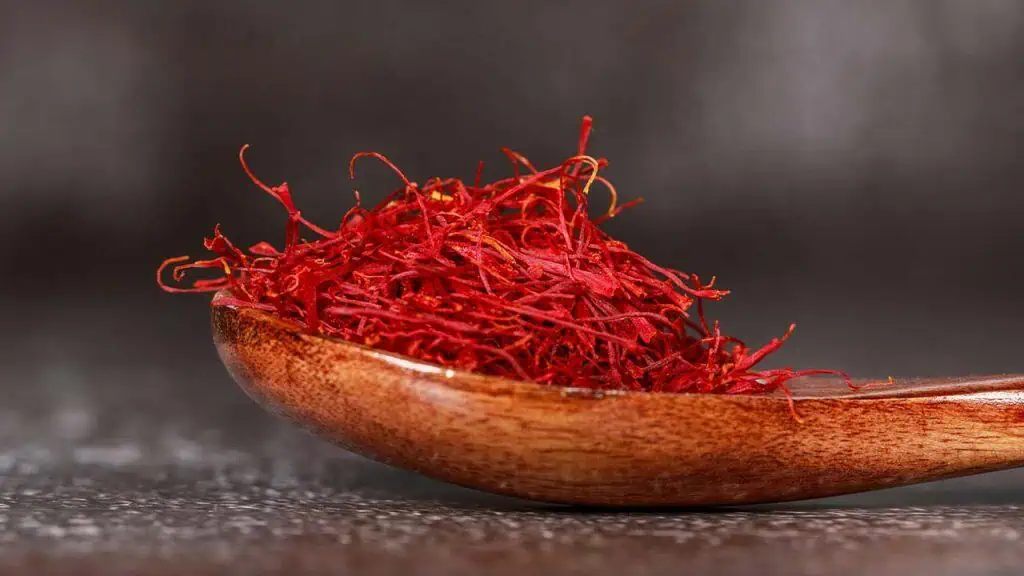
Saffron, the delicate threads from crocus flowers, are known for their golden hue and distinct aroma. To maximize the flavor, gently toast the strands in a dry pan before steeping them in warm water or broth. This vital step releases their vibrant color and floral notes, elevating dishes from paella to risotto. Always use a light hand, as a pinch suffices to enhance a recipe without overwhelming it. Pair saffron with complementary ingredients like citrus and herbs for a balanced depth that speaks to its storied past.
Sugar: Sweet as Wealth

Historically a symbol of wealth, sugar transforms dishes with its versatile sweetness. When using sugar, consider its type; granulated sugar excels in baking for its even distribution, while brown sugar adds moisture and a subtle molasses flavor. Caramelizing sugar—a straightforward yet transformative technique—involves melting it gently over low heat, stirring occasionally until amber. Use this to enhance sauces or as a stunning dessert topping. Balancing sugar with acidity or spices can elevate both sweet and savory creations.
Tea: The Leafy Luxury

Tea, once a coveted commodity, enhances dishes with its aromatic complexity. Brew loose leaves compared to bagged, focusing on temperature and steep time to avoid bitterness. Infusing tea into creams and sauces imparts subtle earthiness and depth. Pair green tea with seafood for a touch of sophistication, or incorporate black tea into meat marinades for a rich, smoky undertone. Experiment with tea as a spice, grinding it into blends for a unique twist on traditional recipes.
Coffee: The Brew of Kings

Rich and full-bodied, coffee brings intensity to both sweet and savory dishes. Use freshly ground beans for the richest aroma and flavor. Cold brew enhances desserts with smoother notes, while espresso adds depth to stews and sauces. Incorporate coffee into spice rubs for meats, complementing smoky and spicy flavors. In baking, coffee intensifies chocolate’s complexity. Always adjust the quantity to maintain balance, ensuring the coffee stars without overpowering the dish.
Vanilla: Essence of Delicacy
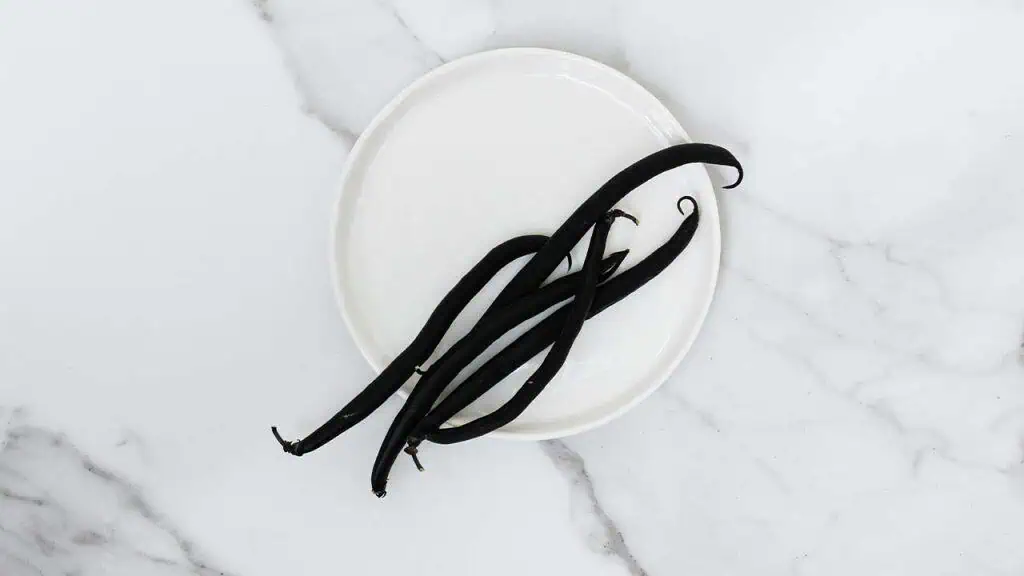
Vanilla, often referred to as the cream of spices, infuses dishes with its warm, floral notes. Opt for whole beans over extract for the fullest flavor, slicing them lengthwise to reveal the aromatic seeds. Simmering the pod with milk or cream releases its essence, perfect for custards and ice creams. When baking, pair vanilla with complementary spices such as cinnamon or nutmeg to enhance its nuanced profile. Remember, a little goes a long way in lending sophistication to everyday dishes.
Cloves: Aromatic Fortune

Cloves are the aromatic flower buds of the *Syzygium aromaticum* tree native to Indonesia. Once as valuable as gold, cloves were a cornerstone of the spice trade. Their robust, warm flavor and sweet-spicy aroma enhance savory and sweet dishes alike. Use whole cloves to infuse depth into broths or mulled beverages. For baking, ground cloves add complexity to gingerbread and spice cookies. Toasting cloves briefly in a dry pan unlocks their essential oils, intensifying their fragrance. Store in a cool, dark place to preserve their potency.
