
Cabbage Roll Showdown: Polish vs. Ukrainian
Cabbage rolls hold a cherished place in Eastern European cuisine, with Polish and Ukrainian versions leading the way. These comforting dishes share a core concept—cabbage leaves filled with a savory mix—but diverge intriguingly in execution. By examining their distinct ingredients, preparation techniques, and flavor profiles, a nuanced appreciation for each style emerges. This guide explores the key differences, promising an enriched understanding and offering inspiration for home cooks eager to master their chosen version.
Stuffed with Tradition

Both Polish Gołąbki and Ukrainian Holubtsi reflect a rich tapestry of tradition, rooted deeply in humble, nutritious ingredients. Tender leaves of cabbage envelop a blend of ground meats and grains, often rice or buckwheat. The magic lies in the melding of flavors as these rolls slowly bake, allowing each ingredient to contribute depth and character. Understanding the cultural importance of each version enhances their preparation, as these cherished recipes are often passed down through generations, capturing family heritage on every plate.
Polish Gołąbki Unwrapped
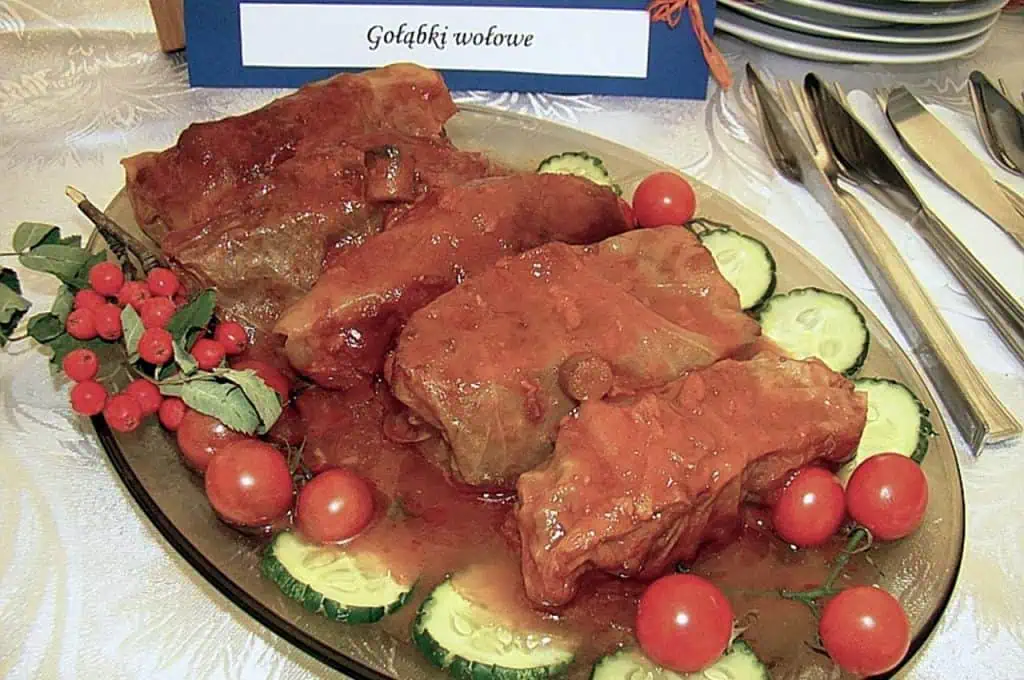
Polish Gołąbki typically feature a hearty filling of pork and beef mixed with rice. The cabbage is softened through a gentle boil, ensuring easy wrapping without tears. Seasoned with garlic, onion, and marjoram, the filling offers a robust, comforting flavor. Once wrapped, the rolls are nestled in a deep roasting dish, often layered with sauerkraut for tang and complexity. Slow cooking allows the melange to harmonize, providing tender bites infused with flavor. Mastering the roll's tightness is key to successful execution, preventing unraveling during cooking.
Ukrainian Holubtsi Explored
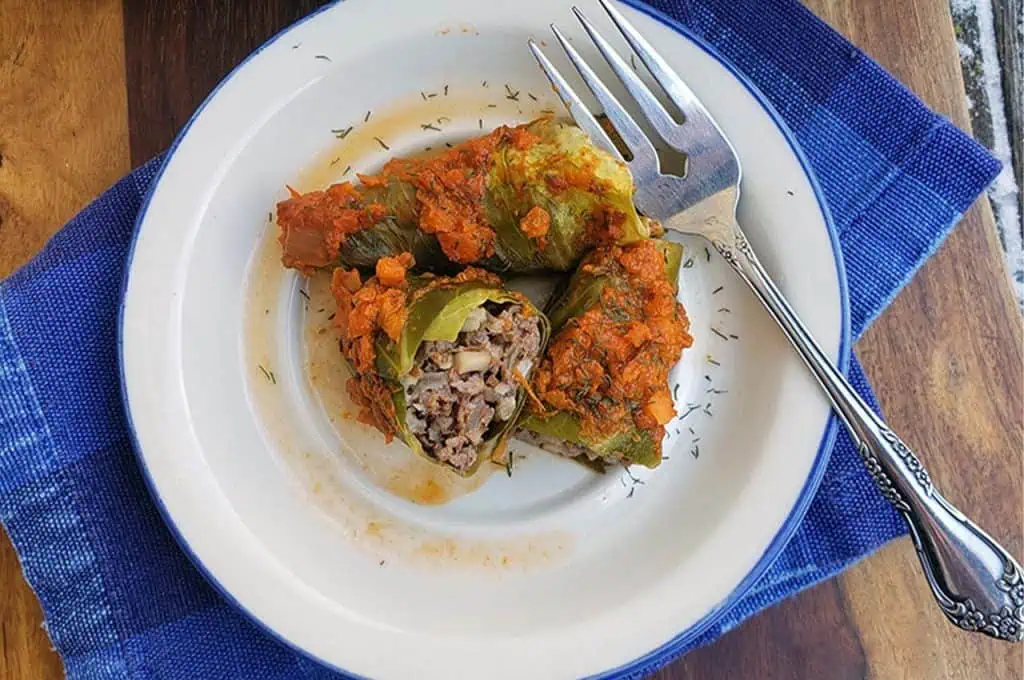
Ukrainian Holubtsi often incorporate buckwheat in lieu of rice, lending an earthy undertone to the filling. Pork or beef remains standard, but variations with mushrooms or millet are celebrated for their nuanced tastes. Lightly steaming the cabbage achieves a pliable leaf, perfect for encasing the seasoned filling. Holubtsi frequently include onions sautéed to a golden perfection, enhancing sweetness and depth. Careful layering in a wide pot ensures even cooking, often accompanied by enhancements such as smoked meats, adding to their rustic charm.
Get the recipe: Ukrainian Holubtsi
Sauce Showdown: Creamy vs. Tomato
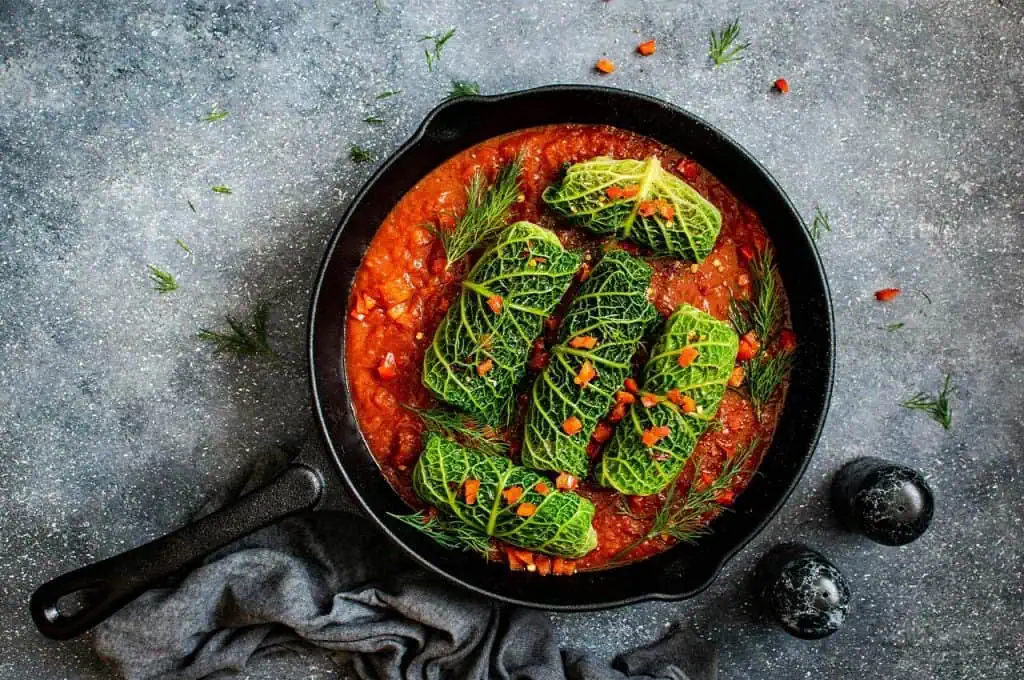
The sauce envelopes these rolls, completing the dish's profile. Polish versions sometimes favor a creamy mushroom or dill sauce, with sour cream providing a tangy richness that contrasts the hearty filling. Ukrainian Holubtsi more commonly embrace a tomato-based concoction, often brightened with a touch of sugar or vinegar to balance acidity. This vibrant sauce seeps into the rolls, enhancing each bite. Understanding the interplay of sauces with the fillings and choosing the right pairing can elevate these traditional dishes to unforgettable heights.
Meat Matters: Filling the Rolls
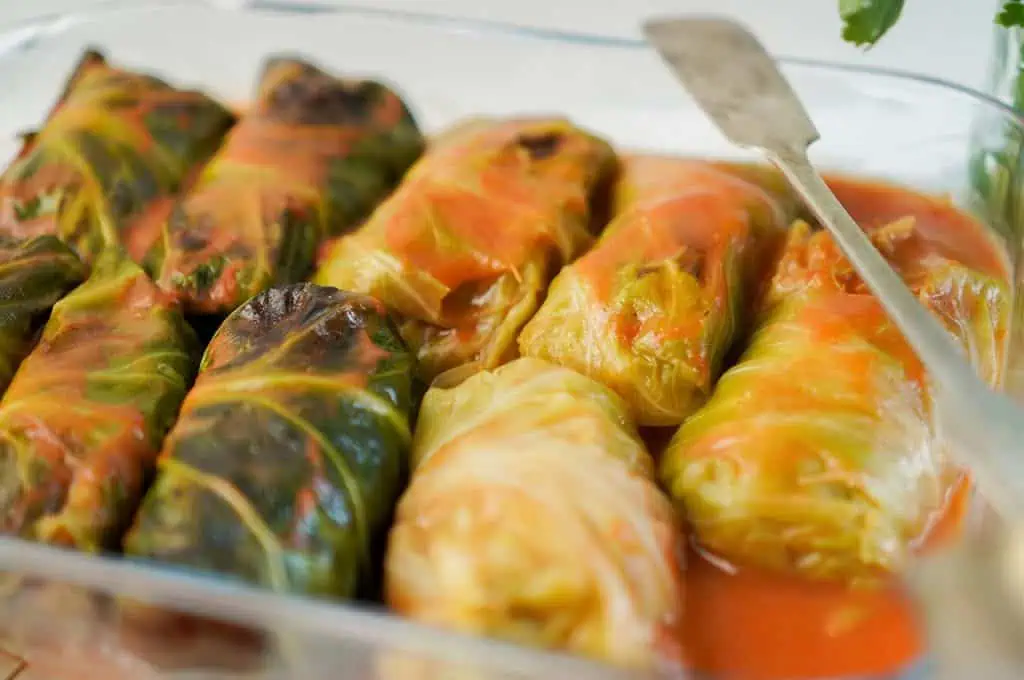
The essence of a perfect cabbage roll lies in the savory filling. Polish versions typically use a hearty mix of ground pork and beef, offering a rich umami flavor. Ukrainian rolls might add rice to the meat, creating a lighter, tender bite. Spice profiles are subtle, focusing on garlic and black pepper, allowing the meat's natural flavors to shine. Opt for fresh, quality meats and evenly chop or grate vegetables like onions to ensure consistent cooking and integrate flavor throughout the filling.
Rolling Technique and Texture
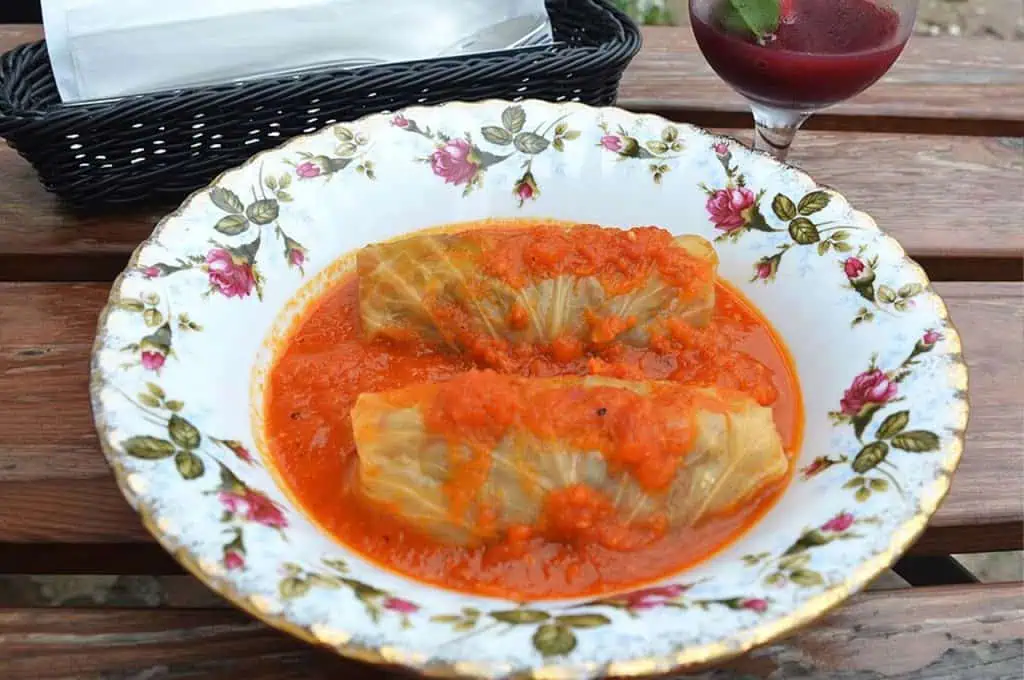
Proper technique is crucial for consistent texture in cabbage rolls. Start by choosing supple, fresh cabbage leaves; steam or blanch them lightly to enhance pliability without losing structure. Polish rolls are traditionally compact, with a tight, uniform wrap, ensuring even cooking. The Ukrainian take often has a more relaxed roll, allowing the ingredients to meld slightly during cooking. Firm, but gentle pressure is key to avoid tearing and to maintain an even roll. Use the vein of the leaf to your advantage, rolling toward it for strength.
