
6 sugar-loving countries and 3 that barely touch the sweet stuff
Exploring global sugar consumption reveals fascinating contrasts. Some nations indulge in sugar with zeal, embedding sweetness into daily rituals and culinary traditions. Others approach sugar with restraint, prioritizing savory and avoiding overly sweetened foods. Understanding these cultural preferences illuminates diverse gastronomic landscapes and highlights how sugar influences national cuisines.
USA: Champion of Sweet Cravings

The United States leads in sugar consumption, reflecting a nationwide penchant for sweetness. From breakfast cereals laden with sugar to iconic desserts like apple pie and brownies, sugar is a staple. Techniques like creaming butter and sugar form the backbone of countless recipes, ensuring cakes are fluffy and cookies have that perfect texture. Whether it’s celebrating birthdays with layered cakes or enjoying a midday snack, sugar is deeply embedded in American food culture.
Germany: Powered by Chocolate and Pastries

Germany’s love for sugar is evident in its rich array of pastries and chocolates. Bakeries here offer delicacies like Black Forest cake and Berliners, where sugar’s role is critical for both sweetness and texture. German chocolates, known for their smoothness and depth, are a testament to meticulous craftsmanship. Confections often feature marzipan or nougat, highlighting sugar’s ability to complement nutty and rich flavors. The balance and precision in German sweets showcase the art of sugar usage.
Get the recipe: German Chocolate Cake
Brazil: Sugar in Coffee to Desserts
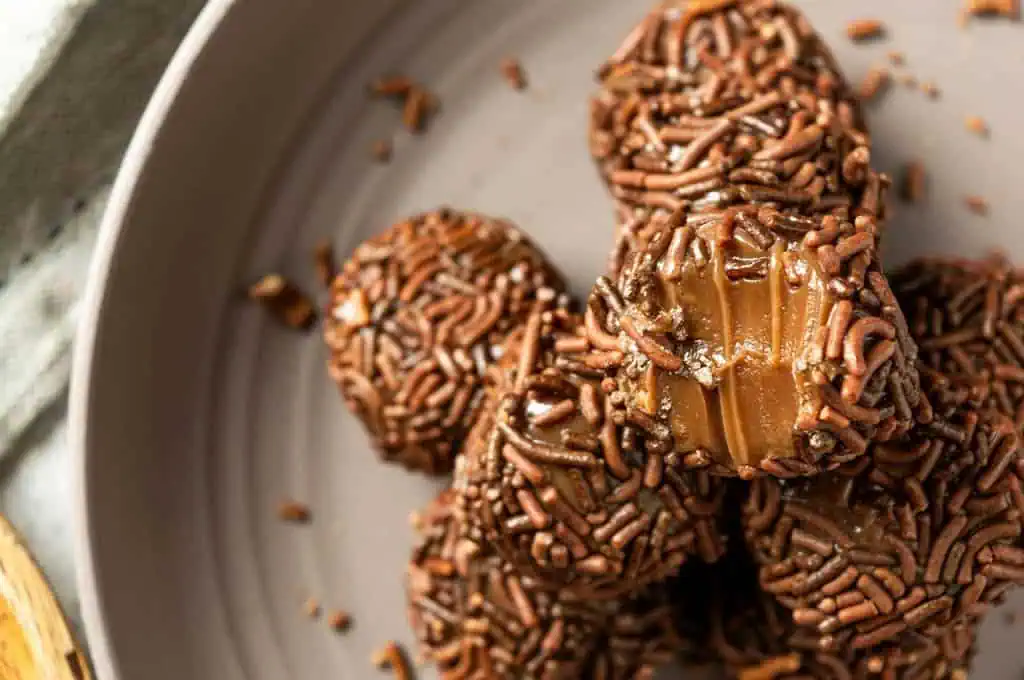
In Brazil, sugar is integral to both beverages and desserts. The Brazilian coffee culture, enriched with generous servings of sugar, creates a distinctively sweet brew enjoyed nationwide. Traditional sweets like brigadeiros, a mix of condensed milk, cocoa, and butter, exemplify the country’s indulgent tendencies. Sugar cane production is prolific, influencing everything from sweet pastries to refreshing caipirinhas, where sugar is essential in balancing the drink’s acidity and enhancing its tropical notes.
Mexico: Top Soda Consumers

Mexico is known for its high consumption of sugary sodas, with beverages like Jarritos and Coca-Cola holding a loyal following. Enjoyed as part of daily meals, these drinks reflect the nation’s preference for sweet, carbonated refreshments. Beyond drinks, Mexican sweets such as churros and tres leches cake highlight sugar’s essential presence in traditional desserts. Here, sugar not only sweetens but provides the desired texture and moisture that make these treats beloved nationwide.
Australia: Sweet Snacks and Bakery Treats
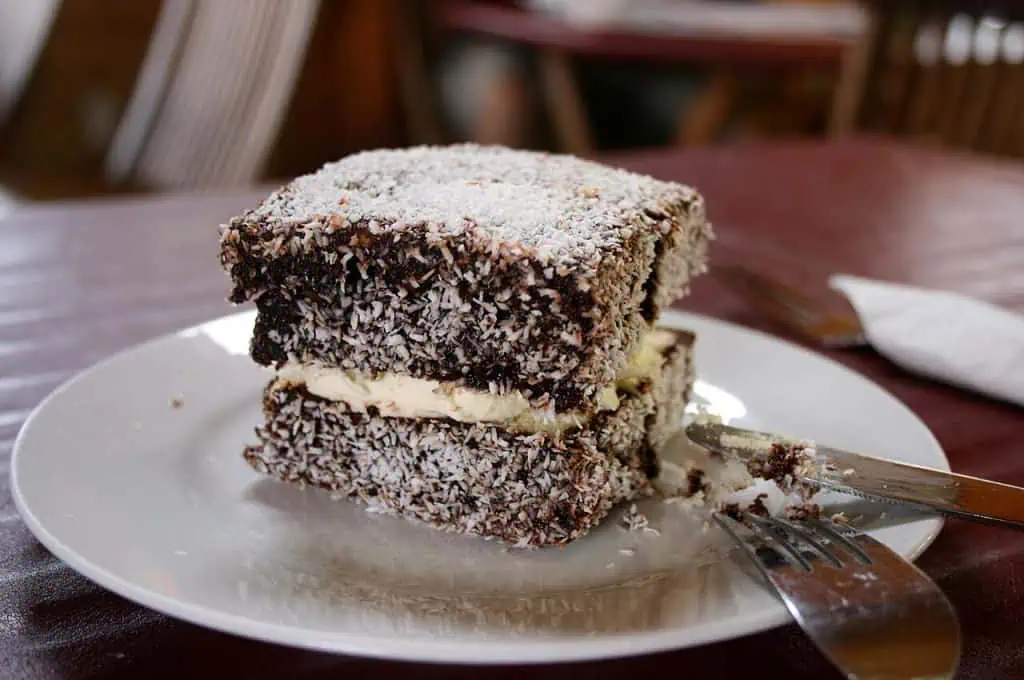
In Australia, sweet treats punctuate many moments, with bakery delights like lamingtons and Anzac biscuits taking center stage. A lamington, sponge cake squares coated in chocolate and rolled in coconut, combines moist cake with a delicate crunch. Anzac biscuits, born out of wartime necessity, offer chewy centers and crisp edges from rolled oats and golden syrup. For best results, use fresh desiccated coconut in lamingtons and bake Anzac biscuits until just golden to maintain the perfect texture.
UK: Tea Biscuits and Dessert Tradition

The United Kingdom celebrates its sweet tooth with a long-standing tradition of tea biscuits and desserts. Shortbread highlights buttery textures, achieved with high-quality butter for a tender crumb. Sticky toffee pudding, a dense cake soaked in a rich toffee sauce, showcases the balance of sweetness and depth. To create the ideal shortbread, use cold butter and a touch of salt. For sticky toffee pudding, date paste enriches the cake, maximizing its moistness and flavor complexity.
Japan: Umami Over Sugar
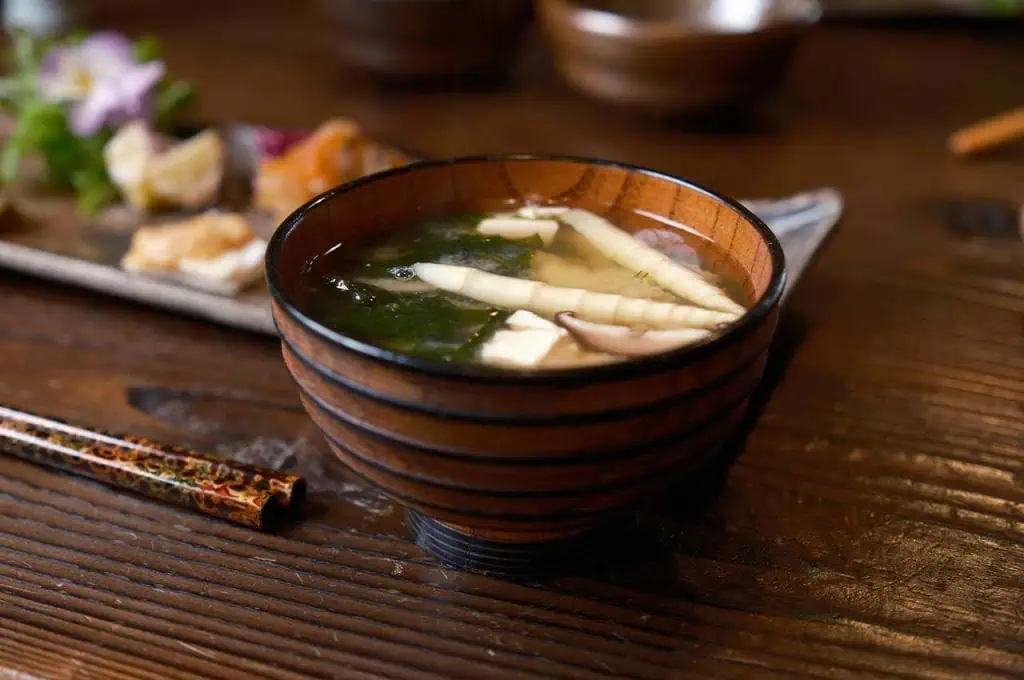
In Japan, subtle sweetness complements the predominant umami in dishes. Mochi, rice cakes with a slight sugary hint, are often filled with red bean paste, providing a soft, chewy texture. The emphasis on umami means sugar plays a minor role, as seen in savory dishes like miso soup with its deep, fermented flavors. When making mochi, glutinous rice flour is key for texture, and soaking red beans thoroughly enhances the paste’s smoothness without unnecessary sweetness.
India’s Rural Spice-Centric Cuisine

In rural India, cuisine revolves around spices rather than sugar. Masala chai, a spiced tea with minimal sugar, emphasizes harmonious blends of cardamom, ginger, and cinnamon. Traditional sweets like jaggery-laden laddus add touches of sweetness. Try using freshly ground spices for masala chai to enhance its aromatic profile. Jaggery’s deep molasses-like flavor enriches sweets, so experiment with different grades to achieve the desired balance between sweet and spicy.
Ethiopia: Grain and Legume Diets

Ethiopian cuisine is dominated by grains and legumes with minimal sugar usage. Injera, a fermented flatbread made from teff, is a staple that provides a tangy, spongy base for various stews. Lentil dishes like mesir wat are rich, spiced, and satisfyingly hearty. The fermentation of injera is crucial, developing complex flavors over several days. For a successful injera, maintain a consistent room temperature during fermentation and pair with mesir wat to highlight its robust, hearty appeal.
