
The 10 Most Hated and 10 Most Loved Foods in America
Some foods just divide people. You either love them or you hate them, and there’s rarely any middle ground. Liver and onions? A classic comfort food for some, a nightmare on a plate for others. Black licorice? Some people crave that bold, anise punch, while others gag at the mere thought. Blue cheese, Spam, oysters, cottage cheese, beets, Brussels sprouts, anchovies, cilantro—each one has passionate defenders and equally passionate detractors. But here’s the thing: these polarizing foods are often misunderstood. With the right preparation, a balanced pairing, or a little culinary finesse, even the most controversial ingredients can win people over. It’s not just about taste. It’s about texture, tradition, and how we experience food.
So if you’re curious about why some foods spark such strong reactions—and how to make peace with them—you’re in the right place. In this article, we’re breaking down 11 of America’s most polarizing foods, plus 10 beloved classics that almost everyone agrees on (pizza, burgers, fried chicken, and apple pie, anyone?). You’ll learn simple tips like how to sear liver without making it rubbery, why roasting Brussels sprouts changes everything, and how to balance the intensity of blue cheese or anchovies. No judgment. Just real talk about food that divides us—and sometimes brings us together. Let’s dig in (or not).
Liver and Onions: A Divisive Classic

Liver and onions is a dish that often divides opinions sharply. The rich, iron-heavy flavor of the liver offers a distinct taste profile that can either captivate or repel. It’s crucial to choose fresh liver, ensuring it remains tender. Preparing it involves careful slicing and a quick sear to avoid a rubbery texture. The sweet, caramelized onions balance the liver’s intensity, adding a layer of complexity. Properly sautéing onions until golden brown enhances their natural sweetness and transforms the overall dish experience. This culinary duo is a testament to the power of adept cooking techniques to elevate even the most contentious ingredients.
The Polarizing Taste of Black Licorice

Black licorice stands as a classic example of a polarizing flavor. Its unique taste, primarily derived from anise, offers a pungent, herbal depth that can either satisfy or dismay the palate. Licorice’s chewy texture adds to its divisiveness. When exploring its versatility, consider integrating it into sweet or savory dishes—subtly flavoring cookies or enhancing marinades with its complex notes. This approach can introduce nuanced layers without overwhelming dishes. Toning down black licorice’s intensity can make it more palatable to skeptics while still delighting enthusiasts who crave its distinctive essence.
Why Blue Cheese is Both Loved and Loathed

Blue cheese is renowned for its bold character, yet often polarizes due to its pungent aroma and veined appearance. The rich creaminess melds with sharp, tangy undertones, creating a unique flavor profile. A proper balance can be achieved by incorporating blue cheese into dressings or melting it over burgers, where its depth enhances without dominating. Choosing varieties like mild Gorgonzola can soften its impact, appealing to those cautious about its intensity. Understanding blue cheese’s fermentation process and mold’s role in shaping its flavor can transform apprehension into appreciation for its artisanal charm.
Spam: Canned Meat Controversy

Spam occupies a controversial spot in American cuisine, with its processed nature evoking both nostalgia and criticism. Its salty, versatile profile can be creatively utilized beyond breakfast staples. For those embracing it, consider slicing and frying Spam to achieve a crisp exterior, enhancing its umami essence. Stirring it into fried rice or pairing it with fresh ingredients balances its richness and leverages its convenience. Cautious preparation and thoughtful pairing can shift perceptions, transforming Spam from a misunderstood staple into a respected ingredient that mirrors comfort and ingenuity.
Oysters: Freshness or Foe?

Oysters provoke strong responses, often due to their texture and flavor. Ensuring freshness is crucial for enjoying them to their fullest. Look for tightly closed shells and a briny, ocean-like scent. For a classic preparation, raw and chilled on the half-shell, add a squeeze of lemon or a mignonette sauce. Alternatively, try grilling them with garlic butter to balance salinity with richness. Freshness is their true test, where brine meets the palate with a delicate balance of savory and sweet tones, offering a unique taste for the adventurous.
Cottage Cheese: Texture Troubles

Cottage cheese divides opinions, largely due to its curds. To tackle texture, consider how it’s used in dishes. Blending can create a smooth base for sauces or creamy desserts like cheesecakes. Try pairing it with fresh fruits, honey, or herbs to enhance its mild flavor. For savory applications, use it in lasagna or as a stuffing for pasta. Managing its moisture by draining can make a difference in texture perception, transforming it from a lumpy base to a versatile, creamy accompaniment rich in protein.
Beets: Earthy and Underrated?

Beets possess a deep, earthy flavor that can seem daunting. Roasting them brings out their natural sweetness and enhances their complexity. To maintain their vibrant hue and flavor, cook them whole, peel off their skins post-cooking, and slice. Pairing them with goat cheese or citrus can elevate their profile, adding brightness and balance. Their versatility shines in salads, purees, or roasted with hearty grains. Proper seasoning and thoughtful pairings can transform beets from humble root vegetables to favored components in varied dishes.
Brussels Sprouts: Bitter or Brilliant?

Brussels sprouts offer a contentious mix of bitterness and nuttiness. The key to unlocking their potential is proper cooking. High-heat roasting caramelizes their natural sugars, reducing bitterness. Toss in olive oil, salt, and pepper, then bake until crispy. Adding ingredients like balsamic glaze or parmesan cheese can enhance flavor and add complexity. Avoid boiling, which often intensifies bitterness. Instead, explore methods like sautéing with bacon or steaming with herbs to uncover their tender, savory side, making them a staple rather than a struggle.
Anchovies: Salty Scare or Savory Delight?

Anchovies add umami richness, often misunderstood due to their intensity. Using small amounts can enhance sauces and dressings without overpowering. Their transformation occurs in dishes like Caesar salad dressing or pasta puttanesca, where they dissolve into a savory base, adding depth and complexity. Rinsing can reduce saltiness but often their boldness is what creates a desirable flavor profile. Consider them a seasoning rather than a central ingredient, and experiment with their subtle power to enrich and elevate a dish’s umami quotient.
Cilantro: Herb or Headache?
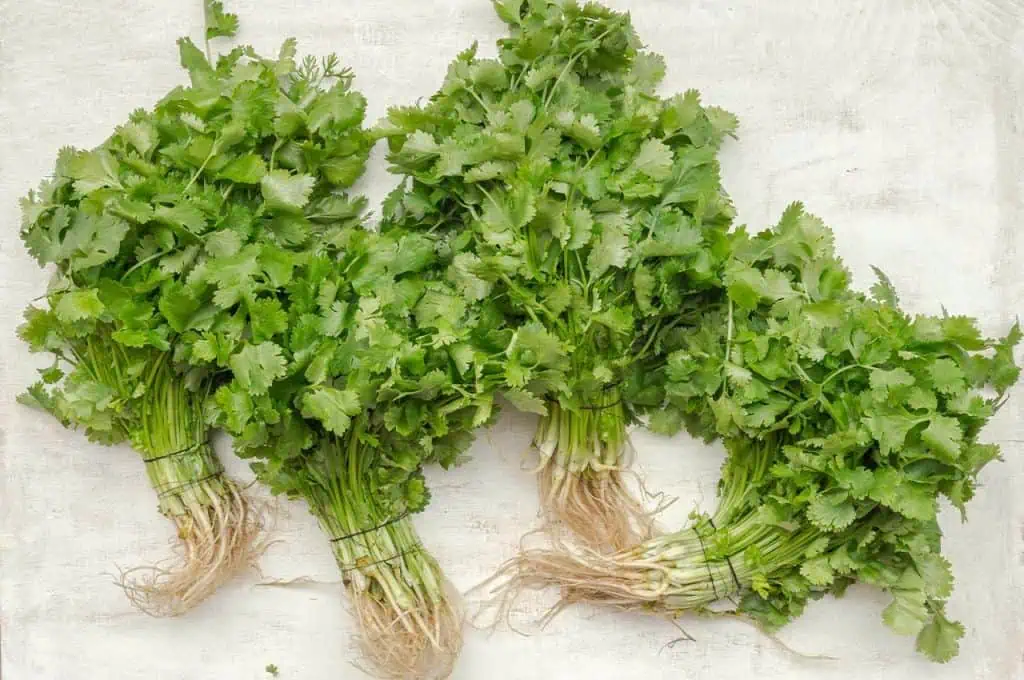
Cilantro is a divisive herb known for its unique, pungent aroma. While many appreciate its fresh, citrusy brightness in salsas and guacamole, others experience a soapy taste due to genetic factors. To enhance cilantro’s appeal, chop it just before serving to preserve its volatile compounds, ensuring maximum flavor without overpowering a dish. Use stem and leaf together; the stems provide a deeper flavor. If you’re aiming to balance its intensity, incorporating it with lime or lemon juice can help mellow its sharper notes, making it more palatable for skeptical diners.
10 Foods Americans Can’t Get Enough Of

From backyard barbecues to comfort food classics, some dishes have earned a permanent spot in America’s heart—and on its plate. These beloved bites are more than just meals; they’re tied to memories, traditions, and cravings that never quit. Whether sweet, salty, crispy, or cheesy, these 10 foods top the list of what Americans truly love to eat again and again.
Pizza: America’s Ubiquitous Love
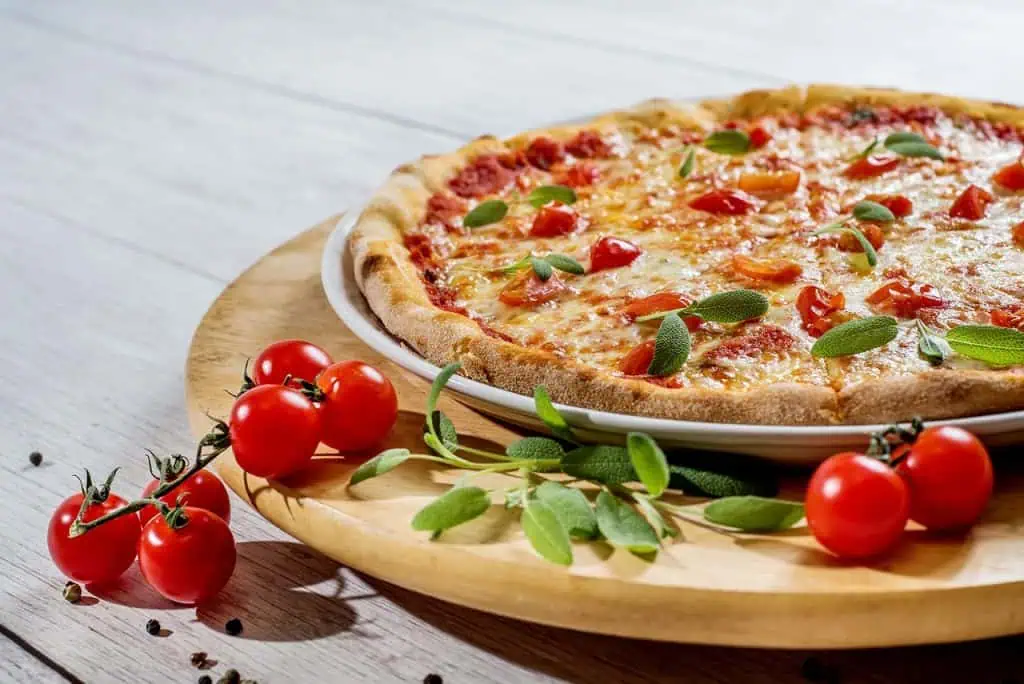
Pizza remains a beloved staple across the U.S., with endless variations catering to every taste. Achieving the perfect homemade pizza involves focusing on dough and sauce. A well-risen dough, with its crunchy outer crust and chewy center, serves as the essential base. Opt for high-gluten flour for better elasticity. For sauce, balance acidity with sweetness; a simple blend of crushed tomatoes, garlic, and a touch of sugar often suffices. Use a hot stone or steel in the oven to replicate artisanal textures and remember, less is more when layering toppings for optimal flavor balance.
Chocolate Chip Cookies: Sweet Perfection
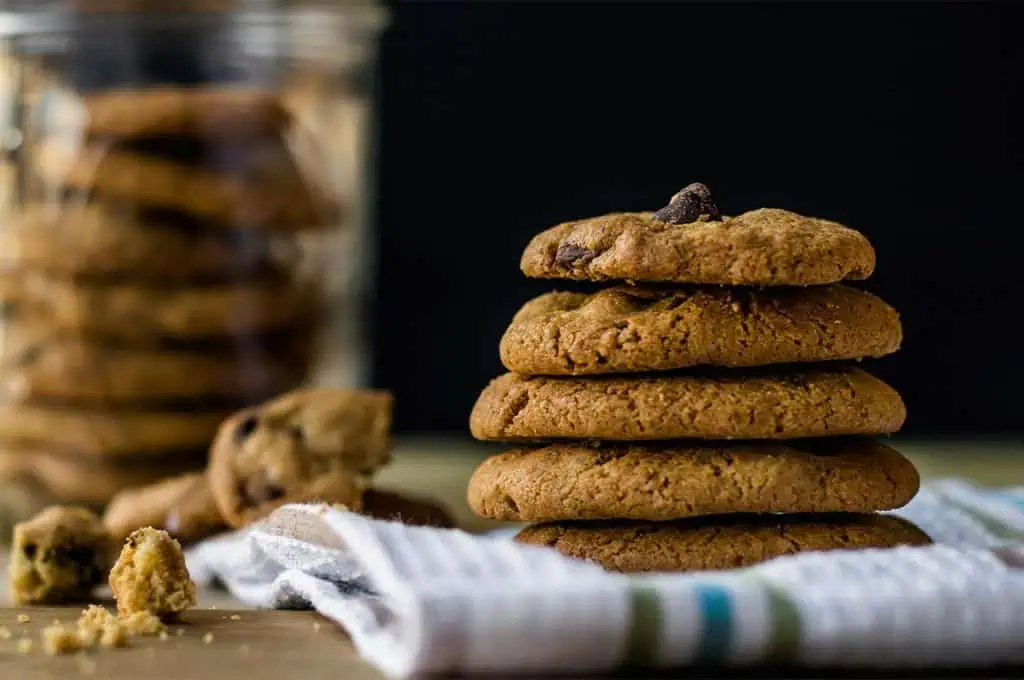
Chocolate chip cookies epitomize a comforting treat, best enjoyed with crisp edges and a chewy heart. The choice of brown sugar aids in achieving this texture by adding moisture and a molasses-like depth. Resting dough for at least 24 hours enhances flavor as the flour absorbs liquid. For a richer taste, experiment with different chocolates—blend bittersweet for depth and milk chocolate for creaminess. A touch of sea salt on top before baking can elevate each bite by complementing the sweetness. Maintain a consistent temperature and avoid overcrowding to ensure even baking.
Mac and Cheese: Comfort in a Bowl

Mac and cheese is synonymous with comfort, driven by creamy sauce encasing the pasta. Achieving this requires a well-crafted béchamel. Start with a roux—equal parts butter and flour cooked until golden—then whisk in warmed milk to form a smooth base. Melting a mix of sharp cheddar and creamy Gouda ensures a robust, multi-dimensional cheese sauce. For textural contrast, bake with a breadcrumb topping browned under a broiler. Pair spices like paprika or mustard powder with the cheese to enhance its savory flavor without overcomplicating its homey appeal.
Hamburgers: The Quintessential Meal

Hamburgers are an American classic, beloved for their customizable nature. Selecting high-fat ground beef—around 80/20 ratio—ensures juiciness while forming patties about ¾-inch thick allows for a perfect sear without overcooking. Season generously with salt and pepper just before they hit a hot grill or skillet. Let patties rest briefly post-cooking to retain juices. Toasting buns provides a proper structure, preventing sogginess. Enhance with classic toppings like lettuce, cheese, and tomato, but experiment with condiments such as aioli or spicy ketchup for flavor depth that complements the beef.
Ice Cream: A Frozen Favorite

Ice cream consistently tops America’s list of favorite treats, captivating with its creamy texture and endless flavor possibilities. Achieving the perfect scoop involves attention to detail, particularly in balancing sugar content for smoothness and achieving the ideal overrun, which ensures that air is incorporated for a soft, velvety texture. A rich custard base, carefully tempered and churned at the right speed, is essential. From classic vanilla to exotic lavender honey, each creation offers a unique palate experience, encouraging home cooks to experiment with flavors and mix-ins, elevating this beloved dessert.
Fried Chicken: Crispy, Juicy Delight

Fried chicken is cherished for its unbeatable combination of crispy skin and juicy interior. Mastering this dish involves choosing the right chicken pieces and brining them to enhance flavor and moisture. A well-seasoned dredge—flour mixed with a touch of paprika, salt, and cayenne—creates the desired crust. The key lies in frying at the right temperature; too hot results in an undercooked center, while too low yields soggy skin. Proper resting after frying allows juices to redistribute, ensuring a succulent bite every time, making it an irresistible comfort food.
French Fries: The Ultimate Sidekick

Perfect French fries start with the right potato—russets are ideal for their high-starch content. Cutting uniform strips ensures even cooking, while soaking in cold water removes excess starch for crispier results. The double-fry method is crucial; an initial low-temperature fry cooks the interior, followed by a high-temperature fry that crisps the exterior. Proper seasoning with salt right out of the fryer enhances their flavor. Whether paired with a burger or enjoyed solo, these golden delights retain their status as America’s favorite sidekick.
Bacon: A Love Affair

Bacon’s addictive aroma and savory crunch make it a staple in kitchens across America. Selecting high-quality, thick-cut bacon is crucial for achieving both texture and flavor. Cooking techniques vary: traditional pan-frying yields a classic crispy edge, while baking allows for even cooking and minimal mess. For an umami boost, a sprinkle of brown sugar or a brush of maple syrup before baking can add a sweet contrast to its smoky richness. These simple tweaks turn bacon from a breakfast staple into a versatile component for salads, sandwiches, and more.
Tacos: The Perfect Handheld Meal

Tacos offer versatility and vibrancy, celebrated for their potential to blend textures and flavors. Start with fresh, soft corn tortillas as the base. From there, experiment with fillings—whether it’s spiced beef, tender carnitas, or grilled vegetables, each choice sets the tone. Toppings such as crisp lettuce, creamy avocado, and zesty lime elevate each bite. The key is balance, ensuring each element complements rather than overwhelms. With endless interpretations, tacos provide an open canvas for creativity, making them a favorite across the nation.
Apple Pie: As American as It Gets

Apple pie stands proudly as a culinary symbol, showcasing a crisp, buttery crust encasing tender, cinnamon-spiced apples. Selecting the right apple variety is crucial; a mix of tart Granny Smiths and sweet Honeycrisps ensures balanced flavor and texture. Peel and slice thinly for even cooking.
The crust is key—chill all ingredients, including your mixing bowl. Handle the dough lightly to prevent overworking, which results in toughness. For a glossy finish, brush the crust with an egg wash before baking. Serve slightly warm, allowing the filling to set—this approach pairs beautifully with a scoop of vanilla ice cream, enhancing the classic contrast of temperatures and flavors.
